REVIEW · HOI AN
Hoi An: Bay Mau Cooking Class w Optional Market &Basket Trip
Book on GetYourGuide →Operated by Sky Travel · Bookable on GetYourGuide
Somewhere between cooking and sightseeing, this class feels personal. In Hoi An’s Bay Mau coconut forest, you learn Vietnamese techniques the old-school way, often guided by folks like Kieu or Mo, and you end up eating what you made. I love the hands-on rice work and the fact you’re not just watching.
I especially like that the class builds up to real food you’ll recognize—starting with Pho—and you’re tasting along the way with unlimited mineral water and passion fruit juice. One possible drawback: the full experience can feel like a packed 3 to 5.5 hours, and if you pick the afternoon market option, the market part may be limited.
In This Review
- Why This Hoi An Cooking Class Works So Well
- Key Highlights You’ll Feel Right Away
- Entering the Bay Mau Stilt-House Kitchen (With Real Tools)
- The Flow of the Day: Pickup, Drinks, and How the Class is Structured
- The Optional Market & Basket Boat Combo in Cam Thanh
- Market visit: choosing ingredients like a local
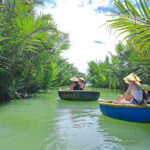
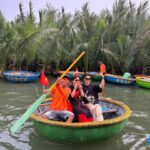
- Bamboo basket boat ride: Bay Mau coconut village energy
- Four Courses and the Vietnamese Techniques Behind Them
- Rice milk and rice paper: the behind-the-scenes skills
- The four-dish cooking experience (what you’ll likely cook)
- Learning by doing, with a patient chef-guide
- Lunch or Dinner: Eating Your Own Work in the Open Air
- Transport and Pace: Smooth, but Plan for a Half-Day
- Price vs. Value: Is $26 Really a Good Deal?
- Who Should Book This Class (and Who Might Skip It)
- Practical Tips to Make Your Class Easier
- Should You Book the Hoi An Bay Mau Cooking Class?
- FAQ
- How long does the Hoi An Bay Mau cooking class take?
- Is the market visit and basket boat ride optional?
- What dishes do you cook?
- Are drinks included?
- Do you get lunch or dinner?
- Do you get pickup and drop-off?
- What do I need to bring?
- Is it wheelchair accessible?
- Are there age limits for children?
- Is there any extra charge on public holidays?
Why This Hoi An Cooking Class Works So Well
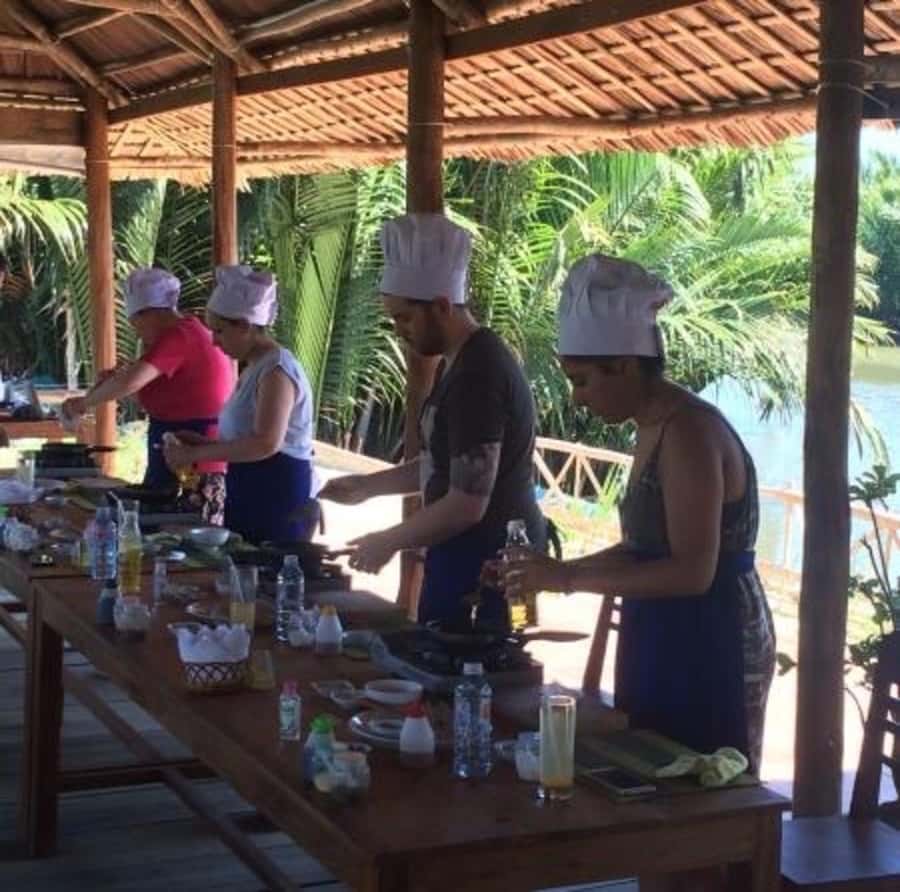
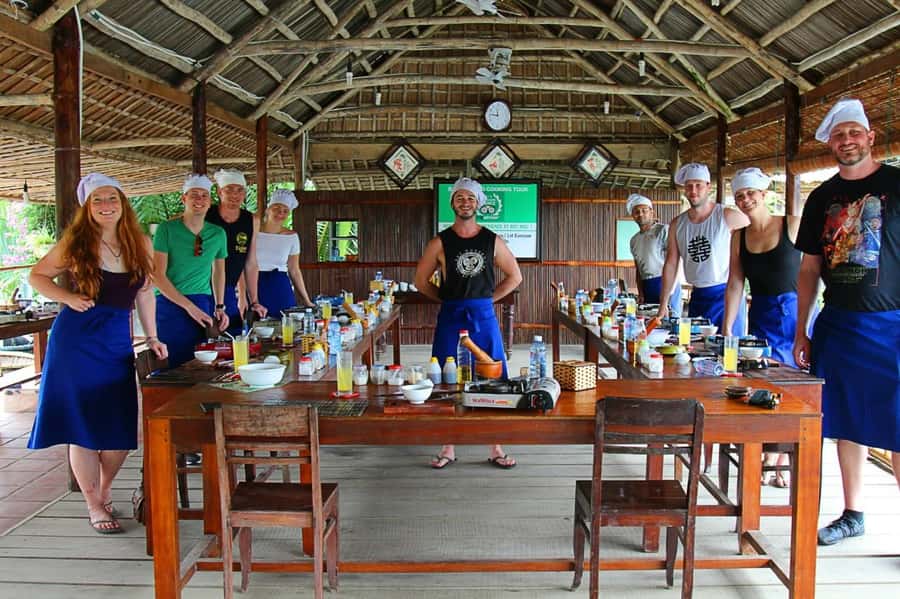
The stilt-house kitchen in the coconut forest isn’t a bland “demo room.” You cook with natural views and open-air energy. The setting matches the food, and you learn faster when your surroundings make sense.
You get proper technique, not just recipes. You’ll pound, separate, and grind ingredients using traditional tools like stone mortars, wooden pestles, and grinders. That includes key rice steps—making rice milk and rice paper—so you understand what’s going on.
You leave with full meals, not tiny samples. The experience is built around making four courses and then eating them. Between the cooking and the tastings, it feels like a solid meal plan for the day.
Key Highlights You’ll Feel Right Away
Hands-on rice prep: pounding, separating, grinding, rice milk, and rice paper
Four-course cooking: including the famous beef noodle soup, Pho
Optional Bay Mau add-ons: local market time and a bamboo basket boat ride
Unlimited drinks: mineral water plus passion fruit juice
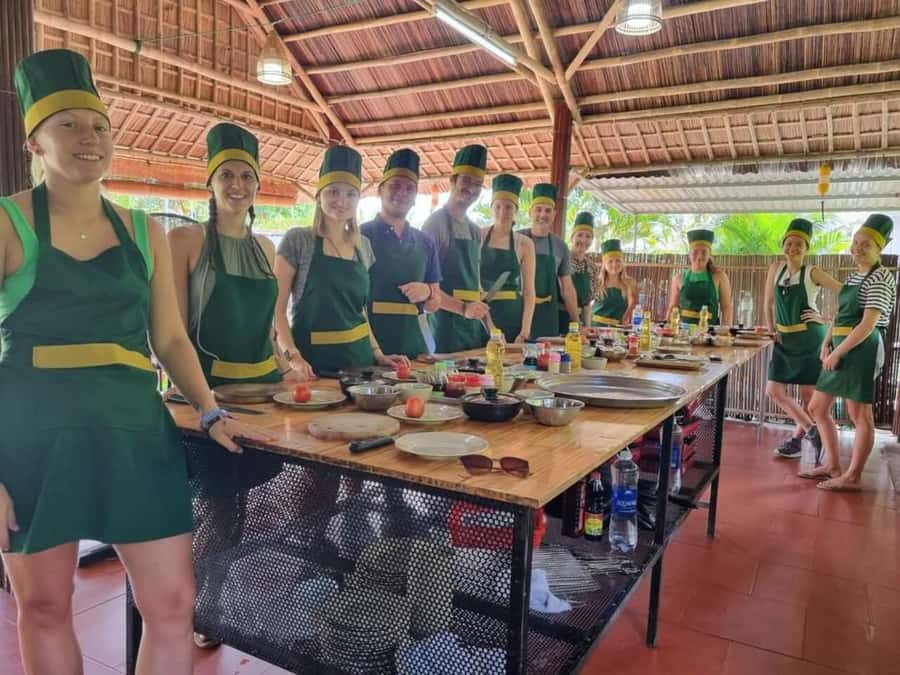
Small-group vibe: a more personal pace with an English-speaking chef-guide
You can also read our reviews of more shopping tours in Hoi An
Entering the Bay Mau Stilt-House Kitchen (With Real Tools)
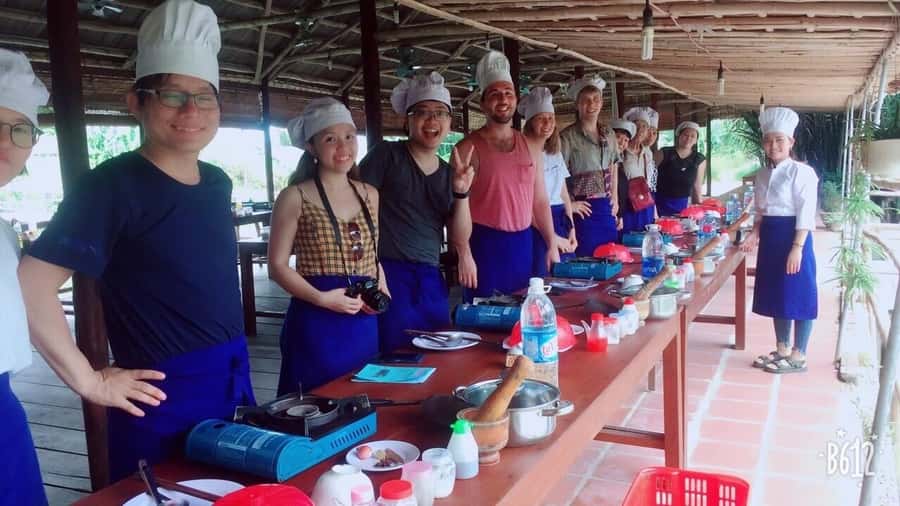
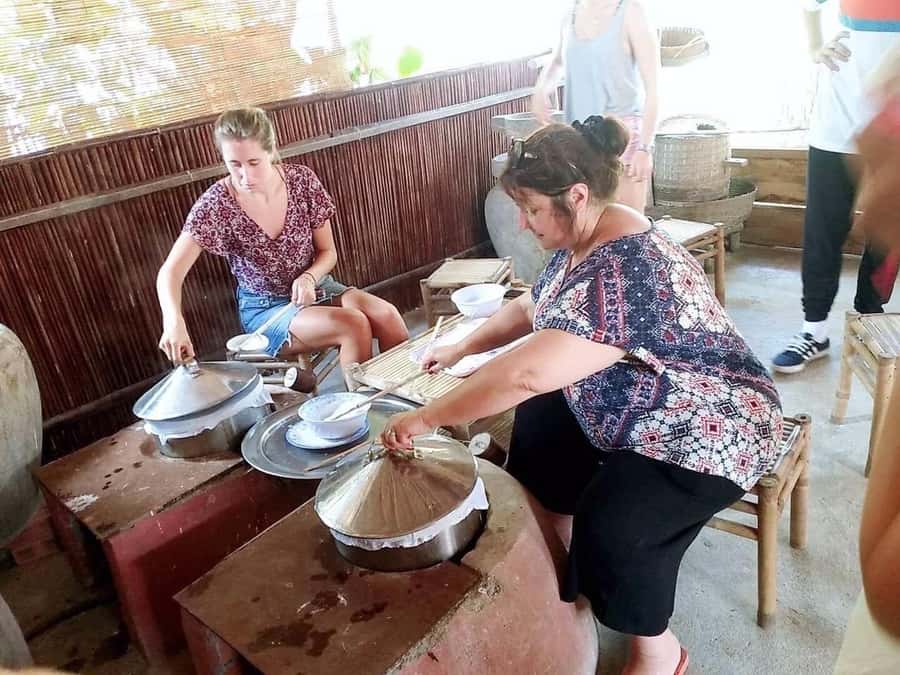
This class centers on cooking in a traditional stilt house in the Bay Mau coconut forest area, and that matters more than you’d think. When you cook in a proper open-air setup, you can smell what you’re working on. You also get a slower, steadier pace for tasks that need hands and patience, like grinding rice and shaping rice paper.
Instead of “watch me and hope it sticks,” you’ll use traditional gear. Expect stone mortar-and-pestle type work, wooden pestles, and grinders made for the textures Vietnamese cooking depends on. Those textures are the point: rice flour that behaves correctly, liquids that emulsify just enough, and springy wrappers that don’t tear.
Bring comfortable shoes. The ground around forest areas can be uneven, and you’ll stand while your group follows instructions and takes turns with tools.
The Flow of the Day: Pickup, Drinks, and How the Class is Structured
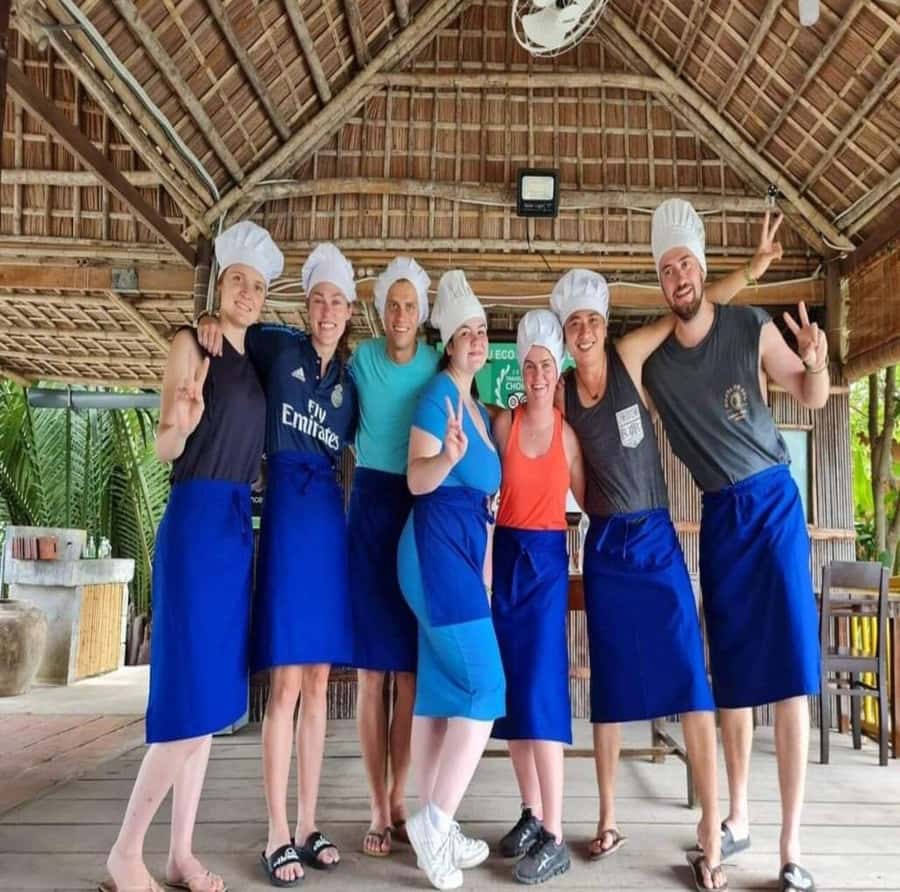
Your experience starts at a meeting point with a name board. From there, you’ll be taken to the cooking class inside the coconut forest. Depending on your option, you may get pickup and drop-off.
Once you’re settled, the best part kicks in: you start cooking with the team, and you’re not stuck waiting around. You’ll have unlimited mineral water and passion fruit juice throughout the session, so hydration is easy and you won’t feel rushed to buy drinks.
Timing runs about 3 to 5.5 hours. That range is normal because starting times vary and the optional market and basket boat segment can change the pace. If you’re the type who likes a clear schedule, check availability before you commit so your day doesn’t get squeezed.
The Optional Market & Basket Boat Combo in Cam Thanh
If you want more than cooking, choose the market and basket boat option. It turns the class into a mini food culture day: source ingredients, then cook them, then float through the coconut waterworld.
Market visit: choosing ingredients like a local
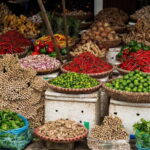
In the market, you’ll pick up ingredients for your cooking class. This isn’t a boring shopping walk. You’ll learn the main parts of Vietnamese cuisine and get a clearer picture of why certain items matter—like fresh herbs, how proteins get treated, and what sauces and staples show up repeatedly.
One smart tip: if you’re doing an afternoon option, the market can be mostly closed. If you want more browsing time and ingredients shopping, the morning slot tends to make more sense.
A few more Hoi An tours and experiences worth a look

Bamboo basket boat ride: Bay Mau coconut village energy
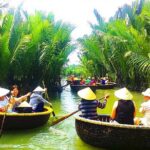
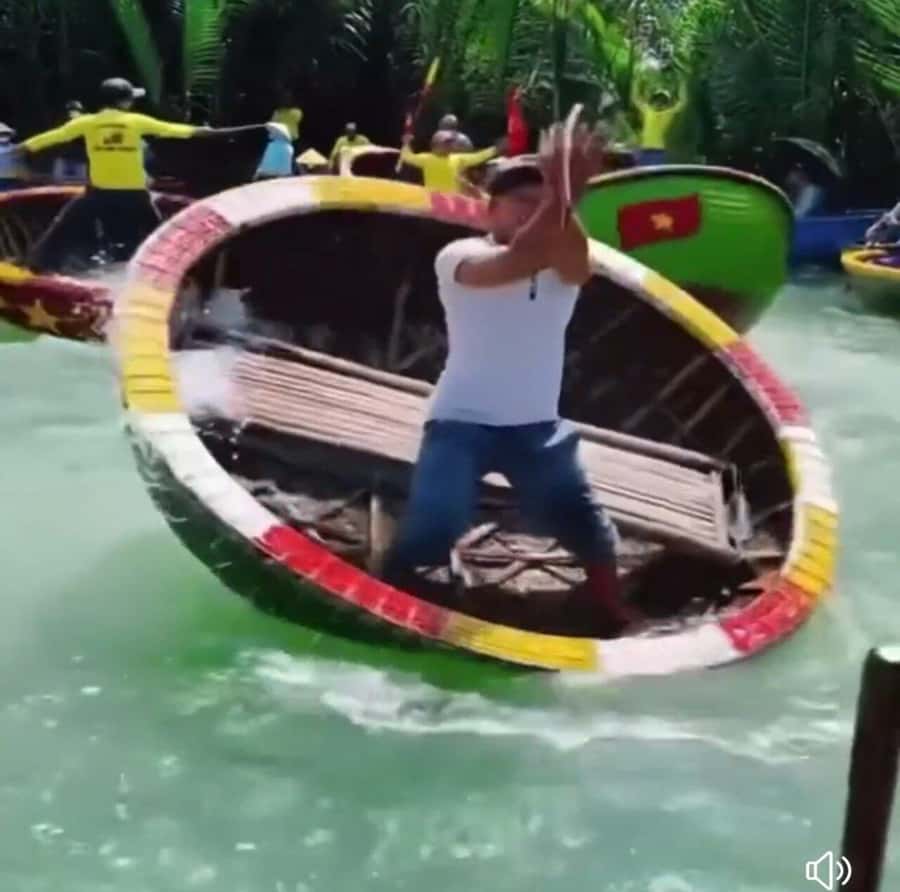
After the market, you head toward the Cam Thanh coconut village area for the bamboo basket boat ride. This is one of those activities that can feel either magical or a little touristy, depending on your mood.
If your priority is just cooking, you can skip this segment by choosing the cooking class only. If you want atmosphere and a break from the kitchen rhythm, the boat ride gives you that Bay Mau look—plus a chance to try fishing-style activities in the area if they’re offered during your visit.
Four Courses and the Vietnamese Techniques Behind Them
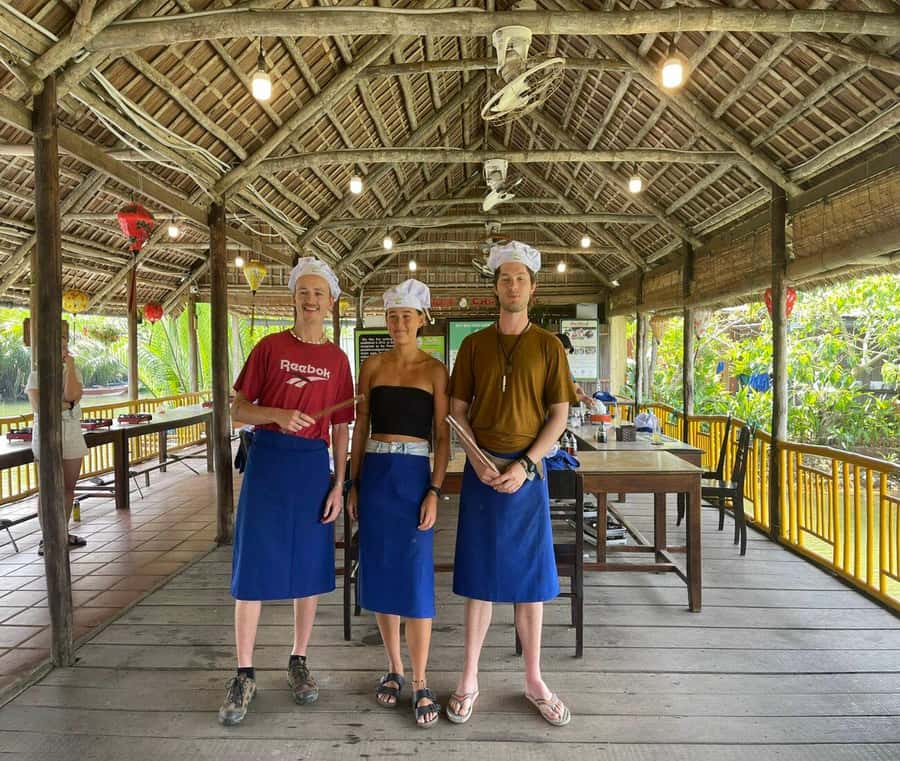
Here’s what makes this class more valuable than the average cooking tour: you’re learning methods that you can actually repeat at home. The menu is built around four dishes, and the famous Pho is part of it.
Rice milk and rice paper: the behind-the-scenes skills
You’ll handle traditional steps that most casual cooking classes skip. You’ll pound and separate rice, and you may grind rice to make rice milk. You’ll also try making rice paper. That’s huge for understanding Vietnamese flavors, because rice-based textures are behind so many dishes.
Even if you’re not a confident cook, the structure helps. In the class, instructors demonstrate the steps and then guide you through the motions with traditional utensils. The goal isn’t perfection; it’s getting the method into your head so your future cooking gets easier.
The four-dish cooking experience (what you’ll likely cook)
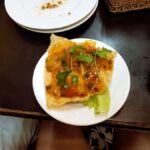
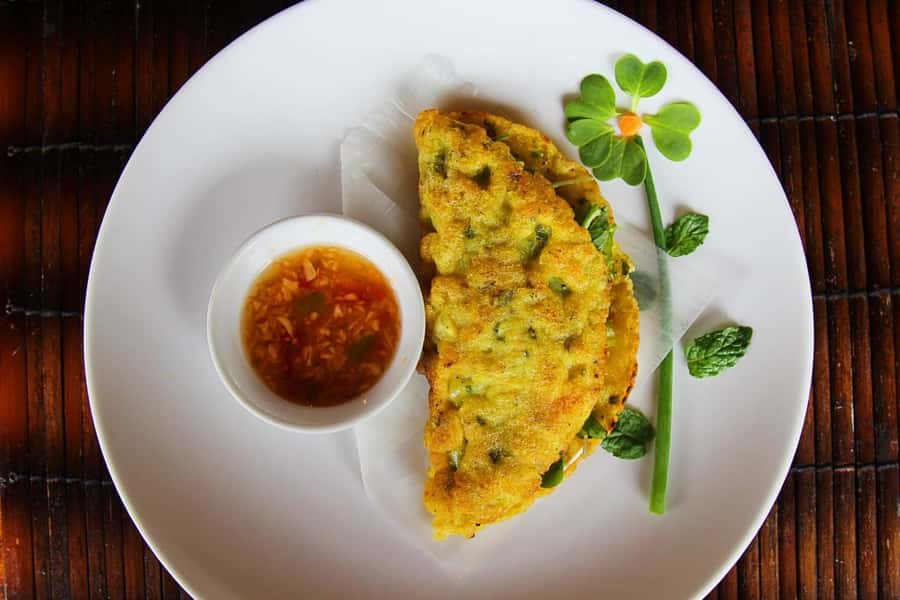
Pho isn’t the only dish. The class teaches you multiple Vietnamese favorites that often include items like beef salad, prawn fresh rolls, and crispy pancakes, alongside the Pho beef noodle soup. Your exact menu can vary, but the pattern stays the same: you’ll learn, cook, and eat four courses built around classic flavors.
What I like is how the class doesn’t treat dishes as isolated recipes. You’re building skills—working with herbs, balancing sauces, handling wrappers, and timing cooking stages so everything ends up on the plate together.
Learning by doing, with a patient chef-guide
Small-group setups keep the pace manageable. Many guides are English-speaking, and the teaching style aims for clear steps you can follow.
From what I’ve seen in similar classes, the real difference comes from how they correct hands-on mistakes. Here, you’ll get guidance for texture and timing, and you’ll hear the why behind the how—especially for rice-based work.
If anyone in your group has dietary needs, tell the operator ahead of time. The class can adjust for gluten free situations and other allergy or diet types based on group requirements.
Lunch or Dinner: Eating Your Own Work in the Open Air
Food is the finish line, and it’s built into the pricing. You’ll get lunch for morning slots or dinner for afternoon slots.
What you’ll eat isn’t just one dish. It’s four courses from your own cooking. That makes the meal feel earned, not like a random included extra.
A practical note: because you’re cooking and tasting, you may not need to plan a big dinner after. If you’re staying in central Hoi An, you’ll likely still want to snack later, but your appetite should be well covered.
And yes, the chopstick souvenirs are a small touch, but they’re handy. You’ll use them when you start cooking your next Vietnamese meal at home.
Transport and Pace: Smooth, but Plan for a Half-Day
One reason people rate this class so highly is that the logistics don’t drag. You’re met at the meeting point and moved to the cooking area without chaos. Then, after the class, you end back at the meeting point.
The pace is efficient. You’ll have enough time to learn and cook without feeling like you’re stuck in transit all day. Still, it is a “half-day” commitment. If you’re trying to fit in other major activities, treat this as the anchor activity.
If you choose the market plus boat option, be ready for more movement and schedule pressure. The upside is you’ll see where the ingredients come from and get a Bay Mau coconut-forest break from the kitchen.
Price vs. Value: Is $26 Really a Good Deal?
At about $26 per person, this class can be great value in Hoi An—mostly because you’re paying for more than a cooking demo.
You’re getting:
- Four full courses you eat after cooking
- Unlimited drinks (mineral water and passion fruit juice)
- Traditional technique instruction (rice milk and rice paper work)
- An option that can include a market visit and a basket boat ride
- A small souvenir (chopsticks)
In other words, you’re paying for instruction plus a complete meal experience in a scenic setting. If you only do the cooking portion, it still tends to feel worth it because four dishes plus included ingredients usually costs more when done separately.
If you’re comparing alternatives, think about what you’d spend if you hired a guide for a market walk and then paid for hands-on cooking elsewhere. Here, those parts are bundled.
Who Should Book This Class (and Who Might Skip It)
This is a strong pick if you:
- Want a hands-on cooking experience with real Vietnamese techniques
- Like the idea of learning Pho and other classics in a practical way
- Prefer small-group settings with an English-speaking guide
- Want a scenic break in the coconut forest, not a city-kitchen workshop
You might want to skip or adjust your expectations if you:
- Only care about cooking and dislike tourist-style add-ons. In that case, choose the cooking-only option.
- Have a strict schedule. The 3 to 5.5-hour duration can fill a morning or afternoon fast.
- Need wheelchair accessibility. This one isn’t suitable for wheelchair users.
Practical Tips to Make Your Class Easier
- Wear comfortable shoes. You’ll be standing and moving around a forest-area setting.
- If you have dietary needs (like gluten free), mention them ahead of time so the kitchen can plan.
- If you want a fuller market experience, aim for the morning option since afternoon markets can be more limited.
- Come with an open mind. Rice milk and rice paper can feel technical, but the class format is designed to guide you through the process.
Should You Book the Hoi An Bay Mau Cooking Class?
If your goal is to go beyond a photo stop and actually learn Vietnamese cooking you can repeat, this is an easy yes. The combination of four-course cooking, traditional rice techniques, and the option for a market plus bamboo basket boat ride gives you a lot for the money.
If you hate the idea of mixing sightseeing with cooking, book the cooking-only version and let the forest setting do the work. If you love both food and atmosphere, the full Bay Mau experience is the better choice.
Either way, you’ll leave with the confidence that comes from making dishes yourself—especially Pho—and that’s the part worth paying for.
FAQ
How long does the Hoi An Bay Mau cooking class take?
It runs about 3 to 5.5 hours, depending on the option you choose and the starting time.
Is the market visit and basket boat ride optional?
Yes. You can choose the cooking class only, or select the option that adds a local market visit and a bamboo basket boat trip.
What dishes do you cook?
You cook four courses, and the famous Pho (beef noodle) soup is included. Other dishes in the class can include items like beef salad, prawn fresh rolls, and crispy pancakes.
Are drinks included?
Yes. Mineral water and passion fruit juice are included, and the supply is unlimited.
Do you get lunch or dinner?
Yes. Lunch is included for the morning slot, and dinner is included for the afternoon slot.
Do you get pickup and drop-off?
Pickup and drop-off are included if you select the option that includes transport.
What do I need to bring?
Wear comfortable shoes.
Is it wheelchair accessible?
No, it is not suitable for wheelchair users.
Are there age limits for children?
Children under 4 can attend free of charge, but they will not participate in the cooking. There is also a limit of 1 child per 2 adults.
Is there any extra charge on public holidays?
Yes. Booking on a public holiday in Vietnam can include a surcharge of 200,000 VND per person, paid by cash.