REVIEW · HANOI
From Hanoi: 2-Day Overnight Sapa Tour by Limousine
Book on GetYourGuide →Operated by Crossing Vietnam Tour · Bookable on GetYourGuide
Sapa turns real after a guided two-day hike. I love how this tour blends Black H’mong village trekking with real time in Sapa at night, and my biggest win was having guide AI keep the pace friendly and the stories accurate.
One watch-out: early pickup and transport quality can vary, so plan for possible pickup timing hiccups and expect a long, bumpy road up from Hanoi.
In This Review
- Key highlights worth your attention
- Why this overnight Sapa tour beats day trips
- Price and value: what $150 covers (and what it doesn’t)
- From Hanoi to Sapa: pickup timing and the road reality
- Day 1: Sin Chai and the Black H’mong village rhythm
- Dinner, night strolls, and hotel sanity
- Day 2 trekking: Muong Hoa valley to Y Linh Ho and Lao Chai
- Ta Van Dzay village: terraces plus house architecture
- What to pack: warmth, shoes, cash, and insect repellent
- Comfort and limits: who this tour is best for
- The practical itinerary flow (so there are no surprises)
- Should you book this overnight Sapa trek from Hanoi?
- FAQ
- How long is the 2-Day Overnight Sapa Tour from Hanoi?
- Where do you get picked up in Hanoi?
- What villages are visited during the trek?
- Is an English-speaking guide included?
- What meals are included?
- What kind of hotel stay is included in Sapa?
- Is day 2 trekking always long?
- What should I bring for Sapa’s weather?
Key highlights worth your attention
- 9-seater limousine roundtrip cuts down the hassle of finding your own transport from Hanoi
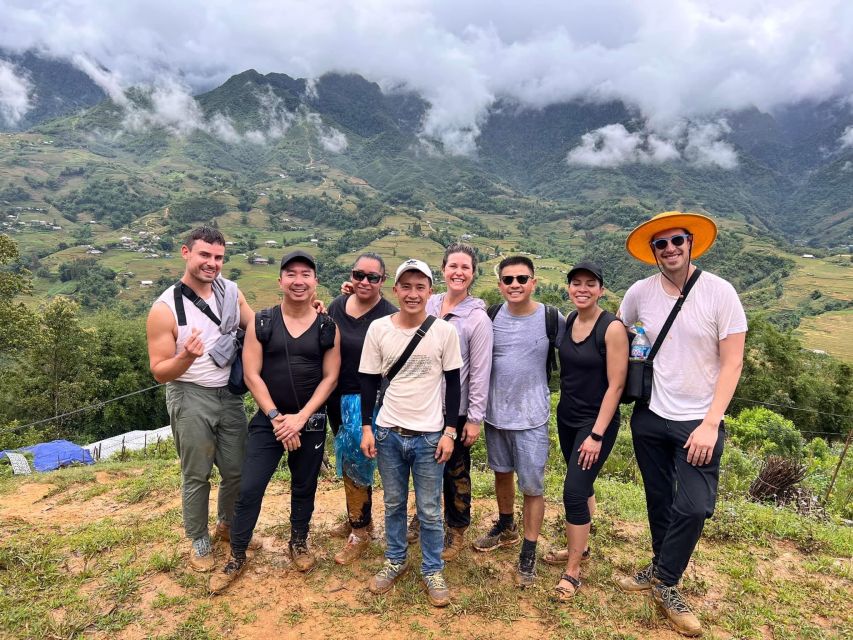
- Guided village treks to Sin Chai, Y Linh Ho, Lao Chai, and Ta Van (with cultural context, not just photos)
- Muong Hoa valley walking gives you that classic Sapa rhythm: down valleys, through terraces, back with views
- Overnight hotel + meals included means you’re not scrambling for dinner or lunch logistics
- Realistic trekking guidance if you want to shorten day 2 (the leader can arrange an alternative)
Why this overnight Sapa tour beats day trips
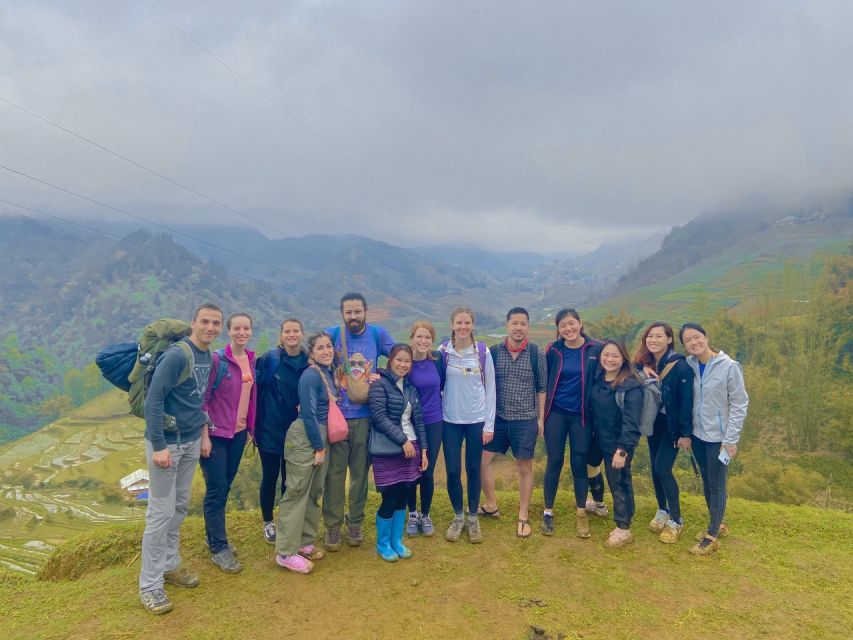
Sapa day trips are intense. You end up spending more time on the road than on the trails. This 2-day overnight format gives you something more useful: a full mountain day plus a second morning in the valley.
You also get the slow-down factor. After the long drive, you’re not pushed immediately into a hike. Day 1 includes hotel lunch, check-in, rest time, then a downhill trek to a village where daily life still looks simple and rural.
A few more Hanoi tours and experiences worth a look

Price and value: what $150 covers (and what it doesn’t)
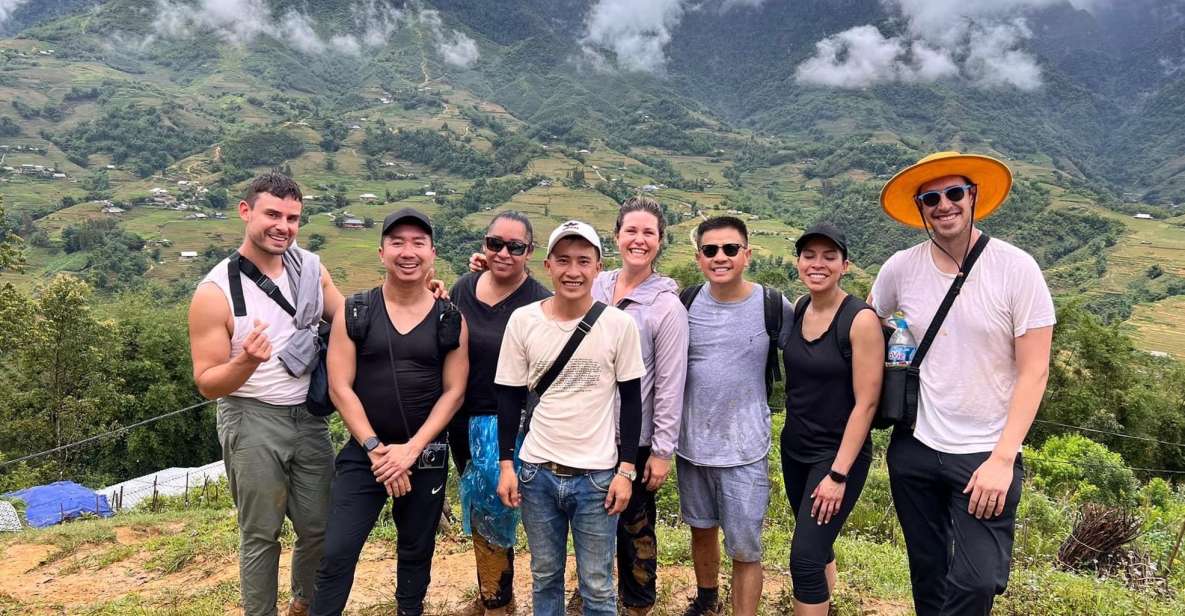
At about $150 per person, the value is in what’s already handled. You’re paying for roundtrip shared limousine transportation, hotel pickup and drop-off in Hanoi’s Old Quarter, local transfers in Sapa, an English-speaking guide, and 1 night of accommodation (3 or 4-star depending on your option).
You also get food and access covered: 1 breakfast, 2 lunches, and 1 dinner, plus entry tickets to the stops mentioned. Drinks and personal expenses are not included, so budget a bit extra for water, snacks, and any shopping you can’t resist.
If you’re a solo traveler, there can be a single supplement. It’s common for tours like this, because rooms are priced for two. Just make sure you factor that in so your real total matches your expectations.
From Hanoi to Sapa: pickup timing and the road reality
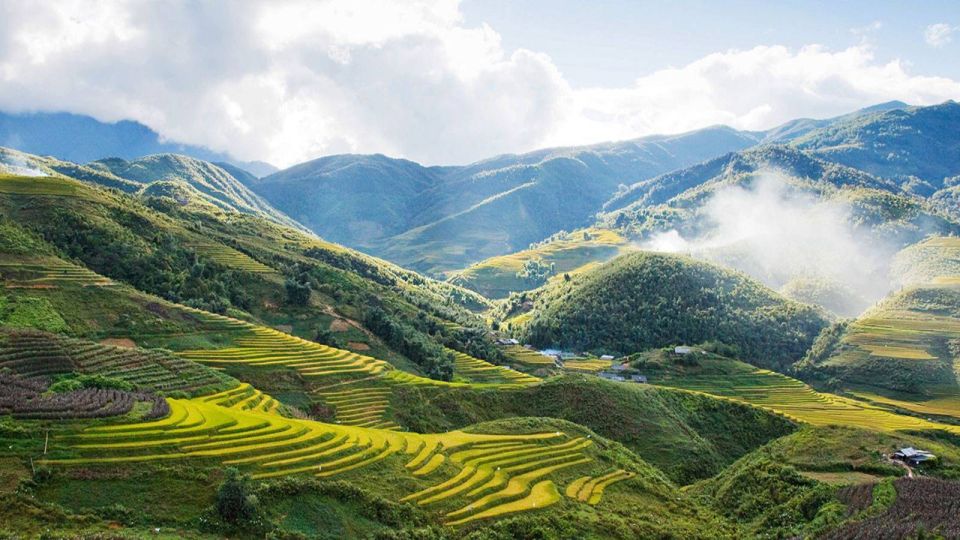
Pickup is in the Old Quarter area (Hoan Kiem district), around 6:30–7:00 AM. The drive is about 6 hours, and the schedule includes two restroom stops and time for a light meal if you need it.
Comfort is a mixed bag, depending on the exact vehicle used for your departure. The tour is described as a 9-seater limousine, and many people find the seating comfortable with decent leg space. Still, some departures can involve a sleeper-bus style setup, and that’s where quality can vary. My practical advice: when you confirm, ask what vehicle you’ll be on and what the seating setup looks like.
Either way, plan for “road day” conditions. The drive to northern Vietnam’s mountains can be bumpy, and you’ll feel it more if you’ve stayed up late the night before.
Day 1: Sin Chai and the Black H’mong village rhythm
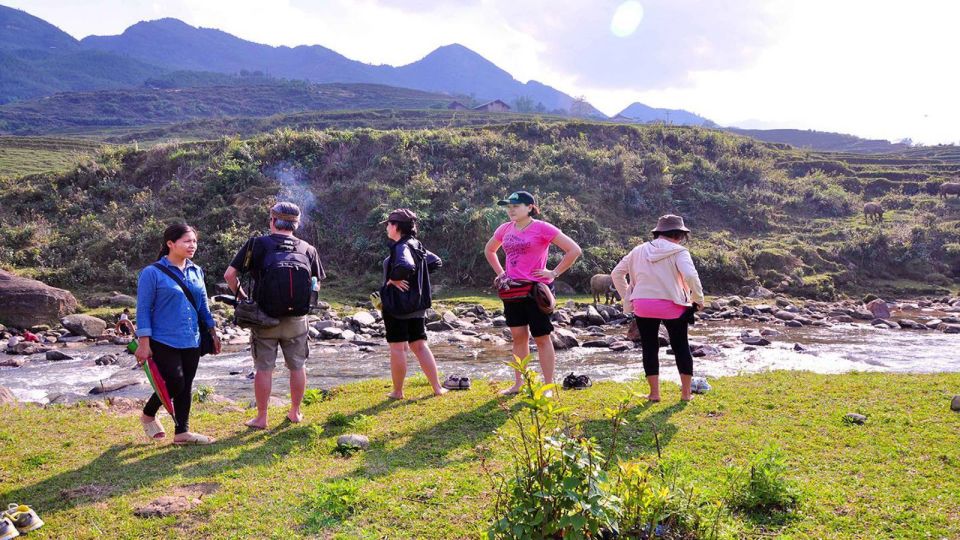
After arrival, you’ll have lunch at the hotel restaurant, then check in and rest. That rest window matters. Sapa mornings and trekking afternoons feel colder than Hanoi, and you’ll enjoy day 1 more if you’re not rushing.
In the afternoon, the trek goes downhill about 4 km toward the south-west of Sapa to Sin Chai village, home to the Black H’mong. Sin Chai is more than 2 km from the center of Sapa town, so it feels a little quieter and more “out there” than the most central viewpoints.
This is one of the tour’s best parts: you’re not just walking past houses. You’re learning how people live and what customs look like on an everyday scale. A strong guide makes a difference here, and having guide AI along the route can turn short stops into real understanding.
On the way back, you transfer by van to your hotel, so you’re not repeating the same climb in reverse. You’ll freshen up before dinner, usually around 6 PM, then get free time to explore Sapa at night.
That night free time is small, but it’s nice. You can hunt down simple comfort food like roasted corn and baked eggs beside a charcoal fire, or do some shopping in town. It’s also a good chance to get a warm layer on before day 2.
Dinner, night strolls, and hotel sanity
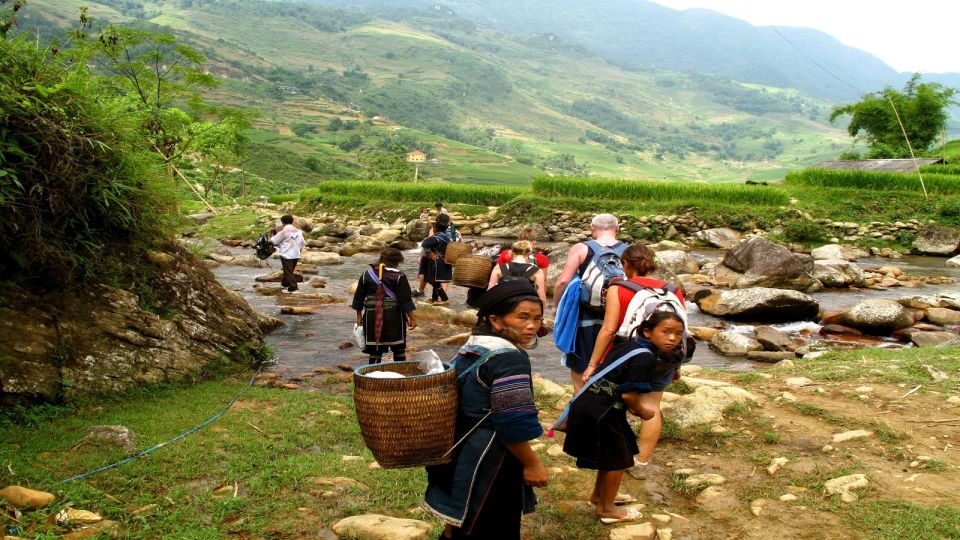
Your overnight stay is in a 3 or 4-star hotel in Sapa depending on what you select. For many people, this is the practical win: you can sleep somewhere predictable after a long drive and an afternoon trek.
Dinner is included, so you avoid the classic Sapa trap of wandering hungry while everything feels crowded or confusing. After that, the tour leaves room for you to choose your own pace—quick strolls, browsing, or just resting early.
Because Sapa altitude can make the air feel sharper, I’d treat night as a “reset” rather than a party. You’ll want energy for day 2, especially if weather turns misty.




Day 2 trekking: Muong Hoa valley to Y Linh Ho and Lao Chai
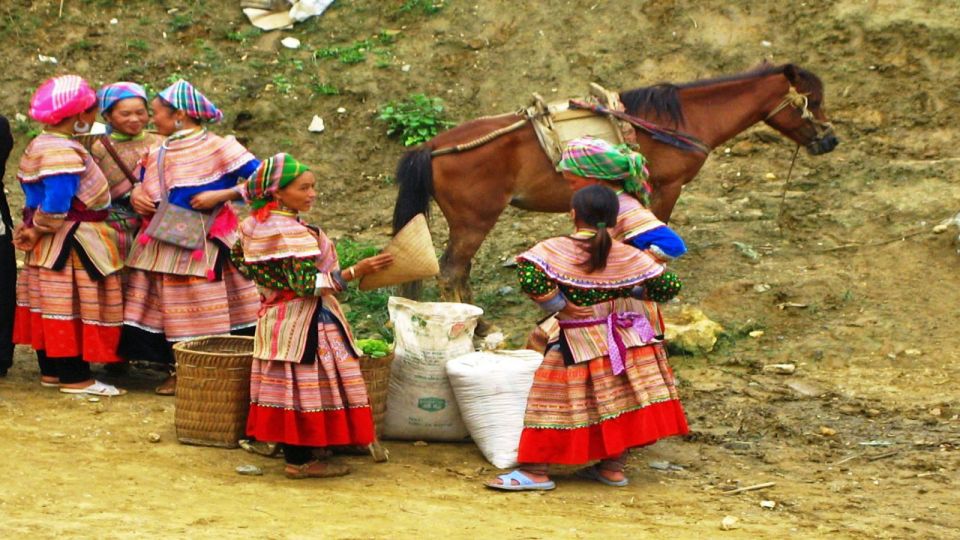
Day 2 starts with breakfast at the hotel. Then the trek goes about 6 km downhill to the south-east of Sapa along the side of the Muong Hoa valley to Y Linh Ho village of the Black H’mong.
After Y Linh Ho, you continue another 2 km trekking to Lao Chai, also associated with the H’mong people. This stretch is where the walking becomes more “real hiking,” because you’re combining distance with valley slopes and changing footing.
As you go, watch for terraced rice fields. They’re not only scenic; they show you how people shape the hillsides to farm in a narrow window of conditions. A guide who explains what you’re seeing helps a lot, and this tour is built around that kind of interpretation.
Weather matters here. If it’s cloudy or rainy, trails can feel slippery even if you’re not going straight uphill. Bring shoes with grip, not just something that looks good.
Ta Van Dzay village: terraces plus house architecture
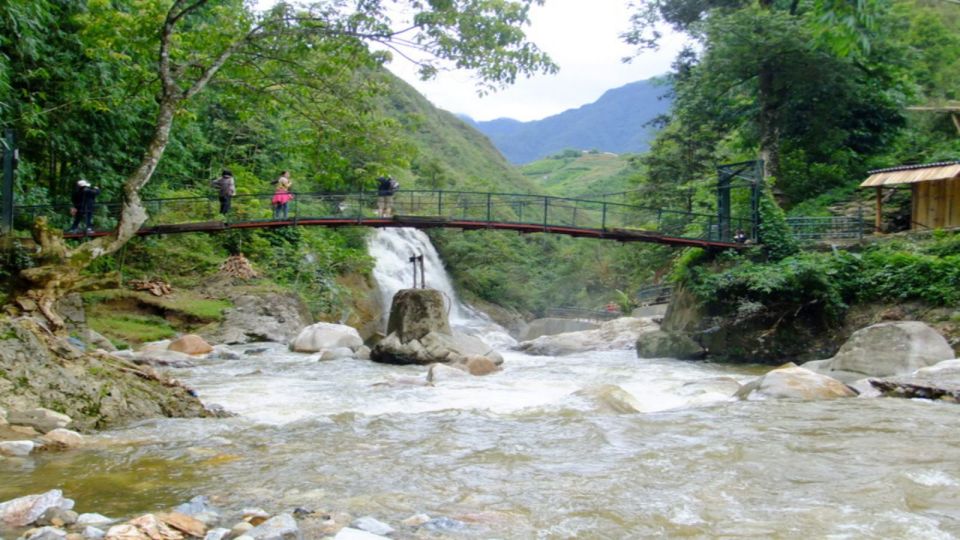
From Lao Chai, the route continues through terraced rice fields to Ta Van village, home to the Dzay minority people.
Ta Van is the more “architecture + daily life” stop. The tour specifically points out that you’ll have a chance to learn about local house architecture, and how homes reflect daily routines and custom. This is the kind of detail that turns a trek into a cultural visit, instead of only a photo walk.
If you’re pacing yourself well, this segment often feels like the reward. You’ve already walked the valley stretches, so reaching Ta Van feels like arriving rather than just passing through.
If you don’t want the long day 2 trek, there’s an important option: the tour leader can arrange a visit to another place. You’d be responsible for any tickets and transportation fees for that alternative. It’s a solid safety valve if your body isn’t cooperating.
Also note the long trek can be up to 9 km and is described as challenging and dangerous in rain. Older people should not do the long trek. If you’re traveling with someone in that category, plan to take the shorter approach.
What to pack: warmth, shoes, cash, and insect repellent
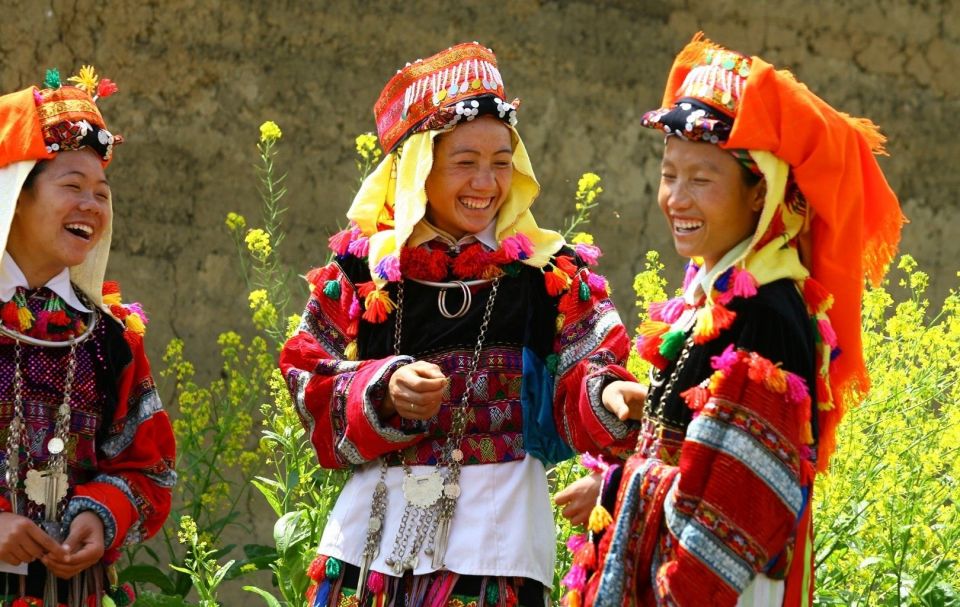
Sapa weather is unpredictable. It’s typically cold from September to March, and fog can happen from December to March. You’ll feel this the most on day 2 while you’re moving slowly downhill.
Pack for layers:
- Warm clothes and a scarf
- A hat or cap
- Sunglasses
- Insect repellent
Footwear is non-negotiable. The trek involves uneven paths, and grip matters if trails are damp. Comfortable shoes are included in the “bring” list for a reason.
Bring your passport or ID card. You’ll also want cash in Vietnamese Dong because banking systems in Sapa can sometimes fail. US Dollars, Euros, and Australian Dollars are accepted in Sapa, but having Dong ready makes life easier.
Finally, bring a small medical kit. There are chemists, but if you get sick at altitude, convenience helps.
Comfort and limits: who this tour is best for
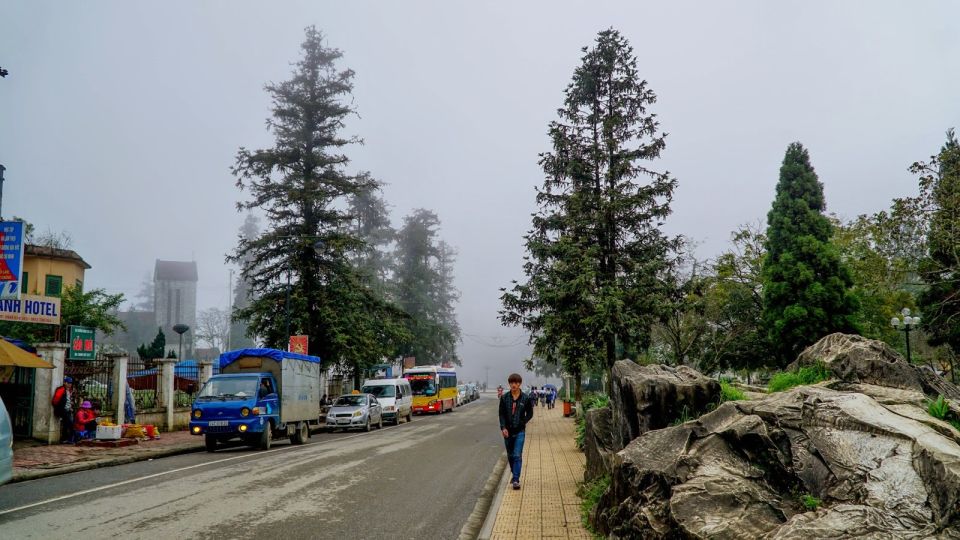
This tour suits people who want a structured, guided Sapa experience without doing all the logistics themselves. If you like ethnic minority villages and you’re okay with active walking, you’ll probably enjoy the pace.
It’s especially good for travelers who don’t want a “hardcore trek only” day. Day 1 has a downhill trek with a van return, and day 2, while longer, has a built-in option to shorten if needed.
It’s not suitable for people with mobility impairments or wheelchair users. Also, pets are not allowed.
If you’re the type who hates tight timelines, the long drive and the 2-day schedule might feel rushed. On the flip side, if you enjoy morning starts and want to cover real ground, this structure can feel satisfying.
The practical itinerary flow (so there are no surprises)
Here’s the rhythm in plain terms, so you know what your energy will be doing:
- Early pickup in Hanoi (around 6:30–7 AM) and a roughly 6-hour drive with breaks
- Lunch on arrival, hotel check-in, rest, then a downhill trek to Sin Chai
- Dinner in Sapa, then free time at night
- Breakfast, then a longer downhill day through Y Linh Ho and Lao Chai, finishing near Ta Van
- Return by around 2 PM, then limousine back to Hanoi (drop-off around 8:30–9 PM)
That last part matters: you’re not sleeping in after day 2. You’ll come back to Hanoi late evening, which is ideal if you want the trip to end cleanly, but not ideal if you planned to “stay out” after getting home.
Should you book this overnight Sapa trek from Hanoi?
I’d book it if you want the best of both worlds: a guided window into Black H’mong and Dzay village life plus overnight time in Sapa so the whole trip doesn’t feel like a rushed photo mission. The guide component is a major part of the experience, and having someone like AI along the route can make the villages feel more understandable.
I’d hesitate if you’re very sensitive to transport hiccups. Early pickups can run late, and vehicle setups can vary. Also be honest about day 2 walking. If rain is possible and you or your travel partner isn’t comfortable with a potential 9 km trek, choose the shorter alternative when offered.
If you go prepared with warm layers, grippy shoes, and cash in Dong, you’ll be set for an experience that feels grounded in daily life rather than just scenery.
FAQ
How long is the 2-Day Overnight Sapa Tour from Hanoi?
The tour runs for 2 days, with pickup in Hanoi on day 1 and drop-off back in Hanoi on day 2.
Where do you get picked up in Hanoi?
Pickup is included from hotels in the Old Quarter area (Hoan Kiem district).
What villages are visited during the trek?
You’ll visit Sin Chai, Y Linh Ho, Lao Chai, and Ta Van villages.
Is an English-speaking guide included?
Yes. The tour includes an English-speaking guide in Sapa.
What meals are included?
You get 1 breakfast, 2 lunches, and 1 dinner.
What kind of hotel stay is included in Sapa?
The tour includes 1 night in a hotel in Sapa, either 3-star or 4-star depending on the option you choose.
Is day 2 trekking always long?
Day 2 includes a long trek option that can be challenging (9 km). If you do not want the long trek, the tour leader can organize an alternative visit, and you’ll cover any tickets and transportation fees.
What should I bring for Sapa’s weather?
Bring warm clothes, a scarf, and a hat or cap. Also bring comfortable shoes, sunglasses, insect repellent, and your passport or ID card. Cash in Vietnamese Dong is recommended.


More 2-Day Experiences in Hanoi
- Doris Cruise 5 star cruise 2 days visiting Halong Bay Lan Ha Bay private balcony
★ 5.0 · 2,338 reviews