REVIEW · HOI AN
Farming- Market- Coffee- Cooking (JHA1)
Book on Viator →Operated by HPT TRAVEL COMPANY LIMITED · Bookable on Viator
Shopping for dinner in Hoi An feels personal. This Farming–Market–Coffee–Cooking class traces flavors from garden to market to your own plate, with plenty of time talking life with locals at a relaxed pace. I especially liked the hands-on feel, from picking ingredients to cooking them yourself, rather than watching from the sidelines.
What I love most: first, the farmer time at Trà Quế Vegetable Village, where you spend about 30 minutes learning how real Vietnamese agriculture works. Second, I liked that you cook four typical dishes in Jolie’s home after shopping earlier in the day, so the day turns into a meal you truly understand. The tour also welcomes vegetarians using vegetarian ingredients, which makes it easier to plan.
One possible drawback: this experience runs on a set schedule and depends on good weather, so if conditions aren’t right you may be offered another date or a refund.
In This Review
- Quick hits you’ll actually care about
- A 5-hour garden-to-table rhythm in Hoi An
- Trà Quế Vegetable Village: learning farming the simple way
- Market shopping in Hoi An: buying smarter, not just buying more
- The coffee break: a reset before you cook
- Jolie’s home: welcome drink, local stories, then real cooking
- Cooking 4 typical dishes (and why it’s better than one)
- Vegetarian-friendly without fuss
- Passion fruit juice, water, and the optional guitar moment
- Price and logistics: what you’re paying for (and what to confirm)
- Who this experience suits best
- Should you book Farming–Market–Coffee–Cooking in Hoi An?
- FAQ
- Is the cooking class vegetarian-friendly?
- What’s included with the $60 price?
- How long is the experience?
- Where do I meet the host?
- Do I get pickup from my hotel?
- What if the weather is bad or the tour can’t run?
Quick hits you’ll actually care about
- Trà Quế farmer visit (about 30 minutes) to see local growing life up close
- Market shopping with ingredient guidance so you buy the right stuff for cooking
- Coffee stop built into the flow to slow down and trade stories
- Cook 4 typical dishes in Jolie’s home using the ingredients you selected
- Free-flow passion fruit juice and filtered water included in the tour price
- Maximum 2 travelers for a more personal, low-rush experience
A 5-hour garden-to-table rhythm in Hoi An
If you want a cooking class that feels like part of real daily life (not just a demo), this one makes sense. In about five hours, you move through three key “food moments” in Hoi An: where produce comes from, how you pick it at a market, and how it becomes dinner.
I like that the pacing is structured but not frantic. You start at 53 Đinh Tiên Hoàng (Sơn Phong, Hội An) and end back there after a free drop-off. Along the way, you get a welcome drink, a coffee break, and the chance to play guitar if you can—an oddly charming detail that fits the relaxed, artsy vibe of central Hoi An.
This tour is also practical for planning. It’s priced at $60 per person, runs around a half-day, and keeps group size small (up to 2 travelers), which usually means you’ll spend more time asking questions and less time waiting your turn.
You can also read our reviews of more shopping tours in Hoi An
Trà Quế Vegetable Village: learning farming the simple way
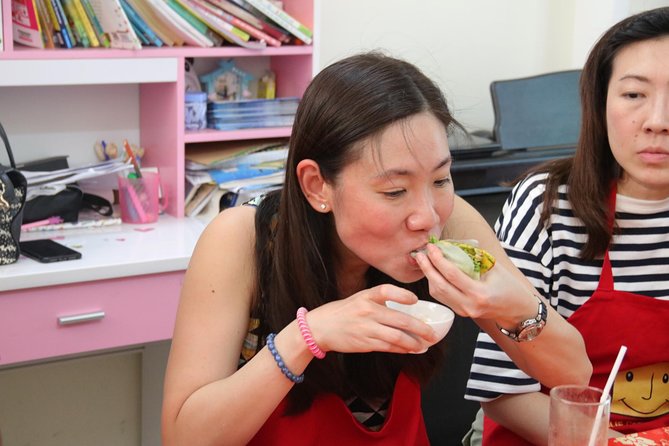
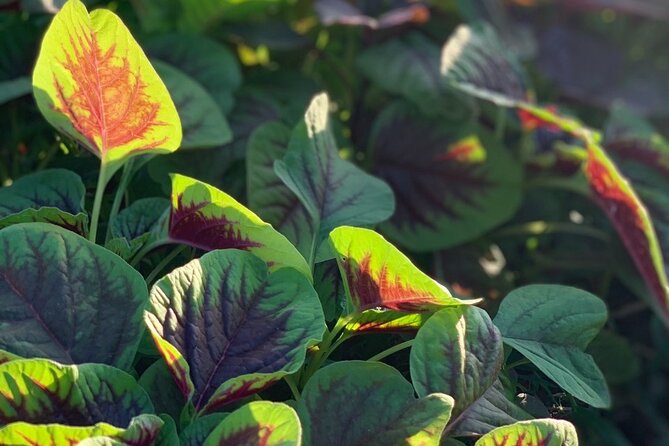
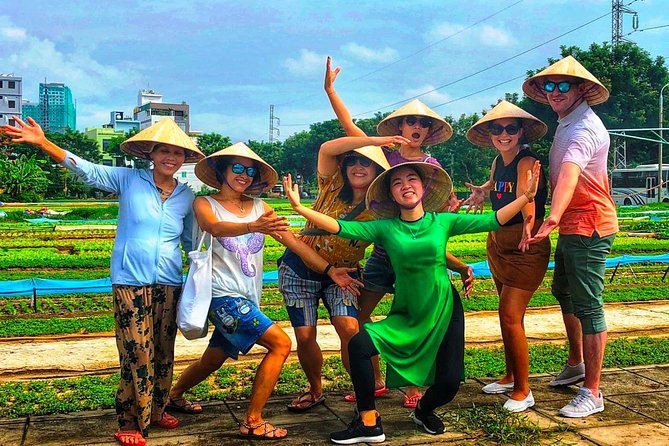
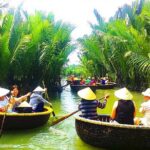
Your day kicks off in the organic garden area in Hoi An, specifically tied to Trà Quế Vegetable Village. You’ll spend roughly 30 minutes with local farmers, and the point isn’t to lecture you—it’s to help you understand the day-to-day reality behind what ends up on plates.
This stop is valuable because it changes how you see ingredients. Instead of thinking of herbs and vegetables as items on a shelf, you start connecting them to how they’re grown and why locals choose them. Even if you’re not a “food wonk,” you’ll likely notice that your market shopping gets easier after you’ve seen the farming side.
One practical tip: wear shoes you don’t mind getting a little dirty. Gardens and vegetable villages aren’t sterile places. Comfortable clothes also help because you’ll be close to the growing environment during that farmer time.
Market shopping in Hoi An: buying smarter, not just buying more
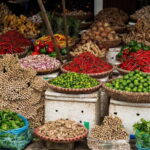
After the garden visit, you head to the local market in Hoi An. This is where the class becomes more than a kitchen activity. You’ll buy the fresh products needed for your cooking session and learn how Vietnamese shopping works in a real, everyday setting.
For me, the best market moments happen when you understand the “why.” You’re not just collecting ingredients; you’re learning what to look for and how selection connects to the final dishes. The guidance here matters because cooking depends on using the right veg, herbs, and basic aromatics in the right form.
Because the group is small, you’re more likely to get personal attention while choosing ingredients. That’s a big deal if you’re cautious about unfamiliar produce. You can ask what something is, how it’s used, or what it tastes like once cooked.
The coffee break: a reset before you cook
Around mid-morning, you take a break for a cup of coffee at a local shop. This part is more than a sugary pause. It’s time to sit, breathe, and swap stories with others while the day’s momentum slows down a notch.
Coffee matters in this kind of class because it helps you transition from “shopping mode” into “cooking mode.” If you’ve been walking markets and thinking about ingredients, a short sit-down can make the rest of the afternoon feel easier and more enjoyable.
Also, you get practical hydration in the overall experience. You’ll have filtered water included, and the tour includes free-flow fresh passion fruit juice later on. That keeps the day comfortable, especially if you’re visiting in warmer hours.
Jolie’s home: welcome drink, local stories, then real cooking
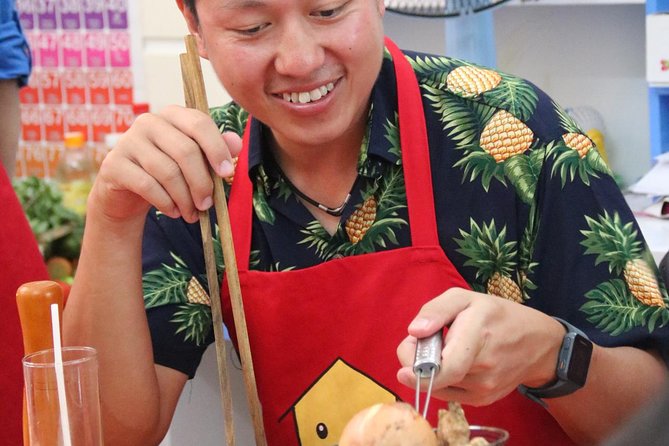
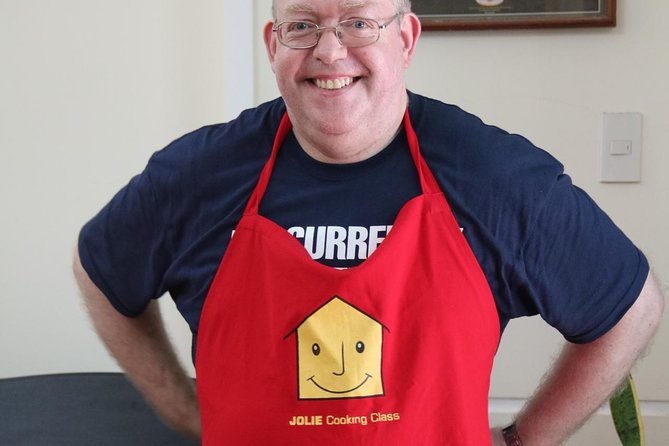
Cooking happens at Jolie’s home, where you’ll receive a welcome drink and hear stories about local life. This is the part many people expect from a cooking class, but it’s also where the experience earns its charm.
The host-led stories give context, and context is what makes cooking feel meaningful. You’re not just learning techniques. You’re learning how people think about food—what’s normal, what’s seasonal, and what’s worth valuing.
A few more Hoi An tours and experiences worth a look

Cooking 4 typical dishes (and why it’s better than one)
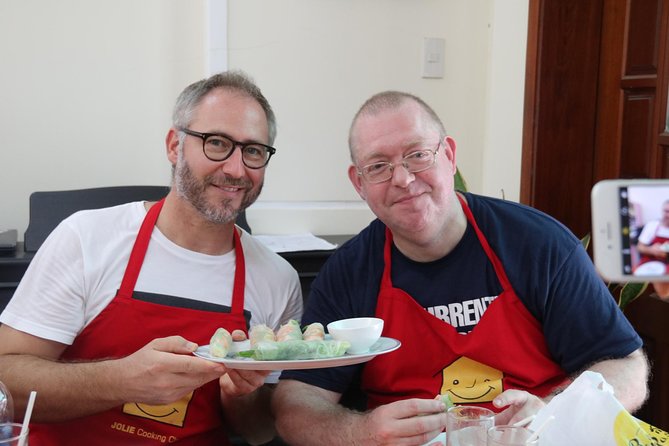
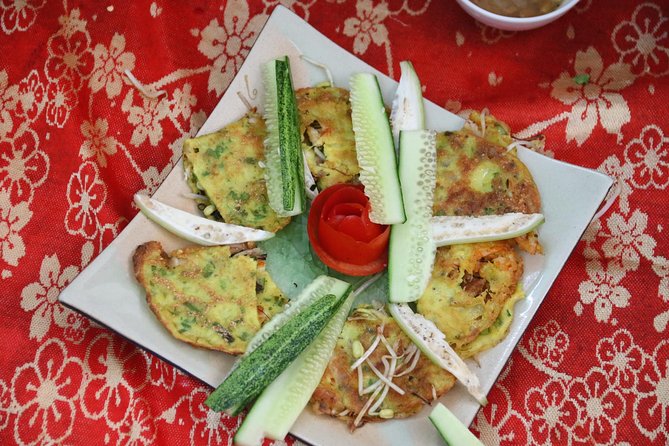
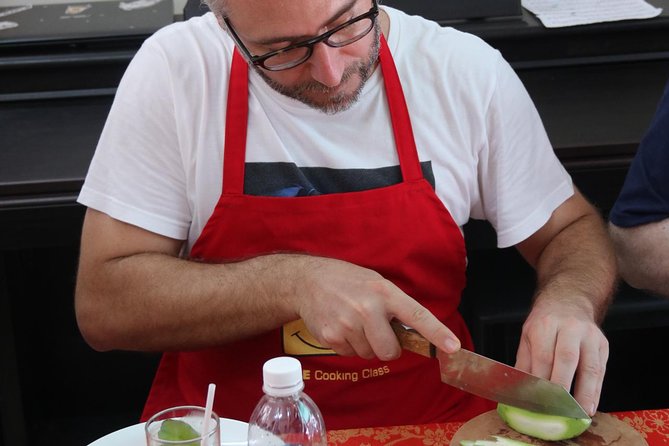
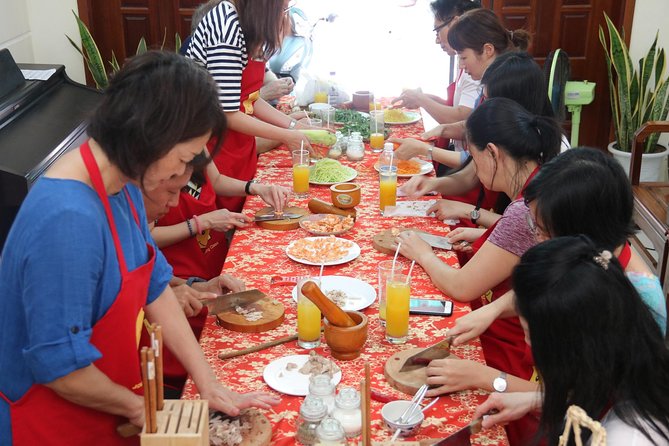
The class has you cook four typical dishes using the ingredients purchased earlier. Four dishes is an ideal number: enough to taste variety, but not so many that you feel rushed or overwhelmed.
This structure also helps your brain connect dots. You choose ingredients at the market, you see them grown earlier, and then you cook them into meals you understand. That “loop” is what makes the day feel like a full experience rather than a workshop with a final meal.
You’ll also eat what you cook around 12:30, with the tour offering lunch or dinner depending on your option. Either way, the payoff is the same: you get to sit down and enjoy food made by your own hands.
Vegetarian-friendly without fuss
All vegetarians are welcome with vegetarian ingredients. That’s important because cooking classes sometimes act vegetarian-friendly on paper, then quietly steer vegetarians into plain substitutions.
Here, the message is clear: there’s a plan for vegetarian cooking. If you follow a vegetarian diet (or you’re traveling with someone who does), this is one of those tours that makes the decision easier.
Passion fruit juice, water, and the optional guitar moment
One of the more memorable “small but thoughtful” inclusions is free-flow passion fruit juice plus filtered water included in the tour price. It’s a practical comfort on a warm day, and it adds a local flavor that feels less touristy than generic soft drinks.
Then comes a fun extra: playing guitar if you can, during the time near the end of the experience. You don’t need to be a performer. The point is that you’re in a home setting where music and casual interaction fit naturally, especially in a place like Hoi An where art and craft are part of the atmosphere.
If you’re not a guitar player, that’s fine too. You can still relax during the final stretch before your return.
Price and logistics: what you’re paying for (and what to confirm)
At $60 per person for roughly 5 hours, this isn’t a budget “quick demo” class, and it also isn’t trying to be a luxury private chef day. It sits in a middle lane that can be good value if you care about the full arc: garden → market → cooking → eating.
Here’s what the price supports based on the provided details:
- Lunch or dinner depending on the option
- Cooking experience with 4 dishes
- Fun included and drinking water
- Free-flow passion fruit juice and filtered water
Not included:
- Pickup and drop-off is listed as not included, but the day ends with a free drop-off service back via the tour’s arrangement. In plain terms: plan to meet at the meeting point yourself, and expect the return to be handled.
- On public holidays, there’s a USD 9 per person surcharge payable onsite. If your dates include a local holiday, factor that into your budget.
Two small considerations to keep your day smooth:
- This experience has a maximum of 2 travelers, which is great for attention, but it also means dates can depend on meeting the minimum number of travelers.
- The tour requires good weather. If it’s canceled due to poor weather, you’ll be offered another date or a full refund.
If you want the best odds of a good day, choose a date when the forecast looks stable and arrive a few minutes early at 53 Đinh Tiên Hoàng so you can start on time.
Who this experience suits best
This is a great fit if you want a Hoi An cooking class that’s about more than recipes. You’ll like it if you enjoy market wandering, appreciate farm-to-table context, and want to ask questions while you cook.
It’s also a solid option for:
- Vegetarians who want a class that explicitly uses vegetarian ingredients
- Food-first travelers who like understanding where ingredients come from
- Small-group people who prefer personal attention (max 2 travelers helps a lot)
You might want to skip it if you’re short on time and need something very fast, or if you strongly dislike structured schedules. The tour is timed and weather-dependent, so it’s less ideal as a last-minute plan.
Should you book Farming–Market–Coffee–Cooking in Hoi An?
I think you should book this tour if you’re looking for a genuine, hands-on half day with real context. The combination of farmer time at Trà Quế, market shopping, and then cooking four dishes in a home setting creates a satisfying story arc—plus you get passion fruit juice and water included.
The main reason to hesitate is also simple: it depends on weather and has a timed flow. If you’re traveling in a period of unpredictable rain, keep your schedule flexible.
If your goal is to leave Hoi An not just with photos, but with a better feel for how food fits into everyday life here, this one delivers. It’s not about complexity. It’s about connection.
FAQ
Is the cooking class vegetarian-friendly?
Yes. The tour welcomes vegetarians and uses vegetarian ingredients.
What’s included with the $60 price?
Lunch or dinner depending on the option, fun included, and drinking water are included. The tour also includes free-flow fresh passion fruit juice and filtered water.
How long is the experience?
It runs for approximately 5 hours.
Where do I meet the host?
You meet at 53 Đinh Tiên Hoàng, Sơn Phong, Hội An, Quảng Nam 51308, Vietnam.
Do I get pickup from my hotel?
Pickup and drop-off are listed as not included, but the experience ends back at the meeting point with a free drop-off service.
What if the weather is bad or the tour can’t run?
The experience requires good weather. If it’s canceled due to poor weather, you’ll be offered a different date or a full refund. It can also be canceled if the minimum number of travelers isn’t met, with a different date/experience or a full refund offered.