REVIEW · HO CHI MINH CITY
Farm-To-Table Healthy Cooking Class: Half-Day Tour
Book on GetYourGuide →Operated by Westen Asian Travel Service Company · Bookable on GetYourGuide
Pick vegetables, cook medicine, eat lunch.
This half-day farm-to-table healthy cooking class is built around the plants: you learn how Vietnamese herbs are used, including benefits and downsides, then pick what you will cook at an organic farm. I love the hands-on farm time with real lessons about what different plants do, and I also love that your lunch is something you make with guidance instead of just watching. One thing to plan for: the ride out of Ho Chi Minh City can take about 1 to 1.5 hours each way depending on traffic, so you’ll feel that travel time.
The vibe is friendly and practical. Guides like Linh and Alice keep it moving, explain what you’re seeing in clear English, and help a small group stay on track in the kitchen. One consideration: if you want pure recipe-only cooking, this class spends extra time on the garden and plant “why,” not just the how.
In This Review
- Key highlights you’ll feel fast
- Farm-to-table healthy cooking in Ho Chi Minh City: the real point of the day
- Pickup, ride time, and how to make the 6 hours work
- Medicine garden walking: herbs, benefits, and the useful warning labels
- Mushroom house and rice cultivation: why these lessons matter
- Choosing ingredients like a farmer, then cooking like a chef
- Lunch, certificate, and what you take home
- Price and value: is $70 for 6 hours worth it?
- Who should book this class (and who should skip)
- Quick FAQ
- FAQ
- How long is the Farm-To-Table Healthy Cooking Class?
- What does the $70 price include?
- Where do they pick you up in Ho Chi Minh City?
- Is the class offered in English?
- Can I handle dietary restrictions or allergies?
- What should I bring with me?
- Is the tour wheelchair accessible?
- Are pets allowed?
- Is there flexibility to change my mind after booking?
- Final call: should you book this half-day class?
Key highlights you’ll feel fast
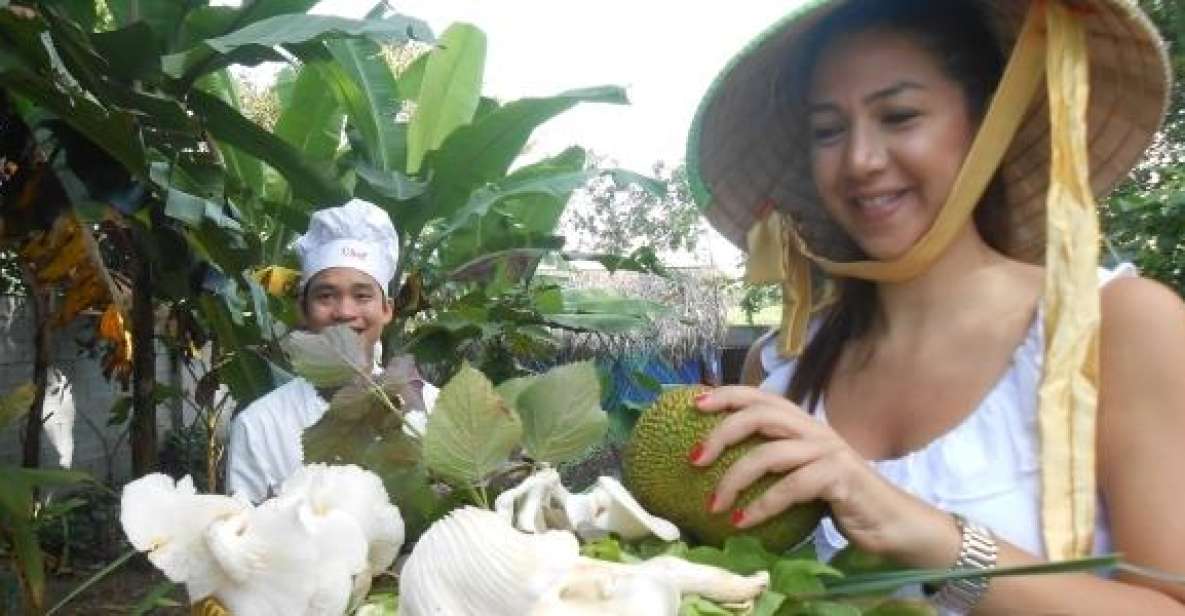
- Pick your own ingredients in the medicine garden before you cook
- Learn plant medicine uses and limitations from a pharmacist and chef
- Explore a mushroom house and meet different mushroom varieties
- Hear how rice is cultivated as part of the wider food system
- Cook and eat a traditional healthy Vietnamese meal, then take home recipes and a certificate
Farm-to-table healthy cooking in Ho Chi Minh City: the real point of the day
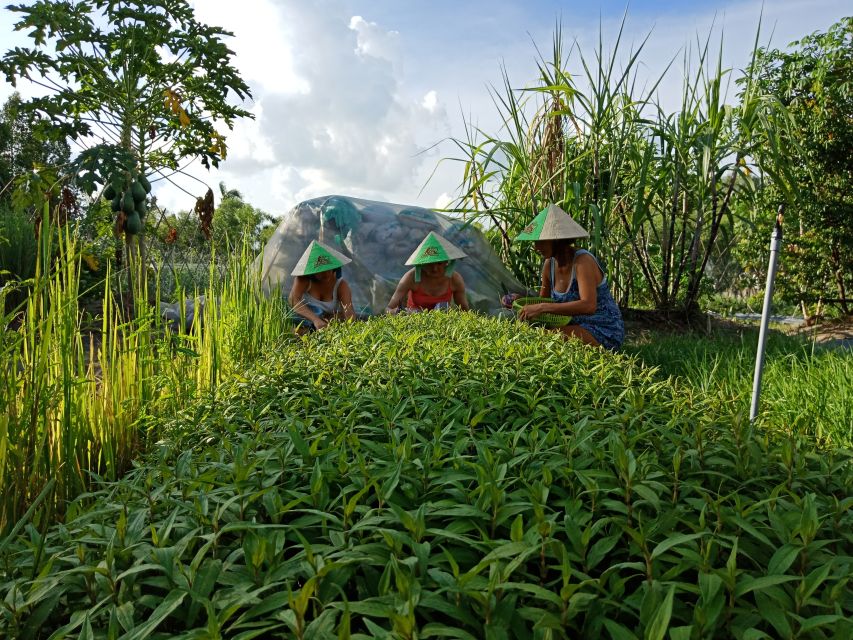
This is a cooking class that starts where food starts: in the garden. You spend time walking the organic growing area and the Vietnamese medicine garden, learning plant names and what people use them for in both medicine and everyday cooking. Then you put those lessons to work in the kitchen with a chef guiding you step by step.
I like that the class doesn’t treat healthy eating as a vague idea. Instead, it connects health to specific herbs, vegetables, and ingredients you can actually identify and harvest. It also helps if you’re the kind of person who cooks at home and wants to understand what to do when you cannot find the exact same ingredient again.
At the end, you sit down and eat what you made. You also leave with a certificate, recipes, and souvenirs from the HCM cooking class. That combination matters. You get the skill, then you get proof it tastes good.
You can also read our reviews of more cooking classes in Ho Chi Minh City
Pickup, ride time, and how to make the 6 hours work
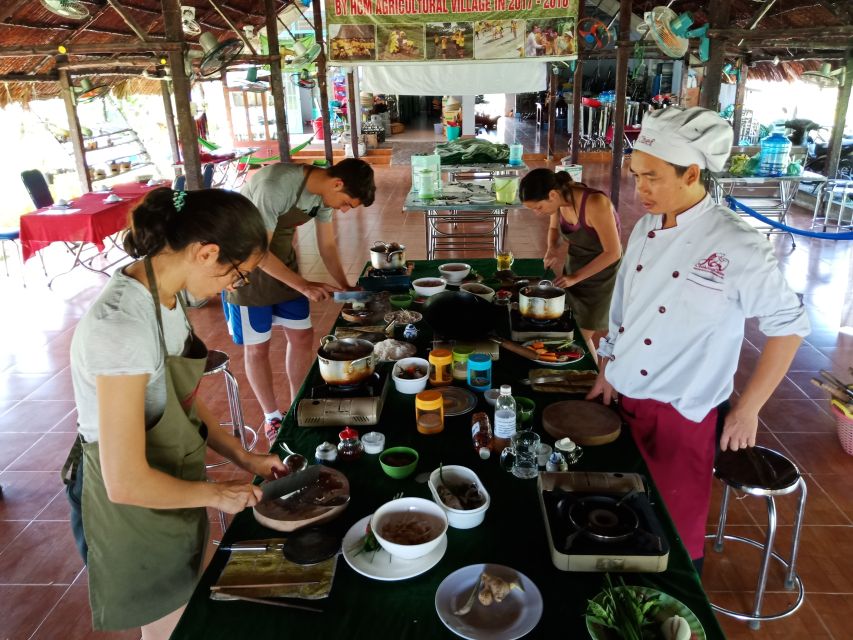
The class runs for about 6 hours. It typically happens as a morning or afternoon cookery class in Ho Chi Minh City. You get picked up from hotels in Ho Chi Minh City or from the airport, and transportation is included by car or bus.
Here’s how to think about timing: even though it’s “half-day,” you may spend a good chunk of time in transit. One person described the drive as roughly 1 to 1.5 hours depending on traffic. So if your only plan after the class is a late dinner far away, give yourself a buffer.
What helps most is showing up ready to walk. Wear comfortable shoes. Bring sunglasses for sun and glare outdoors, and take a camera if you want photos of the gardens and ingredients. Small details like that make the day feel easier and less rushed.
Medicine garden walking: herbs, benefits, and the useful warning labels
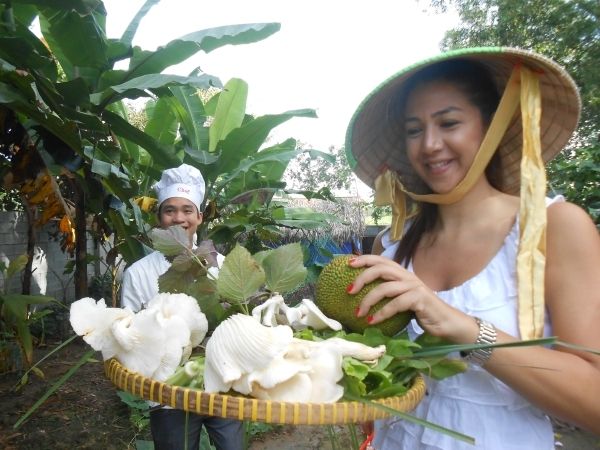
This is one of the most praised parts of the experience, and for good reason. You’re not just told which herbs to add. You learn how Vietnamese herbs connect to medicine, including both benefits and disadvantages from the plants. That focus changes how you cook, because you start thinking in “ingredient logic,” not just “recipe steps.”
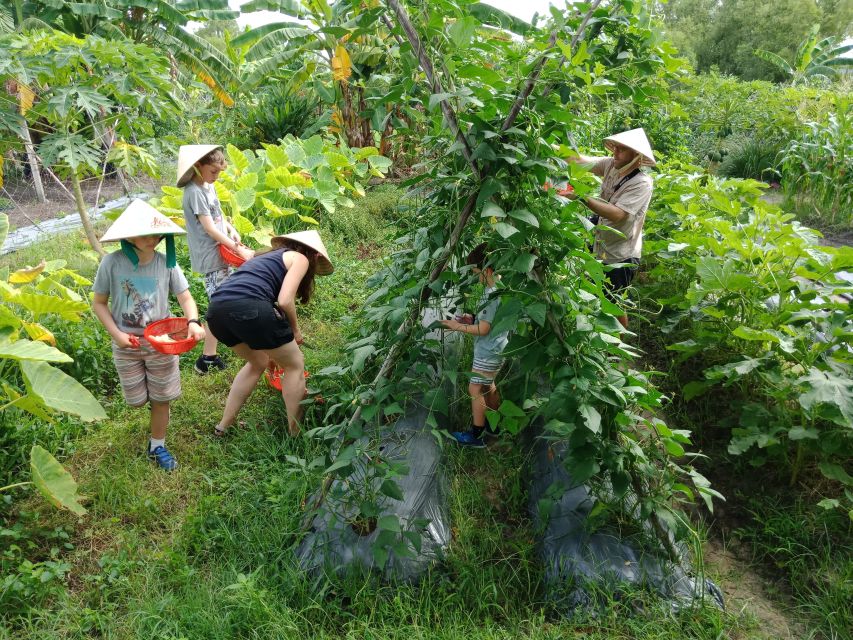
You’ll likely see lots of herb varieties and familiar Vietnamese vegetables in an environment where you can actually recognize them. The course also sets you up to handle unusual ingredients without fear. Examples mentioned include morning glory, jack fruit, and banana flowers. In my kind of cooking, those ingredients can be intimidating if you only see them in a market photo. Here, you learn what they are and what they’re for before they hit your chopping board.
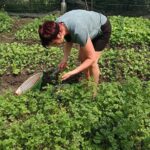
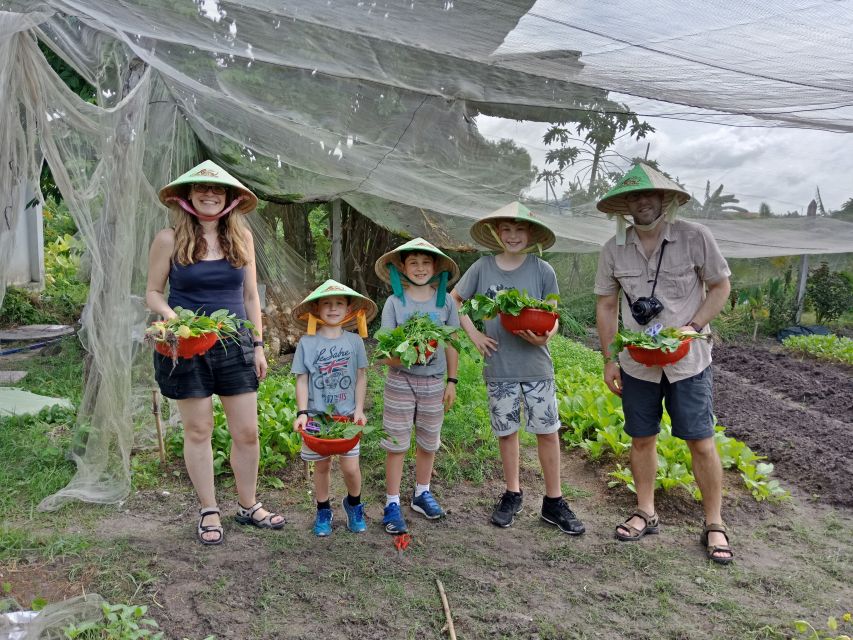
And you’ll get practice making choices. As a “farmer” for the day, you identify and select vegetables in the medicine garden to use in your dishes. That makes your meal feel personal, not generic.
Mushroom house and rice cultivation: why these lessons matter
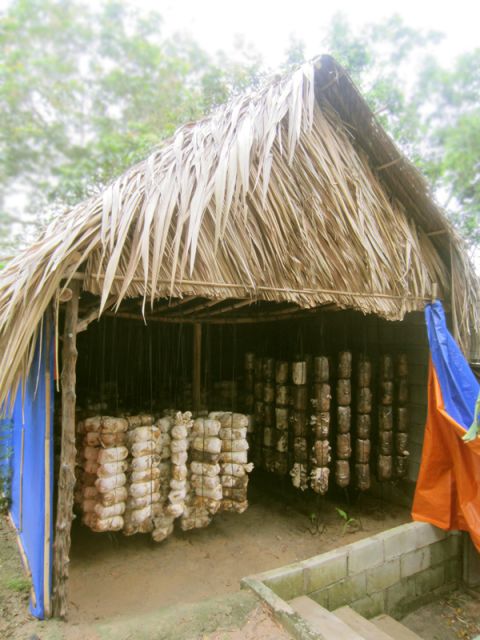
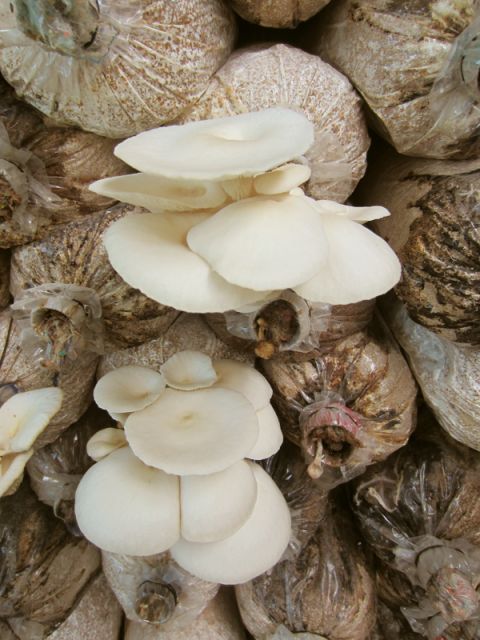
The class includes a mushroom house where you learn about different mushroom varieties and how mushrooms can be cultivated. It’s not just a photo stop. You get explanations connected to cultivation, and you see how mushrooms fit into a wider healthy-ingredient approach.
You also hear about rice cultivation. Rice may feel like it belongs to Vietnam no matter what, but this is still valuable because it anchors your meal in how local food systems work. When you understand how staples are grown, you start appreciating why certain textures and flavors make sense in Vietnamese cooking.
One practical upside: these segments make the day feel like a coherent story. The garden isn’t isolated knowledge. It leads to your ingredient selection, then to your cooking, then to your lunch.
Choosing ingredients like a farmer, then cooking like a chef
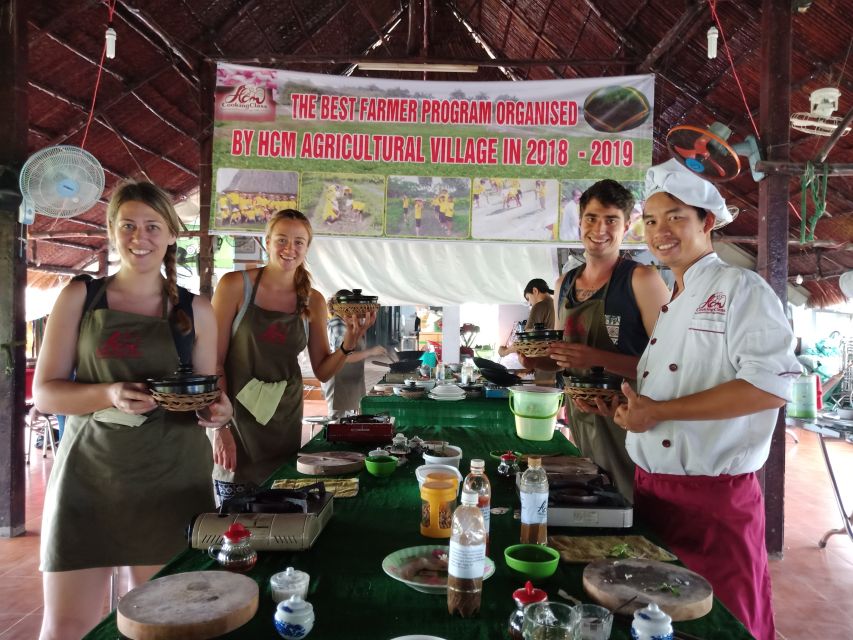
Once you’ve picked your vegetables and herbs, the chefs coach you in preparation and cooking. This is where the day turns from “learning” into real skill.
I love the teaching approach here because it feels like a philosophy, not just a list of recipes. In one shared experience, the instructor helped people learn how to think when cooking at home using the ingredients they can find. That’s the difference between memorizing a dish and understanding the method.
You’ll have friendly chef support while you cook. Some sessions also include extra staff observing and helping where needed, especially when people in the group are cooking slightly different but related dishes at the same time. That keeps the class from feeling chaotic, and it helps beginners keep up.
If you’re worried about complexity, don’t. The core idea is healthy Vietnamese cooking with ingredients you can identify and explain afterward. You’ll work with vegetables and herbs in dishes that turn out delicious and approachable.
A few more Ho Chi Minh City tours and experiences worth a look
Lunch, certificate, and what you take home
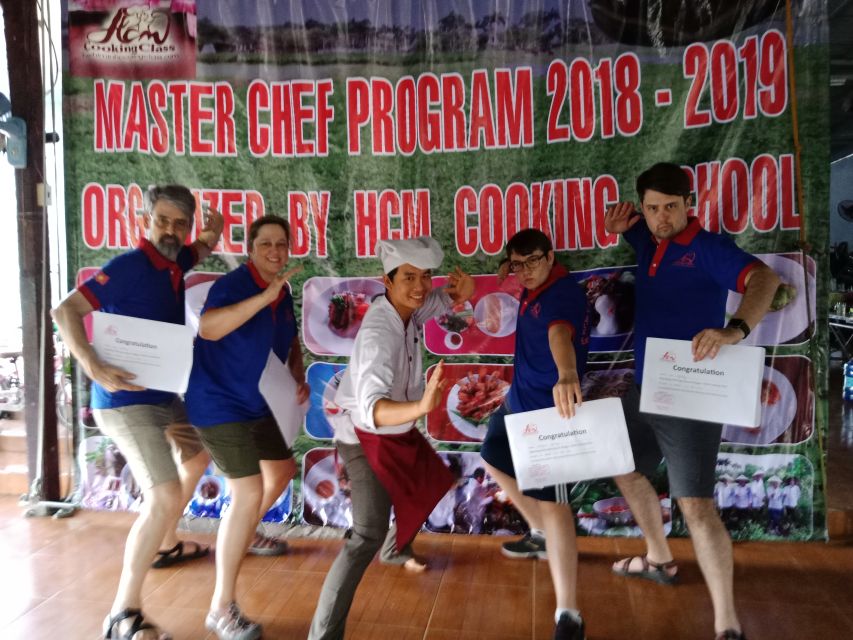
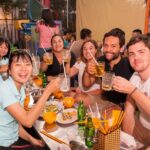
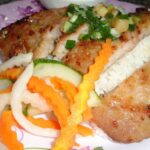
The best part is the moment you eat. You sit down with your new foodie circle and enjoy the fruits of your labor. Lunch is included, along with iced tea and a few basics like napkins. It’s a simple setup, but it matters because you get to judge your cooking immediately.
You also receive a certificate and take home recipes and souvenirs from the class. That’s useful for two reasons. First, you can recreate dishes later without guessing. Second, the certificate and materials give the day a sense of closure, not just a one-off meal.
Small social bonus: people often end up comparing ingredients they picked and how the dishes turned out. That kind of conversation makes the herb garden and mushroom house feel less like a lecture and more like shared discovery.
Price and value: is $70 for 6 hours worth it?
At $70 per person for a 6-hour half-day, you’re paying for more than cooking instruction. The price includes a local guide, lunch, iced tea, transportation with hotel or airport pickup, and help from the team during the garden-to-kitchen flow.
The value case is strongest if you want all three pieces:
- Ingredient selection in the garden
- Plant-based lessons connected to medicine uses
- Cook-and-eat time with chef guidance
If you only want a cooking show, you’ll feel the extra farm time as overhead. If you want to actually learn and go home with a clearer idea of healthy Vietnamese flavors, $70 can feel fair because the day includes transport, food, and structured teaching.
Also, the group experience is a big part of the value. Reviews noted small group size and extra staff help, which usually means less standing around and fewer moments of confusion.
Who should book this class (and who should skip)
I think this class is a great match if you:
- want a hands-on Vietnamese cooking experience
- like gardening and want to learn what you’re eating
- enjoy food explanations that include herbs and plant-based medicine context
- cook at home and want methods you can reuse
You might skip it if you prefer a strictly kitchen-only class with no farm learning. The class is built around the medicine garden and the harvest, and that’s the point.
Also think about dietary needs. You should advise the organizer about special dietary requirements or allergies ahead of time. That’s not a guess; it’s part of how they plan the class for you.
Quick FAQ
FAQ
How long is the Farm-To-Table Healthy Cooking Class?
The class lasts about 6 hours. Starting times depend on availability for the morning or afternoon session.
What does the $70 price include?
Lunch is included, along with iced tea, a local guide, transportation, and pick-up. You’ll also get napkins and end-of-class items like a certificate, recipes, and souvenirs.
Where do they pick you up in Ho Chi Minh City?
Pickup is included from hotels in Ho Chi Minh City or from the airport, with transportation provided by fancy car or bus.
Is the class offered in English?
Yes. The tour guide provides Vietnamese and English support.
Can I handle dietary restrictions or allergies?
You should advise the operator of any special dietary requirements or allergies. The class is meant to accommodate these needs when you share them in advance.
What should I bring with me?
Bring comfortable shoes, sunglasses, and a camera.
Is the tour wheelchair accessible?
Yes, the tour is listed as wheelchair accessible.
Are pets allowed?
No, pets are not allowed.
Is there flexibility to change my mind after booking?
There is free cancellation up to 24 hours in advance for a full refund. You can also reserve now and pay later, with no payment due today.
Final call: should you book this half-day class?
If you like learning by doing, this is an easy yes. The combination of harvesting herbs and vegetables, plant medicine lessons, mushroom house context, and then cooking and eating Vietnamese healthy dishes is the kind of experience you can carry home in your cooking—not just your photos. Plan for the ride time out of Ho Chi Minh City, wear the right shoes, and make sure you share allergies or dietary needs early.