REVIEW · HO CHI MINH CITY
Farm-To-Table Healthy Cooking Class in Ho Chi Minh City
Book on Viator →Operated by Western Asian Travel Service · Bookable on Viator
A class that starts with the dirt. This farm-to-table experience takes you from an organic farm tour straight into a hands-on kitchen with a master chef, where you learn simple healthy techniques and cook four dishes. I also love the small-group vibe and the step-by-step guidance that helps the food actually make sense. One drawback to plan for: you are cooking in an open-air setup, so heat or humidity can affect comfort.
If you want something more practical than another city walk, this hits the sweet spot. Choose a morning, afternoon, or evening session, get picked up from selected hotels, then spend about 6.5 hours out of the traffic bubble.
The best part is pacing: you pick vegetables, relax briefly (yes, hammock time is real here), then cook one dish at a time and taste along the way. And if you love getting recipes to repeat at home, you also get a certificate and take-home recipes.
In This Review
- Key things to know before you go
- From pickup to farm gate: how the day really plays
- Farm-to-table flow: your 6.5 hours step by step
- Meet the instructors: what you gain from the coaching style
- The cooking part: four dishes, one technique at a time
- Price and value: what you actually get for $67
- Logistics that can make or break the experience
- Who should book this class in Ho Chi Minh City
- Should you book it?
- FAQ
- FAQ
- How long is the farm-to-table cooking class?
- Is hotel pickup included?
- What time does the class start?
- How many dishes will I cook?
- Does the tour include lunch?
- Is alcohol included?
- Do I need to bring equipment?
- Do I visit a farm before cooking?
- How big are the groups?
- Will I get anything to take home?
Key things to know before you go
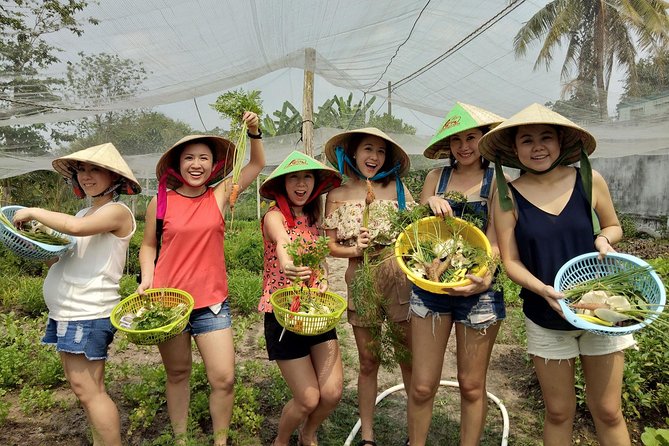
- Farm tour first: See cows, buffalo, chickens, and ducks, plus vegetables, herbs, spices, fish, and prawns.
- Your own veggie basket: You collect ingredients like a real farmer, using provided scissors.
- Open-air cooking, coached step by step: You cook in sequence, with tasting after each dish.
- Four dishes total: You leave with a clear set of skills, not just one meal.
- Lunch included: You eat what you make, plus light refreshments.
- Small groups: Maximum 15 people means you can ask questions and keep moving.
From pickup to farm gate: how the day really plays
In Ho Chi Minh City, it is easy to feel like everything is only about speed: grab food, snap photos, head to the next stop. This class slows down on purpose. You start with hotel pickup from selected hotels, then ride out to the Ho Chi Minh Agricultural Villages and the Ho Chi Minh Cooking School area. From the beginning, the focus is simple: food comes from real places, and healthy cooking starts with what you choose and how you handle it.
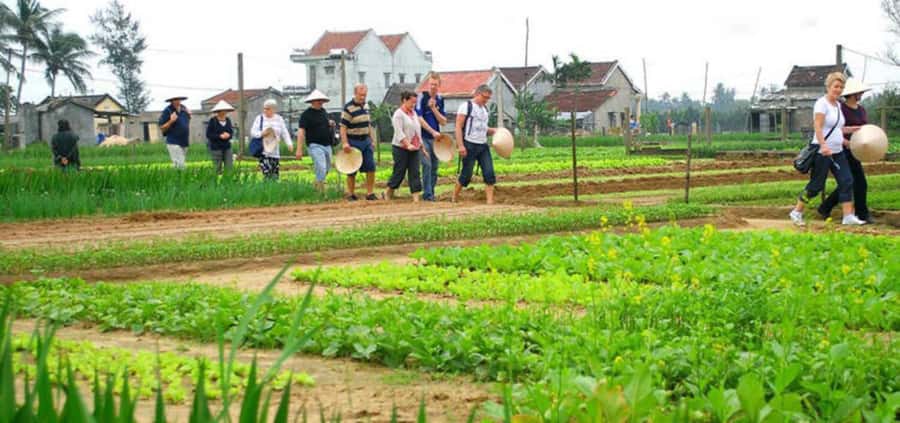
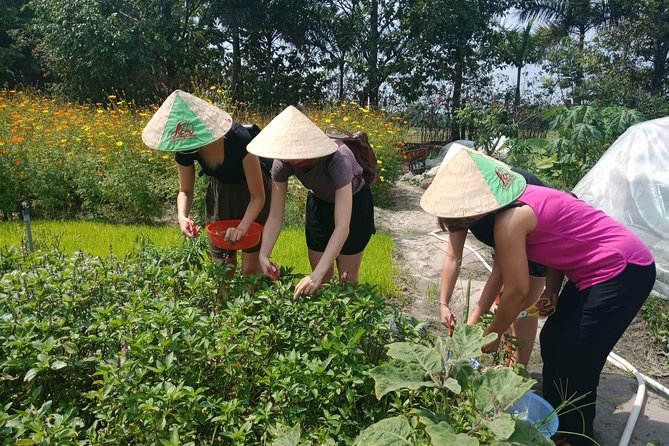
Once you arrive, you are not rushed into a recipe list. First comes the organic farm walk. You see the farm layout up close, including animals like cows, buffalo, chickens, and ducks. You also get your eyes on the core ingredients: vegetables, herbs, spices, and even options like fish and prawns. It is the kind of tour that helps you understand why certain flavors belong together, because you can connect what is in front of you to what will end up on your plate later.
One practical note: this is an active day. Even with the light refreshment break and hammock time, you will be walking around on farm grounds before you cook. If your ideal day is totally low-energy, this might feel a bit more hands-on than you expected. If you like moving and learning by doing, you will probably feel right at home.
You can also read our reviews of more city tours in Ho Chi Minh City


Farm-to-table flow: your 6.5 hours step by step
The day runs roughly 6 hours 30 minutes, and you can usually pick a morning, afternoon, or evening slot. The exact start time listed includes a 7:30 am option, so double-check which session you book.
Here is the flow I would plan around:
First, you head from your hotel to the cooking school. After that, you move into the farm portion of the experience. The tour is led by a master chef, with time to look, ask, and learn about ingredient sources. You also get a feel for the farm’s variety, not just produce—there are herbs and vegetables, plus the possibility of fish and prawns used in the broader menu of what you might cook.
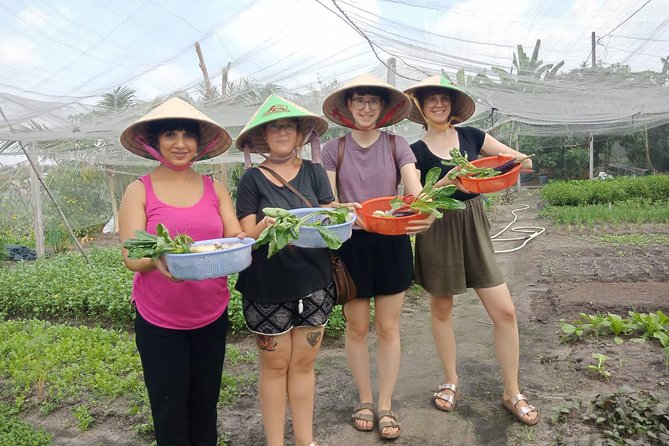
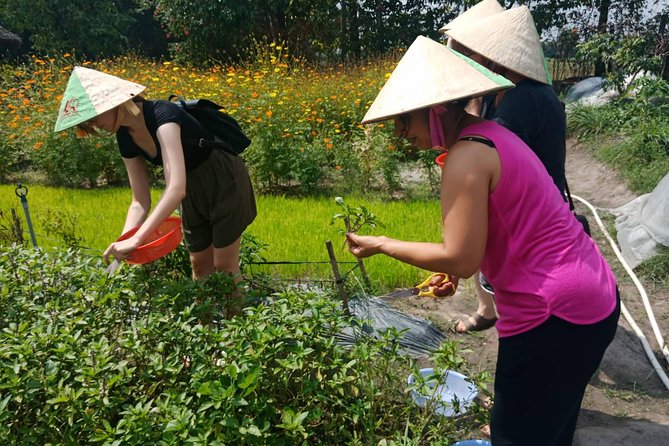
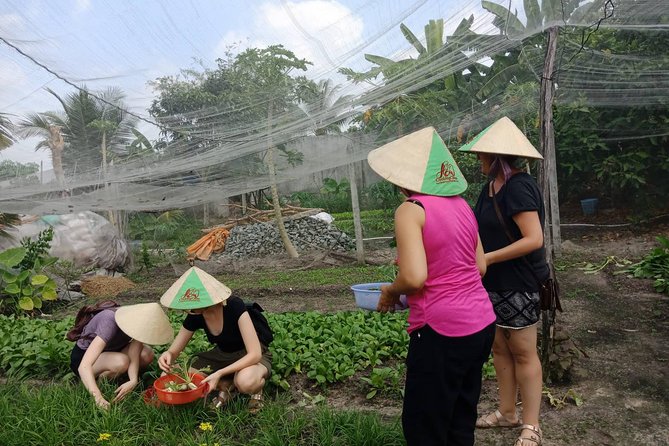
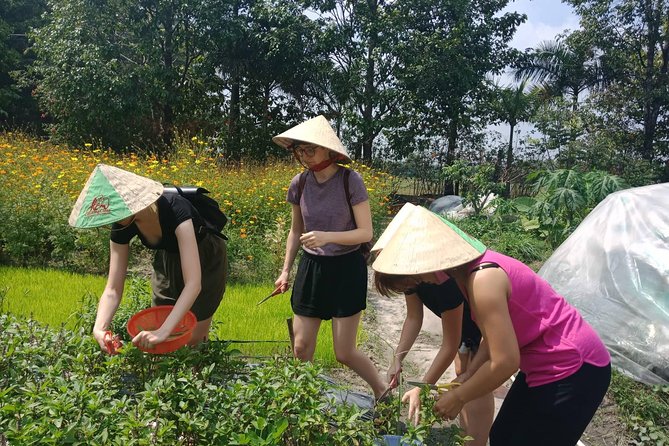
Next comes the farmer moment. You receive a basket and scissors, then collect vegetables to use later. This is a small step that changes the whole mood. Instead of thinking, I am cooking random ingredients, you think, I chose these. That connection makes the final meal taste more meaningful, even if you are not a hardcore foodie.
After collecting, you get a breather: Vietnamese fruit and some hammock time. Then you get back to work. The cooking happens in an open-air environment, one dish at a time, led by the master chef with ongoing guidance on healthy cooking techniques. After each dish, there is a tasting, so you can adjust your instincts right there instead of discovering mistakes later.
Finally, you finish with a certificate and take-home recipes, then head back to your hotel. I like this structure because it keeps you focused: farm tour, ingredient selection, cooking, taste, then repeat.
Meet the instructors: what you gain from the coaching style
This class is built around instruction from a master chef and bilingual-style support from guides. What stands out from the teaching approach described here is not just that you get recipes—it is how the learning is explained.
You can expect coaching that connects everyday cooking to health-focused choices. The chef-led method emphasizes simple techniques that you can use again. In practice, that means you are not only doing steps; you are being taught the reasoning behind the steps, especially when it comes to herbs and vegetables. One example that comes through clearly is talk about the medicinal uses of herbs and produce. Even if you are not turning every herb into a home remedy, it gives you a smarter way to cook with flavor and balance.
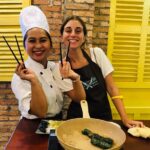
The guides also matter. People mention instructors like Alice, Aura, Daisy, Linh, and Chef Tan, and the consistent theme is friendly explanations and patience while you cook. When someone can answer lots of questions without rushing you, your confidence jumps fast—especially if you are not used to Vietnamese cooking methods.
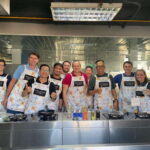
A small-group cap of 15 also helps here. In a bigger class, you might feel like you are watching and waiting. Here, you have more time to check your cutting, ask what a sauce should taste like, and get back on track quickly.
The cooking part: four dishes, one technique at a time
The big claim is that you prepare four dishes, and that is exactly what gives this class its value. Four dishes is enough variety to cover more than one cooking approach, but not so many that you feel like a machine in a food factory.
You cook in an open-air environment, and the rhythm is consistent:
- You get instruction for one dish.
- You cook step by step with the chef and guides.
- You taste the result.
- Then you move on to the next dish.
That tasting step is not a gimmick. It helps you learn what changes when you adjust seasoning or cooking time. Instead of thinking healthy cooking is only about less oil, you start noticing how Vietnamese herbs, vegetables, and balanced flavors do a lot of the work.
All necessary equipment is included, so you are not dealing with the hassle of bringing tools or guessing what is provided. This also means you can focus on technique. If you tend to freeze when a recipe calls for unfamiliar steps, this format is more forgiving because you can correct in real time.
You will end the class with lunch included (and light refreshments). In other words, you are not paying for the activity and then eating separately. You are paying for the experience and the meal that proves what you learned.
Price and value: what you actually get for $67
At $67 per person, this class sits in the mid-range for a full half-day experience. The question is: what is included, and what is it worth in real terms?
Here is what you get that matters:
- Hotel pickup and drop-off (selected hotels only)
- Professional guide plus local guide
- Lunch
- Light refreshments
- All necessary equipment
- A farm tour led by a master chef
- A hands-on cooking session with four dishes
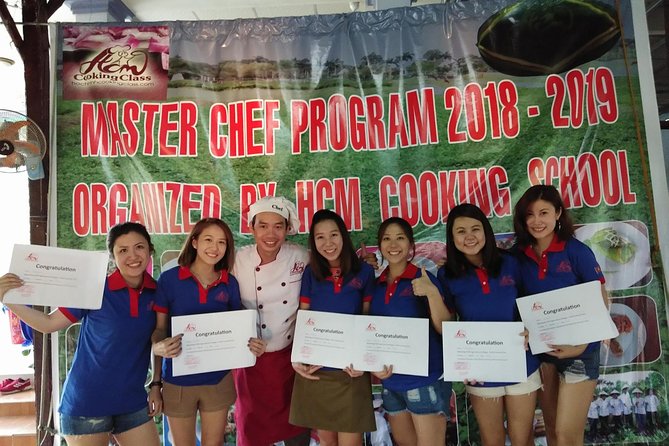
- Certificate and take-home recipes
A big part of the value is the combination. Many cooking classes skip the ingredient sourcing and only teach the final cooking steps. Here, you visit the farm, collect vegetables, and then cook with what you selected. That makes the recipes easier to replicate later, because you understand where the ingredients come from.
One more practical detail: alcohol is not included, but it is available to purchase. So if you plan to drink, budget extra. If you do not, you likely keep spending close to the listed price.
Also, the group size cap of 15 suggests you are not just buying time; you are buying attention and a chance to keep up.
You can also read our reviews of more cooking classes in Ho Chi Minh City

Logistics that can make or break the experience
A smooth class day depends on a few basics.
Timing: You can choose morning, afternoon, or evening, but one start time shown is 7:30 am. If you are not a morning person, pick a later session.
Transportation comfort: You get there by van. People mention an A/C van experience, which is a plus when the city humidity is high.
Weather: Cooking is in an open-air environment. That means you should dress like you will be outside for a while. Lightweight layers usually work best, and comfy shoes matter because you are walking around the farm area before you cook.
Questions and pacing: With a max of 15 people, bring your curiosity. This is the kind of class where you get better if you ask what something is doing in the dish—especially herbs and vegetables.
If you are traveling with someone older or someone who just wants a calm, guided day, this format can be a good fit. One shared highlight is that it worked well for a wide age range, which usually signals the pace is not chaotic.
Who should book this class in Ho Chi Minh City
This is a great match if you want:
- a hands-on cooking experience (not just watching)
- healthier Vietnamese technique and practical skills
- ingredient education starting at the farm, not ending with a market photo
- a structured day with a meal at the end
It can also be a strong choice for couples, friends, or families who want to learn together. The four-dish setup means everyone gets enough variety without getting overwhelmed.
If you are only looking for a quick snack tour or you hate outdoor environments, you may find the farm walk and open-air cooking a bit much. But if you like the idea of learning what makes the food work—then tasting your own results—this fits nicely.
Should you book it?
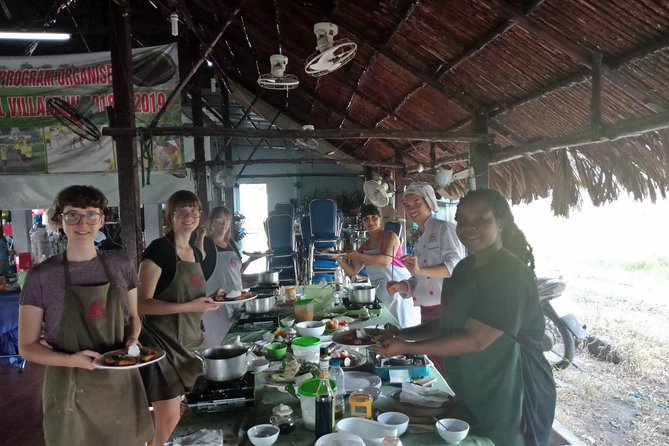
I think you should book this if you care about more than eating. The farm tour, the veggie-collecting moment with scissors, and the cook-taste rhythm make it a skill-building day, not just a fun outing. For the price, you are getting a full meal, guidance from a master chef, and take-home recipes to recreate the flavors later.
I would hesitate only if you strongly prefer indoor activities, dislike outdoor heat, or want a super short experience. Otherwise, it is one of the more grounded ways to understand Vietnamese cooking in Ho Chi Minh City: you see the ingredients, you learn the technique, then you eat what you made.
FAQ
FAQ
How long is the farm-to-table cooking class?
It runs for about 6 hours 30 minutes.
Is hotel pickup included?
Yes. Hotel pick-up and drop-off are included for selected hotels.
What time does the class start?
A start time of 7:30 am is listed, but the experience can be booked for morning, afternoon, or evening sessions.
How many dishes will I cook?
You will prepare four dishes during the class.
Does the tour include lunch?
Yes. Lunch is included, along with light refreshments.
Is alcohol included?
No. Alcoholic drinks are not included, though they are available to purchase.
Do I need to bring equipment?
No. All necessary equipment is included.
Do I visit a farm before cooking?
Yes. You tour an organic farm with a master chef, then collect vegetables to use in the cooking class.
How big are the groups?
The class has a maximum of 15 travelers.
Will I get anything to take home?
Yes. You receive a certificate and some recipes at the end of the class.