REVIEW · HOI AN
DA NANG to Hoi An Rural Villages and River Islands PRIVATE TOUR
Book on Viator →Operated by Local Buddy Tours - Danang City · Bookable on Viator
A quiet road less traveled beats another repeat stop. This private tour takes you from Da Nang into Hoi An’s countryside islands and fishing villages, with hands-on crafts and time outdoors. You’ll see how families live, work, and make everyday goods on Cam Kim Island, then keep moving through river life, coconut shade, and herb gardens around Hoi An.
What I like most is the mix of doing and watching. You get to grind rice and help make rice paper, and you’ll learn incense production from organic ingredients used in the process. I also love how the day is paced, with short drives plus photo-friendly viewpoints like the bridge over Cua Dai Harbor and breaks for Vietnamese coffee (or juice/smoothie).
One thing to consider: this is countryside travel, so the day includes time on roads and at working homes and farms. If you’re hoping for a strict, museum-style itinerary with lots of indoor time, this won’t match that vibe.
In This Review
- Key highlights you should care about
- From Da Nang to Hoi An countryside without the hassle
- Cam Kim Island: rice paper, snacks, and incense from wood powders
- Tra Nhieu fishing village: weaving straw mats the slow way
- A coffee break in Duy Vinh and panoramic views from the high bridge
- Cam Thanh Coconut Forest: basket boat, shade, and catching river crabs
- Tra Que Vegetable Village: herb gardens and photos of real farm work
- Price and value: what $75 really buys you
- Best for whom: the type of traveler who’ll enjoy this most
- Who should consider another option
- Should you book this Da Nang to Hoi An rural villages private tour?
- FAQ
- FAQ
- How long is the Da Nang to Hoi An rural villages private tour?
- Where does the tour start and where can I be dropped off?
- Is the tour private or shared?
- What craft and food activities are included?
- Is there time to take photos?
- What transportation will you use?
- Is there food or a meal included?
- Do I get a break for drinks?
- What happens during the Cam Thanh coconut forest part?
- Are entrance tickets and fees included?
- What if my plans change?
Key highlights you should care about
- Hands-on rice paper making on Cam Kim Island, using rice milk, not just a demo
- Incense making with organic wood powders, including cinnamon and cigarwood
- Tra Nhieu mat weaving with a local family, plus riverbank views
- Cam Thanh basket boat with a fisherman guide, including fishing for river crabs
- Tra Que herb gardens for photos and a look at daily farm work near Hoi An
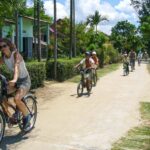
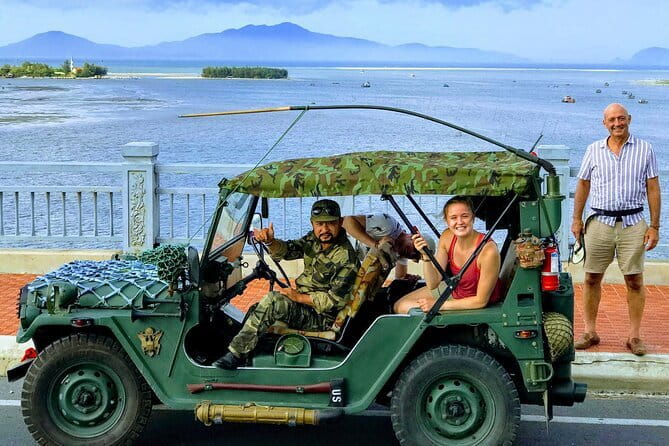
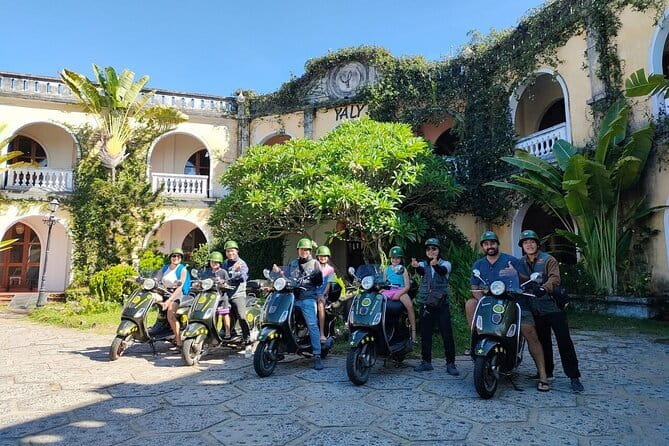
- Private transport options like jeep, classic vespa, or scooter, plus pickup and drop-off flexibility
From Da Nang to Hoi An countryside without the hassle
The best part of this tour is that it handles the hard part for you: getting out of city traffic and into rural Vietnam with a private driver and a local guide. You start with pickup from your Da Nang hotel, then you meet your guide and get a quick orientation about what you’ll see and how to visit the families respectfully. The guide also helps you make sense of rural stops fast, so you’re not just passing scenery.
This setup is also practical for photo lovers. You’re told you’re free to take pictures at stops, and the route is built around places where you can actually frame interesting moments: river edges, craft tables, farm fields, and harbor views. If you like travel that feels personal rather than staged, this kind of private, guide-led flow tends to land well.
The tone is friendly. One of the strongest repeat themes in the feedback is that guides can turn “a simple drive” into something you remember. Names like Sonny and Ting show up for excellent English and for keeping the experience lively while staying respectful around local households.
You can also read our reviews of more private tours in Hoi An

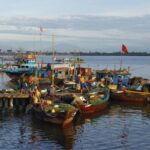

Cam Kim Island: rice paper, snacks, and incense from wood powders
Crossing from the mainland over the Thu Bon River to Cam Kim Island is where the day starts to feel different. You’re not just touring a village sign; you’re seeing island routines and joining in small steps of traditional food and craft work.
On Cam Kim Island, you’ll meet a family and jump into rice processing. The process includes grinding and making rice paper from rice milk. This is the kind of activity that pays off because it’s tactile—your hands learn what your eyes can’t fully explain. It also helps you understand why rice paper tastes and feels the way it does once you’ve watched the steps up close.
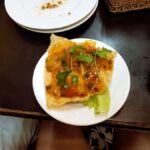
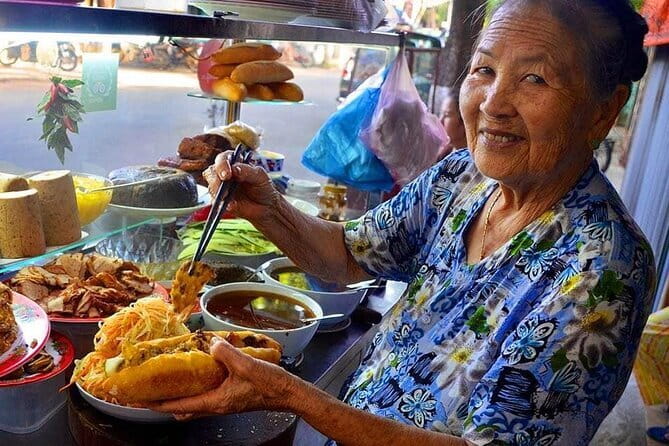
You also get to snack on local favorites like Banh Dap and Banh Beo. These are often the exact foods visitors recognize, but the value here is context: you see how the raw inputs connect to the finished treats.
Next comes the incense craft. You’ll visit another family to see organic incense production from wood powders, including cinnamon and cigarwood. Even if incense-making isn’t your main interest, I think it’s a great stop because it shows how raw materials connect to daily life. You leave with a clearer sense of rural supply chains—small households turning natural ingredients into products that travel beyond the village.
Practical note: this part of the day is hands-on, so if you’re wearing light fabric, consider sleeves or something you don’t mind getting a little messy. Also, keep a respectful distance when families work—your guide will set the pace.
Tra Nhieu fishing village: weaving straw mats the slow way
After Cam Kim, the tour shifts from island food and craft to river livelihood. The drive brings you past rice paddies, cornfields, and herds of water buffalo and cattle, so you’ll get that immediate rural Vietnam feel before you even reach the waterfront.
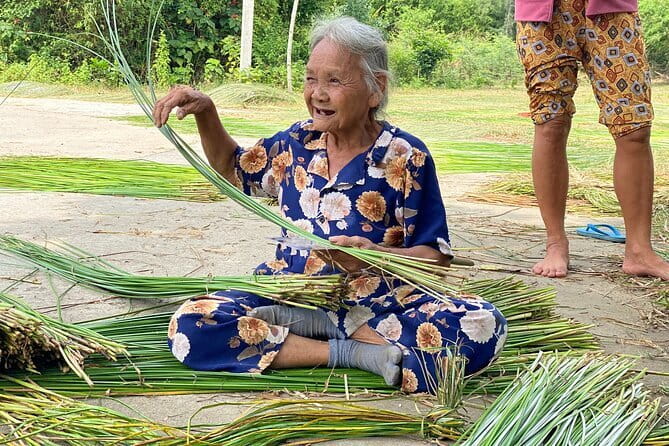
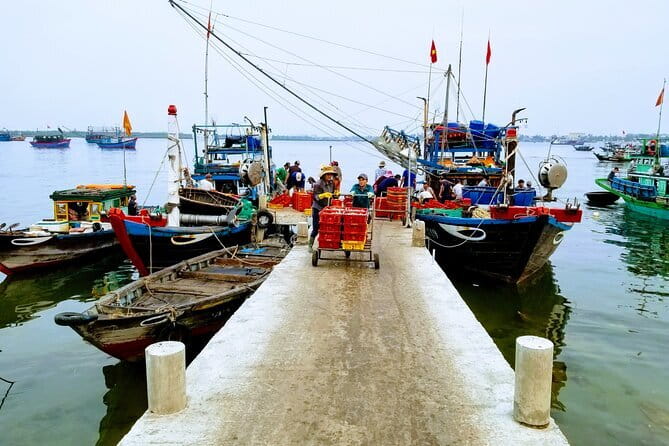
Then you head to Tra Nhieu fishing village, where the experience leans into working craft. You’ll see traditional fishing boats along the riverbank, which helps you understand the rhythms behind the village. And then you meet a mat-weaving family where the craft has been passed down through generations.
The mat weaving part is especially good for people who learn better by doing. Instead of watching from the edge the whole time, you can try your hand at weaving. Even if your first mat looks like it was made by a robot, that’s fine. The real win is learning what makes the craft hold together and how much practice goes into something simple-looking.
This stop also tends to be photogenic in a quieter way than the big tourist areas. You’re capturing the real shapes of tools, hands at work, and the river setting, not just posed moments.
A coffee break in Duy Vinh and panoramic views from the high bridge
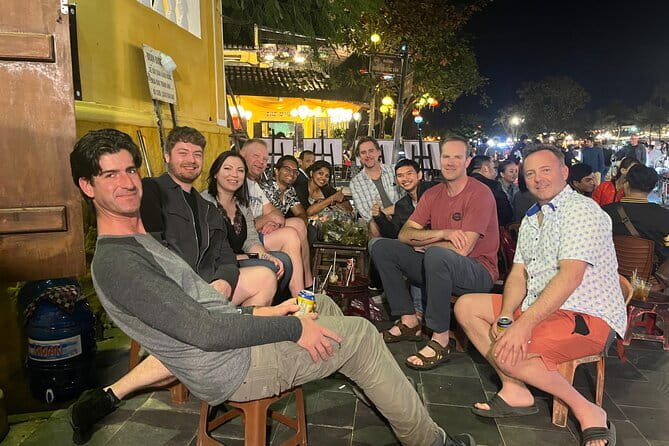
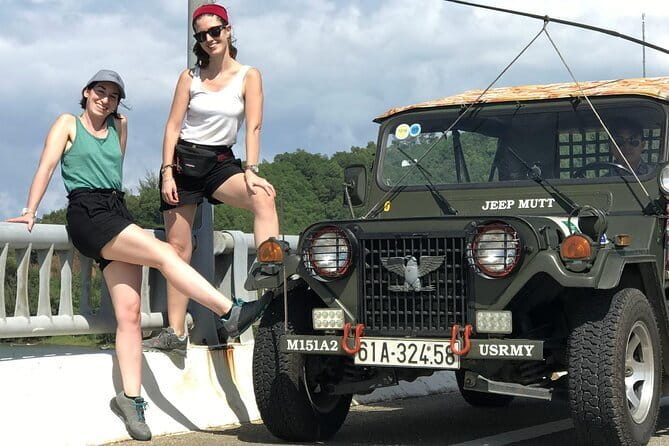
Midday in rural tours can be tricky: you need a break, but you also don’t want to lose the momentum. Here, the tour solves that with a stop in Duy Vinh at a coffee shop where you can choose Vietnamese coffee, a smoothie, or fresh juice. Bottled water is provided throughout the day, and the coffee stop is also where you can use the washroom—so it’s both a comfort break and a practical checkpoint.
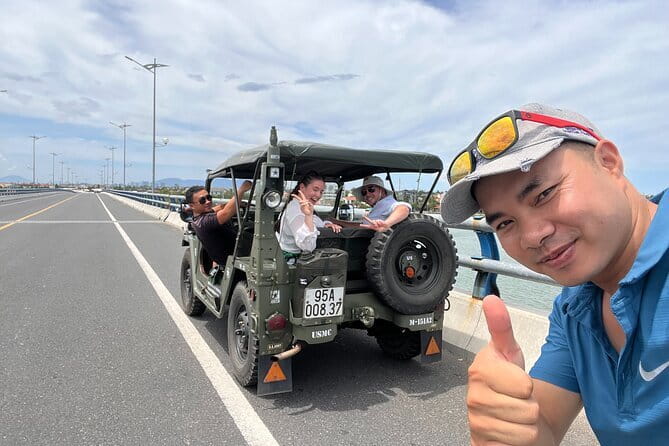
From there, you move to Duy Hai, a higher vantage point where you cross a bridge and take in panoramic views of Cua Dai Harbor, nearby areas of Hoi An Old Town, and the Cham Islands in the distance. This is the kind of photo stop that works even if you’ve already seen coastal views in Vietnam, because the perspective is different and the rural route makes the landscape feel connected rather than random.
If you hate rushing at viewpoints, this is one of the better moments to slow down. You’ll get time for photos and to appreciate the wider geography—harbor activity, island lines on the horizon, and the way Hoi An sits within reach of the coast.
Cam Thanh Coconut Forest: basket boat, shade, and catching river crabs
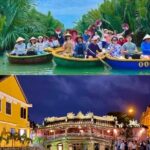
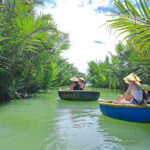
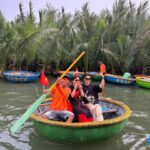
Then comes one of the most fun segments of the day: Cam Thanh Water Coconut Village and a traditional basket boat ride through the coconut forest. This isn’t a quick photo stop only. You hop into a boat with a local fisherman who guides you beneath the shaded coconut trees, and the tour adds a playful element—using a fishing rod to catch river crabs.
Even if you catch nothing, the experience still works because it’s hands-on and guided. You’re learning how this waterway life fits together: shade, narrow channels, and small fishing moments. It’s also a lot more memorable than an on-land walk through a “pretty area,” because you’re actually moving through the environment.
After the boat ride, you drive along a road lined with coconut trees and stop for photos. You’ll see water buffalo roaming in fields, and you’ll pass by shrimp farms along the way. This is a subtle but important part of rural context: not everything is crafts and snacks. Some of the livelihood is agriculture and aquaculture, and you get brief glimpses of both.

Tra Que Vegetable Village: herb gardens and photos of real farm work
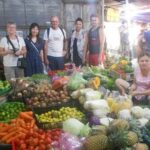
To wrap up, you visit Tra Que Vegetable Village, where farmers tend herb and vegetable gardens. The stop is brief, but it hits a different side of rural Vietnam than the island and fishing segments. Here, the air feels herb-focused, and you’re in the middle of cultivation—exactly the kind of place that makes you connect the word fresh with the actual labor behind it.
You’ll have time to take photos and learn about traditional farming methods. The guide helps you frame what you’re seeing so it doesn’t feel like generic green scenery. Instead, it feels like a working landscape—people growing food through daily routines.
After that, you either head to a local restaurant for the meal option or return toward Hoi An Old Town. If you choose drop-off there, you can continue exploring with less backtracking.
Price and value: what $75 really buys you
At $75 per person, this tour is priced as a true private experience across multiple rural areas. You’re not paying for one attraction; you’re paying for transportation, a local guide, entrance-related fees (where applicable), and multiple family-led stops that require participation rather than passive viewing.
A big value point is that the day includes several “human labor” activities—rice paper and incense making, mat weaving, and the basket boat ride. Those can cost more when you’re doing them through separate bookings. Bundling them into one guided route is what keeps the price feeling reasonable.
It also helps that the tour offers options:
- With-meal or no-meal choices, with different prices and durations
- Flexible timing based on what you book
If you’re deciding between a cheaper group tour and this private route, I’d choose private if you want a smoother schedule and the flexibility to move at your group’s pace. The countryside route can be slow by nature, and private pacing usually makes that more enjoyable.
Best for whom: the type of traveler who’ll enjoy this most
This tour is a good fit if you like:
- Hands-on craft (even short sessions) instead of only watching
- Rural life that’s connected to food, not just scenery
- Photo time that actually matches what you’ll learn
- A local guide who can explain how places work, not just what they are
It’s also a solid choice if you’re already in Da Nang and want Hoi An experience without committing to a full-day city plan. And because pickup and drop-off are built in, it works well for visitors who don’t want to figure out the logistics across towns and islands.
Who should consider another option
If you want a tour with lots of big landmarks, major museums, or long free time, this may feel structured. It’s focused on rural households and outdoor segments, so you’ll spend more time traveling between spots and participating in smaller-scale activities.
Also, if you’re sensitive to heat and sun, plan for it. A basket boat ride under coconut shade helps, but you’ll still be outside during drives, viewpoints, and the village stops.
Should you book this Da Nang to Hoi An rural villages private tour?
I’d book it if you want a private day that feels like real rural Vietnam rather than a highlight reel. The strongest reasons are the hands-on craft moments—rice paper, incense, and mat weaving—plus the memorable basket boat experience in Cam Thanh. Add in panoramic harbor views from the bridge and the quick Tra Que farm stop, and you get a balanced route that changes scenery often without feeling chaotic.
If you’d rather spend your Hoi An time only in Old Town, consider using this as your countryside half-day and then moving into the city afterward with energy left.
FAQ
FAQ
How long is the Da Nang to Hoi An rural villages private tour?
It runs about 4 to 5 hours.
Where does the tour start and where can I be dropped off?
Pickup is from your Da Nang hotel. You can also choose to end with an optional drop-off in Hoi An Old Town.
Is the tour private or shared?
It’s a private tour, so only your group participates.
What craft and food activities are included?
You’ll cross to Cam Kim Island for rice paper making and snacks like Banh Dap and Banh Beo, and you’ll also learn incense production. You’ll also visit Tra Nhieu to weave straw mats with a local family.
Is there time to take photos?
Yes. You’re free to take photos at the stops during the tour.
What transportation will you use?
The tour uses options like a US Vintage Army Jeep, modern car-van, Italian classic vespa, or a modern scooter (depending on what you book).
Is there food or a meal included?
The tour is available with-meal or no-meal, depending on the option you choose when booking.
Do I get a break for drinks?
Yes. There’s a coffee stop in Duy Vinh where you can have Vietnamese coffee, a smoothie, or fresh juice, and bottled water is provided.
What happens during the Cam Thanh coconut forest part?
You ride a traditional basket boat with a local fisherman in the coconut forest, and you can use a fishing rod to catch river crabs.
Are entrance tickets and fees included?
The tour includes tickets/entrance fees and contributions to local families where applicable, along with a guide and pickup/drop-off.
What if my plans change?
You can cancel for a full refund if you cancel at least 24 hours before the experience’s start time.