REVIEW · DA NANG
Da Nang: Tandoori Naan Bread-Making Class
Book on GetYourGuide →Operated by RANG Danang · Bookable on GetYourGuide
A hot naan moment can fix a whole trip plan. In Da Nang, this hands-on class teaches you how tandoori naan actually comes together, from dough to baking, plus what makes it work with Indian curries. I like that it’s small and friendly, not a tourist show. The vibe is practical: you’ll knead, season, and bake, then taste what you made right after.
Two things I really appreciate: you get real chef guidance while you make naan from scratch, and you leave with repeatable techniques for making restaurant-style naan at home (including options if you don’t have a tandoor). One thing to consider: it’s a real kitchen activity, and it’s not suitable for kids under 7, so it’s best if everyone in your group is ready for hands-on cooking.
In This Review
- Key highlights you should know
- RANG in Da Nang: the Michelin Bib Gourmand kitchen that makes this class feel special
- The 1-day flow: what you do during the naan bread-making class
- Kneading, seasoning, and learning the logic behind naan
- The tandoor thrill: what to focus on when you slap the naan
- Home-baking tips: naan without a tandoor, and why that matters
- What you eat during and after: dips, curry pairing, and no-pressure dining
- Price and value: why $2.60 feels fair for what you get
- Who should take this class (and who should skip it)
- Quick practical notes before you go
- Should you book the Da Nang Tandoori Naan Bread-Making Class?
- FAQ
- Where is the meeting point for the class?
- How big is the group?
- Do I need any prior cooking experience?
- What languages are used by the instructor?
- What will I learn to make?
- Is there alcohol allowed during the activity?
- Is this activity suitable for children?
Key highlights you should know
- Small-group class (up to 8) with English, Vietnamese, and Hindi support
- From dough to baking: knead, season with spices, then slap naan onto a tandoor (or home-friendly oven method)
- You learn the why, not just the how, including regional context behind naan
- Multiple naan styles are part of the experience, including options like plain, garlic, butter, and stuffed varieties
- Home-baking tips that actually help, especially without a tandoor
- Fresh naan tasting with signature dips, plus easy curry pairing at the restaurant
RANG in Da Nang: the Michelin Bib Gourmand kitchen that makes this class feel special
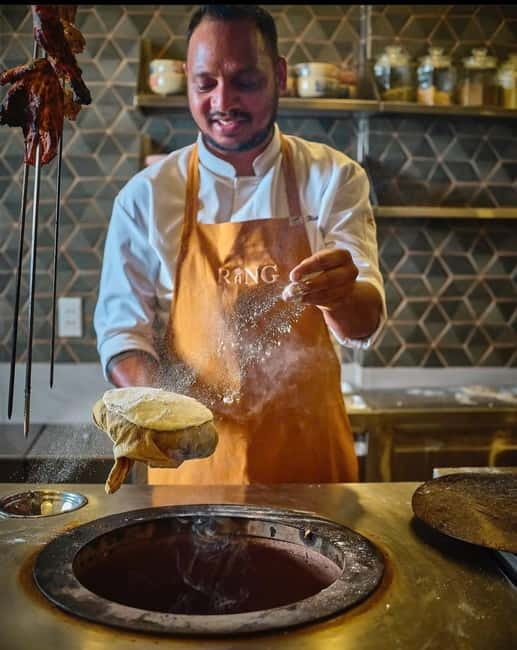
This class is based at RANG Danang, an Indian restaurant in central Vietnam that received the MICHELIN Bib Gourmand award in 2024 and again in 2025. That matters more than it sounds. When a restaurant is being recognized for value and quality, you can usually count on two things: consistent ingredients and a kitchen that runs smoothly. Both show up fast when you’re the one working in the space.
RANG is also known as an internationally Indian, fusion-focused spot, and the class happens right in their real kitchen. In practical terms, that means you’re learning in the environment where the food is actually made—not in a separate demo room. One of the most comforting details is that there are chefs cooking for restaurant customers at the same time, while your class keeps its own rhythm.
If you enjoy eating as much as cooking, this is a smart setup. After you finish baking, you can keep the momentum going with naan dips and the kind of curry pairing you’d expect to find on the menu. In other words, you get both education and a meal without feeling like you rushed through either.
A few more Da Nang tours and experiences worth a look


The 1-day flow: what you do during the naan bread-making class
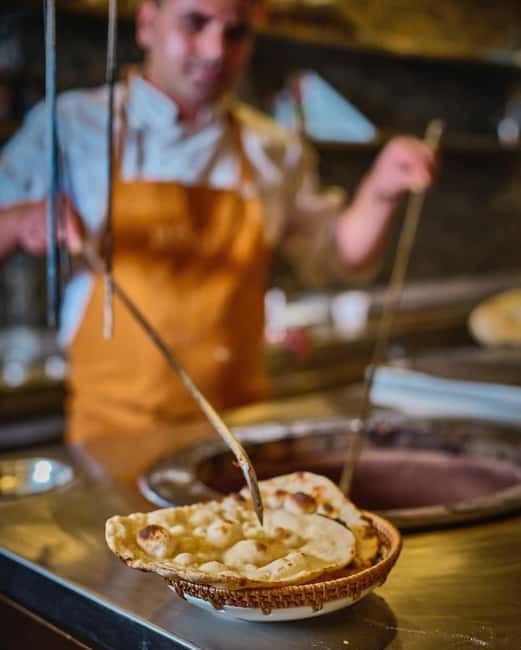
This is a one-day experience with a focused start time (you’ll need to check availability to see when the session runs). The big promise is simple: you’ll craft tandoori naan from scratch, learn the techniques behind it, and taste what you made.
Here’s the heart of how the session typically feels, step-by-step:
You begin with dough work. The class focuses on kneading and getting the dough to the right feel before it ever hits heat. That part matters because naan isn’t just about baking—it’s about building texture. If the dough prep is off, the bread can end up chewy when you wanted soft and fluffy, or uneven when you wanted reliable puffing and browning.
Next comes seasoning. You’ll learn how spices factor into the naan experience, and you’ll also get a sense of what makes tandoori naan taste distinct compared with plain flatbreads. This is where the class goes beyond gimmicks. You’re not just sprinkling random seasoning and hoping for the best. You’re building flavor into the process.
Then comes the fun part: baking. The class is designed around the classic tandoori method—slapping naan onto a tandoor surface for fast cooking and that characteristic heat. If you’re thinking about how you’ll reproduce this later without a tandoor, don’t worry. You’ll also get guidance for an oven alternative for home cooking.
Finally, you taste. The experience includes freshly baked naan tasting, served with signature dips. It’s the payoff moment where you can tell what worked, what you’d tweak next time, and how naan changes the whole curry-eating experience.
Kneading, seasoning, and learning the logic behind naan

The best classes teach you the pattern, not just the recipe. Here, you’ll learn the core techniques that make naan forgiving and delicious.
In a lot of home cooking, people get stuck on one of two issues: they either rush dough prep, or they assume naan is just a flatbread that needs heat. This class treats naan like a bread with structure and technique. You work the dough, learn how to season it, and you practice handling it so it cooks evenly.
You’ll also hear about naan’s place in Indian food culture, including regional significance. The class frames naan as a bread that supports curry meals—soft enough to scoop, durable enough to hold dips, and flavorful enough to stand up even when you keep the curry simple.
You can expect that the class includes multiple styles. The lesson covers things like plain naan, garlic naan, butter variations, and stuffed versions such as paneer or keema. Even if you don’t make every single variation during your exact session, the techniques you learn transfer. You’ll come away understanding how fillings and toppings change the workflow and the final bite.
One more detail I like: you’re not asked to perform in silence. The instructor is English-speaking with Vietnamese and Hindi support, which makes it easier to ask questions while you’re mid-dough. If you’re a first-timer, that’s huge. Cooking classes feel a lot less intimidating when you can clarify a step before the dough dries out.
The tandoor thrill: what to focus on when you slap the naan
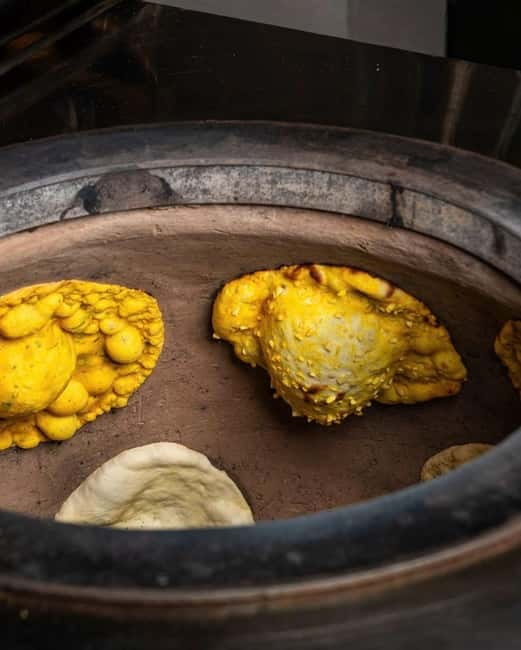
That slap moment is the reason many people book. But the useful part isn’t the stunt—it’s learning what the heat does.
Tandoori-style baking depends on fast contact with intense heat. When you slap naan onto the tandoor (or use the oven alternative method you’re taught), you’re aiming for a few things:
- a soft interior that doesn’t collapse
- browned spots without burning
- steam and puff that give naan that classic chew-soft texture
In the class setting, you get to experience the effect immediately and compare batches. That instant feedback is a big deal for beginners. You can feel when the dough is right, then see how the heat treatment changes the surface.
One thing you’ll likely appreciate is that the chefs aren’t just watching you bake. They guide you on what to do next—how to handle the bread, how to manage timing, and how to get consistent results. Names from the experience stand out here: Chef Manku and server Amit are specifically called out as welcoming and skilled, which matches the overall tone described by people who took the class.
Home-baking tips: naan without a tandoor, and why that matters
A lot of cooking classes end with a cute memory and a vague promise of good luck at home. This one tries to solve the main problem: you might not have a tandoor in your kitchen.
That’s why the class includes pro tips for recreating restaurant-quality naan at home. The focus is practical: dough prep, how to use an oven alternative, and technique adjustments so your naan still cooks fast enough and gets good color.
Even if you’ve never baked bread before, those tips are what turn the class into something you can use again. You don’t need to perfectly match a tandoor to get great results. You just need to understand what the tandoor is doing (fast heat + quick contact) and how to approximate it with your oven setup.
Also, the class encourages creative toppings—things you can do after baking or incorporate as variations. That means you’re not stuck making plain naan every time. You can recreate flavors you liked on your trip, but tailored to what you can find and cook at home.
If you’re the type of traveler who collects recipes like souvenirs, this is one of the best formats. You leave with both knowledge and the confidence that you can execute the bread again without special equipment.






What you eat during and after: dips, curry pairing, and no-pressure dining
Your freshly baked naan tasting is included, and it comes with signature dips. That matters because naan is built to work like a scoop. Dips help you understand texture and flavor in a real eating context, not just as a bread sample.
You also have the option to pair your homemade naan with curry. The class happens inside a functioning restaurant, so curry is part of the normal flow of the day. People mention combining the class with a meal and using their own bread to dip into curry once it comes out.
The best part is the tone: nothing about it feels pushy. If you want to keep it simple—naan and dips—you can. If you want a full lunch with curry, you can. Either way, you’re eating something that just came out of the oven, which is the point.
Price and value: why $2.60 feels fair for what you get
At $2.60 per person, this is an unusually low price for a hands-on food class that includes instruction and tasting. The value isn’t just “cheap”—it’s the structure.
You’re paying for:
- small-group coaching (limited to 8 participants)
- hands-on dough and baking time, not just watching
- chef guidance (in English with additional Vietnamese and Hindi support)
- freshly baked naan you make yourself
- signature dips as part of the tasting
Even without knowing the exact duration of each session, the class covers a full cooking arc: preparation, technique practice, baking, and immediate feedback through tasting. That kind of learning beats many more expensive cooking demos where you don’t get to do the work.
And since RANG is a restaurant with MICHELIN Bib Gourmand recognition, you’re learning in a kitchen that’s already built around quality and value. In short: you’re not buying a token experience. You’re buying a skill you can repeat.
Who should take this class (and who should skip it)
This class is ideal for beginners. The whole format is designed for you to start with no prior experience, and the class is explicitly beginner-friendly and interactive.
If you love Indian food and want to understand why naan works with curry, you’ll get a lot out of the history and technique pieces. If you’re less into the story and more into results, you’ll still be happy because you’ll make naan and take home home-baking guidance you can use.
A few people should think twice:
- Children under 7 aren’t suitable for this activity.
- If you prefer a strictly sit-and-watch activity, this one involves hands-on dough handling and active cooking steps.
It’s also a good fit if you’re traveling as a couple or small group. Limited to 8 participants, you’ll get attention instead of being lost in a crowd.
Quick practical notes before you go
- Language support includes English, Vietnamese, and Hindi, taught by an instructor.
- The group is small (up to 8 participants), which keeps the class interactive.
- Alcohol and drugs are not allowed.
- You’ll want to plan for a session during the day, with starting times depending on availability.
Also, keep your expectations realistic: this is a cooking class, so you’ll be working with dough and heat. Wear comfortable clothes you don’t mind getting flour on.
Should you book the Da Nang Tandoori Naan Bread-Making Class?
Book it if you want a true skill-based cooking experience that ends with food you made yourself. The best reasons are simple: hands-on guidance from a chef-led team, a small-group setup, and home-baking tips that help you recreate naan without a tandoor.
Skip it only if you don’t want hands-on cooking or if you’re traveling with kids under 7. If you’re in the sweet spot—curious about Indian food, ready to get flour on your hands, and excited to bake at home later—this is a high-value class at a price that feels almost too good to be real.
FAQ
Where is the meeting point for the class?
The class meets at RANG Danang, an internationally Indian restaurant in Da Nang.
How big is the group?
The class is limited to a small group of up to 8 participants.
Do I need any prior cooking experience?
No prior experience is needed. The class is beginner-friendly.
What languages are used by the instructor?
The instructor teaches in English, Vietnamese, and Hindi.
What will I learn to make?
You’ll learn to make tandoori naan from scratch, including techniques and variations such as plain, garlic, butter, and stuffed options like paneer or keema.
Is there alcohol allowed during the activity?
No. Alcohol is not allowed.
Is this activity suitable for children?
It is not suitable for children under 7 years old.