REVIEW · DA NANG
Da Nang Coffee Making Workshop
Book on GetYourGuide →Operated by HOI AN FOOD TOUR · Bookable on GetYourGuide
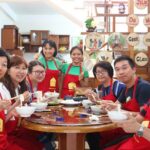
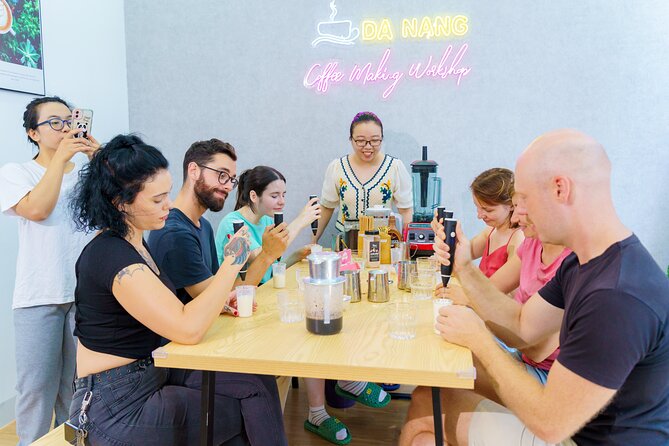
Phin coffee and egg coffee in one class. The Da Nang Coffee Making Workshop is a hands-on way to understand why Vietnamese coffee tastes the way it does, and you do more than watch—you make and taste. My favorite part was the mix of flavors: bold drip coffee, then the dessert-style styles like egg coffee and coconut coffee. I also liked how the sessions stay practical and friendly, led by Jane, who makes the steps easy to follow and the stories clear.
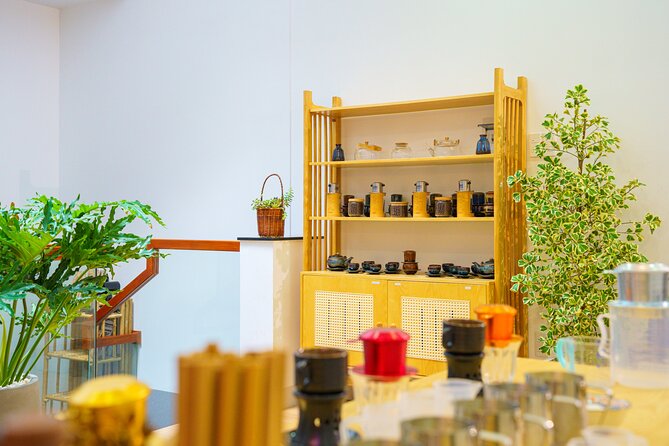
Second, the setting is clean and modern, and you use real brewing gear instead of one of those sad demo setups. I walked away with a PDF of the instructions, which matters if you want to reproduce these at home without guesswork. One drawback to plan for: you’ll likely drink a lot of coffee in a short time, and if you go in on an empty stomach, the caffeine can hit fast.
In This Review
- Key things you’ll notice in this Da Nang coffee workshop
- Why Vietnamese coffee tastes different in your cup
- The class lengths that fit your schedule (90 minutes to a half day)
- What you do step-by-step with phin coffee and tools
- Egg coffee in Da Nang: why it feels like dessert
- Salt coffee: the surprising flavor that actually makes sense
- Coconut coffee: smooth, creamy, and built for fans of mellow drinks
- Lunch and the cooking add-on when you want more than just caffeine
- Price and value in Da Nang: what $17 buys (and what it saves you)
- Practical tips so your coffee class goes smoothly
- Should you book this Da Nang Coffee Making Workshop
- FAQ
- What types of Vietnamese coffee will I learn to make?
- How long is the Da Nang coffee workshop?
- What start times are available?
- Is lunch included, and what does it include?
- Do I need pick-up and drop-off?
- Is the workshop in English, and is it wheelchair accessible?
Key things you’ll notice in this Da Nang coffee workshop
- You learn four signature Vietnamese styles: phin coffee, egg coffee, salt coffee, and coconut coffee.
- Hands-on brewing beats just tasting—you’ll operate the tools, not just observe.
- English instruction with a real personality: Jane is known for clear teaching and humor.
- Clean, modern space and top-notch tools make it easy to focus.
- You get take-home instructions (PDF) so you can recreate the recipes later.
- Optional lunch or cooking add-on turns it into a longer Da Nang food morning.
Why Vietnamese coffee tastes different in your cup
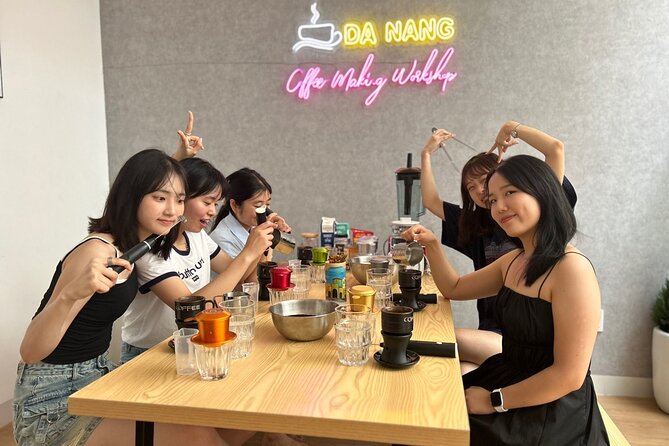
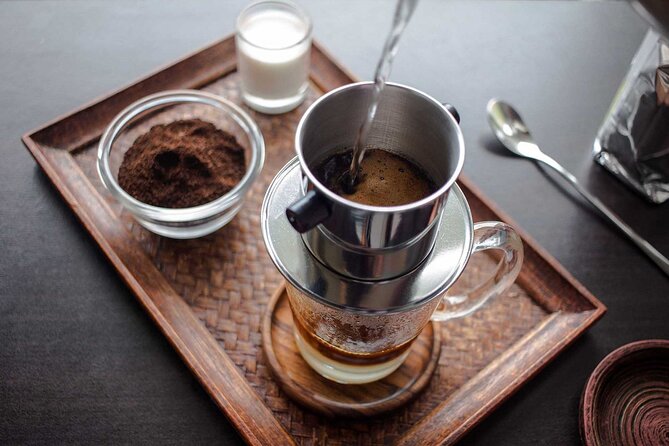
Vietnamese coffee is built on contrast. It’s usually strong and dark, but the way it’s brewed and sweetened often makes it feel smooth rather than harsh. A big reason is the phin brewing method: you’re using a small metal drip filter that controls the flow and extracts flavors slowly.
In class, you’ll see how that system changes the cup. When you learn phin coffee first, it becomes your baseline. After that, the egg coffee, salt coffee, and coconut coffee stop feeling random and start feeling like deliberate variations—different ways of balancing bitterness with fat, sweetness, and texture.
Also, Vietnamese coffee culture isn’t just about drinking. It’s social and routine, and the workshop’s story angle helps you connect the recipes to the everyday habits behind them. That makes the food-math of coffee (strength, dilution, sweetness) feel less like chemistry homework and more like local practice.
A few more Da Nang tours and experiences worth a look

The class lengths that fit your schedule (90 minutes to a half day)
This workshop comes in different formats, so I’d choose based on how hungry you are for caffeine and how much time you have in Da Nang.
If you want the focused coffee experience, you can book a shorter coffee making class with set start times at 10:00 am, 1:00 pm, and 3:30 pm. That version runs about 1.5 hours, and the flow is essentially: intro + learn the tools + make and enjoy the main coffees.
If you want coffee plus lunch, there’s a longer option of about 2.5 hours with meet times at 12:00 noon or 2:30 pm. You eat first, then you shift into coffee making.
If you’re in full food-mode, the cooking-and-coffee class is about 4 hours with a 9:30 am start. That one adds a Vietnamese cooking menu that changes by day.
Pick the short class if you’re fitting this between beach time and dinner. Pick the longer options if you want a full morning activity—especially if you like the idea of learning one craft (coffee) and one extra craft (food prep) instead of just tasting.
What you do step-by-step with phin coffee and tools

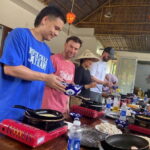
The workshop is designed to be hands-on. You’ll be given coffee making tools and guided by an English-speaking instructor through each stage, including how to set up, brew, and assemble your cups.
What makes this valuable is that you’re learning the mechanics that matter:
- how the phin drip changes extraction time,
- how to portion coffee and manage strength,
- and how the final flavor depends on how you build the cup (not just what beans you buy).
Jane’s style shows up in the way she teaches. In past sessions, she’s described as funny, patient, and very clear. That matters because Vietnamese coffee can look intimidating on YouTube, but in real life it’s mostly about doing each step correctly and tasting as you go.
By the time you move from phin coffee into the specialty cups, you’ll understand what’s changing. You’re not starting over—you’re translating the base method into a new format.
Egg coffee in Da Nang: why it feels like dessert
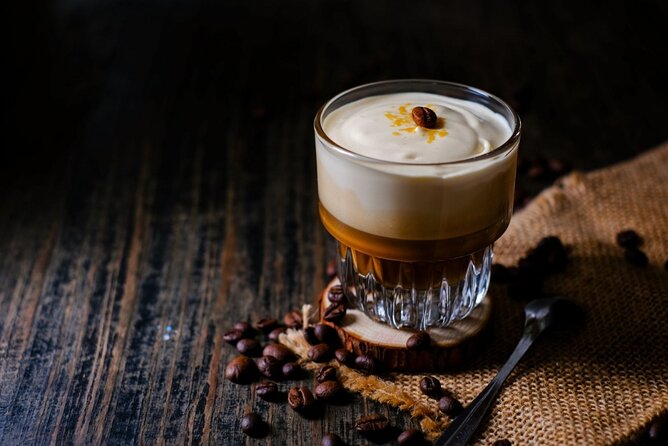
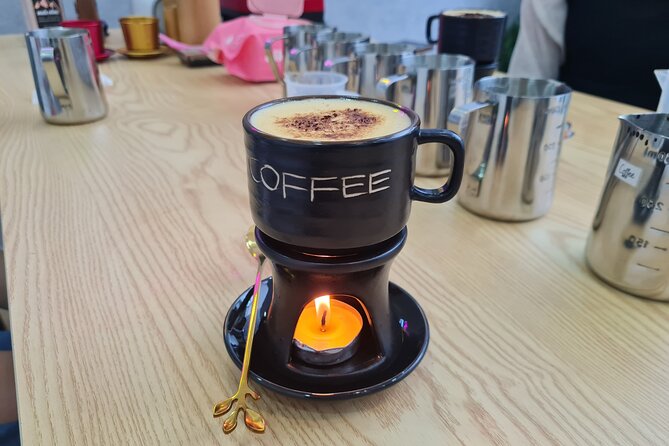
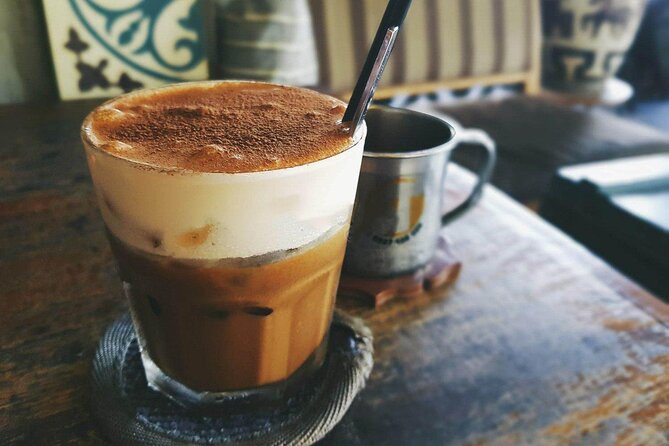
Egg coffee is one of those Vietnamese inventions that sounds odd until you try it. The foam-like topping and custardy texture can taste like a cross between a latte and a sweet treat, but it still keeps a strong coffee backbone.
In the workshop, you learn how to make it with guidance, which is huge because the technique (mixing and building the topping) is where the magic happens. You’re not just adding cream—you’re creating texture, then combining it with the coffee base you learned earlier.
What I like about this component is that it teaches you a principle: Vietnamese coffee doesn’t only chase stronger flavor. It also chases better balance. Egg coffee is a perfect example of sweetness and richness meeting bitterness in a controlled way.
One practical note: the workshop menu contains eggs and milks, so if you have allergies, tell the organizer ahead of time. (The workshop data explicitly flags this.)
Salt coffee: the surprising flavor that actually makes sense
Salt coffee is the kind of thing that sounds like a prank until you understand what salt does. Used correctly, it can make sweetness feel less cloying and can sharpen coffee notes instead of covering them.
In class, salt coffee is one of the specialty recipes you’ll learn to prepare. You’ll follow the instructor’s steps and build a cup that shows why Vietnamese coffee often tastes both bold and mellow.
The real win here is learning how to guide the cup toward the right balance. If you’ve ever made sweet iced coffee at home and wondered why it tasted flat, salt coffee is a lesson in why small changes can bring out more aroma instead of just adding sugar.
A few more Da Nang tours and experiences worth a look

Coconut coffee: smooth, creamy, and built for fans of mellow drinks
Coconut coffee is another example of Vietnamese creativity. Coconut gives softness and body, and it can turn a strong coffee base into something that feels more like a creamy drink than a sharp espresso-style hit.
As you make it in the workshop, you’ll see how the recipe structure changes the feel of the cup. You’re building sweetness and aroma in a different way than egg coffee, and that gives you real contrast.
If you like coffee drinks that taste like dessert but you still want caffeine and coffee flavor, this is usually a crowd-pleaser. It also tends to help people who find straight black coffee too intense.
Lunch and the cooking add-on when you want more than just caffeine
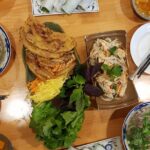
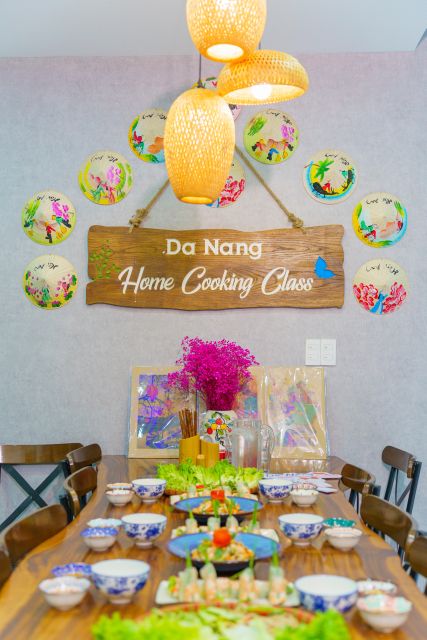
If you book the coffee-and-lunch option, your meal comes before the coffee making. The lunch menu includes:
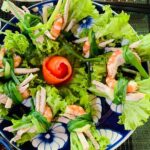
- Fresh spring rolls
- Crispy Vietnamese Pancakes
- Mango salad with shrimp and pork
A vegetarian option is available.
This matters because the workshop data points out that you’ll drink several coffees. Eating first makes the caffeine feel like a fun boost instead of a trial.
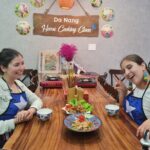
If you book the cooking-and-coffee class, you’ll also get a full Vietnamese food menu that changes depending on the day:
- Some days: Quang Noodle, fish sauce chicken wing, green papaya salad with shrimp, and deep-fried spring rolls
- Other days: Pho, crispy Vietnamese pancakes (Banh Xeo), green mango salad with shrimp, and fresh spring roll
So you’re not just learning coffee. You’re building familiarity with Vietnamese flavors across fresh, sour, fried, and noodle categories—then ending with coffee you made yourself.
Price and value in Da Nang: what $17 buys (and what it saves you)
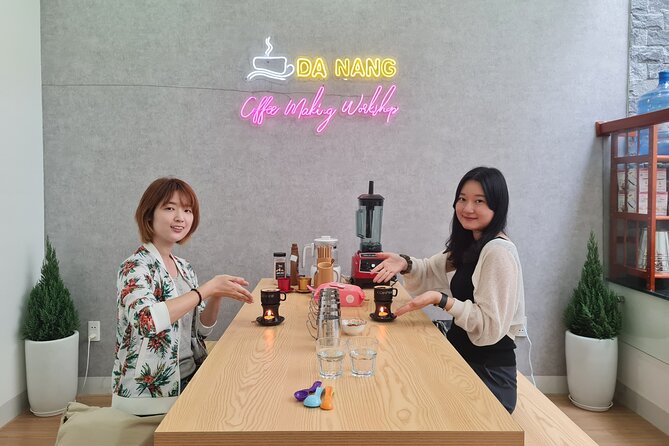
The workshop is listed at $17 per person for the coffee making experience. That’s a fair price considering what’s included: coffee making tools, an English-speaking instructor/guide, and making four types of coffee, plus lunch only for the longer packages.
The value comes from two things:
- You learn multiple recipes in one sitting. Paying for one Vietnamese drink is easy. Paying to learn four drink styles with instructions is the better deal.
- You leave prepared to repeat it. The take-home PDF and step-by-step teaching mean you’re not stuck buying an expensive espresso setup just to copy what you had in Vietnam.
Also, there’s no stress about needing fancy equipment at home if you already have a phin setup. The whole point is to translate the method you learn into a brew routine you can do yourself.
What you should watch for is logistics. Pick-up and drop-off aren’t included, so you’ll need your own way to get to the meeting point. That’s normal for workshops, but it can affect total cost if you’re relying on taxis the whole time.
Practical tips so your coffee class goes smoothly
A few things I’d do before you go, based on how these workshops play out in real life.
First, plan for caffeine. One detailed caution from past participants: if you drink everything you make, it can add up to the equivalent of several espresso shots. Don’t arrive empty. Have a light snack before you go.
Second, if you have dietary limits, don’t guess. The workshop menu contains eggs and milks, and you should flag needs ahead of time. That way the guide can help you choose what’s workable during the session.
Third, bring a mindset of learning, not collecting. You’ll taste multiple versions, but the real win is remembering the step that produced the flavor change. If you treat it like a practical demo, you’ll get more out of it.
Finally, use the small-group format to your advantage. With small groups, you can ask questions without feeling rushed, and Jane’s teaching style tends to support that kind of back-and-forth.
Should you book this Da Nang Coffee Making Workshop
If you like food classes where you actually make things, this is a strong yes. The combination of four iconic Vietnamese coffees, an English-speaking guide (Jane), a clean modern setup, and take-home instructions makes it a practical activity, not just a photo stop.
Book it if:
- You want a rainy-day plan that still feels hands-on.
- You’re curious about how Vietnamese coffee differs from what you know at home.
- You want recipes you can repeat, not just drinks you finish and forget.
Skip it or choose a shorter time slot if:
- You hate lots of caffeine or you’re sensitive to eggs and dairy.
- You can’t reliably handle getting yourself to the meeting point without transport help.
If you want one reliable, culturally rooted Da Nang activity that blends hands-on technique with local flavor, this coffee workshop is one of the best bets.
FAQ
What types of Vietnamese coffee will I learn to make?
You’ll learn to make four types of Vietnamese coffee: egg coffee, salt coffee, coconut coffee, and phin coffee.
How long is the Da Nang coffee workshop?
The coffee making workshop runs about 90 minutes to 5 hours, depending on which package you choose. The coffee-only class is about 1.5 hours, the coffee-and-lunch option is about 2.5 hours, and the coffee-and-cooking class is about 4 hours.
What start times are available?
The coffee-only class has meet-up times at 10:00 am, 1:00 pm, and 3:30 pm. The coffee-and-lunch option has meet-up times at 12:00 noon and 2:30 pm. The coffee-and-cooking class meets at 9:30 am.
Is lunch included, and what does it include?
Lunch is included in the package that combines coffee making and lunch. The menu includes fresh spring rolls, crispy Vietnamese pancakes, and mango salad with shrimp and pork, and a vegetarian option is available.
Do I need pick-up and drop-off?
No. Pick-up and drop-off are not included, so you’ll need your own transport to get to the meeting point.
Is the workshop in English, and is it wheelchair accessible?
Yes, the instructor and guide are English-speaking, and the activity is wheelchair accessible.