REVIEW · CAN THO
Can Tho: The Untouched Mekong for Nature Souls
Book on GetYourGuide →Operated by Mekong By Local · Bookable on GetYourGuide
Silence in the Mekong Delta comes first, and this half-day tour pairs that quiet with Khmer pagoda spirituality and the Lung Ngoc Hoang Nature Reserve wetlands. You’ll get a morning-style mix of culture and nature: tiered temple views, shaded walking paths, and slow gliding boat time through canals.
I love the boat trip in the forest canals and the hands-on basket weaving stop, because both feel practical, not just scenic. One consideration: it involves walking on uneven paths and it’s not suitable for mobility impairments or wheelchair users, so sturdy shoes matter.
In This Review
- Key things I’d prioritize on this tour
- Can Tho’s quieter Mekong side, without the full-day grind
- The Khmer pagoda stop: where art, ritual, and daily life meet
- Lung Ngoc Hoang Nature Reserve: the wetland sanctuary view that changes your sense of scale
- Walking the shaded trail and spotting birds the easy way
- The boat trip through forest canals: calm water, arching trees, and quiet watching
- Basket weaving workshop: more than a souvenir stop
- Getting the timing right: why this half-day structure works
- What’s included for $43, and why it still feels fair
- What to bring, and how to make the day smoother
- Who should book this tour from Can Tho
- Should you book Can Tho: The Untouched Mekong for Nature Souls?
- FAQ
- How long is this tour?
- What does the tour include?
- Does the price include meals?
- Do I need to pay extra for snacks or fruit?
- What should I bring?
- Is smoking allowed?
- Is this tour suitable for wheelchair users?
- Is it suitable for people with mobility impairments?
- What language are the guides?
- Can I book without paying right away?
Key things I’d prioritize on this tour
- Lung Ngoc Hoang’s wetland views from a 25-meter-high observation tower, with rivers and melaleuca forest stretching out
- A Khmer pagoda visit focused on living Theravāda Buddhism, not just photos of old buildings
- A shaded forest trail plus a calm boat ride that makes bird-spotting more likely
- Basket weaving with local rhythm and real materials (bamboo baskets come from more than a demo)
- English-speaking guides like Clara, Sophia (Anh), Sunny, and Thuy, praised for clear explanations and friendly energy
Can Tho’s quieter Mekong side, without the full-day grind
This is a half-day outing from Can Tho aimed at the Mekong Delta’s softer side: fewer crowds, more quiet, and nature that feels less staged. You start in Can Tho and return to Can Tho, so you’re not giving up a whole day or juggling multiple transfers.
The value here is the combination. A Mekong trip can easily turn into only markets or only scenery. This one ties together faith and everyday life (at the Khmer pagoda) with the Delta’s wetland ecosystem (at Lung Ngoc Hoang). That pairing is what makes it interesting for nature lovers who also want meaning.
Also, the operator structure is designed for timing. They choose departure and return slots meant to minimize crowds, and they mention a specialized schedule compared to other Can Tho options. If you’re trying to escape the busiest hours, that matters.
You can also read our reviews of more tours and experiences in Can Tho.

The Khmer pagoda stop: where art, ritual, and daily life meet
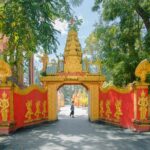
The first major cultural moment is a Khmer pagoda connected with Theravāda Buddhist practice. Expect ornate details: tiered roofs, carved ornamentation, and brightly painted statues. It’s the kind of architecture you notice even if you’re not usually a temple person, because the colors and shapes are so specific.
What I like most is that this stop isn’t presented as a quick photo pause. Your local guide explains what the pagoda is for and how Khmer spiritual life shows up in day-to-day routines. That practical context helps your brain file the place correctly, instead of treating it like a backdrop.
In past groups, guides such as Sophia (Anh), Sunny, and Thuy were praised for connecting temple details to how people actually live in the region. That approach is useful if you want to understand the Delta beyond surface-level sightseeing.
Practical tip: dress for a respectful temple visit. Light clothing is fine in southern Vietnam heat, but keep it comfortable for walking and warm enough that you’re not constantly adjusting yourself in front of religious spaces. Bring a camera, but remember that watching and listening is part of the experience.
Lung Ngoc Hoang Nature Reserve: the wetland sanctuary view that changes your sense of scale
Lung Ngoc Hoang Nature Reserve is the core reason many people choose this tour. You’re visiting one of the last untouched wetland ecosystems in the Mekong Delta, which is a big claim—and the tour’s structure tries to prove it with the type of terrain you’ll see.
First stop in the reserve is a 25-meter-high observation tower. From up there, you can take in sweeping views: melaleuca forest, winding rivers, and in certain seasons, rice fields glowing under the sun. Even if you’ve seen wetlands before, this kind of height changes everything. It’s easier to understand how the water system shapes where wildlife can live.
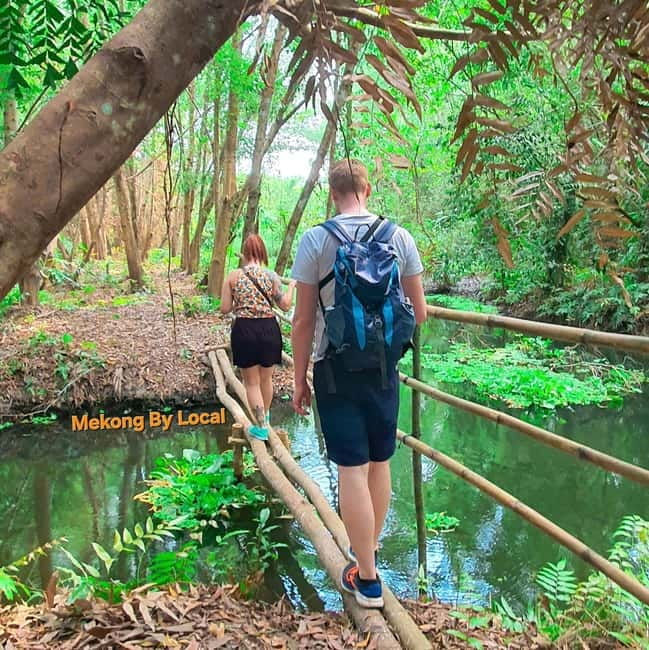
Once you’ve looked from above, you shift to walking. There’s a gentle forest trail with shade and a slow pace. Expect sounds of nature and filtered light through the canopy, plus stops for your guide to point out plants and wildlife chances.
A key theme: this reserve is calm by design. The point isn’t to race through checklist nature stops. It’s to slow down enough that you notice what’s around you—especially birds. The boat portion later also supports that, because it lets you quietly observe without forcing animals to move.
Walking the shaded trail and spotting birds the easy way
The forest trail is intentionally paced, which helps because the weather can be intense in the Delta. Comfortable shoes aren’t just recommended here; they’re essential, since you’ll be on foot in areas that can feel uneven or damp.
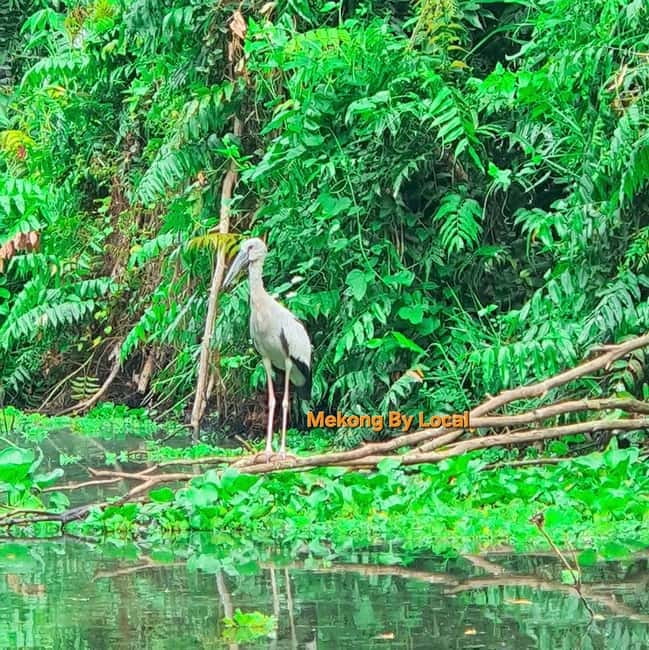
If you’re hoping for wildlife, this is where your odds improve. The tour’s combination of shaded walking and slower canal movement gives you more chances to see birds than a quick roadside stop would. You might not see every animal you dream about, but you’re in a setting built for spotting.
One extra practical note from the experience style: your guide checks on your group and keeps the rhythm comfortable. That matters on a half-day trip because you want your energy to stay high for the boat ride and the cultural stop afterward.
The boat trip through forest canals: calm water, arching trees, and quiet watching
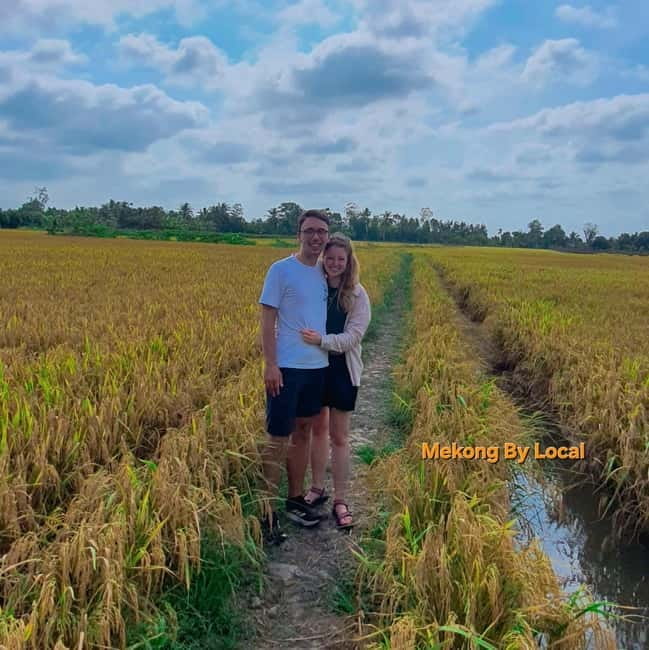
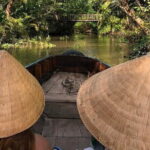
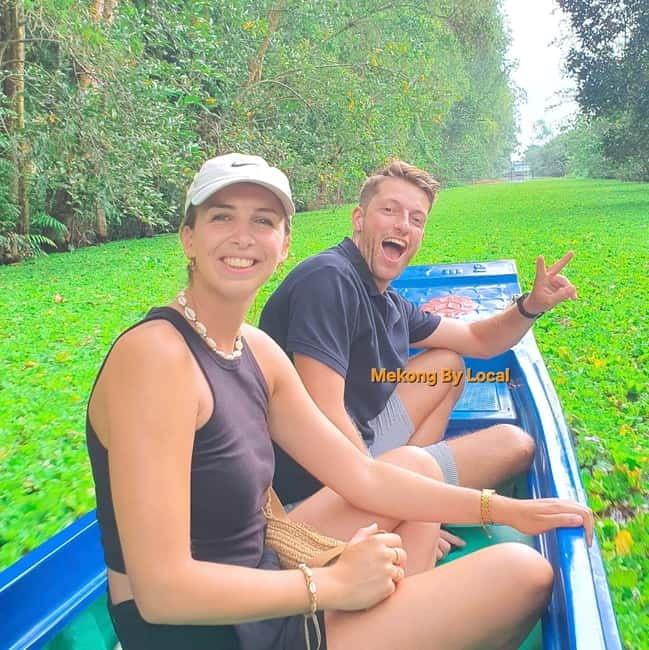
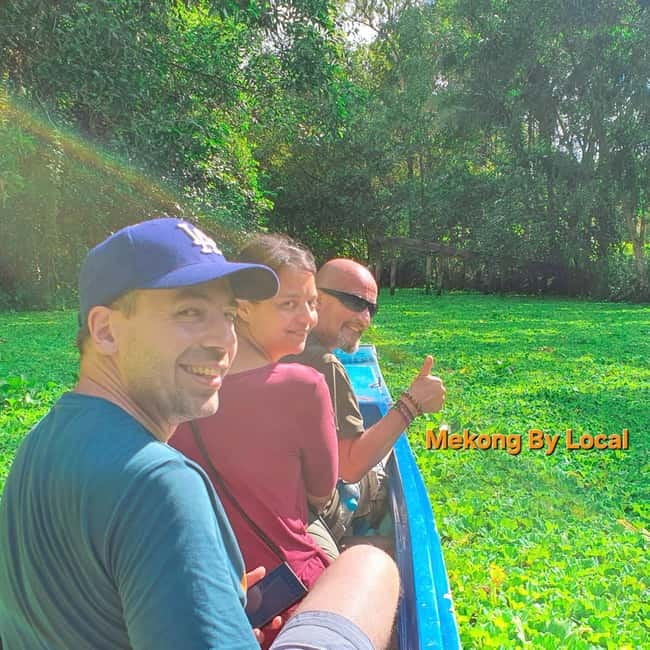
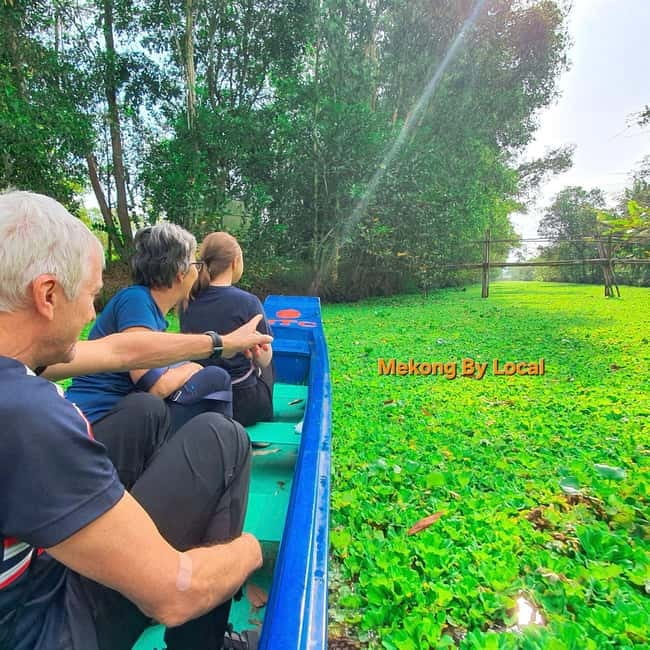
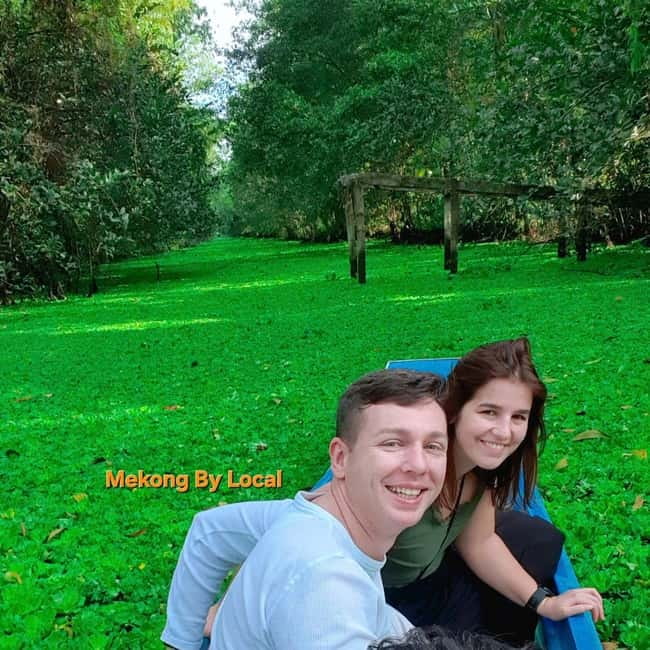
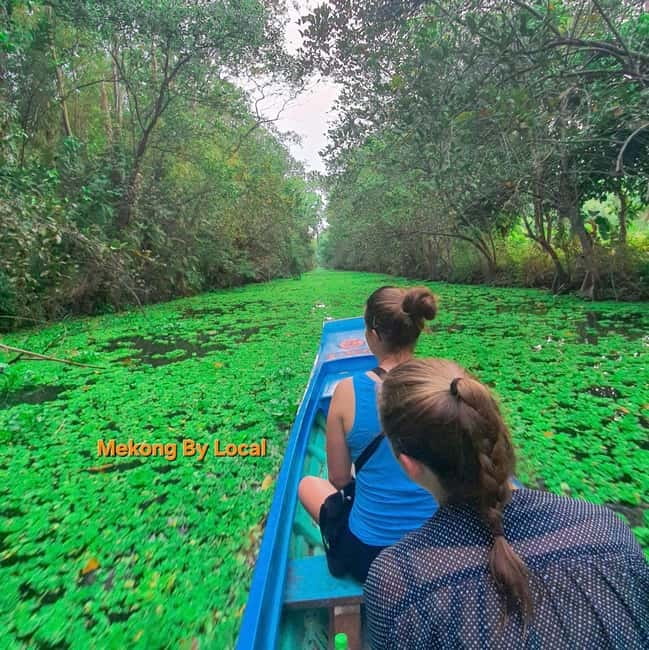
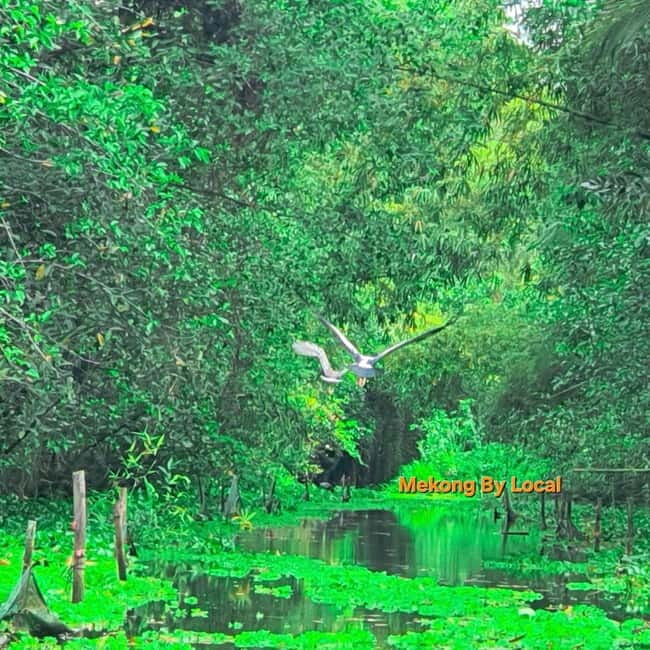
The standout nature moment for many people is the boat trip in the canals inside or connected to the reserve. You’ll drift along peaceful waterways under arching trees, which creates that slow-motion feeling you only get when you’re not fighting traffic or walking nonstop.
This is also the part that supports bird-spotting. When you’re moving slowly through habitat, birds have fewer reasons to relocate. And because you’re quiet, you often notice more subtle movement—something hopping along the edge, a wing flick, or a bird call that turns into a sighting once your eyes adjust.
If you’re a photography person, this is often the best time to shoot. Boat speed is slow, lighting can be soft early in the day, and the canopy overhead creates interesting framing. Still, keep your camera strap secure and watch where you step while boarding.
In some groups, guides were also described as offering refreshments like coconut milk and fruit such as mango or passion fruit. That kind of detail can make the boat ride feel warmer, but it’s not the main reason to book. The main reason is the water-and-forest atmosphere.
Basket weaving workshop: more than a souvenir stop
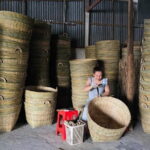
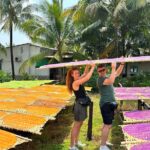
A basket weaving workshop adds a hands-on layer that makes the trip feel grounded. Instead of seeing crafts only through a shop window, you get a chance to understand how bamboo baskets are made and why the craft still matters.
This stop is especially good if you like learning processes. Bamboo weaving isn’t complicated in concept, but it has technique. You’ll likely get explanations about materials and how the weaving comes together in practice.
Past experiences with guides such as Sunny and Sophia (Anh) highlight how they explain the craft clearly and connect it to local life. That makes the workshop feel less like entertainment and more like cultural contact.
Practical tip: if you want to bring home a small souvenir, this is usually where that opportunity fits best. Just don’t treat it like a hard sell stop—focus on the learning.
Getting the timing right: why this half-day structure works
Half-day tours can go two ways: either they’re rushed, or they’re balanced with purpose. This one aims for balance with that morning-and-back-to-Can-Tho format.
A big practical win is avoiding the long sit-down grind. You’ll use a portion of the day for nature and culture, then you’re back in town with enough daylight or evening time for Can Tho’s night market and regular meals.
They also mention customizing time slots to minimize crowds. You feel that difference in a wetland reserve because the quiet is part of the value. If you arrive when the area is already busy, the whole experience changes.
So if you’re booking alongside other Can Tho activities, treat this as your “nature-and-culture anchor.” It sets a tone for the rest of your trip.
What’s included for $43, and why it still feels fair
Price is listed at $43 per person, which is a good chunk for a half-day in Vietnam, but it doesn’t feel inflated for what you’re getting. The tour includes an expert guide, entrance to Lung Ngoc Hoang Nature Reserve, return transportation to Can Tho, and the basket weaving workshop.
What’s not included is meals and drinks, plus personal expenses. That’s normal for this style of tour. Plan to eat before or after, and bring a water bottle so you’re not stuck buying something expensive at the wrong moment.
When evaluating value, I focus on costs that usually add up:
- guided time and interpretation (not just entrance fees)
- transport within the Can Tho area and back
- reserve entry plus boat experience time in the habitat setting
- a cultural activity (basket weaving) that isn’t just a look-and-leave
If you were to do pagoda sightseeing, a reserve visit, and a boat excursion separately, the pieces would likely cost more in time and logistics than paying one bundled price.
What to bring, and how to make the day smoother
This tour is straightforward, but the Delta’s sun and humidity can sneak up on you. Bring comfortable shoes, sunscreen, water, and insect repellent. A hat helps more than you think. Camera-wise, you’re likely to want it for both the pagoda details and the bird-and-canopy moments in the reserve.
Wear light clothing, but don’t go so thin that you’re uncomfortable in shaded areas or while walking. And if you’re sensitive to bugs, repellent isn’t optional.
One small behavior note: smoking isn’t allowed. Also, treat wildlife and the reserve with respect. That means slow movements, listening when your guide talks, and not trying to force close-up encounters with animals.
Finally, note who it’s not for: it’s not suitable for wheelchair users and not suitable for people with mobility impairments, and it’s not suitable for people over 95 years. If any of that matches you, you’ll likely find the walking and terrain too challenging.
Who should book this tour from Can Tho
This works best if you want a nature-first Mekong Delta experience that also includes culture. If you like bird-spotting, shaded walking, and a calm boat ride, you’ll probably feel happy here.
It also suits travelers who want more than a checklist: the guide explanations at the pagoda and during the basket weaving workshop are a big part of the value. If you care about understanding how the Khmer community practices Buddhism and how local crafts fit into daily life, this half-day format is a good match.
If you’re short on time, this is a practical option. If you’re also trying to see floating markets, you can combine this with that style of outing, and they mention it can be added for an extra cost. The key is to pair different experiences so your day doesn’t feel repetitive.
Should you book Can Tho: The Untouched Mekong for Nature Souls?
Yes, if you want a half-day that actually balances quiet nature with culture, and you’re willing to do some walking on uneven ground. The most praised parts are the boat trip through the canals and the way guides explain both the pagoda and everyday life, not just the scenery.
No, if you can’t manage walking, or if you need a fully wheelchair-friendly route. This tour isn’t built for that, and the reserve setting won’t change just for one person.
If you like thoughtful guides and want fewer crowds, it’s worth booking. The $43 price makes sense when you factor in reserve entry, transportation, guiding, and the included basket weaving workshop. You’ll come away with the feeling that the Mekong Delta has layers beyond the usual highlights—and you’ll get proof of that in both temple art and wetland quiet.
FAQ
How long is this tour?
It’s a half-day tour from Can Tho that returns to Can Tho.
What does the tour include?
The tour includes an expert guide, basket weaving workshop, entrance to Lung Ngoc Hoang Nature Reserve, and return transportation to Can Tho.
Does the price include meals?
No. Meals and drinks are not included.
Do I need to pay extra for snacks or fruit?
Fruit or drinks aren’t listed as included, but guides have served refreshments in some cases. Meals and drinks are not included in the tour package.
What should I bring?
Bring comfortable shoes, a camera, sunscreen, water, and insect repellent.
Is smoking allowed?
No. Smoking is not allowed.
Is this tour suitable for wheelchair users?
No. It’s not suitable for wheelchair users.
Is it suitable for people with mobility impairments?
No. It’s not suitable for people with mobility impairments.
What language are the guides?
The tour is conducted in English.
Can I book without paying right away?
Yes. It offers reserve & pay later, meaning you can book your spot and pay nothing today.