REVIEW · CAN THO
Can Tho: Floating Market & Lung Ngoc Hoang Nature Reserve
Book on GetYourGuide →Operated by Mekong By Local · Bookable on GetYourGuide
Morning boats beat the traffic in Can Tho. This is an 8-hour mix of sampan cruising and real Mekong routines, with a sunrise run through Cai Rang plus quiet canal time that feels worlds away from the city. I love the contrast between the famous market energy and the calmer side trips, and I also like the payoff at Lung Ngoc Hoang Nature Reserve, where the sounds shift to birds and trees instead of engines. One thing to consider: the tour starts early and includes moderate walking, so it may feel like a lot if your legs tire easily.
The ride is in a small group (up to 10), led by an English-speaking guide, and the day is paced with hotel pickup, boat time, and guided stops that add context instead of just checking boxes. In practice, the best part is often the people—guides such as Sophia, Theo, or Sonny bring clear commentary and stay flexible when rain shows up. The only drawback I’d flag is that this is not a good match for wheelchair users or anyone needing mobility support.
In This Review
- Key highlights worth your time
- Cai Rang floating market at sunrise: the part you will remember
- Breakfast on the river: simple food, strong sense of place
- Phong Dien canal time: the quieter side of the Mekong
- Traditional noodle house: where food feels like family work
- Bamboo basket weaving village: try the craft, not just watch it
- Khmer pagoda visit: calm architecture and Buddhism explained
- Lung Ngoc Hoang Nature Reserve: when the day finally slows down
- How the 8 hours fit together (and how it feels day-of)
- Price and value: why $72 can make sense here
- What to pack for a boat, a craft village, and nature reserve
- Should you book this Can Tho floating market and Lung Ngoc Hoang day trip?
- FAQ
- How long is the tour?
- What time does the tour start?
- How many people are in the group?
- Is breakfast included, and are vegetarian options available?
- What language is the guide?
- Where do I meet the tour?
- Do you enter Lung Ngoc Hoang Nature Reserve?
- Is there a lot of walking?
- Is the tour wheelchair accessible?
Key highlights worth your time
- Cai Rang floating market at sunrise from the water, when it’s easiest to see how trading actually works
- Breakfast served on the river with vegetarian options available if you request in advance
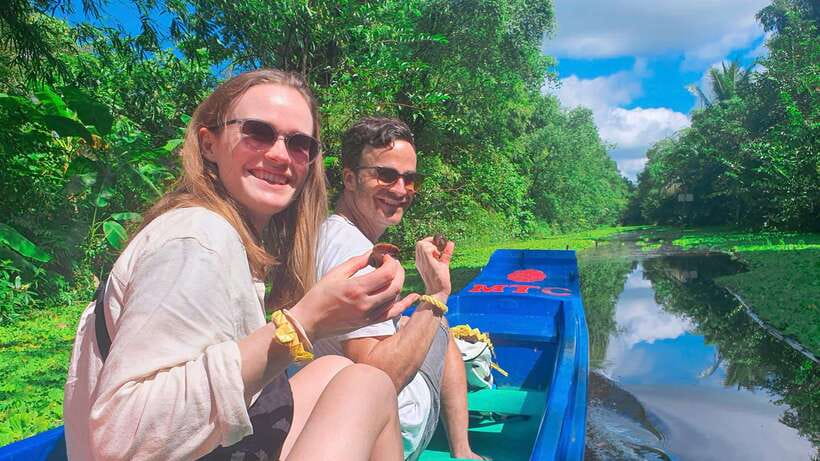
- Smaller canals via Phong Dien in a traditional-style boat, with a better view even at low tide
- Hands-on bamboo basket weaving village visit, meeting artisans and trying your own technique
- Khmer pagoda with local context, including an explanation of Buddhism from a guide or local expert
- Lung Ngoc Hoang Nature Reserve entry for greenery, birds, and a calmer rhythm outside the spotlight
Cai Rang floating market at sunrise: the part you will remember
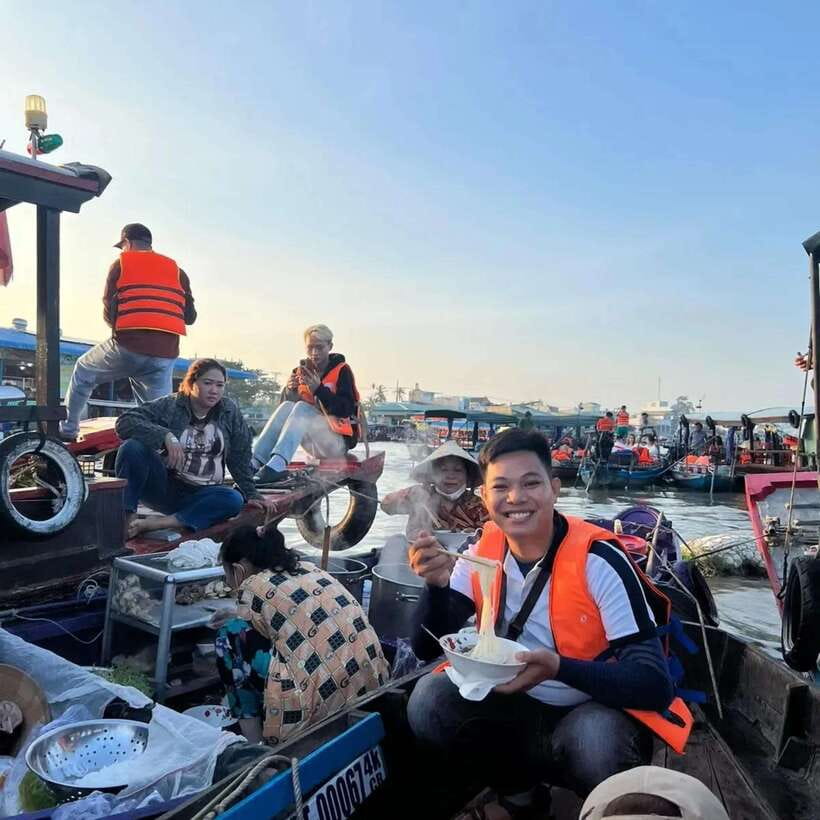
Cai Rang is the Can Tho floating market everyone talks about, and doing it from a sampan morning helps you see it the way locals likely experience it. You arrive early enough for sunrise light over the Mekong’s Can Tho tributary, when the river looks softer and the market feels more readable than chaotic.
Expect the market to unfold right around you: boats loaded with produce, sellers calling out, and the constant motion of trade. The goal is not just photos. You’re also learning how this market functions—how people buy, sell, and move goods along the water routes that shape daily life here.
A practical note: come with your camera ready, but also take breaks. The best photos happen when you slow down for a moment and watch how boats approach, trade, and drift apart again. If you’re sensitive to early mornings, this tour is still worth it, but you’ll want to be mentally prepared for the start time.
You can also read our reviews of more shopping tours in Can Tho

Breakfast on the river: simple food, strong sense of place
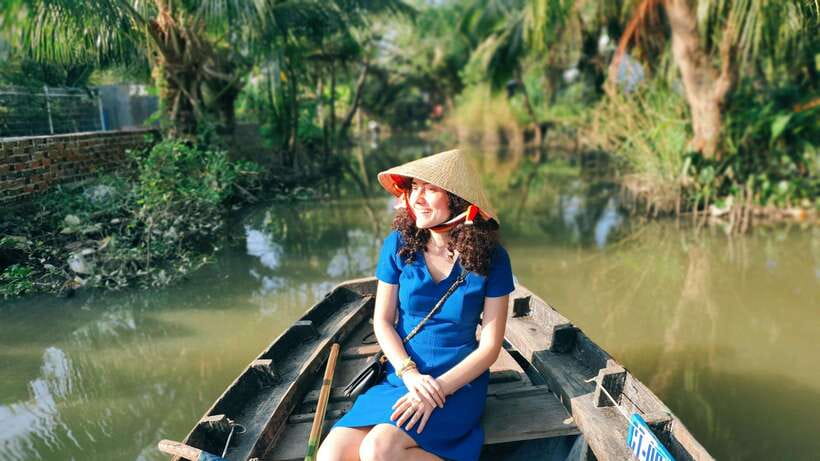
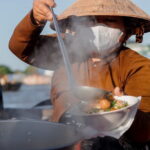
One of the smartest inclusions here is breakfast right on the river, after you settle into the morning boat rhythm. You’re not stuck in a café pretending to be local. You’re eating where the activity is happening, with sunrise and river air doing half the atmosphere work.
The tour includes breakfast, and the important detail for many people: vegetarian-friendly options are available. If you care about this, notify in advance so the meal matches what you need. This kind of planning matters on Mekong days, because you don’t want to be halfway through a tour deciding what you can and cannot eat.
How to make the meal more enjoyable:
- Bring water even though breakfast is included, because boat time still dries you out.
- Wear something light but sun-protective. Breakfast may be early, but the sun still shows up.
This stop hits the sweet spot of comfort plus authenticity. It’s not fancy, but it feels real.
Phong Dien canal time: the quieter side of the Mekong
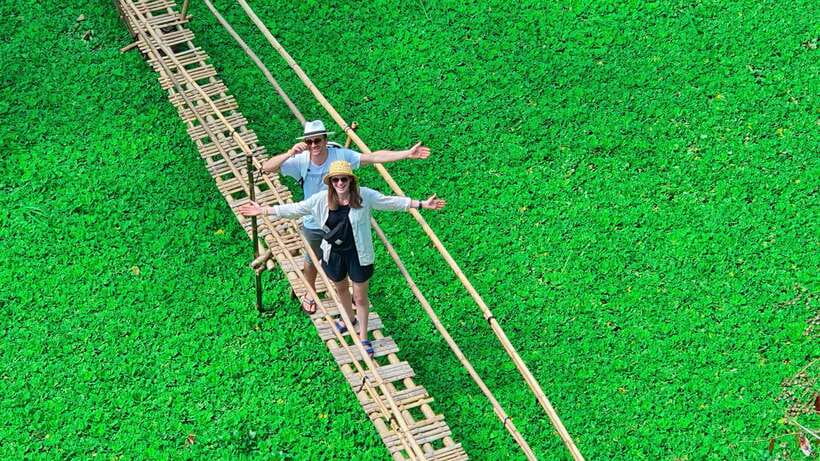
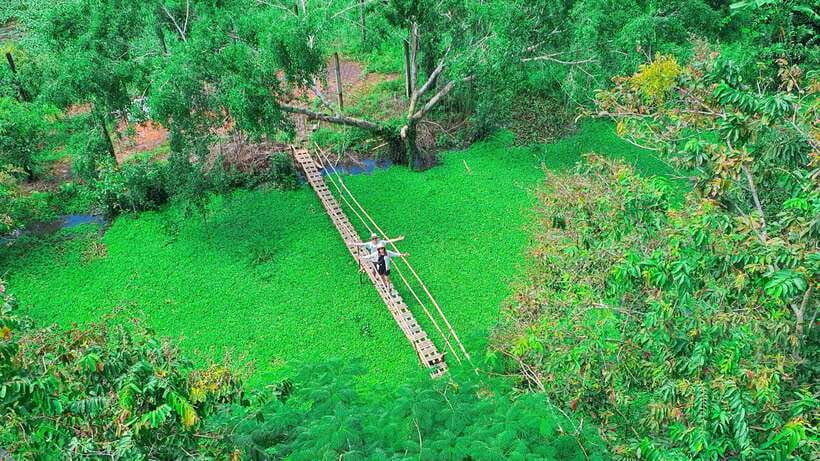
After the main market viewing, you shift into calmer water routes in Phong Dien—less-traveled canals where the pace drops. This is the part I think you’ll appreciate most if you feel worn out by city noise. The canals look simpler, and you notice details you’d miss in a crowded main channel: how houses sit near the bank, how small waterways connect to bigger routes, and how locals use the river without making it a performance.
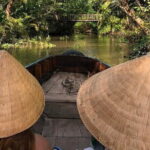
You’ll likely be on a smaller traditional boat rather than a big tourist vessel. That matters more than people expect. A smaller boat can make it easier to see tighter canals and smaller waterways, including at low tide, when water levels change what’s visible. It’s also easier to feel the boat moving—subtle tilts, the sound of water against wood, and the sense that you’re moving through working geography.
This canal segment is also a useful reset. You get culture stops later, and this quieter time helps those moments land.
Traditional noodle house: where food feels like family work
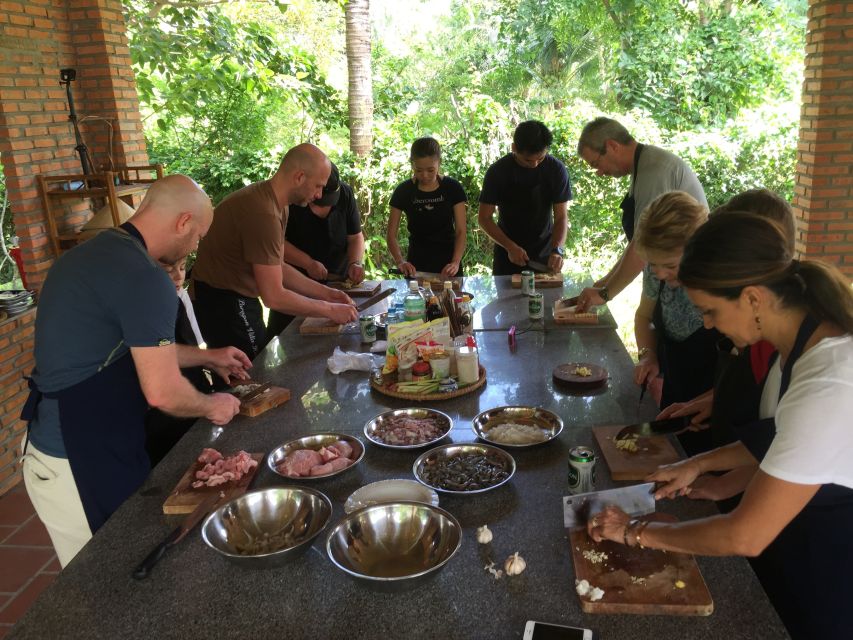
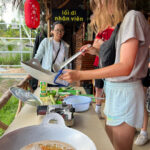
Next comes a visit to a traditional noodle house, where you can watch noodles being made. This is one of those stops that sounds small on paper, but it’s practical and memorable because you’re seeing a routine that feeds people every day.
What to expect:
- You’ll observe the process as a family does their work.
- You’ll get commentary from your guide so you understand what you’re looking at, not just the visuals.
- It’s part of the food culture of the Mekong Delta, tied to local ingredients and habits.
If you’re the type who likes to learn how things are made—rather than just where people eat—this is a highlight. And even if you’re not a big food watcher, it’s a nice change from water cruising. Your feet get some ground time, and your brain gets a different kind of input.
Bamboo basket weaving village: try the craft, not just watch it
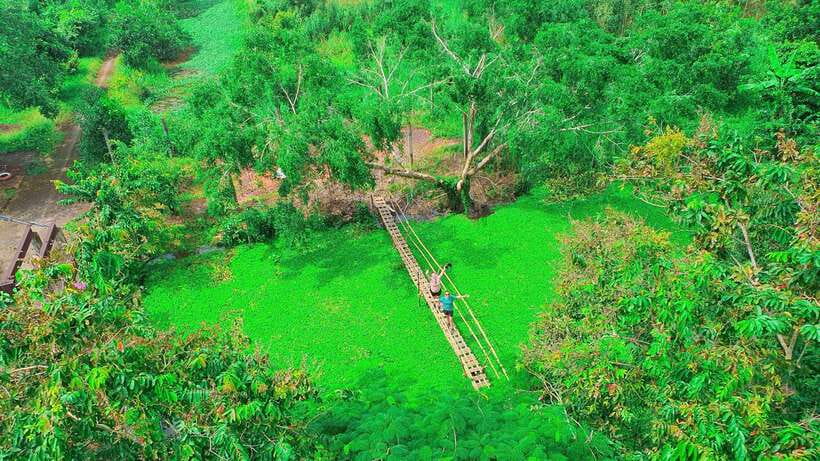
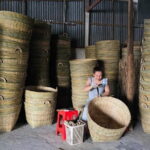
The bamboo basket weaving village visit is built around craft work and hands-on participation. You’ll meet artisans, see how intricate weaving happens step by step, and then you’ll have the chance to try weaving a basket yourself.
This is the kind of stop that can go either way on tours—either you get a quick glance and move on, or you actually do something. Here, the important detail is that you’re expected to try, not only observe. That makes it more than a photo stop. Even if your first attempt looks imperfect, you’ll leave understanding why the craft takes patience and how the material behaves when you bend and weave it.
Tips for this part:
- Wear clothes you don’t mind getting dusty or slightly rumpled.
- Take a slow approach. Basket weaving is tactile and timing matters.
This stop also pairs nicely with the river theme. Bamboo and weaving connect to daily life and storage needs in a place shaped by water.
A few more Can Tho tours and experiences worth a look
Khmer pagoda visit: calm architecture and Buddhism explained
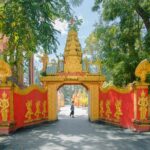
After the craft village, you’ll visit a Khmer pagoda. This is a cultural stop with room to breathe. You get to see intricate designs and experience a more serene tempo than the boats and market.
What makes it worthwhile is the explanation component. Your guide provides insights into Buddhism and the meaning behind what you’re seeing. Even if you don’t know much about Khmer traditions, you can usually connect the dots: why people come here, how the space supports reflection, and what daily spiritual practice looks like in a place where religion isn’t separated from life.
If you’re taking photos, remember the pace is slower here. You’ll get better images if you pause, observe, and avoid rushing people.
Lung Ngoc Hoang Nature Reserve: when the day finally slows down
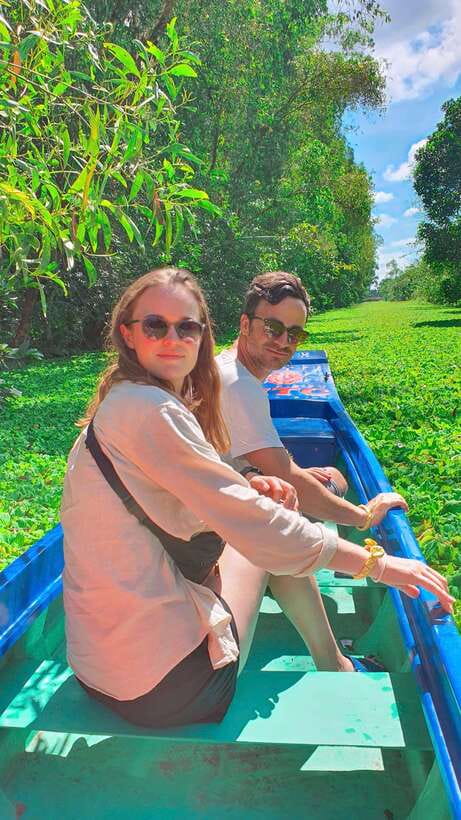
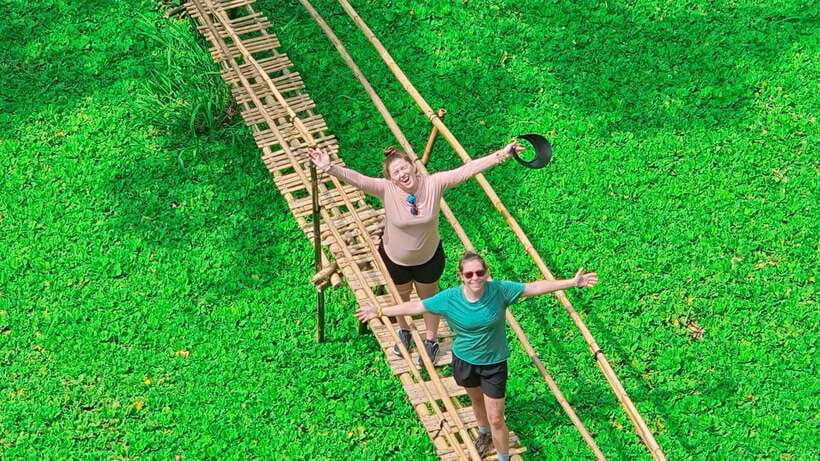
Then you reach Lung Ngoc Hoang Nature Reserve, described as a largely unexplored sanctuary with lush greenery and soothing natural sounds. This is where the itinerary changes gears. Instead of trade and craft, you’re in an area that lets you hear the difference between human noise and wildlife sound.
Your tour includes entrance to Lung Ngoc Hoang Nature Reserve, and you’ll spend time connecting to the nature side of the Mekong Delta. In one group experience, rain showed up, but the area still felt beautiful—and the boat time became longer so you could see birds. That’s a good sign that the operators adjust when weather changes.
How to enjoy the reserve more:
- Keep your expectations realistic. Nature here is about quiet attention, not theme-park sights.
- Use your ears. The soundtrack is part of the attraction.
If your Can Tho day trip stress level is high, this is the relief stop.
How the 8 hours fit together (and how it feels day-of)
This tour is built around a full morning and early afternoon return—about 8 hours total. It starts early to catch sunrise and avoid the worst crowd crush at Cai Rang, which is exactly when you want to be on the water.
The schedule has a lot in it: boats, markets, a food workshop, a craft village, a pagoda, then nature reserve time. That density is good if you enjoy variety. It’s less ideal if you want a single-focus day like only floating markets and nothing else.
Walking is moderate. You’re not trekking through mountains, but you will move between stops and spend time in areas where stable footing matters. Your best move is comfortable shoes and a hat you can tolerate for a long morning.
Small group also matters here. With up to 10 people, your guide can answer questions and manage timing without herding everyone like a line at an amusement park. You’ll notice it most at the noodle and craft stops, where interaction is part of the point.
This is also not aimed at wheelchair users or anyone with limited mobility, and it’s not suitable for people over 95 years old. If either applies, you should choose a different style of tour with fewer steps and less movement.
Price and value: why $72 can make sense here
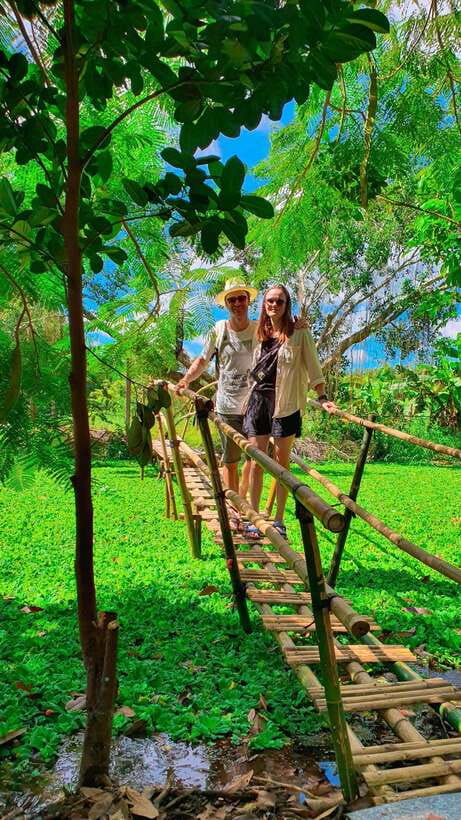
At $72 per person, the price is actually reasonable when you look at what you get, not just the headline number. You’re paying for:
- Hotel pickup and drop-off
- Sampan ride (not just a bus ride plus a quick photo)
- Breakfast served during the market portion
- Multiple guided cultural stops (noodle house, bamboo weaving village, Khmer pagoda)
- Entrance to Lung Ngoc Hoang Nature Reserve
For a day that includes transportation across several areas of Can Tho and the surrounding region, this is the kind of package where the value comes from not having to arrange boats and tickets separately. Plus, the small group format helps keep the day from feeling like a factory tour.
If you only want one thing—say, just Cai Rang—this full itinerary could feel like too many stops. But if you want a well-rounded Mekong Delta day that covers food, craft, faith, and nature, $72 starts to feel like a fair deal.
What to pack for a boat, a craft village, and nature reserve
This is a morning-and-day-out combo, so pack for sun, comfort, and small surprises.
Bring:
- Hat for sunrise to late morning sun
- Camera if you want the market and canal photos
- Sunscreen
- Water
- Comfortable clothes and comfortable shoes for walking
Also, think about timing and humidity. You’ll be out early, then you’ll likely switch from boat to walking and back. Light layers are useful, but the key is simple: don’t wear shoes that punish your feet after a few hours.
Should you book this Can Tho floating market and Lung Ngoc Hoang day trip?
You should book if you want a complete Can Tho morning-to-afternoon experience: Cai Rang at sunrise, breakfast on the river, canal time in a smaller boat, then culture and nature in one shot. This tour fits you if you like explanations and hands-on moments like bamboo basket weaving, and if you care about seeing more than just the one famous market.
Skip it if you’re looking for a low-effort day with minimal walking, or if you need wheelchair-friendly access. Also, if early mornings are a deal-breaker, be aware this tour is designed around sunrise timing.
If you like variety and you want the Mekong Delta to feel practical and real—not staged—this is a strong choice.
FAQ
How long is the tour?
The tour duration is 8 hours.
What time does the tour start?
It starts early in the morning to catch sunrise. Starting times vary, so you’ll need to check availability for the exact time.
How many people are in the group?
The group is limited to 10 participants.
Is breakfast included, and are vegetarian options available?
Yes, breakfast is included, and vegetarian-friendly options are available if you notify in advance.
What language is the guide?
The live tour guide is available in English.
Where do I meet the tour?
The meeting point is BEN PHA XOM CHAI, and the activity ends back at the meeting point. The tour also includes hotel pick-up and drop-off.
Do you enter Lung Ngoc Hoang Nature Reserve?
Yes, entrance to Lung Ngoc Hoang Nature Reserve is included.
Is there a lot of walking?
There is moderate walking involved, so comfortable shoes are important.
Is the tour wheelchair accessible?
No. It is not suitable for wheelchair users and is not recommended for people with mobility impairments.