REVIEW · CAN THO
Can Tho: Floating Market, Canal, Cacao Farm & Mekong’ Life
Book on GetYourGuide →Operated by Local Mint Travel · Bookable on GetYourGuide
That first boat ride on the river hits different. This Can Tho tour strings together the big sights of the Mekong Delta in one smooth 6-hour morning: Cai Rang Floating Market, coconut canals, a rice noodle factory, and an organic cacao farm.
Two things I really like: you get breakfast right on the water, and the stops feel practical, not just photo stops. Your guide, often Nick, keeps the story moving and answers questions as you go. One thing to keep in mind is the early start—pickup is 5:45 AM—and the exact finish time can shift a bit with the river’s tides.
In This Review
- Key points to know before you go
- Why the sunrise start matters for Cai Rang Floating Market
- Small boat cruising: getting the Mekong Delta view you can’t get from land
- Rice noodle workshop: watching how the noodles actually become noodles
- Village walk on quiet paths: daily life beyond the market
- Organic cacao farm tasting: a different Mekong story
- Food on the river: the breakfast is the kind you’ll remember
- Price and value: what $24 buys you in a 6-hour morning
- Who this Can Tho combo tour suits best
- Should you book this Mekong Delta day?
Key points to know before you go
- Cai Rang Floating Market at water level: you arrive early and see how the market really works from a small boat
- Breakfast and fruit included: rice noodle soup, bánh mì, or bánh bao plus fresh seasonal fruit
- Rice noodle factory tour: you watch the full process, from rice flour handling through cutting noodles
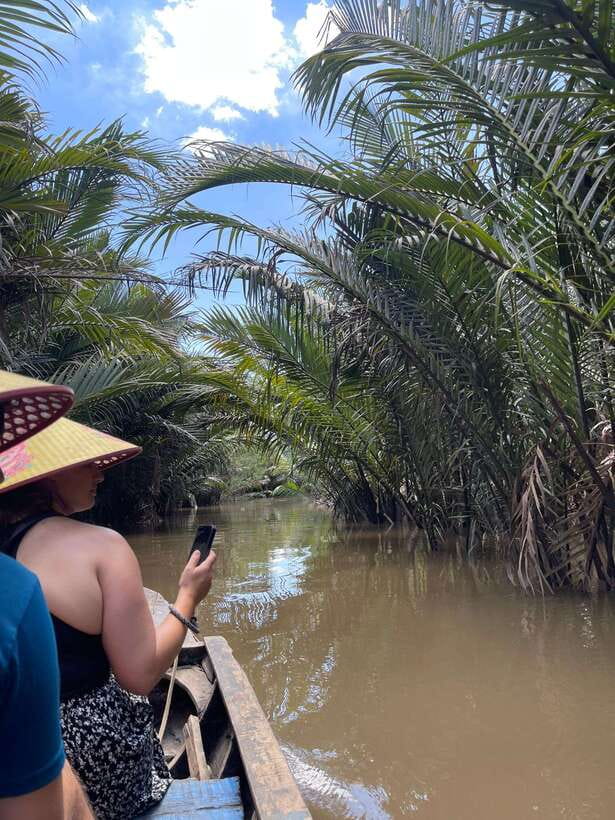
- Canal cruising with mangroves and water coconut palms: it’s a calmer, scenic change from the market
- Village walking time: you slow down on foot and see daily routines and gardens
- Organic cacao farm tasting: you sample cacao milk and cacao wine, plus stories about chocolate and other uses
Why the sunrise start matters for Cai Rang Floating Market
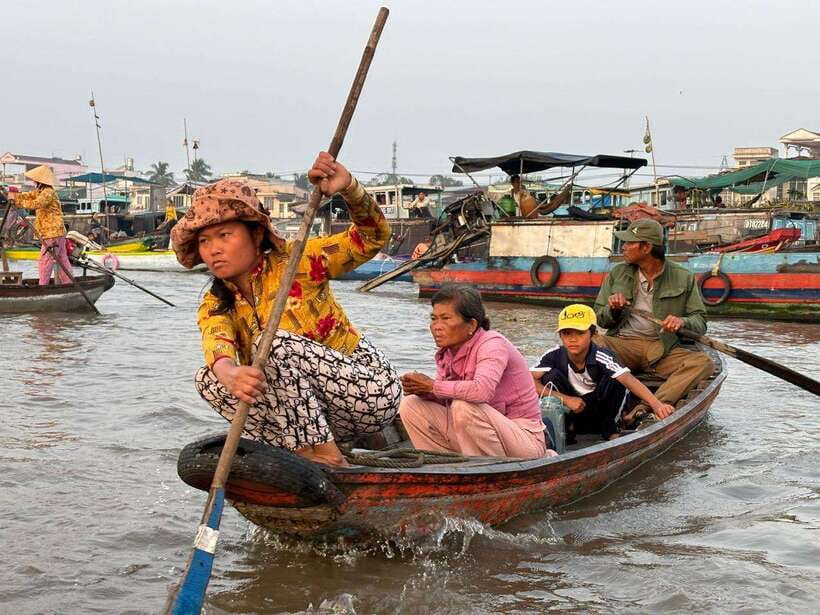
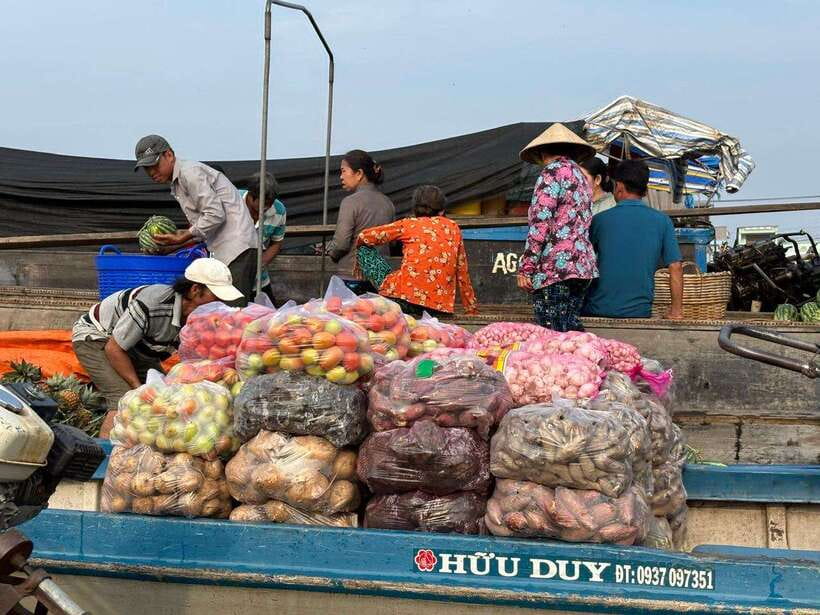
Cai Rang is the kind of place you can’t appreciate properly if you roll in mid-morning. The tour’s 5:45 AM pickup from Kim Long Hotel is timed so you’re on the water while the river still feels fresh and active.
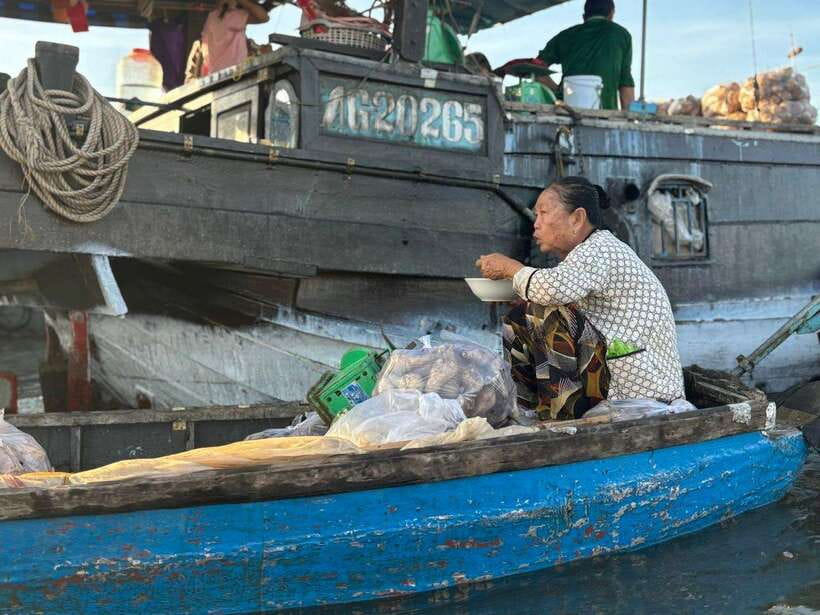
On the way, you’ll get sunrise views during the transfer from Can Tho. When you reach the market area, your guide explains the basics of how the floating trading system grew and how people live around it now. This context matters because Cai Rang can look chaotic at first glance—boats, calls, produce everywhere—but there’s a rhythm to it.
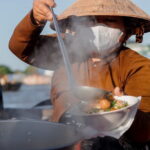
You’ll also be fed before the main cruising kicks in. After arriving, you enjoy a traditional Vietnamese breakfast with options like rice noodle soup, bánh mì, and bánh bao, plus tea or coffee served as you’re on board. It’s a small detail that makes the morning feel anchored instead of rushed.
A possible drawback: the early start is real. If you’re not great with mornings, the trade-off is that you’ll miss the calmer feel and the best light you get by being there early.
You can also read our reviews of more shopping tours in Can Tho

Small boat cruising: getting the Mekong Delta view you can’t get from land
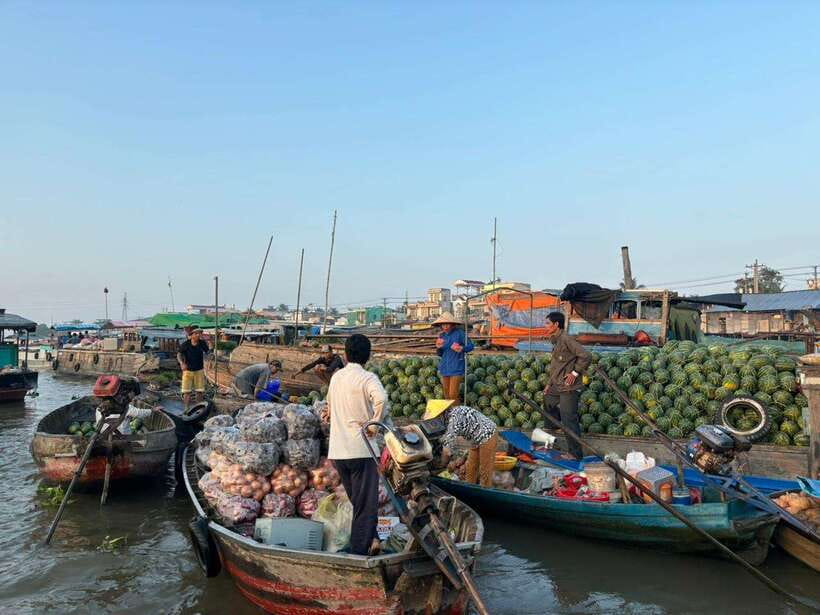
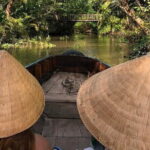
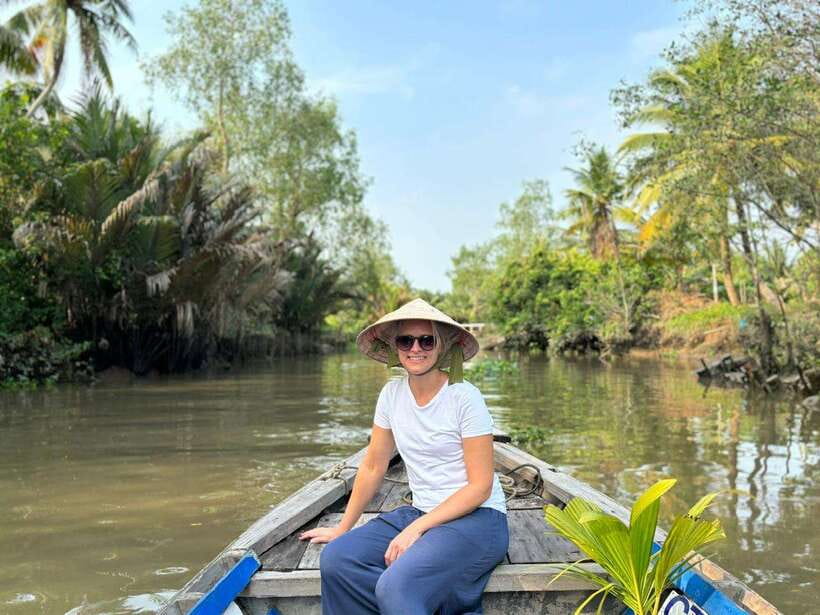
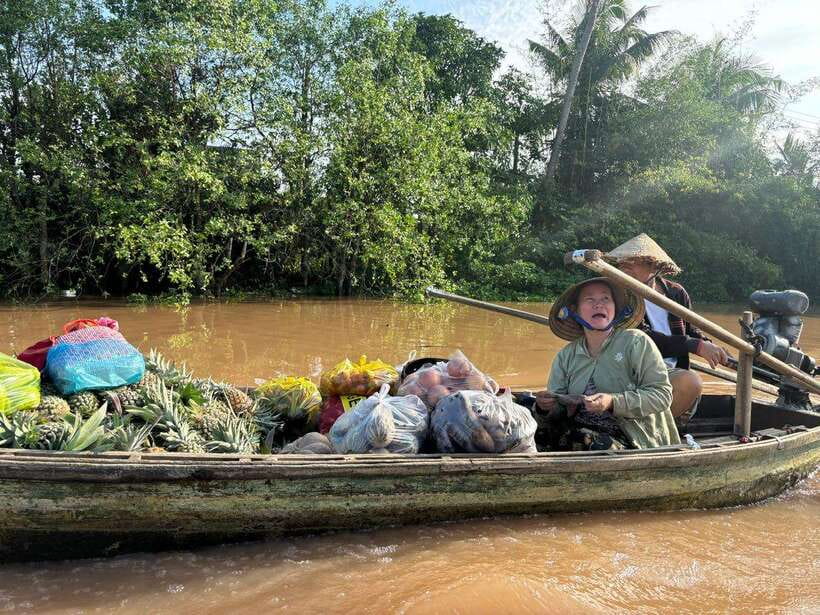
The core of this experience is being on a sampan (small boat) with a local boat driver. That means you don’t just look at the river—you move with it, turning your camera toward the waterline and not the skyline.
Once you’re done with the market segment, you shift to smaller canals. This is where the tour balances out: one part busier trading area, then quieter stretches where you can actually watch mangroves and water coconut palms along the banks.
Your guide helps you connect what you’re seeing to daily life on the Mekong. For example, coconut trees and palms aren’t just scenery here; they’re part of how people make a living and how the river corridor functions. Seeing that on a moving boat gives you a better sense of scale than standing still.
One practical note: the river route can be a bit bumpy, and the boat is small by design. The tour is listed as wheelchair accessible, but the “small boat” part is still something to consider if you rely on stable steps or transfers.
Rice noodle workshop: watching how the noodles actually become noodles
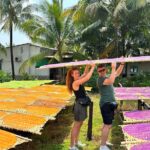
After the market and canal cruising, you visit a local rice noodle factory that operates like a traditional family workshop. This stop is one of the best “brain + eyes” combinations of the day because it’s clear, hands-on, and tied to local ingredients.
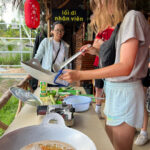
You’ll see the process from early steps to finished product: rice flour preparation, the way noodles form from rice flour through rice-paper-related stages, and then drying and cutting into noodles. The exact workflow you’ll observe moves step-by-step, and your guide explains what each stage changes—like how texture and shape come from handling and time.
Why I think this matters for you: most floating market tours stop at the market and maybe a quick snack. Here, you get the supply chain side. It’s a small factory tour, not a big production line, and that makes the whole thing feel grounded.
If you’re a foodie, this stop gives you a better sense of why certain dishes taste the way they do later in the day. Even if you don’t plan to cook, it helps you connect ingredients to the dishes you’ve already eaten.
Village walk on quiet paths: daily life beyond the market
The tour includes time to walk through peaceful village paths. This is the moment when the day slows slightly, and it helps balance the earlier boat time.
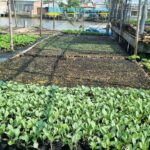
On foot, you’ll pass traditional houses and notice daily routines—things like how locals move through the space, what’s growing in nearby gardens, and how the village edges meet the canals. It’s not a museum-style stop. It’s more like taking a short walk with someone who knows where to look.
You’ll also see the countryside feel more intact than the market area. Markets are energy and sales; villages are routine and shade. Together, they explain the Mekong Delta’s split personality: commerce and countryside living happening side by side.
Practical consideration: this is a walking segment. Shoes help, and you’ll likely want to bring a light layer because morning air can shift quickly.
Organic cacao farm tasting: a different Mekong story
The final big highlight is the organic cacao farm. Instead of another “river activity,” this stop changes the theme to crops and value-added local products.
Your guide shares how cacao is cultivated and how locals turn it into items like chocolate, wine, and cosmetics. You’ll also taste a glass of cacao milk and sample cacao wine. Even if you’re not a big wine person, the cacao wine tasting is a useful way to understand how the same ingredient can become very different products.
Why this is valuable for your day: it gives you a break from boats and water. It also broadens your understanding of what “Mekong life” includes. The Mekong Delta isn’t only rice and fruit. It’s also farming systems and food processing that feed local consumption and wider markets.
A small caution: cacao tasting is included, but your preferences still matter. If you strongly dislike fermented flavors or alcohol-based drinks, you can always sip lightly and keep your attention on the farm learning portion.
A few more Can Tho tours and experiences worth a look
Food on the river: the breakfast is the kind you’ll remember
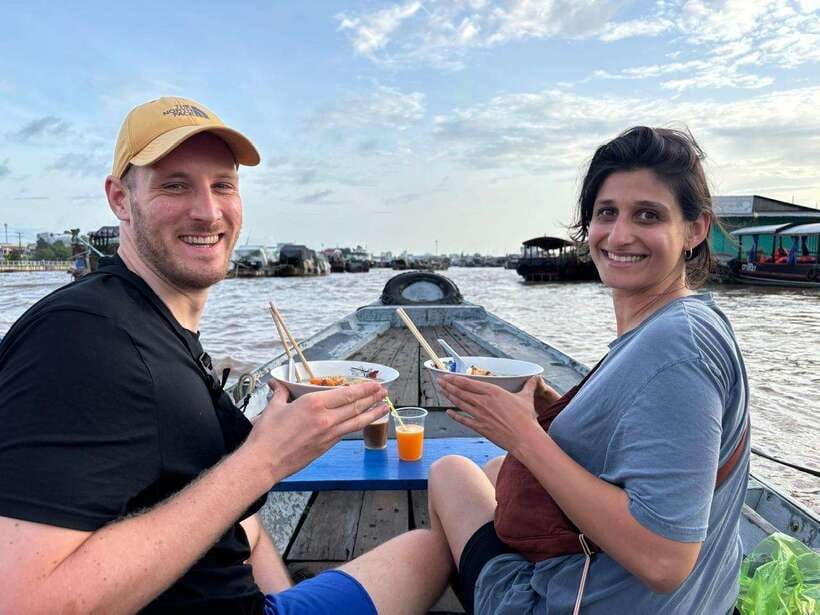
Breakfast is a real part of the experience here, not just a token inclusion. You’ll have traditional Vietnamese options—rice noodle soup, bánh mì, or bánh bao—served along with tea and coffee while you’re on board.
What I like about this: it’s convenient, so you don’t waste time searching for food at 6 AM. It also fits the theme of the day. Eating on the water makes the market and river feel immediate.
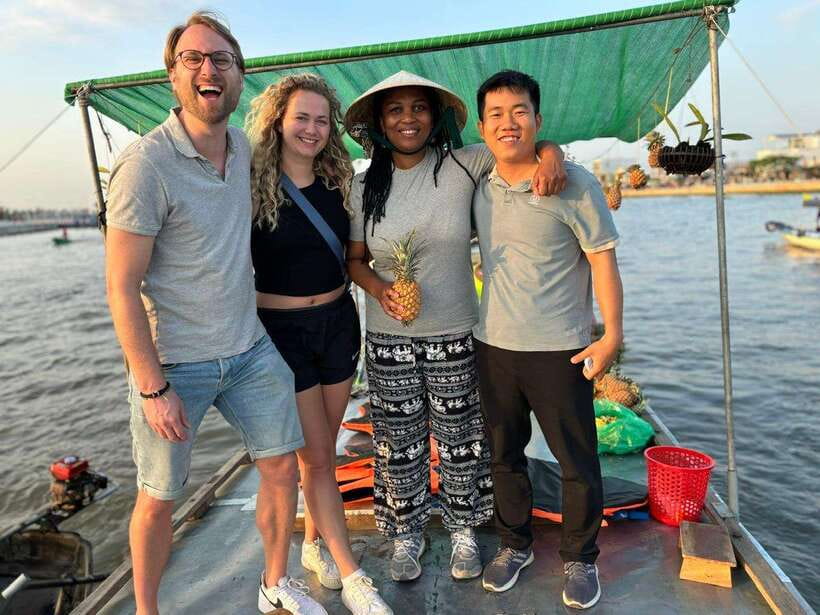
You’ll also enjoy fresh seasonal fruit, including pineapple served right on the river. It’s a small payoff that feels like a reward for getting up early.
If you have dietary needs, the tour indicates a vegetarian option for breakfast. That’s worth checking when you book, especially if you’re picky about ingredient types.
Price and value: what $24 buys you in a 6-hour morning
At $24 per person for around 6 hours, this tour is mostly good value if you want multiple experiences bundled together. For that price, you’re getting pickup and drop-off from the same location, a guide, boat transport, entrance fees, breakfast with a vegetarian option, tea/coffee, and fresh seasonal fruit.
The main “value logic” is the mix of activities: market viewing, a factory tour, canal time, village walking, and cacao tasting in a single morning. If you tried to arrange parts of this on your own, you’d likely spend more time coordinating transport and local guides.
Also, the tour is designed for a small group limited to 6 participants, which is a big deal if you want questions answered and not just listen to a recording. The feedback you’ll see from many people centers on how the guide makes the day feel personal and well paced.
You’ll get multiple languages supported too—English and French—which helps if your group has different preferences.
As for timing: the tour wraps around 11:30 AM, but it can vary slightly with river tides. That’s not a dealbreaker; it just means you’re trusting the river schedule, not forcing one.
Who this Can Tho combo tour suits best
This is a strong fit if you want a “great hits” Mekong Delta morning without hopping across the region all day. It’s also good for people who like structure: pickup, set itinerary, and a guide to connect the dots.
I’d particularly recommend it if you:
- Want Cai Rang plus canal scenery in one trip
- Like food-focused stops that include learning, not just eating
- Prefer small group days where you can actually ask questions
- Enjoy nature moments like mangroves and water coconut palms, but still want cultural context
It might be less suitable if you hate early mornings or if you have trouble with short walking segments. The tour is also not suitable for people over 95 years, based on the activity’s guidelines.
Should you book this Mekong Delta day?
If you’re in Can Tho and you want a single morning that covers floating market life, river scenery, local production (rice noodles), countryside routines (village walk), and a cacao farm tasting, I think this is an easy yes.
Book it if your goal is value and variety: you’ll leave with pictures, tastes, and a clearer sense of how the Mekong Delta works beyond the postcard. Choose another option if you prefer slow travel with lots of downtime, because this itinerary packs several stops into a tight 6-hour window.
If you’re able to get yourself to the pickup point on time, you’ll likely feel like the day flew by—in the best way.