REVIEW · HANOI
Vietnamese Home Cooking Class in Hanoi
Book on Viator →Operated by Hanoi Food Tasting Tours · Bookable on Viator
Your hands learn Vietnam fast. In this small-group class in Hanoi, you cook with a local chef at their home, then eat what you make—simple, practical, and way more personal than a big show-kitchen tour. You’ll shop for ingredients in a typical Hanoian market and learn dishes you can realistically recreate later.
I especially like the fact that you’re working from fresh, local ingredients you pick up yourself. That market stop isn’t just scenery; it’s where you start understanding flavors—herbs, proteins, greens, and fruit that show up across Hanoi’s everyday cooking. One consideration: because there are different menu options and you’ll learn a set of dishes per class, you might not make every dish you’re curious about—so check which menu you’re signing up for.
In This Review
- Key things to know before you cook in Hanoi
- Why This Hanoi Class Feels Like a Real Home Meal
- Hotel Pickup and the 4½-Hour Workshop Rhythm
- Shopping a Typical Hanoian Market for Real Ingredients
- Choosing Your Menu: Bun Cha, Pho, or a Vegetarian Set
- Hanoian Feast
- Tonkin Origin
- Vegetarian Lover
- Cooking Together: From Cutting Board to Finished Plates
- The Best Part: Homemade Lunch or Dinner With Rice Wine
- Price and Value: What $41.03 Actually Buys You
- Who This Cooking Class in Hanoi Suits Best
- Should You Book This Hanoi Cooking Class?
- FAQ
- FAQ
- How many people are in the cooking class?
- What dishes will I learn to make?
- Can I choose a morning or afternoon session?
- Is hotel pickup and drop-off included?
- Is there a vegetarian menu?
- What drinks are included with the meal?
- How long is the experience?
- What should I do if I have dietary requirements?
- Is it refundable if I cancel?
Key things to know before you cook in Hanoi

- Max 5 people means you’re not lost in a crowd; you actually get hands-on time.
- Market shopping first so your dishes start with ingredients you saw and selected.
- 3 menu options with at least four dishes included in your class set.
- Hotel pickup and drop-off by shared transfer saves you time and hassle.
- Lunch or dinner choice lets you match the experience to your day.
- Real Vietnamese meal finish with coffee/tea and rice wine with your meal.
Why This Hanoi Class Feels Like a Real Home Meal
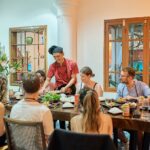
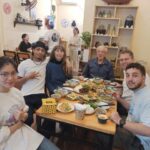
This isn’t just a cooking demonstration. The whole point is that you’re learning Vietnamese home cooking with a local chef in their own space, not in a generic studio. That usually changes the vibe fast: you’re moving around ingredients, asking questions, and seeing how Vietnamese households build a meal step by step.
The small group size matters more than you’d think. When the class is capped at five travelers, the chef can slow down when you need help, and you don’t have to wait for turns. That also makes the market time more meaningful. You’re not trying to rush past stalls or snap photos while someone else is doing the talking.
You’ll also get a built-in structure that keeps the experience from feeling chaotic. The schedule is designed to include market shopping, cooking, and a sit-down meal that’s tied to what you made. It’s a good fit if you like your travel activities to end with something tangible: food you can name, plate, and taste.
And yes, Hanoi comfort food is front and center here—things like BBQ pork with noodles (bun cha) and the spring rolls (nem), plus options that range from pho-style noodle soup to grilled fish and vegetarian-friendly sets.
You can also read our reviews of more cooking classes in Hanoi

Hotel Pickup and the 4½-Hour Workshop Rhythm
The experience runs about 4 hours 30 minutes, and it includes round-trip shared transfer from your Hanoi hotel. That’s a big plus in Hanoi, where streets can be loud and traffic-heavy. You’ll save energy for the parts that matter: shopping, chopping, cooking, and eating.
The class also gives you a straightforward choice: you can join a morning/lunch session or an afternoon/dinner session. I like having both options because it helps you plan around the rest of your day—whether that’s exploring the Old Quarter on foot or resting during the hottest hours.
In practical terms, you can expect the day to move in a tight sequence:
- you get picked up and head out to the market,
- return to the chef’s home to cook,
- then sit down to eat a homemade meal that matches your menu.
Because the timeline is compact, come with a good attitude for active participation. This isn’t a “watch from the sidelines” tour. You’re cutting and cooking together as part of the class style, and that’s also where the learning sticks.
Shopping a Typical Hanoian Market for Real Ingredients

The market stop is one of the best pieces of this tour because it explains the food before you cook it. You visit a typical Hanoian market to shop for fresh ingredients, guided by your local host. Even if you’ve eaten Vietnamese food before, shopping changes your sense of what goes into it.
What you’re really learning in a market isn’t a recipe—it’s choices. Vietnamese cooking leans hard on freshness and balance: herbs that smell bright, greens that stay crisp, proteins that taste clean, and fruit or vegetables that bring sweetness or tang to salads.
In the classes, you may see ingredients that connect to the menus, like items used for:
- spring rolls (nem),
- bun cha (BBQ pork with noodles and fish sauce),
- pho-style noodle soup,
- mango or papaya-based salads,
- vegetarian dishes like tofu and eggplant.
You’ll also get a feeling for how people snack and shop in Hanoi, not just how tourists order. The market becomes your first lesson in why these dishes taste the way they do. And once you understand that, cooking at home later feels less like copying and more like learning how to build flavor.
Tip for comfort: wear shoes you don’t mind getting warm in. Markets are active, and you’ll be walking and looking closely while deciding what you’re buying.
Choosing Your Menu: Bun Cha, Pho, or a Vegetarian Set
One of the smartest things about this class is that you’re not stuck with one food theme. There are three menu options, and each set includes at least four dishes, built around a style of cooking.
Here are the menu styles you might choose from:
Hanoian Feast
- Bun cha (BBQ pork with noodles and fish sauce)
- Nem (fried spring rolls)
- Banana flowers salad with chicken, or green papaya salad with dried beef
- Vietnamese egg coffee
This menu is ideal if you want classic Hanoi flavors—sweet-salty dipping sauces, grilled pork, crunchy fried spring rolls, and that beloved egg coffee vibe.
A few more Hanoi tours and experiences worth a look
Tonkin Origin
- Pho (traditional rice noodles soup with beef or chicken)
- Green mango salad with seafood
- Grilled fish
- Vietnamese egg coffee
If you love soups and want something that feels like a proper meal, pho plus grilled fish gives you that comfort-food payoff, balanced with a tangy mango salad.
Vegetarian Lover
- Spring roll (fresh or fried)
- Tofu in tomato sauce
- Eggplant with ginger sauce
- Che (Vietnamese traditional dessert)
This vegetarian set is a great choice if you don’t want to skip the fun. You still get a mix of textures—crispy spring rolls, saucy tofu, and aromatic eggplant—plus che dessert to finish.
A heads-up: because you choose from these menu options, you may not cook everything you hoped for in Vietnam. If there’s a single dish you’re chasing—pho, bun cha, or egg coffee—pick the menu that matches it.
Cooking Together: From Cutting Board to Finished Plates
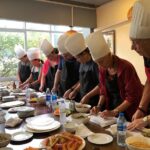
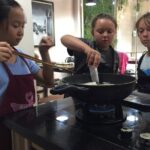
Once you’re back at the chef’s home, you’ll get into the work: cooking the dishes included in your chosen menu. This is a hands-on small-group cooking class, so you’re not just listening. You’ll help prepare dishes and learn how they come together.
Across all menus, you can expect a mix of tasks that build confidence fast:
- assembling and preparing spring rolls (nem),
- working with noodles and sauces for bun cha or pho-style soup,
- building salads with bright, fresh components,
- cooking proteins or vegetarian mains (like grilled fish or tofu/eggplant dishes),
- finishing with Vietnamese egg coffee and dessert like che.
What makes this valuable is that Vietnamese home cooking often depends on balance more than fancy techniques. When you cook your own version of egg coffee or assemble a salad, you start understanding how sweetness, salt, acid, and herbs are used—not just what’s inside.
Also, different instructors bring different teaching styles. Depending on your date, you might meet a chef/host with a big personality—names like Mango, Luke, Simon, Chris, Linh, or Jessy show up with this operator in local-guided cooking setups. The best part is the same: they help you move from ingredient list to actual food you can serve without guessing.
And since this is limited to five people, you’re more likely to get direct feedback while you cook—exactly what you want if you’re planning to make these dishes again later.
The Best Part: Homemade Lunch or Dinner With Rice Wine
You finish by sitting down to eat what you made, which is the whole point. Your class includes lunch or dinner, plus coffee and/or tea, and you’ll have traditional rice wine with the meal.
That meal component matters because it’s where you test your own cooking and learn what “right” tastes like. You’re not just leaving with photos; you’re leaving with a memory of flavors tied to the steps you practiced.
If you’re an egg coffee fan, you’re likely to see it on your menu—Vietnamese egg coffee shows up in multiple options. It’s a signature Vietnam drink, and learning it here alongside the dishes can make the whole meal feel cohesive.
One small practical note: bottled water is included, but any other drinks beyond what’s specified won’t be included. So if you like ordering extras, plan for that.
Price and Value: What $41.03 Actually Buys You
At about $41.03 per person, this class can feel like a bargain once you break down what’s included. You’re getting:
- round-trip shared transfer (pickup and drop-off from your hotel),
- a local guide and cooking class,
- the market shopping component,
- lunch/dinner,
- coffee and/or tea,
- bottled water.
That’s a lot bundled in. Many cooking experiences cost more once you add transportation, meal, and guide time separately. Here, the cost is essentially covering an entire afternoon/evening with the chef—plus the shopping and the food.
Also, the timing helps your wallet and your energy. Booking about 18 days in advance on average suggests this is a popular, well-timed activity. If you’re flexible, you may find it easier to pick the session (morning/lunch or afternoon/dinner) that matches your plans.
Most of all, the value is in the learning. You’re not just tasting. You’re cooking multiple dishes—at least four—so you’re leaving with a small “home cooking toolkit” you can reuse on future trips or after you get back.
This is best value when you:
- want a small-group format,
- like learning by doing,
- care about eating a full meal, not just a snack.
Who This Cooking Class in Hanoi Suits Best
This class is a great fit if you want a structured, friendly way to understand Vietnamese flavors without guessing. I’d point it toward:
- Food-first travelers who like hands-on activities and want to eat what they cook.
- Couples or solo travelers who don’t want a big group and appreciate personal attention.
- Vegetarian diners using the Vegetarian Lover menu to avoid the usual “just remove the meat” approach.
- Anyone who likes practical takeaway skills—how to build a menu, not just how to follow one recipe once.
It’s also a good pick if you want to see a Hanoian market as part of your day, not as a random photo stop.
Should You Book This Hanoi Cooking Class?
If you want one afternoon or evening in Hanoi that turns eating into learning, I think this is an easy yes. The mix of market shopping, a very small group, and a finished home-cooked meal is exactly the kind of experience that sticks.
Book it if:
- you’re choosing between a food tour and a cooking class and want more hands-on time,
- you care about classic dishes like bun cha, nem, pho, mango or papaya salads, and Vietnamese egg coffee,
- you want hotel pickup and a clear plan that ends with lunch/dinner.
Skip it or choose carefully if:
- there’s a single dish you’re obsessed with and you want it every time—since your menu option determines what you cook,
- you prefer purely observational tours (this one is designed for participation).
FAQ
FAQ
How many people are in the cooking class?
The class is small-group with a maximum of five travelers.
What dishes will I learn to make?
You’ll learn at least four dishes, based on the menu option you choose. Examples include bun cha, nem (spring rolls), pho, mango or papaya salads, grilled fish, tofu in tomato sauce, eggplant with ginger sauce, Vietnamese egg coffee, and che.
Can I choose a morning or afternoon session?
Yes. You can choose a morning (lunch) tour or an afternoon (dinner) tour.
Is hotel pickup and drop-off included?
Yes. Round-trip shared transfer is included, with pickup and drop-off from your Hanoi hotel.
Is there a vegetarian menu?
Yes. There is a Vegetarian Lover menu that includes spring rolls, tofu in tomato sauce, eggplant with ginger sauce, and che.
What drinks are included with the meal?
Coffee and/or tea are included, and traditional rice wine is served with lunch or dinner.
How long is the experience?
It runs about 4 hours 30 minutes.
What should I do if I have dietary requirements?
Advise any specific dietary requirements at the time of booking so the host can accommodate you.
Is it refundable if I cancel?
The policy allows free cancellation up to 24 hours before the experience start time for a full refund.