REVIEW · HOI AN
The 10 Tastings of Hoi An: Private Street Food Tour
Book on Viator →Operated by Withlocals · Bookable on Viator
Hoi An street food tastes better with context. This private tour strings together the food, the stories, and the landmarks, so you eat with your eyes open. You’ll sample 10 different food and drink tastings while your guide walks you through how local flavors and foreign influences blended into everyday Hoi An.
I especially like the pace: short stops that actually let you taste, learn, and move on before you get food-sweaty or bored. I also like the private guide setup—it’s just you and your host, with room to adjust the stops if you have preferences.
One thing to keep in mind: it’s still a walking tour. You’ll want comfortable shoes, and you should plan for moderate footwork through markets and nearby sights—plus not every landmark has admission included.
In This Review
- Key things I’d circle before you go
- Why Hoi An street food is worth a guide (even if you love wandering)
- 10 tastings and drinks in real Hoi An order
- Coffee and wontons: the early stops that set the flavor mood
- Pho origins, then the Cam Nam Bridge story break
- Cao Lau twice: how to spot what makes a Hoi An signature
- Markets and the fruit-and-sandwich rhythm
- Ancient wells and a Vietnam-war connection: finishing with Ba Van chicken rice
- Private tour value: how the guide and customization matter
- Price and logistics: is $69.93 worth it?
- Who should book this street food tour?
- Should you book the 10 Tastings of Hoi An private street food tour?
- FAQ
- How long is the 10 Tastings of Hoi An private street food tour?
- What does the tour cost?
- How many tastings are included?
- Is this tour private?
- Where does the tour start and end?
- Is hotel pickup or drop-off included?
- Are vegetarian options available?
- Can I change the itinerary to match what I want to eat?
- Are admission tickets included for all stops?
- What is the cancellation policy?
Key things I’d circle before you go
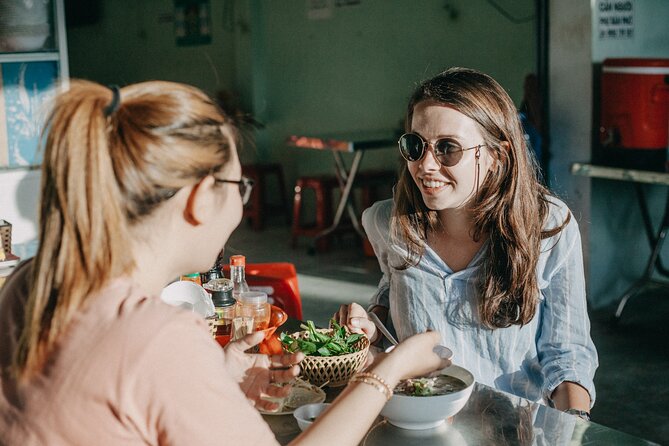
- 10 tastings in about 3 hours means you leave full of flavors, not just photos
- Family-run coffee shop phin tasting shows you what makes Hoi An coffee different
- Cao Lau stops in real settings helps you understand why this dish is a Hoi An signature
- Fruit and market time gives you a taste of everyday local shopping
- Ancient wells near assembly halls and pagodas add real place-and-time context
- Vegetarian alternatives are offered, so you’re not stuck with plain sides
Why Hoi An street food is worth a guide (even if you love wandering)
Hoi An can tempt you into random alley-snacking. That’s fun—until you end up at a place that’s convenient for you, not for the flavors you came for. This tour is designed to solve that problem with a local foodie host who links each bite to something you can remember: where the dish fits in Hoi An, how people eat it, and what to notice while you’re chewing.
You also get culture waypoints between food stops. You start near Nam Quang Pagoda and then work through a route that brushes past key spots like assembly halls, markets, a theatre area, and temples. Even the slower moments matter because they explain the city’s beliefs and community roots—not in a lecture way, but in a you’ll-see-this-when-you’re-here way.
You can also read our reviews of more food & drink experiences in Hoi An


10 tastings and drinks in real Hoi An order
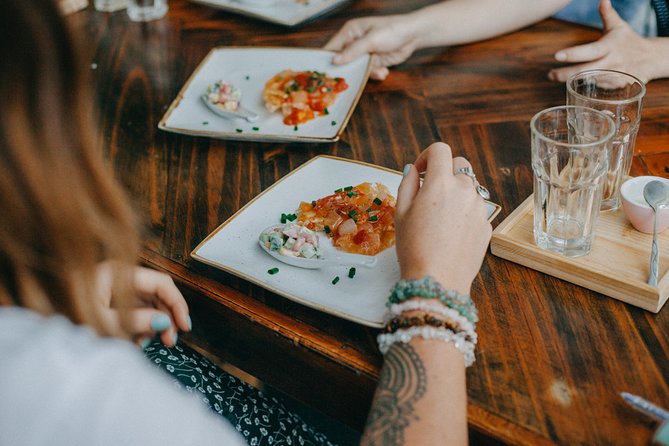
Think of this as a guided tasting sprint: you’ll get bites of different classics and a couple of drinks, timed so you can handle them without turning your day into a food coma. The tour calls out 10 food and drink tastings, plus it offers vegetarian alternatives if you need them.
Here’s how the food story unfolds in plain terms:
- Start with coffee (phin) and a shrimp-and-pork fried wonton style bite
- Learn about Pho and how locals eat it (yes, it’s a cultural stop, not just a snack)
- Hit Cao Lau twice—once at a noted local restaurant and once around the Central Market area
- Snack on fruit and then do a traditional sandwich tasting in an old-house courtyard
- Try Morning Glory (a veggie dish with a very distinctive name)
- Finish with Ba Van chicken rice and a rice-based sweet plus iced Vietnamese tea at a café connected to a Vietnam war veteran
If you like variety, you’ll feel like you’re sampling Hoi An’s big hits without having to make 10 separate decisions.
Coffee and wontons: the early stops that set the flavor mood
Your tour begins near Nam Quang Pagoda, close to Aum Yoga Vietnam. The point here isn’t that you need to become a scholar of Vietnamese spirituality. It’s that you get an easy cultural orientation as your guide introduces beliefs and how locals think about the city.
Next comes the coffee stop: you’ll see how phin (Vietnamese coffee) is made at a family-run shop, then taste different coffees so you can notice differences instead of just sipping whatever arrives. This is a great moment to slow down. Coffee in Vietnam isn’t just caffeine—it’s technique, roast choices, and how it’s brewed.
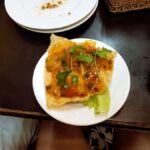
Then you’ll taste a fried wonton made from minced shrimp and pork. The interesting part is the wrapper: a thin layer of local powder. The tour frames it as an adaptation—possibly rooted in Chinese origins but adjusted for local tastes. That’s the kind of detail that makes your snack feel connected to place, not random.
Pho origins, then the Cam Nam Bridge story break
After the wonton, you head toward the Hoi An Handicraft Workshop area. Here, you’ll hear about the origins of pho and learn how to eat it the Vietnamese way. Even if you already know pho, this kind of stop helps you understand that food traditions travel—and then get reshaped.
From there, you pause at Cam Nam Bridge and the nearby area connected to the Chaozhou Assembly Hall, built to worship General Ma Yuan—a figure believed to be able to conquer sea waves. This isn’t on your plate, but it’s part of why Hoi An food exists as a mix of influences: different communities, different beliefs, and lots of maritime trade energy.
One practical note: the bridge admission is listed as not included. So if entry is required when you’re there, it may cost extra.
Cao Lau twice: how to spot what makes a Hoi An signature
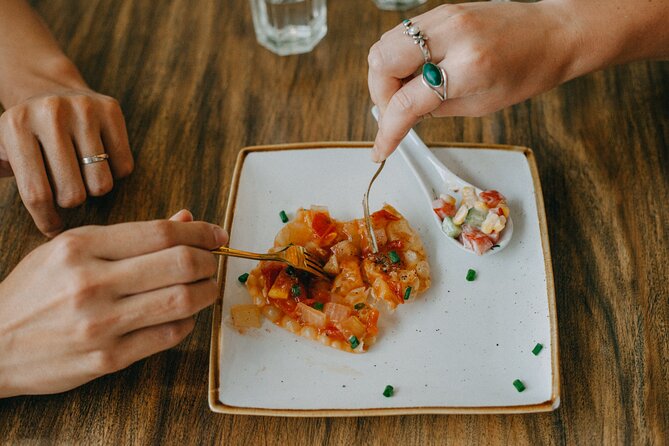
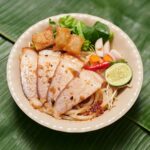
Cao Lau is the big name on this route, and the tour smartly treats it like something you should taste in more than one context. You’ll try it at Precious Heritage by Réhahn and then again in the Central Market area.
Why this is good: people talk about Cao Lau like it’s one fixed dish. In reality, the experience can feel different depending on the place, the bowl, and the way it’s served. By tasting it twice in separate spots, you get a better sense of what’s consistent in Hoi An’s version, and what may vary.
If you’re the type who likes to understand a dish instead of just checking it off, you’ll appreciate the repetition. It’s also a helpful way to pace you: if one bowl hits you harder than expected, you’re not stuck with just one reference point.
A few more Hoi An tours and experiences worth a look



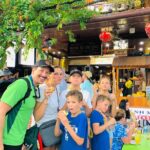
Markets and the fruit-and-sandwich rhythm
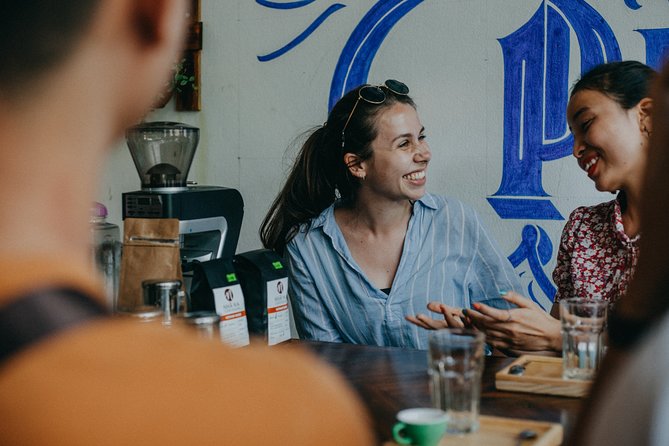
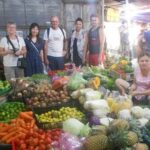
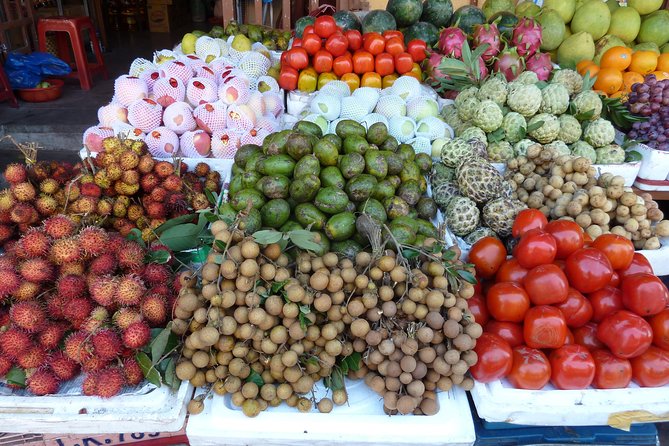
After the Cao Lau stops, the tour shifts into daily-life mode at Hoi An’s main market. You’ll first taste seasonal fresh fruit, with examples like dragonfruit or mango depending on what’s available. Your host uses the fruit stop to explain what grows locally and when. That’s one of those small moments that makes later sightseeing easier—you’ll start noticing what you’re seeing at shops and stalls.
Then you move deeper into market life. Expect the noise and traffic of people shopping and sorting goods. It’s not a museum stop. It’s the real place where locals handle ingredients and day-to-day errands.
Next up: banh mi, the Vietnamese sandwich that never really needs an intro, but always feels better when you understand the component logic. On this tour, you’ll taste it in the spacious front yard of an ancient house, which makes the snack feel like an experience instead of a quick bite between attractions.
Following that, you’ll try Morning Glory, described as a very popular dish with a peculiar name. It’s made from a veggie, and the focus here is on flavor and what you’ll notice about how it’s cooked and served. If you’ve only had generic stir-fried greens elsewhere, this is a chance to taste a local interpretation.
Ancient wells and a Vietnam-war connection: finishing with Ba Van chicken rice
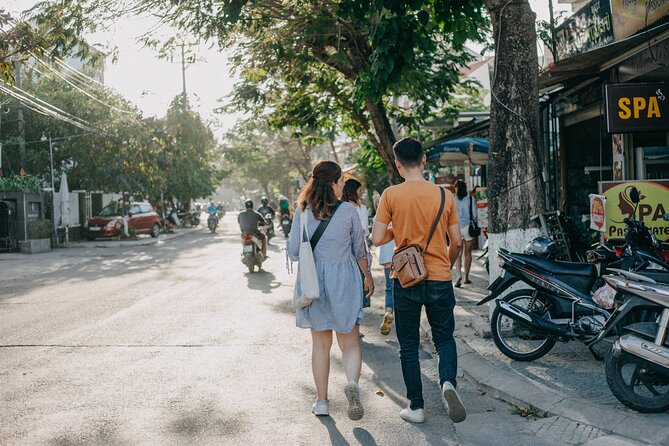
The middle-to-late part of the tour adds history you can actually point to. You’ll stop near Fukian Assembly Hall to see an ancient well built almost 1000 years ago by Champa people, known for its unique architectural style. It’s one of the easiest ways to picture the city’s age and layered influences without staring at a map and guessing.
After that, you head toward Ba Le Well. Nearby, you’ll try Ba Van chicken rice, described as rich and buttery, with a melt-in-your-mouth sensation that’s hard to find elsewhere. This is the kind of food that feels like it has a loyal following because it doesn’t chase trends. It focuses on comfort and technique.
Your final stop happens near the Hoi An Theatre. Here, you get two tastings in one place:
- Banh It La Gai, a rice-based treat with a distinctive black color and a refreshing flavor
- Iced Vietnamese tea, served alongside the sweet
The café is owned by a Vietnam war veteran, which gives the food stop a human story, too. You end with your guide sharing more recommendations for what to do and eat in Hoi An.
You also pass by Chùa Pháp Bảo, also known as Phac Hat Pagoda, adding one last temple waypoint to your route.
Private tour value: how the guide and customization matter
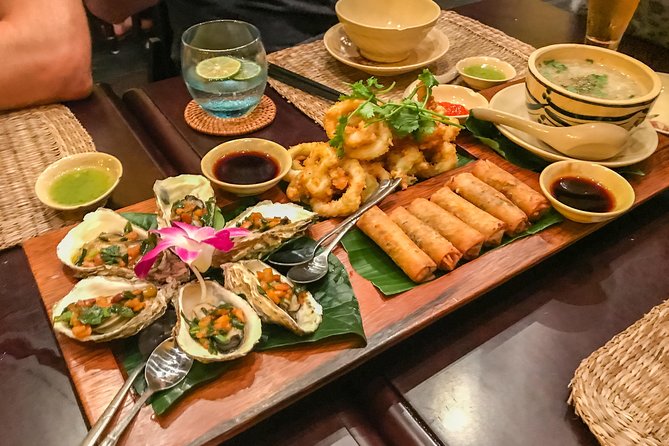
This isn’t a big group buffet. It’s a private tour where it’s only you and your guide, and that changes the experience in practical ways. You can ask more questions mid-bite. You can pause when you want photos. And if you’re picky (or just curious), you’re not forced into someone else’s agenda.
The tour also explicitly offers itinerary changes. If you want more focus on coffee, less focus on one dish, or different food priorities, you can tell your guide at the start. Or you can message after booking if you’re planning ahead. That flexibility is useful in Hoi An, because your appetite and comfort level can shift fast—especially if the weather turns hot and humid.
Food-wise, it includes vegetarian alternatives. The specifics aren’t spelled out, but the key is that your host is meant to accommodate dietary needs instead of handing you a sad fallback.
One more detail worth noting: the tour includes city highlights between food stops. So you’re not just moving from stall to stall. You’re also learning why these neighborhoods and landmarks show up where they do.
Price and logistics: is $69.93 worth it?
At $69.93 per person for about 3 hours, the value depends on one thing: do you want a guided tasting route with context, or do you just want to eat on your own?
Here’s what you’re paying for:
- a local guide
- 10 tastings (food and drinks)
- private pacing
- time spent on cultural and city highlights along the way
You’re not paying for hotel pickup or drop-off, so you’ll be responsible for getting to the meeting point. The start and end are at Hội An, Cẩm Châu, Hội An, Quảng Nam, Vietnam and the tour ends back there.
Most stops list admissions as free, which helps keep things simple. But Cam Nam Bridge is marked as admission not included, so assume there could be a small extra cost at that particular spot if you need to enter.
My practical take: if you’re the kind of person who likes learning while eating, this price can feel fair because you’re buying both the route and the tasting structure. If you already have a strong plan and you’re comfortable following local street food signs solo, it might feel pricier. Still, the private guide + tastings can save you decision fatigue.
Who should book this street food tour?
Book this if:
- you want authentic Hoi An street food with 10 tastings instead of piecing together your own mini-food crawl
- you like structure—especially in markets—so you don’t miss the good stalls
- you want a private guide and the option to adjust what you eat
- you want a route that mixes food with nearby cultural stops like pagodas, assembly halls, and ancient wells
Skip or reconsider if:
- you dislike walking or markets and want mostly indoor, low-movement experiences
- you prefer a longer meal where you can linger without time pressure (this tour is built for tasting variety, not slow dining)
Should you book the 10 Tastings of Hoi An private street food tour?
Yes, if you want the fastest path to understanding Hoi An through food. The combination of phin coffee, Cao Lau, market fruit and snacks, and a finish featuring Ba Van chicken rice plus Banh It La Gai gives you a strong, balanced spread in just a few hours.
Book it especially if you hate wasting time guessing. A good host helps you eat smarter: what to order, what to notice, and how to connect the dish to the city around it. Just plan on meeting the group at Cẩm Châu and wear shoes that can handle market-floor walking.
FAQ
How long is the 10 Tastings of Hoi An private street food tour?
It runs for about 3 hours.
What does the tour cost?
The price is $69.93 per person.
How many tastings are included?
You get 10 food and drink tastings.
Is this tour private?
Yes. It’s a private tour with only you and your local guide.
Where does the tour start and end?
It starts in Hội An, Cẩm Châu, Hội An, Quảng Nam, Vietnam and ends back at the same meeting point.
Is hotel pickup or drop-off included?
No, hotel pickup and drop-off are not included.
Are vegetarian options available?
Yes. Vegetarian alternatives are included.
Can I change the itinerary to match what I want to eat?
Yes. You can tell your guide your wishes at the beginning of the tour, or contact them after booking.
Are admission tickets included for all stops?
Many are listed as admission ticket free, but the Cam Nam Bridge stop shows admission ticket not included.
What is the cancellation policy?
You can cancel for free up to 24 hours in advance for a full refund.