REVIEW · DA NANG
Surf Lessons
Book on Viator →Operated by Da Nang Outdoor Adventures · Bookable on Viator
First wave jitters are real. This two-hour intro surf lesson at My Khe Beach turns that nervous energy into real board time, with coaches guiding you from paddling and pop-up basics straight into catching waves. I really like the small class size (up to 6, with a 1:4 instructor/student ratio), and I also like that everything is included—rash vests or wetsuits, wax, and boards—so you can focus on learning. One thing to consider: the ocean can be unpredictable, and on some days you may get fewer waves than you hoped, depending on conditions.
The lesson follows a simple structure: learn on land first, then head into the water while instructors demonstrate how to catch a wave and keep you on the right track. They also film with a GoPro and send photos and video afterward, which is a nice way to remember what your body felt like before it finally clicked.
For $44, you’re not just buying “a surfing experience.” You’re buying coaching time, the right beginner setup, and a safe-feeling start on a famous beach that’s known for surf-friendly conditions.
In This Review
- Key highlights worth your time
- My Khe Beach: why this spot works for first-timers
- The 2 hours: what you’ll learn on land and on the water
- Instructor attention: what a 1:4 ratio changes
- Gear and comfort: rash vests, wetsuits, boards, and the sunscreen trap
- Getting videos and photos: why it’s not a gimmick
- Price and value: why $44 can be a smart buy
- What to do before you go (so you actually learn)
- Who this surf lesson is best for
- Should you book Da Nang Outdoor Adventures?
- FAQ
- How long is the surf lesson?
- Where does the surf lesson start?
- What’s included with the lesson price?
- Do I need to bring my own surfboard or wetsuit?
- Is this lesson suitable for beginners?
- How many people are in the group?
- Do they take photos or video during the lesson?
- Is surfing available year-round in Da Nang?
- What happens if weather is poor?
- What if I need to cancel?
Key highlights worth your time
- My Khe Beach, the classic surf spot with sandy shoreline and beginner-friendly wave sizes during lessons
- 1:4 instructor/student ratio keeps you from getting lost in a big group
- Gear included: rash vests in warmer weather, wetsuits in cooler months, plus wax and beginner boards
- Quick land lesson + fast water practice so you learn the why before you try the how
- GoPro photos and video sent later to help you spot what to fix next time
- Year-round surfing approach so you’re not stuck waiting for a season
My Khe Beach: why this spot works for first-timers
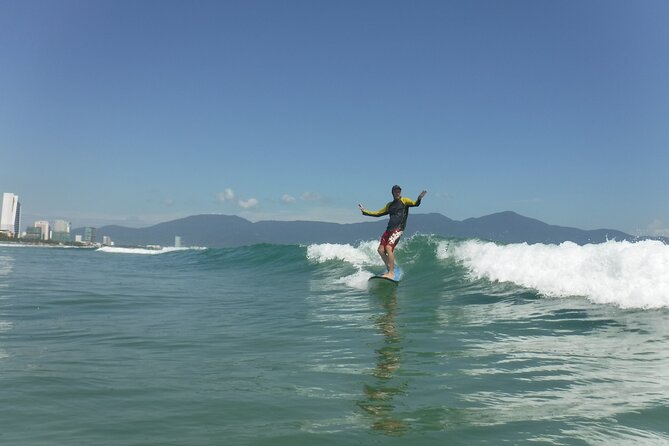
My Khe Beach is the main character here. It’s short from the meeting area, and it’s known as one of the top beaches in the world, which matters because the surf scene is built around people learning, not only people showing off.
For a first lesson, I like beaches that give you a few advantages at once: easy access, manageable sand underfoot, and waves that are typically not monstrous during beginner instruction. One first-time surfer specifically described the sand as fine and the waves as not too big, plus a calm enough vibe that they felt safe right away. That’s exactly what you want when you’re trying to coordinate paddling, balance, and timing at the same time.
Another practical reason My Khe makes sense: it’s part of a busy water-sports area. That usually means surf infrastructure is nearby and the whole “get in, learn, go again” process stays efficient.
A few more Da Nang tours and experiences worth a look



The 2 hours: what you’ll learn on land and on the water
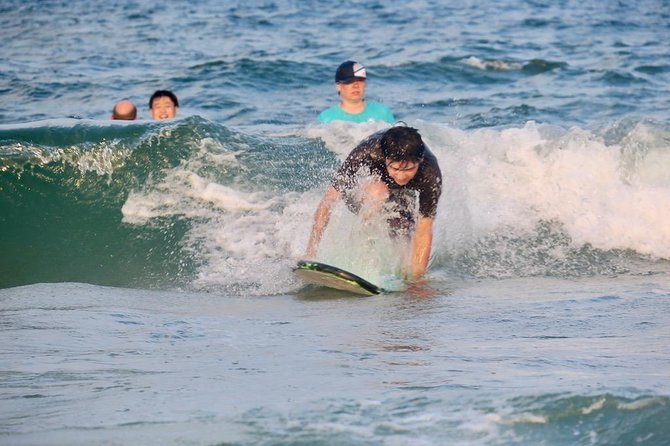
This is an intro lesson, so the flow is designed to get you moving quickly.
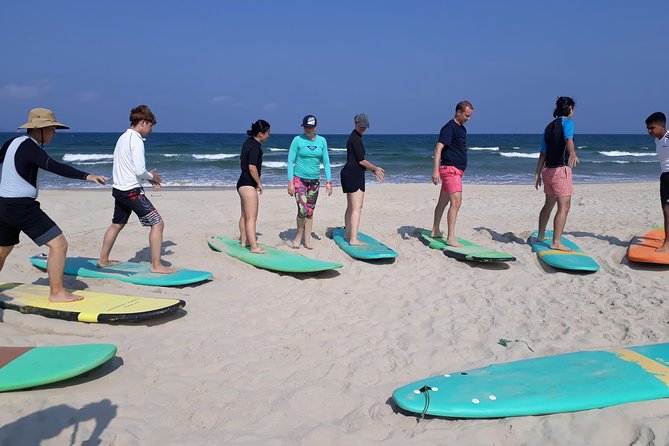
You start with basics on land. You’ll work on how to paddle and how to position yourself for the surfboard. Then comes the pop-up and balance piece—because the hardest part of first-time surfing is usually not the wave. It’s the moment you go from lying down to standing up without face-planting.
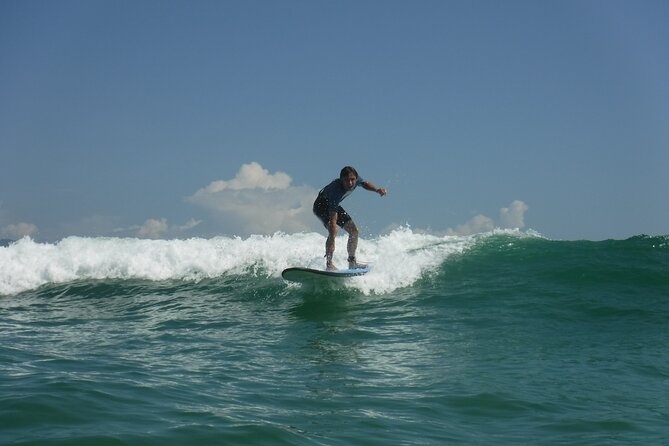
After the land session, you head into the waves. Instructors give a quick demonstration of how to catch a wave so you can copy the movement with less guessing. Then it’s time on the water: the goal is to spend most of the lesson actually trying, not only watching.
A useful detail is the pacing. The structure is meant to build confidence step-by-step: learn the mechanics, see the model, then repeat it in the real conditions. If you’ve ever tried a sport where someone just throws you in and says good luck, this setup feels more like coaching than chaos.
Instructor attention: what a 1:4 ratio changes
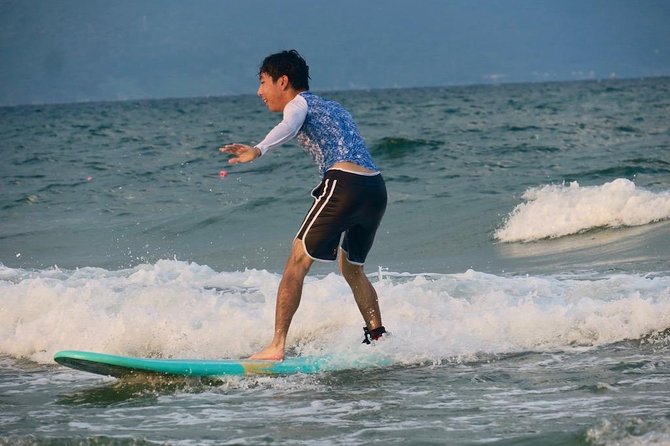
Small groups sound nice in theory. In surfing, they matter a lot.
With a maximum group size of 6 and an instructor/student ratio around 1:4, you’re more likely to get hands-on corrections at the exact moment you need them. That’s especially important for:
- paddling technique and how your arms move
- where your weight sits before the pop-up
- how you balance once you’re up
- wave-catching timing
The instructors also seem to lean into positive energy. In the feedback, names like Owen and Tien came up with people calling them friendly, funny, patient, and encouraging. That kind of coaching tone matters. Surf can feel humbling fast; having someone calm you down and keep you trying makes a big difference in how long it takes for standing up to happen.
Gear and comfort: rash vests, wetsuits, boards, and the sunscreen trap
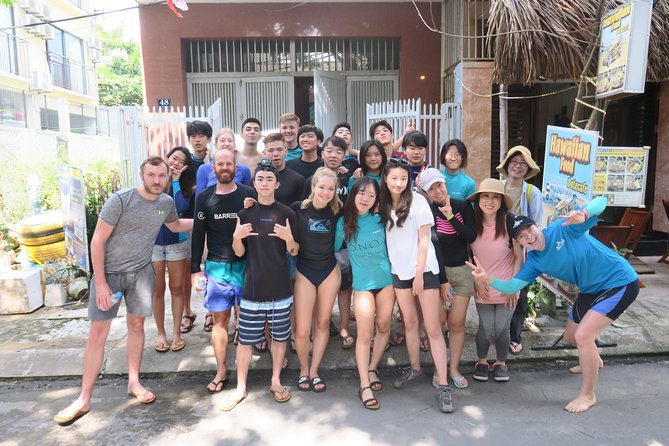
One of the smartest parts of this lesson is that you don’t have to plan gear ahead of time. Everything you need is included:
- rash vests for summer
- wetsuits for winter
- surfboards (beginner-focused)
- wax
- and the board setup needed for learning
That means you show up and start. You don’t waste your first morning in Da Nang figuring out what kind of wetsuit you need or hunting for wax.
There’s also a real comfort angle here. A good rash vest/wetsuit fit helps you stay focused. If you’re cold or rubbing the wrong way, the lesson becomes harder.
One small caution from experience in the feedback: sun can be intense even during a 2-hour session. One person admitted they overestimated what sunscreen would need and regretted it. My advice: bring water-resistant sunscreen and reapply if you’re near the water a lot.
Equipment quality is mostly described as working well for learning, but one note did mention that the gear can feel old. That’s not automatically a deal-breaker for a first lesson, but it’s worth keeping in mind if you’re picky about new boards or modern gear.
Getting videos and photos: why it’s not a gimmick
A lot of activities take a photo and call it done. Here, you get more than that: they take photos and video with a GoPro and send it to you later.
For beginners, this is a quiet game-changer. Surf mistakes are physical and fast. When you review video, you can spot the pattern you kept doing—like where your feet land, whether you’re looking down or forward, and how your arms help (or don’t) during the pop-up.
It also gives you a reason to take the learning seriously. When you know there’s a record, you tend to pay attention to your form instead of just counting wipeouts.






Price and value: why $44 can be a smart buy
$44 for a 2-hour lesson is not only a budget number—it’s also value when you compare what’s included.
You’re getting:
- an instructor on the sand and in the water
- a small group setup (maximum 6)
- a structured progression from basics to wave practice
- gear included (rash vest/wetsuit, wax, boards)
- GoPro photos/video afterward
If you tried to do it yourself, the costs usually multiply fast: board rental, potentially gear for water conditions, lessons or hiring someone to coach your technique, plus the time and trial-and-error that can burn your vacation days.
Also, booking on advance can help you lock in a spot. The average booking window here is around 12 days in advance, so if you want a specific time of day, earlier is better.
In short: this price makes sense if your goal is to learn, not just “be near surfers.”
What to do before you go (so you actually learn)
You don’t need deep prep, but a few simple steps can make the 2 hours smoother.
Bring:
- water-resistant sunscreen (seriously)
- a towel if you want one for afterward
- a swimsuit you’re comfortable getting wet in again
- a change of clothes ready for the ride back
Wear:
- comfortable, quick-dry items underneath what they provide, since you’ll be in and out of the water
- anything you can move in easily during pop-up practice
Arrive ready to focus. Surf is a sport where you learn by doing, and the lesson format is built for repetition. If you show up distracted, the coaching has less chance to land.
And if you’re worried about safety: the lesson includes water safety instruction, and the whole point of using beginner-friendly surf conditions is to keep the experience manageable.
Who this surf lesson is best for
This fits best if you:
- are a total beginner and want structure
- want real coaching time, not just a board handoff
- like learning with encouragement and frequent correction
- want the chance to stand up and catch waves during your first try
It may be less satisfying if you:
- expect guaranteed long rides every time (no lesson can promise that)
- want a private, custom coaching session (this is intentionally small, but not one-on-one)
- are extremely picky about gear being brand-new
If you’re visiting Da Nang and you want one memorable water-sport that’s practical and instruction-led, this is a strong candidate.
Should you book Da Nang Outdoor Adventures?
I’d book it if your goal is a confident start to surfing without the hassle of gear planning. The lesson structure is clear, the group size stays small, and the included setup means you can spend your energy on learning instead of logistics.
Be realistic about the conditions. Some days will be more wave-heavy than others, and your progress will depend on ocean timing. Still, with land basics plus water practice, you should leave with a better idea of how paddling and pop-up timing work together.
If you want an affordable, coached first surf experience on a famous beach, this one is an easy yes—especially if you’re willing to show up prepared with sunscreen and a positive mindset.
FAQ
How long is the surf lesson?
The lesson runs about 2 hours.
Where does the surf lesson start?
It starts at 35 An Thượng 5, Ngũ Hành Sơn, Đà Nẵng 550000, Vietnam.
What’s included with the lesson price?
You get everything needed for the lesson, including rash vests or wetsuits, wax, and surfboards.
Do I need to bring my own surfboard or wetsuit?
No. Boards and water-gear are included in the lesson.
Is this lesson suitable for beginners?
Yes. It’s an introductory lesson focused on the basics like paddling, pop-up, and balancing, plus water safety.
How many people are in the group?
The activity has a maximum of 6 travelers, and the instruction ratio is described as 1:4 (instructor to student).
Do they take photos or video during the lesson?
Yes. They take photos and videos with a GoPro and send them to you later.
Is surfing available year-round in Da Nang?
Yes. They use rash vests in summer and wetsuits in winter so lessons can run all year.
What happens if weather is poor?
This experience requires good weather. If it’s canceled due to poor weather, you’ll be offered a different date or a full refund.
What if I need to cancel?
You can cancel for a full refund up to 24 hours before the experience starts. If you cancel within 24 hours, the amount paid is not refunded.