REVIEW · HANOI
Sapa trekking 2days by bus from Hanoi ( over night in homestay)
Book on Viator →Operated by Mountain Light Travel · Bookable on Viator
Sa Pa starts before sunrise. I like the guided village trekking plus the overnight homestay dinner feel, with pickup from Hanoi’s Old Quarter and a small-group pace. The only real catch is fitness: you’ll walk with some uphill effort, and on wet days the paths can get muddy fast.
This is one of the more value-heavy ways to reach the highlands—round-trip air-conditioned coach, a local English-speaking guide, meals (breakfast + dinner + two lunches), and a 1-night homestay are all built in. Expect a simple rhythm and focused hiking rather than lots of free time in town, and remember the whole experience depends on decent weather.
In This Review
- Key Things That Make This Sa Pa Trek Worth It
- From Hanoi to Sa Pa: When the Schedule Actually Helps
- Day 1: Lao Chai to Ta Van Village, the Valley Starts Here
- Lunch in Sa Pa town (then straight into the walk)
- Trek to Lao Chai (Black H’mong village) and the Muong Hoa valley feel
- Continue trekking to Ta Van Village, then settle into the homestay night
- Day 2: Bamboo Forest, Rice Fields, and a Suspension Bridge Into Giang Ta Chai
- Trek around the village area before the main jump
- Giang Ta Chai Village: bamboo forest, rice fields, and bridge crossing
- Back to Sa Pa town by lunch, then the return bus
- Your Guide Makes or Breaks Village Trekking (Zu, Khu, Nhu, and Friends)
- The Real Value of $79: What You’re Paying For
- Trek Reality Check: Fitness, Mud, and Weather
- Who This Sa Pa Trek Suits Best
- Should You Book This Sa Pa Trek?
- FAQ
- How early is the pickup in Hanoi?
- What time do you arrive in Sa Pa on Day 1?
- Where do you trek on Day 1?
- What’s special about Day 2’s route?
- Are meals included?
- Is there a guide?
- What is the group size?
- What if the weather isn’t good?
Key Things That Make This Sa Pa Trek Worth It
- Old Quarter pickup, early departure: You’re collected around 06:30–07:00, then head straight to Sa Pa with scheduled rest stops.
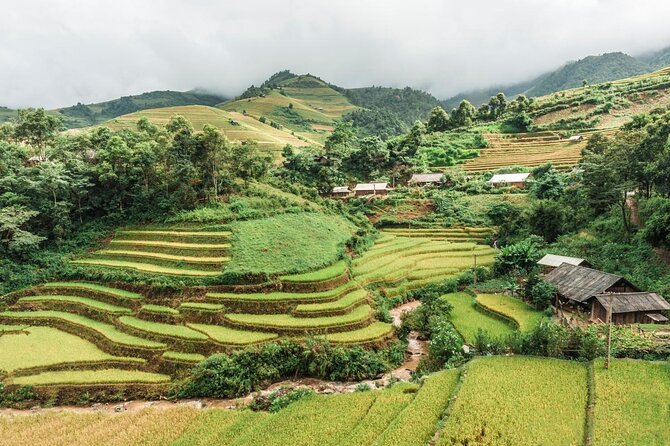
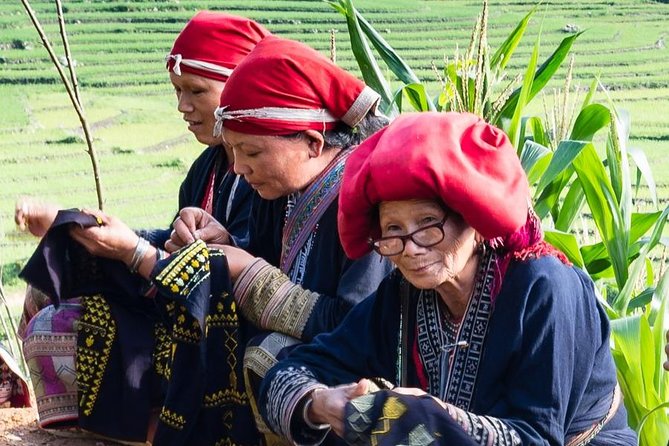
- Lao Chai in Muong Hoa valley: You’ll see the Black H’mong community and get a sense of the valley setting from the start.
- Ta Van homestay night: You sleep in the village area and eat dinner there, which turns the trek into more than day-hiking.
- Bamboo forest + rice fields on Day 2: The walk includes bamboo scenery, rice paddies, and a suspension bridge crossing.
- Small groups (max 15): It’s easier for your guide to keep everyone together and explain what you’re seeing.
- Guides with strong English: People often single out guides like Zu, Khu, and Nhu for friendly, clear explanations and help.
From Hanoi to Sa Pa: When the Schedule Actually Helps
If you’re trying to do Sa Pa without building a DIY plan, this style of trip is a smart shortcut. You leave Hanoi early, ride an air-conditioned coach with a couple of short breaks, and reach the mountain town by early afternoon. That timing matters because it lets you start trekking the same day instead of spending your first day only traveling.
What I find practical here is that the trip is structured around walking and village time, not around check-in paperwork. You’ll get picked up in the Old Quarter and dropped back there at the end, so you’re not hunting for transport after a long day.
A likely drawback: it’s still a tight 2-day window. If you’re hoping for long wandering time in Sa Pa town beyond meals, you may feel a bit rushed.
You can also read our reviews of more evening experiences in Hanoi


Day 1: Lao Chai to Ta Van Village, the Valley Starts Here
Day 1 begins with the coach pickup in Hanoi’s Old Quarter around 06:30–07:00, then departure shortly after. The ride typically includes one or two short stops so you can use restrooms and stretch your legs. You’re aiming to arrive in Sa Pa town around 12:30–13:00, which sets you up for lunch and then a real start to the trek.
Lunch in Sa Pa town (then straight into the walk)
After you arrive, you have lunch at your hotel in Sa Pa. This is a useful buffer—your body gets fuel before the hiking starts at about 14:00.
If you’re traveling with rain gear, this is also the moment to decide what you’ll do if the weather turns. Your trek day is fixed to the schedule, so packing for wet conditions is a good idea (more on that later).
Trek to Lao Chai (Black H’mong village) and the Muong Hoa valley feel
From Sa Pa, you head toward Lao Chai village, a spot about 6 km from the town center. The route is set up to introduce you to Lao Chai as the beginning of the Muong Hoa valley. You spend about 1 hour here, long enough to get beyond a quick photo stop and learn how daily life is organized in a hillside settlement.
You can expect the village setting to look different from what you’ll see in town: tighter paths, closer proximity to farmland, and views that open toward the valley. It’s also a good “warm-up” leg before Day 1 shifts toward an overnight village stay.
A mild consideration: Lao Chai is not a museum. People live there, so you’ll want to keep your behavior respectful and move at a gentle pace through shared spaces.
Continue trekking to Ta Van Village, then settle into the homestay night
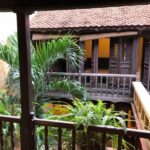
In the afternoon, you trek to Ta Van village (about 2 hours for the Lao Chai to Ta Van leg). Ta Van is known for its rural atmosphere and for the way homes and daily routines sit right in the mountain setting. This is where the trip becomes more personal: you’re not just passing through villages—you’re staying.
Even the way the day is timed helps. When you arrive in Ta Van, it’s close enough to evening that you can eat dinner and enjoy the homestay environment without rushing back to town immediately. If your goal is an authentic Sa Pa night, this part delivers.
One small caveat from real-world experience on similar village treks: you may encounter frequent requests to buy crafts along the way. That doesn’t mean it’s a bad trip. It just means you should be ready to respond politely or set your boundaries early if shopping isn’t your thing.
You can also read our reviews of more hiking tours in Hanoi


Day 2: Bamboo Forest, Rice Fields, and a Suspension Bridge Into Giang Ta Chai

Day 2 starts at the homestay with breakfast around 07:00. Then the trekking begins around 08:30–09:00, with about 2 hours allocated for the start of the route.
Trek around the village area before the main jump
The morning segment is shorter than Day 1’s bigger jump between villages, which is a smart design. You’re able to wake up, eat, and then start moving without feeling like you’re sprinting off the bed.
It also helps if you’re not the most confident hiker. Even if you’re slow, you can keep up with the group because the pace is built for a mixed set of walkers.
Giang Ta Chai Village: bamboo forest, rice fields, and bridge crossing
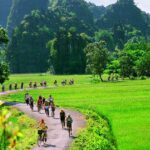
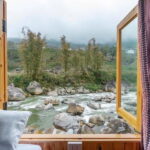
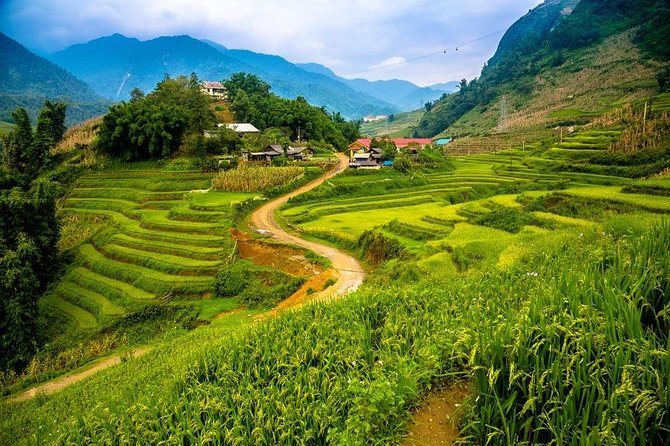
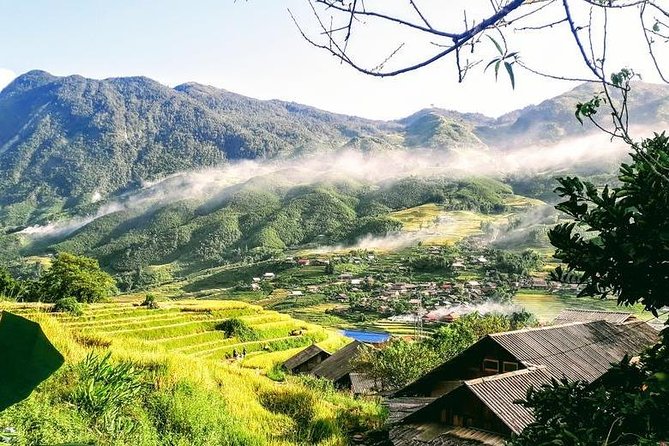
The main highlight on Day 2 is Giang Ta Chai village. You’ll walk for about 4 hours through paths that pass bamboo forest and rice fields. A major moment in the route is crossing a suspension bridge to the other side of the river.
This is the kind of scene that makes a Sa Pa trek feel like more than just sightseeing. Rice paddies and bamboo create layered textures—things you can’t see from a hotel balcony. And the bridge adds a little excitement, because suddenly you’re higher up, looking down at the river, with the village setting unfolding on the far side.
What to consider: the bridge and river crossing can feel “exposed” if you’re not comfortable around heights. If that’s a concern, you can still go—just keep your pace calm and listen to your guide on where to step.
Back to Sa Pa town by lunch, then the return bus
By about 13:00 you return to Sa Pa town for lunch at your hotel. Then you start the ride back to Hanoi around 15:00 and arrive around 22:00. That long travel finish is a real part of this trip, so I suggest planning for an easy evening when you get back—shower, dinner, sleep, repeat.
Also, note that the trek portion ends when you’re back in town for lunch. This is not a slow “hang out in Sa Pa” itinerary.
Your Guide Makes or Breaks Village Trekking (Zu, Khu, Nhu, and Friends)
A big reason people rate this trip so highly is the guide experience. Mountain Light Travel includes a local English-speaking guide, and the guides highlighted in feedback—Zu, Khu, and Nhu—are praised for being friendly, energetic, and genuinely helpful.
Here’s what good guiding means on the ground:
- You understand what you’re looking at in Lao Chai and Ta Van, not just that it exists.
- You get helpful context about ethnic minority communities, culture, and day-to-day life.
- You feel supported when the route narrows or when the group slows.
Guides also matter for pacing. If you’re not a strong hiker, a guide can often adjust your pace so you don’t fall behind, without changing the planned schedule too much.
Practical tip: ask your guide at the start what to expect for the weather and footing. Then listen for advice on where the slipperiest sections usually are.
The Real Value of $79: What You’re Paying For
At $79 per person, the best way to judge this isn’t just the sticker price—it’s the package shape.
You’re paying for:
- Round-trip transport by air-conditioned coach between Hanoi and Sa Pa
- A local English-speaking guide during trekking
- Two lunches, plus breakfast and dinner
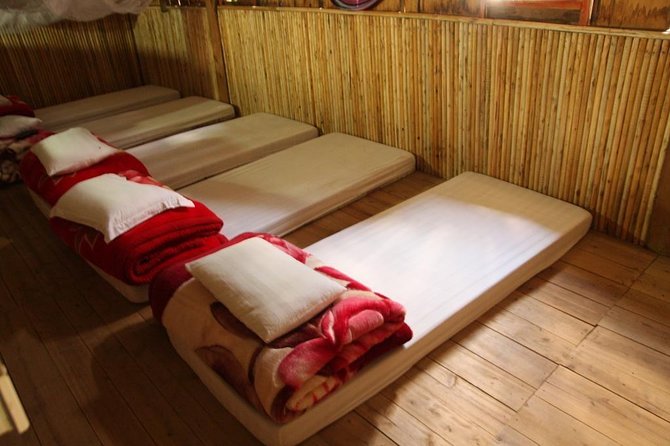
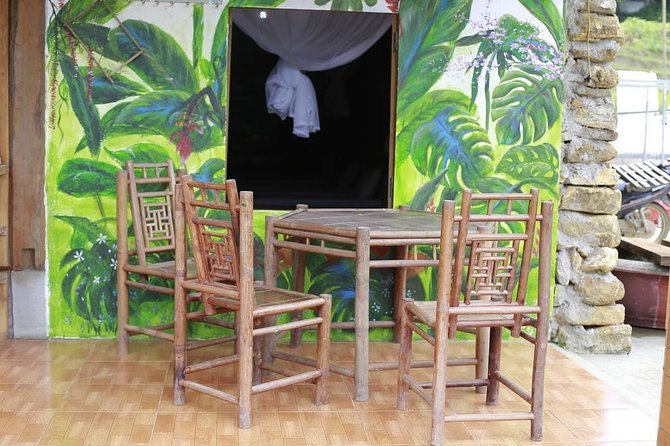
- 1-night accommodation in a homestay
- Water during the trip
That’s a lot bundled into one fee. If you tried to assemble the same pieces independently—transport, a guide, and lodging—you’d likely spend time coordinating and money on separate bookings. Here, the trip trades flexibility for simplicity.
Is it worth it? It is if you want a structured “see villages + walk” itinerary and you’d rather not plan transport or find trekking partners yourself.
Not such a great fit if you want a lot of downtime. This is hiking-forward. Your town time is mostly for lunch and meals, not long wandering.
Trek Reality Check: Fitness, Mud, and Weather
This trip is clearly for people with strong physical fitness. Not everyone needs to be a marathon runner, but you should be comfortable walking for hours with some uneven terrain.
Also, the experience requires good weather. That matters because fog, heavy rain, or slippery trails can change how comfortable the trek feels. If conditions aren’t good, the operator may offer a different date or a refund—worth keeping in mind when you’re booking.
What you should do to prepare (simple but important):
- Wear sturdy shoes with grip. Wet rice fields can turn trails slick.
- Bring a light rain layer even if the forecast looks decent.
- Carry a small daypack for water, a snack, and a dry layer.
One more reality point: this kind of village trek can involve frequent interactions with locals. You might be offered crafts and souvenirs. If that’s stressful, treat it like any travel situation—be polite, say yes or no clearly, and keep moving.
Who This Sa Pa Trek Suits Best
This is a strong match if you:
- Want a guided Sa Pa trek without complicated planning
- Like learning about ethnic minority villages and local customs
- Enjoy walking through rural settings like rice fields, bamboo paths, and valley routes
- Want a homestay night to make the trek feel more grounded
It’s less ideal if you:
- Want lots of free time in Sa Pa town
- Are easily overwhelmed by early starts and long travel days
- Prefer mostly flat, easy walking
Should You Book This Sa Pa Trek?
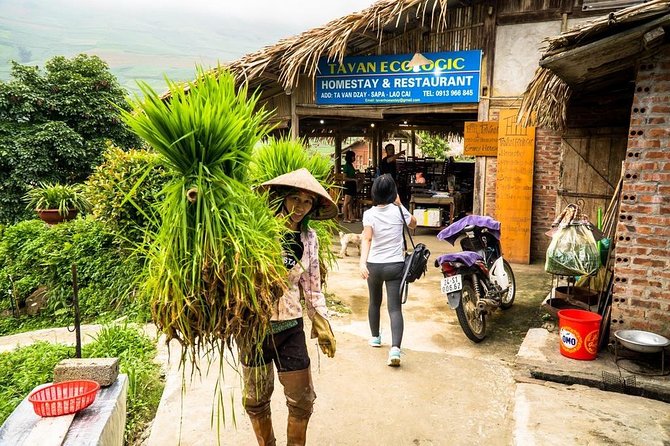
I’d book it if your top goal is a compact Sa Pa experience with real village time—Lao Chai to Ta Van on Day 1, then bamboo forest and rice-field walking toward Giang Ta Chai on Day 2. The pricing works best when you value a guided, meal-included package and you don’t want to piece logistics together yourself.
I wouldn’t book it if you’re looking for a leisurely holiday rhythm or you’re not comfortable with multi-hour trekking and a long return bus day. In short: it’s a great trek-first trip, not a town-first getaway.
FAQ
How early is the pickup in Hanoi?
Pickup is offered in Hanoi’s Old Quarter starting around 06:30–07:00, with the bus departing shortly after.
What time do you arrive in Sa Pa on Day 1?
You typically arrive in Sa Pa town between 12:30 and 13:00.
Where do you trek on Day 1?
On Day 1, you trek to Lao Chải village and then continue to Ta Van Village.
What’s special about Day 2’s route?
Day 2 includes trekking paths through bamboo forest and rice fields, plus a suspension bridge crossing, leading to Giang Ta Chai Village.
Are meals included?
Yes. Breakfast and dinner are included, and there are two lunches included during the trip. Bottled water is also provided.
Is there a guide?
Yes. The tour includes a local English-speaking guide.
What is the group size?
The maximum group size is 15 travelers.
What if the weather isn’t good?
The experience requires good weather. If it’s canceled due to poor weather, you’ll be offered a different date or a full refund.