REVIEW · HANOI
Sapa 2 days 1 night trekking Lao Chai Ta Van – Fansipan mountain by cable car
Book on Viator →Operated by Mountain Light Travel · Bookable on Viator
Sapa with villages by day and Fansipan by cable car is a neat mix. This 2 days 1 night plan takes you into the Muong Hoa valley area, with Black Hmong and Giay/Dao communities, then finishes with the big ticket view from the top of Indochina via cable car. I really like how the pace is split: easy village walking in the morning, then a calmer town evening, then the Fansipan ride with time to explore.
What I also like is the people factor. Guides such as Sao, Khu Ly, Phenh, Zu, and Cha have been praised for clear English and friendly, story-filled explanations about daily life, farming, and local culture. One thing to plan for: this is still a trek-style day, so you need proper trekking shoes and you should have a moderate fitness level.
In This Review
- Key Highlights That Make This Trip Work
- Lao Chai + Ta Van: Why This Trek Feels Different
- Hanoi Pickup and the Overnight Transfer to Sapa
- Y Linh Ho on the Way: A Fast Look at Terrace Beauty
- Lao Chai Village: Terrace Views and Village Reality
- Ta Van Village Walk: Giay and Dao Culture in Hoang Lien
- Sapa Evening at Viet Flower: A Real Base, Not a Wait-and-Leave Stop
- Fansipan Sun World: Cable Car Views and Self-Guided Time
- Value Check: Does $125 Make Sense for What You Get?
- What to Bring (and What to Avoid Bringing)
- Who This Tour Is Best For (and Who Should Skip It)
- Should You Book This Trek + Fansipan Combo?
- FAQ
- How long is the Sapa 2 days 1 night trekking Lao Chai Ta Van – Fansipan by cable car?
- Where do you get picked up in Hanoi?
- How many people are in the group?
- Are entrance fees included?
- Is the Fansipan day guided?
- What meals are included?
- What does the price include?
- What should I know about fitness and footwear?
- What happens if weather is bad for Fansipan?
Key Highlights That Make This Trip Work
- Village time with real rhythms in Lao Chai and Ta Van, not just quick photo stops
- Terrace views around Muong Hoa valley and the way rice fields frame the mountains
- Hoang Lien National Park setting around Ta Van village
- Fansipan access by cable car, with a long block of time to explore on your own
- Sapa base at Viet Flower hotel, including dinner plus town time at night
- Small group limit (max 15), which helps the experience feel less rushed
Lao Chai + Ta Van: Why This Trek Feels Different
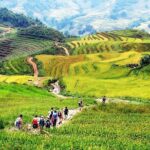
This isn’t a hard-core mountain hike. It’s more like a guided walk through the valley, where you’re learning by moving: seeing how people build and live, how terraces shape the landscape, and how daily routines fit into steep terrain.
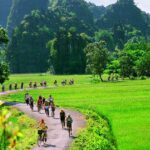
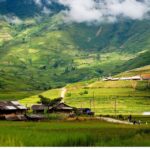
Lao Chai sits about 6 km from Sapa’s center, at the start of Muong Hoa valley. The name Lao Chai translates as old village in the local dialect, and you’ll feel that “older rhythm” as soon as you step into the valley lanes. The big draw here is the setting: terrace rice fields, strong mountain framing, and a sense of distance from the town bustle.
Ta Van is a different mood. It’s roughly 15 km southeast of Sapa in the Hoang Lien National Park area, with Giay and Dao ethnic communities. The walk gives you time to observe rather than just pass through. You’re not stuck inside a museum-style route—you’re in the open air, watching work and village life unfold at human speed.
If you’re the kind of traveler who enjoys cultural context while you walk, you’ll get more out of this than a basic day trip.
You can also read our reviews of more evening experiences in Hanoi
Hanoi Pickup and the Overnight Transfer to Sapa
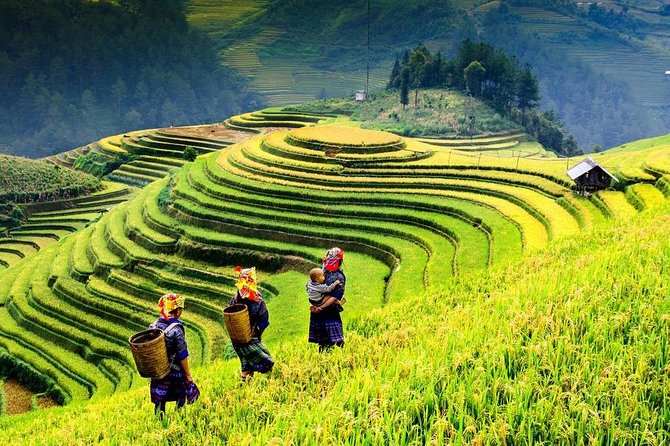
The logistics are simple, even if the timing feels “Vietnam-style.” You get a minibus pickup from the Hanoi Old Quarter area or a listed meeting point at 80 Tran Nhat Duat street, with pickup windows around 21:00–21:45. The idea is that you sleep on the way up, then wake up closer to the mountains.
This helps value because you lose less daylight to transit. It also fits the vibe of Sapa: mornings are often the clearest for views, and you want to be ready for village walking early the next day.
One practical tip: since the operator includes water for the transfer one way and you’ll likely buy or refill drinks separately, bring a small bottle or plan to pick up something simple in Sapa.
Y Linh Ho on the Way: A Fast Look at Terrace Beauty
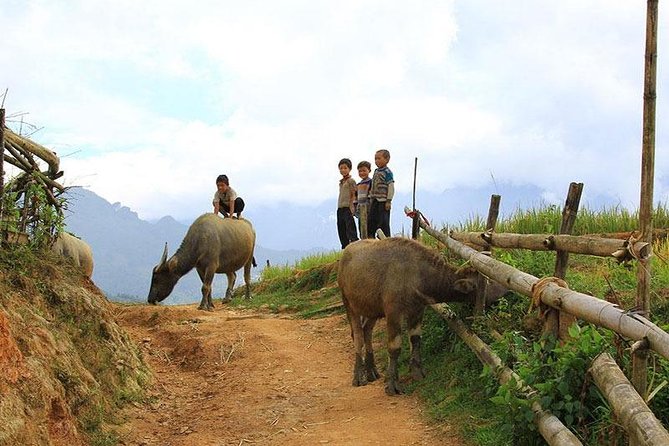
On the drive toward Lao Chai, you’ll pass Y Linh Ho, a small Black Hmong village known for terrace rice fields and dramatic mountain backdrops. You don’t spend hours here, but the stop-in-motion matters: it sets expectations for what the valley looks like all day.
This is a good moment for two things:
- Get your bearings for the rest of the trip
- Notice how terrace farming climbs the slopes
If you’re into landscape photos, this quick glimpse helps you understand what you’ll later see up close at Lao Chai.
Lao Chai Village: Terrace Views and Village Reality
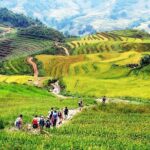
Lao Chai is where the day turns scenic fast. You’ll have about 1 hour here, and admission is free. That short time is actually ideal for most people: long enough to walk, observe, and take photos; not long enough to get bored or exhausted.
What you’ll notice:
- Rice terraces as the “architecture” of the valley
- How houses relate to the slope and valley paths
- The village feel as people go about daily routines
A big advantage is your guide’s storytelling. People consistently mention guides like Sao, Khu Ly, and Cha being friendly and able to explain what you’re seeing—especially how farming and village life connect to the landscape. That changes the experience from sightseeing into understanding.
Possible downside: because you’re there for a limited window, this is not the right choice if you want long, deep cultural stays in one village. But it’s a strong fit if you want multiple communities in one trip.
Ta Van Village Walk: Giay and Dao Culture in Hoang Lien
After Lao Chai, the focus shifts to Ta Van. You’ll spend about 3 hours here, again with free admission, plus lunch at a local restaurant.
Ta Van is within the Hoang Lien National Park territory, so you’re walking in a landscape that feels more “protected and wild” than the immediate outskirts of Sapa. You get time to slow down, ask questions, and watch daily village rhythms.
This is also where guide quality really shows. In the feedback I’m seeing, guides like Phenh and Zu are praised for:
- fluent English
- sharing everyday customs and practical explanations
- guiding you through the village in a way that feels respectful
If you want the trip to feel human instead of staged, Ta Van is where that usually happens.
Lunch clue: you’ll eat at a local restaurant included in the package. One review note is that food wasn’t everyone’s taste but was still okay. So go in with the right mindset: you’re there for the experience, and lunch is more about local flavor than culinary perfection. Ordering water and avoiding extra drinks helps you keep the budget steady.
You can also read our reviews of more hiking tours in Hanoi

Sapa Evening at Viet Flower: A Real Base, Not a Wait-and-Leave Stop
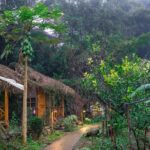
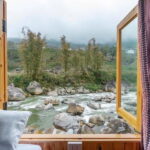
Back in Sapa, you’ll have a free window of about 1 hour and then check into Viet Flower hotel. Dinner is included, and you’ll have time to explore the town at night on your own.
This matters more than it sounds. Sapa can feel like two different places: daylight is valley and viewpoints; night is streets, shops, and the hum of people back from the trails. Having a proper hotel base means you can reset, eat, shower, and decide what feels worth your time.
What I like about this structure is that it gives you breathing room after village walking. Many Sapa tours cram too much into Day 2; this one gives you an evening to actually digest what you saw.
Fansipan Sun World: Cable Car Views and Self-Guided Time
Day 3 is all about Fansipan. You’ll head to Sun World Fansipan Legend area for about 6 hours, with admission included. Importantly, this portion does not include a tour guide, so you’re exploring on your own after breakfast.
That’s a key difference. You’ll get the hard part handled for you (the cable car ticket is included and you’re moved into the correct place), but you also have freedom. If you like exploring at your own speed and you’re comfortable reading signage, you’ll probably love this setup.
Fansipan is described as the highest mountain of Indochina, and the cable car changes the experience. Instead of earning every view with steep climbing, you’re trading effort for time. You can spend longer looking out over the valleys and ridgelines, and you can keep the day easier on your legs after the earlier trek.
Midday timing is built in for getting back to lunch: you return to the hotel around 12:39–13:30, then lunch is handled again, before you depart for Hanoi at about 15:00–15:30. Plan your morning pacing carefully so you don’t rush the best viewpoint hours.
Value Check: Does $125 Make Sense for What You Get?
At $125 per group (noted up to 1), the value is really in the mix: transport, lodging, and major sights are bundled.
Here’s what’s included that usually costs extra if you do it on your own:
- Round trip Hanoi–Sapa by sleeping bus (with water on the way one direction)
- Deluxe room at Viet Flower hotel for your night in Sapa
- Breakfast (2) and lunch (2), plus dinner
- Entrance fees for the village stops
- Fansipan cable car ticket
What’s not included is also clear: drinks, personal expenses, and tips. So if you drink a lot of bottled water or buy snacks as you go, your final cost climbs. It’s not a deal-breaker—just don’t assume this is a totally no-spend trip.
My practical take: this price is most fair for travelers who want a smooth schedule with minimal planning. If you enjoy designing your own route, you might find cheaper ways to reach Sapa and walk villages. But you’d likely spend more time sorting transport, tickets, and sequencing.
What to Bring (and What to Avoid Bringing)
Because the trek is village walking, your biggest “upgrade” is footwear. One review specifically points out you need trekking shoes. This is consistent sense: wet paths, uneven ground, and long minutes of walking can turn “normal sneakers” into a bad time.
Beyond shoes, pack like this:
- Lightweight layers (mountain weather can shift)
- A small day bag for water and snacks
- Something for photos (phone is fine; just protect it from mist)
Avoid overpacking. This tour isn’t set up for a heavy hiking day bag. You’ll also be using a hotel room at night, so keep clothes simple and easy to switch.
Who This Tour Is Best For (and Who Should Skip It)
This trip fits best if you want:
- A cultural walk through Lao Chai and Ta Van
- Scenic terrace views plus village explanations
- Fansipan without the full physical grind
- A clear schedule with meals and hotel included
You might want a different option if:
- You’re looking for a guided, fully planned Fansipan day (this part is self-guided)
- You want a long stay in just one village rather than multiple short stops
- You hate trekking-style walking even when guided
Given the guidance about moderate physical fitness, it’s also not ideal for people who need step-by-step accessibility comforts. But it’s very workable for average hikers who bring the right shoes.
Should You Book This Trek + Fansipan Combo?
I’d book it if you want the best of Sapa in two days: valley villages with explanation, then Fansipan views without exhausting climbs. The structure is practical—overnight transfer, one village-rich day, one cable car day—with meals and hotel handled so you can focus on the experience.
Two “make or break” points for your decision:
- Bring trekking shoes. This is the only recurring “real-world” complaint.
- Treat Fansipan Day 3 as your own exploration block. It’s included and time-rich, but you won’t have a guide translating everything on the spot.
If you’re excited by terrace landscapes, ethnic minority villages in the Sapa region, and a cable car summit day, this is a smart, efficient plan.
FAQ
How long is the Sapa 2 days 1 night trekking Lao Chai Ta Van – Fansipan by cable car?
The trip is listed as approximately 3 days, covering an overnight transfer, village walking, one night in Sapa, and a return to Hanoi.
Where do you get picked up in Hanoi?
Pickup is offered in the Old Quarter area, with a minibus pickup window around 21:00–21:45, and a listed meeting point at 80 Tran Nhat Duat street (plus a start location at 26 P. Hàng Tre, Lý Thái Tổ, Hoàn Kiếm).
How many people are in the group?
The maximum group size is 15 travelers.
Are entrance fees included?
Yes. All entrance fees are included, and the village stops and Fansipan admission are covered.
Is the Fansipan day guided?
No. The Fansipan Sun World time does not include a tour guide, and you explore by yourself after breakfast.
What meals are included?
Breakfast is included twice, lunch is included twice, and dinner is included.
What does the price include?
It includes round trip Hanoi–Sapa by sleeping bus, the hotel room at Viet Flower, meals listed above, entrance fees, and the Fansipan cable car ticket.
What should I know about fitness and footwear?
You should have a moderate physical fitness level, and trekking shoes are strongly recommended due to walking on uneven paths.
What happens if weather is bad for Fansipan?
The experience requires good weather. If canceled due to poor weather, you’ll be offered a different date or a full refund.