A cooking day in the countryside beats the usual class. This one pairs a market visit and Tra Que Vegetable Village cycling with hands-on cooking at a local home, plus herbal foot massage and table-flower decorating. Two things I like right away: you shop and learn the ingredients first, and you get step-by-step practice with real dishes you can recreate later.
The day also moves at a relaxed farm pace: quiet roads, buffalo and rice fields, and time to learn practical techniques like manual vegetable growing methods and organic inputs. I also love the playful food moments, like pancake tossing and a fire-pan performance, because you’re not just watching—you’re doing.
One consideration: it’s about 3 hours, so it’s not a slow, lingering full-day tour. If you want extra free time to wander on your own, you might feel a bit rushed at the end.
In This Review
- Key highlights to look forward to
- Why this Hoi An food class feels different than a restaurant demo
- Market walk: produce names, uses, and that practical local mindset
- Tra Que Vegetable Village and countryside cycling: quiet roads, real farm scenes
- Craft village stop: how table decoration becomes part of the meal
- Cooking at a local home: 4 dishes you can actually repeat
- Herbal foot massage: the reset your body will appreciate
- What you’re really paying for: value at about $35
- Who should book this Hoi An cooking day
- A quick practical plan for the day
- Should you book Spring Onion Family Tour?
- FAQ
- What time does the Hoi An cooking experience start?
- How long is the experience?
- Is pickup available?
- What’s included in lunch?
- How many people are in the group?
- What’s not included in the price?
Key highlights to look forward to
- Local market first: learn produce names, and how ingredients connect to everyday uses and local medicine.
- Tra Que Vegetable Village cycling: small roads with countryside scenes, not traffic and noise.
- Carving and table decoration: learn practical knife-style prep and simple vegetable flower styling.
- 4-dish cooking format: you’ll cook a full set of Hoi An favorites at a home kitchen.
- Herbal foot massage: lemongrass, ginger, and basil leaves used for a soothing finish.
- Small group experience: max 10 people, with a local English-speaking guide.
Why this Hoi An food class feels different than a restaurant demo
Hoi An has plenty of cooking classes. This one feels more like visiting a farm family and learning how they build meals from the ground up. You’ll start with a market, then cycle out to the vegetable-growing area, and only then do you cook.
The small-group size matters. With a max of 10 travelers, you’re more likely to get real attention when you’re cutting, mixing, or trying pancake tossing. It also tends to keep the pace calm, which is a big deal when part of the day includes biking and hands-on prep.
You’ll also notice that the hosts aren’t doing this as a quick side gig. The family guides grew up in the countryside and spent years working in restaurants before compiling their knowledge into a guided cooking experience you can take home.
You can also read our reviews of more tours and experiences in Hoi An.
Market walk: produce names, uses, and that practical local mindset
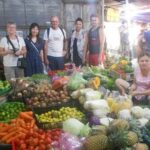
Your morning begins around 9:00 am with a local market visit. This is where the class starts doing something most cooking tours skip: teaching you what the ingredients actually are, not just what they taste like.
You’ll get introduced to fruits and vegetables used locally, including how people use them in everyday life and even for local medicine. That last part is a useful mindset shift. Instead of thinking of herbs and produce as just “garnish,” you learn how locals connect plants to comfort and wellness.
You’ll also be in the right headspace for the cooking later. When you can name what’s in front of you, you cook with more confidence. And if you’re planning to cook back home, this helps you shop smarter instead of trying to guess what something is called in Vietnamese.
Practical note: the market portion can involve walking and looking closely. Wear comfy shoes and stay hydrated. Bottled water is included, so you’re covered, but you’ll still want something light in your day bag.
Tra Que Vegetable Village and countryside cycling: quiet roads, real farm scenes
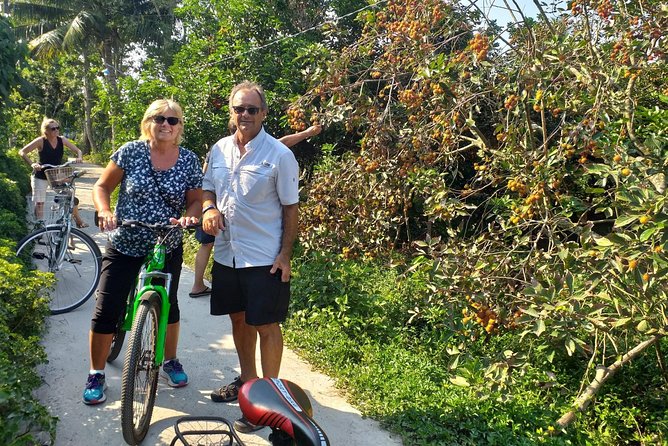
After the market, you cycle with a local guide on small winding roads away from busy traffic. This is one of the best ways to understand Hoi An’s food culture because it connects the menu to the land.
Expect countryside scenes like buffalo grazing, rice fields, and farms raising shrimp and ducks. You’ll also explore Tra Que Vegetable Village, a famous name for vegetable growing around Hoi An. The point isn’t just sightseeing. It’s learning why these vegetables show up in local dishes so often.
During this part of the day, you’ll learn about vegetable growing methods—especially the use of organic fertilizers and pesticides. That sounds technical, but the practical takeaway is simple: you’re getting ingredients that are grown with a care-and-process approach, then used in meals that feel deeply local.
The biking itself is part of the fun, and it’s also why the class stays under a tight time window. You get movement and scenery without turning the day into a full-day marathon.
Craft village stop: how table decoration becomes part of the meal
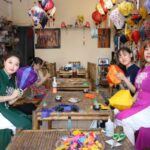
One of the tour’s more memorable moves is adding traditional craft village learning into the day. You’ll visit one of four long-standing traditional craft villages, and the focus ties back to practical food prep.
You’ll learn manual vegetable growing techniques in the context of village production, using organic methods. Then you shift from farm and garden to hands-on presentation skills.
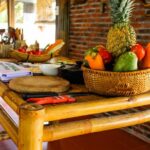
This is where table decorating comes in. You’ll learn how to make simple vegetable shapes and flowers—things like carving carrots and tomatoes into table decoration. That matters because Vietnamese home meals often look inviting first, not just taste amazing. It’s a skill that works in your own kitchen even if you’re not hosting a big group dinner.
If you care about food aesthetics, this is the part that makes the day feel playful instead of purely instructional. If you just want to cook, it’s still worth paying attention—because the knife work and prep timing show up again during cooking.
Cooking at a local home: 4 dishes you can actually repeat
Now comes the main event: cooking at a local’s house. The class is taught by hosts who’ve worked in restaurants for years, so the instruction style tends to be practical and direct.
You learn to cook 4 typical Vietnamese dishes, including dishes from the Hoi An specialty list served during the lunch. You don’t just taste at the end—you learn how to build the flavors while you’re cooking.
Here’s what your included lunch covers:
- Vietnamese pancake
- Hoi An spring roll
- Green papaya & banaba flower salad
- Chicken in clay pot
- Morning glory stir-fried with garlic
- Rice
- Dessert
That set is smart for value. It covers crunchy, savory, herb-forward, and slow-cooked comfort in a single meal. So when you recreate it later, you’re not trying to remember only one dish—you have a balanced menu you learned as a set.
During the cooking portion, you’ll also get entertainment and skill practice. The experience includes a fire pan performance and pancake juggling. Even if you’re not a performance person, this helps you understand heat control and technique timing in a way watching alone can’t.
And yes, you’ll do a lot of the work yourself—cutting greens, tossing ingredients, and assembling dishes. That’s the difference between a demo and a class.
Herbal foot massage: the reset your body will appreciate
After market, biking, and kitchen time, your body is ready to slow down. You’ll get a foot massage using herbal leaves such as lemongrass, ginger, and basil leaves.
This is a good closing activity because it balances the more active parts of the itinerary. It’s not a huge, showy add-on—it’s a practical recovery moment.
Even better, it’s tied to the theme of plants and everyday uses from earlier in the day. You start by learning how locals use plant ingredients, and you end by experiencing those plants as comfort.
For best results, keep your feet in comfortable shoes before the massage. The program includes cold towels and a welcome drink, which helps you reset throughout the morning.
What you’re really paying for: value at about $35
At $35 per person, this is priced like a budget-friendly food experience—yet it packs in a lot. You get:
- pickup offered (private transportation also included)
- market visit
- cycling around the countryside
- craft village and vegetable-growing learning
- table-flower decorating
- cooking class with 4 dishes
- lunch made from that menu
- herbal foot massage
- bottled water, cold towels, and a welcome drink
- local English-speaking guide
- mobile ticket
The real value isn’t one single activity. It’s the combo. Many tours either focus on cooking only or scenery only. Here, you get ingredients (market), the source (Tra Que area and farm life), then the skills (craft prep + cooking), and finally the comfort finish (massage).
Two things can change your personal value equation:
- If you love learning techniques you can repeat, this tends to feel worth every dollar. The step-by-step family teaching style gets a lot of praise, especially for making people feel confident in the kitchen.
- If you mostly want casual eating with minimal effort, the hands-on format might feel like “work” rather than relaxation. It’s still fun, but you’ll be actively cooking.
Who should book this Hoi An cooking day
This tour fits best if you want an authentic, village-side day without complicated logistics. It’s ideal for:
- food lovers who want more than recipes and want ingredient context
- couples and small groups who like a calm pace
- anyone who wants Vietnamese cooking skills they can bring home
- travelers who enjoy bikes, outdoorsy scenes, and hands-on activities
It may be less ideal if you dislike active walking and biking, or if you need long independent time for shopping or sightseeing after the class. Since it runs about 3 hours, the itinerary is tight by design.
Also, lunch includes multiple dishes with meat (for example, chicken in clay pot), so if you have dietary needs, you’ll want to ask ahead of time. The tour data lists what’s included, but it doesn’t mention vegetarian substitutions.
A quick practical plan for the day
To get the smoothest experience, I’d plan for a morning that blends walking, cycling, and cooking. Wear clothes that handle heat and movement, and pack a small layer if you’re sensitive to morning cool air.
Bring a phone you’re okay with getting a little dust on if you’re taking countryside photos. The day is built for filming and pictures, but it also includes farm paths and kitchen work.
If you’re picky about sharp knives, expect some prep tasks. That’s part of learning to decorate and cook. The format is designed so you don’t just watch—you practice.
If you’re doing this with kids, it can work well because the program includes interactive moments and the schedule can be adjusted to keep younger stomachs happy—just make sure you mention timing needs to your guide.
Should you book Spring Onion Family Tour?
I think it’s a strong choice if you want Hoi An cooking with context—market ingredients, Tra Que vegetable life, and a home-kitchen lesson that leads to a real meal. The best signal is consistency: the program gets top marks for friendly teaching, clear English, and fun hands-on moments like veggie carving, pancake juggling, and the fire-pan performance.
Book it if you:
- want to learn 4 dishes with practical skills
- enjoy countryside cycling and local market time
- care about a small group atmosphere
- like the idea of an herbal foot massage as your finale
Skip it if you:
- hate biking or don’t want active participation
- need lots of downtime or long free-roam time
FAQ
What time does the Hoi An cooking experience start?
It starts at 9:00 am.
How long is the experience?
The duration is about 1 day, 3 hours (approx.).
Is pickup available?
Pickup is offered, and private transportation is included.
What’s included in lunch?
Lunch includes Vietnamese pancake, Hoi An spring roll, green papaya & banaba flower salad, chicken in clay pot, morning glory stir with garlic, rice, and dessert.
How many people are in the group?
The tour has a maximum of 10 travelers.
What’s not included in the price?
Coffee and/or tea, alcoholic beverages, and soda/pop are not included.