REVIEW · DA NANG
Da Nang: Half-day Hoi An Heritage Walk
Book on Viator →Operated by Hoi An Express Travel · Bookable on Viator
Hoi An feels like time travel. This half-day heritage walk from Da Nang lets you wander through streets and buildings said to be unchanged for more than 200 years, with Ancient Houses and classic cross-cultural sights. I especially liked the mix of Vietnamese, Chinese, and Japanese touches you can actually see in the architecture—and that your guide connects the dots. The main drawback is simple: heat can hit hard, especially in midday in summer.
You’ll get a smooth start with Da Nang pickup in an air-conditioned ride and an English-speaking guide, plus bottled water and entrance fees included. The tour also caps at 15 travelers, so it’s not a cattle-herd experience, but it’s still a group walk with a set route.
In This Review
- Key points I’d plan around
- Hoi An on foot: why this kind of tour works
- Price and logistics: what you’re paying for (and what you’re not)
- The group size (and why that’s a big deal in Hoi An)
- Stop 1: Hoi An Ancient Town and the “unchanged” feeling
- Stop 2: Market, museum, assembly halls, and the Japanese Covered Bridge
- The market and everyday life vibe
- The Hoi An Museum as context
- Assembly halls and the Chinese influence
- The Japanese Covered Bridge
- Timing and heat: when this tour feels best
- Guides: what you gain (and when you might not need every stop)
- Insurance, water, and what it means for your comfort
- Who should book this Hoi An heritage walk
- Family fit and age considerations
- Quick checklist so your half-day goes smoothly
- Should you book this Da Nang to Hoi An heritage walk?
Key points I’d plan around
- Short, focused walking route through Hoi An’s most famous heritage pockets
- Cross-cultural architecture you can spot street by street (Vietnamese, Chinese, Japanese influences)
- Real stop variety: market, museum, assembly halls, and the Japanese Covered Bridge
- Heat management matters if your day starts late morning or early afternoon
- Best with a good guide—and time for your own pace, especially around the houses
- Value add-ons included: pickup/drop-off, entrance fees, insurance, bottled water
Hoi An on foot: why this kind of tour works

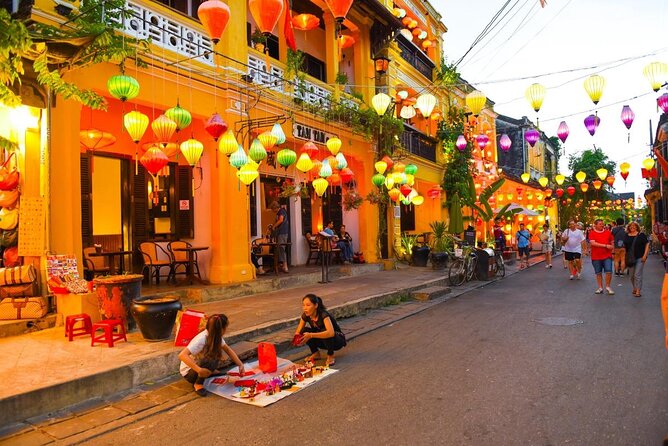
Hoi An is one of those places where walking is the point. The streets stay narrow, the sights are close, and the atmosphere changes block by block. A heritage walk helps because you’re not just looking at pretty buildings—you’re learning what you’re looking at and why it formed the way it did.
I like that this tour leans into the Ancient Town experience instead of trying to cram in random add-ons. You’re guided through the historic core, then you get enough time around major landmarks to notice details: the housefronts, the ways people built for shade, and the small everyday rhythms still visible right along the heritage streets.
If you’ve ever visited a UNESCO-style town and felt overwhelmed, this format is easier. It gives you a path through the highlights, with enough explanation to make the place feel understandable, not just photogenic.
You can also read our reviews of more walking tours in Da Nang



Price and logistics: what you’re paying for (and what you’re not)
At $42 per person for about 5 hours, you’re paying for four big things that matter in Vietnam:
1) Da Nang pickup and drop-off in the city center
That’s a real convenience. Getting yourself across town, timing taxis, and finding meeting points can eat time fast.
2) Air-conditioned transportation
You’re going to Hoi An and spending time outside. The ride being covered helps your energy budget, especially in hot months.
3) Entrance fees and bottled water included
Entrance fees can add up when you hit multiple sites in a short window. Bottled water is also a small comfort that’s worth having.
4) An English-speaking guide
This is the difference between seeing the town and understanding it. The guide also helps you move efficiently through the key spots.
Not included: tips and personal expenses (shopping, extra drinks, phone use, and the like). If you plan to buy things—tailors, souvenirs, snacks—set aside cash. Hoi An’s shopping is part of the experience, even if you don’t go looking for it.
One practical note: confirm what transportation charges are included. In one real-world case, someone reported being asked for extra money for transportation by a local agent, and they pushed back. I’d simply ask ahead of time what’s covered so you’re not negotiating mid-day.
The group size (and why that’s a big deal in Hoi An)
This tour limits groups to 15 travelers. That size is usually a sweet spot: you get guidance, but you can still hear the explanations without constantly shouting over other people.
It can also affect timing. In smaller groups, guides can adjust the pace if you’re taking photos or if you want a quick break. It’s not a private tour by default, but the smaller max size generally keeps the experience more human.
Also, languages beyond English may be available with a surcharge. If language matters to you, double-check when booking that your preferred language is confirmed.
Stop 1: Hoi An Ancient Town and the “unchanged” feeling
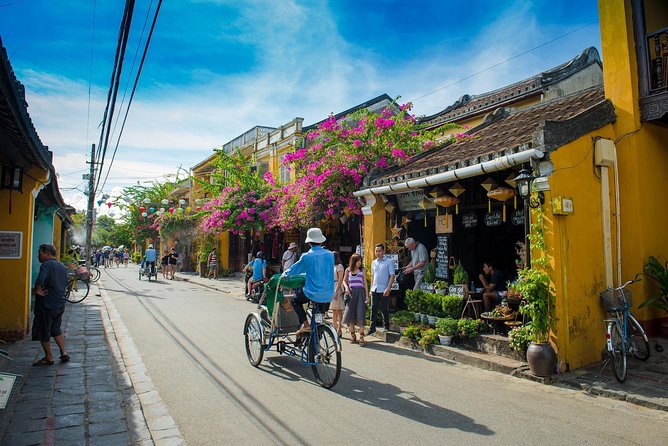
The tour starts with Hoi An Ancient Town on foot for about an hour. This is where you get oriented—what kind of streets you’re walking, how the houses are arranged, and where the heritage clusters sit.
What I like about this first stop is that it sets expectations for what you’ll see later. You’re not starting with the most famous landmark and then drifting. You ease into the town’s layout, and you begin noticing the cross-cultural design influences as you walk.
You’ll also see the Ancient Houses, which are the core of why people come here. These aren’t just facades for selfies. They’re windows into how families lived and built. One detail worth looking for: decorative trellises with windflowers on house fronts. It’s the kind of small, specific touch that helps you feel the place is still lived-in, not just preserved.
Drawback to consider: some explanations inside certain houses may feel repetitive if you prefer to read details at your own pace. If you’re comfortable exploring independently, it can help to ask the guide what’s essential and then spend your extra energy walking slower outside the doorways.
Stop 2: Market, museum, assembly halls, and the Japanese Covered Bridge
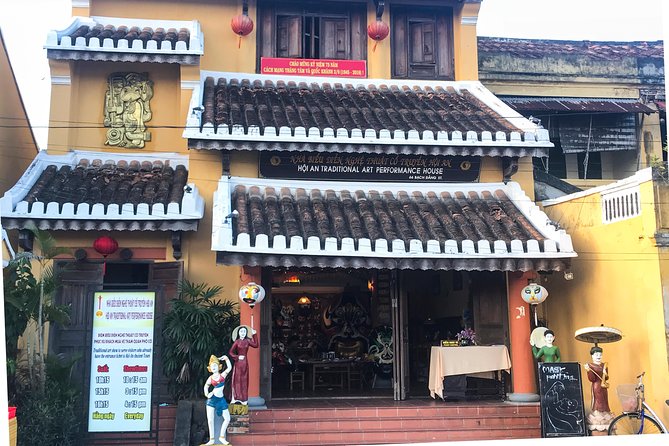
The second part of the walking program is where Hoi An starts to feel like a full picture. You’ll spend several hours visiting key stops within the Ancient Town area.
You can also read our reviews of more historical tours in Da Nang






The market and everyday life vibe
You’ll pass through the Hoi An Market, a spot that contrasts with the quiet beauty of the heritage houses. It’s where the town shows its daily rhythm—vendors, movement, and the practical side of Hoi An life. Even if you don’t plan to shop, it’s helpful to see a historic town doing what historic towns do: staying functional.
The Hoi An Museum as context
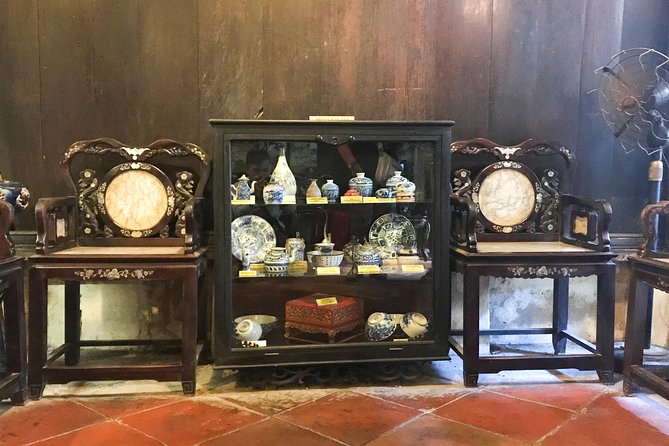
The Hoi An Museum can be short, but it helps you place what you’re seeing. When you know why certain features exist—trade influences, community styles, cultural blending—the architecture reads differently.
Assembly halls and the Chinese influence
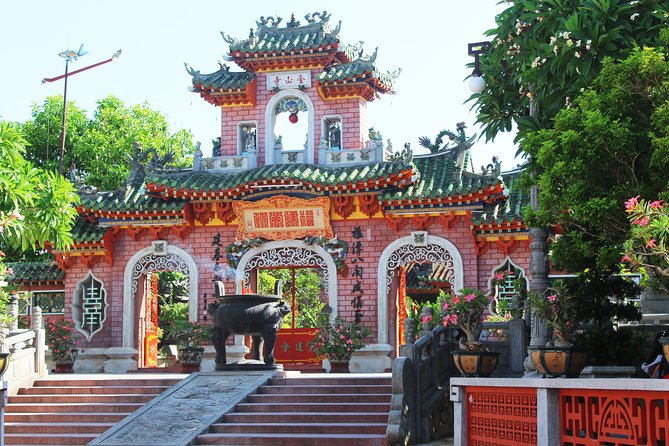
You’ll also visit assembly halls shaped by Chinese cultural influence. This is the kind of detail many visitors miss when they only focus on the bridge photos. Assembly halls explain how communities gathered, worshiped, and organized themselves around shared identities.
The Japanese Covered Bridge
Finally, you’ll reach the Japanese Covered Bridge, one of Hoi An’s signature landmarks. This is a great spot to slow down and look carefully. Don’t rush for the photo and move on. Check the construction, the walkway, and how it fits into the surrounding street life. It’s famous for a reason—but the best experience is when you notice how it functions as part of the town, not just as a monument.
Timing and heat: when this tour feels best
This tour runs around 5 hours, but your exact experience depends on your start time. One traveler had a later start (around the 2 p.m. range) and ended up with a more private feel. Another highlight from that same kind of schedule: the guide worked with the group on the return timing, so they could enjoy dinner in Hoi An.
Here’s the practical takeaway: for summer months, plan for heat. You can do the Ancient Town in any weather, but the comfort level changes a lot.
What I recommend:
- If you have a choice, pick the late afternoon/early evening window rather than the hottest hours.
- Bring sunscreen and a hat even if the tour includes bottled water.
- Wear shoes you can walk in for several hours. Hoi An’s charm includes uneven stone and lots of small turns.
If you’re going in June or peak summer, expect the heat to be the main “villain.” The heritage itself is great. It’s your sweat level that decides how much you enjoy it.
Guides: what you gain (and when you might not need every stop)

The guide is a core part of why this tour makes sense. In the best cases, you get clear English and helpful context, plus suggestions for what to do next. I also like the idea of the guide helping you navigate the town so you don’t spend energy figuring things out.
But there’s a balance. One person felt the guided house explanations weren’t necessary and even preferred to continue on their own route after the guided moments. That doesn’t mean the tour is bad—it just means your learning style matters.
If you love stories and cultural context, lean into the guide. If you’re more into wandering, treat the guide like a map plus a few key facts, then take your own pace after.
A good middle plan: listen once, then ask for your top 2 must-see details. Then you can walk the rest with intention.
Insurance, water, and what it means for your comfort
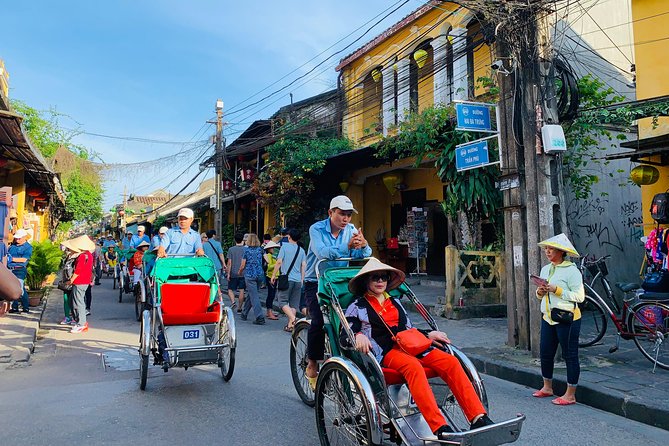
It’s easy to forget these “small” inclusions, but they affect your day.
- Bottled drinking water means you start with one less item to worry about.
- Travel insurance is built in.
- Entrance fees being included reduces the stress of paying on the spot.
- Hotel pickup/drop-off reduces navigation problems.
For a half-day experience, this is the kind of setup that keeps your time in Hoi An from feeling like logistics.
Who should book this Hoi An heritage walk
This tour is a strong match if you:
- Want to see the big heritage sights without planning every turn yourself
- Prefer a guided path in order to understand the town’s mix of influences
- Have limited time and want a structured half-day in Hoi An
- Appreciate a small group size
It may be less ideal if you:
- Are extremely heat-sensitive (and can’t shift your timing)
- Want a fully self-directed exploration with no set schedule
- Don’t care about house explanations or museum context
If you’re the type who loves roaming like a casual wanderer, you can still do Hoi An without a tour. The difference is that this format helps you feel oriented fast.
Family fit and age considerations
If you’re traveling with kids, here are the rules you should keep in mind:
- The tour allows most travelers to participate.
- There’s a limit of 1 child accompanied by 1 adult; a second child pays the adult price.
- Children 0–5 are free.
- Children 6–10 pay 50% off.
So if you’re traveling as a family, check ages and how many adults you’ll have in the group.
Quick checklist so your half-day goes smoothly
Even though bottled water and entrances are included, you’ll enjoy the walk more if you prepare for the basics:
- Hat + sunscreen for sun-heavy hours
- Lightweight layers (indoors can feel cooler near museums/venues)
- Cash or card for shopping (tailors and souvenirs are common stops in the area)
- A small towel or tissue for comfort in the heat
- Comfortable walking shoes
If you’re hoping to eat soon after the tour, plan your schedule so you’re not rushing. The experience is designed to leave you time in Hoi An for food and strolling afterward—especially if you’re on a later start.
Should you book this Da Nang to Hoi An heritage walk?
I’d book it if you want a guided route that covers the main heritage landmarks efficiently, while still leaving room for the town’s atmosphere. The best part is that you’re not just ticking off sights—you get context for the Ancient Houses, the cultural influences behind sites like the Japanese Covered Bridge, and the town’s everyday life at the market.
Pass on it (or be cautious) if you’re chasing the calmest “do-it-your-own-way” experience and you’re visiting during peak heat without the option to shift to late afternoon. In that case, you can still enjoy Hoi An by roaming on your own at night and taking the sights more slowly.
My practical call: if you’re short on time and want clarity fast, this tour earns its place. If you can spare more days and you prefer wandering, you can treat Hoi An as a self-guided evening stroll and let this be optional.