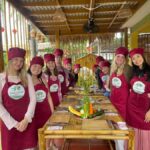
Eat and wander Hoi An with a private guide. This 3 to 5 hour food-first tour pairs classic dishes with landmarks like the Japanese Covered Bridge and old assembly halls, plus a night of Bai Choi bingo. I like that you get the plan from Eric, a fun, highly informed guide who helps you read the town as you eat.
My favorite part is the white rose dumpling experience: you’ll watch the process and taste the local specialty in context, not just on a plate. I also really like the pacing because it’s private, so you can slow down for photos, questions, and the small market moments that would be hard to catch on a big group run.
One thing to consider: you’ll be walking a fair bit between stops, and the schedule is tight enough that you should come with good shoes and an appetite, not a full schedule already planned right after.
In This Review
- Key highlights worth marking
- Private Hoi An food tour: why this one feels easier than DIY
- How the 3 to 5 hour format works on the ground
- Stop-by-stop: white rose, old houses, tea, and the main sights
- White rose dumplings: learn, watch, then taste
- Fukian Assembly Hall (Phuc Kien): wishes and centuries-old gathering
- Quan Thang Ancient House: the Chinese merchant link
- Mot tea stop: herbal tea that resets your palate
- Hoi An Market: watch trading, bargain if you want
- Cao Lau noodles: the second “must try” dish
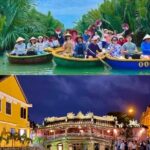
- Japanese Covered Bridge: the photo stop with real stories
- Banh xeo pancake: crispy, shareable, and very Hoi An
- Bai Choi bingo at 7 pm: join locals for a fun game
- What you actually eat and why it’s a smart mix
- Price and value: is $54 per person worth it?
- Logistics and small practical notes that matter
- Who this tour suits best
- Should you book the Private Food Tour and Hoi An stops?
- FAQ
- FAQ
- What is the duration of the Hoi An private food tour?
- How much does the tour cost per person?
- Is the tour private?
- What food and drinks are included?
- Which main sights are included besides the food stops?
- What is Bai Choi and when does it happen?
- Are entrance fees included?
- Is pickup included, and is there anything extra for port pickup?
- What is the cancellation policy and what happens if the weather is bad?
Key highlights worth marking
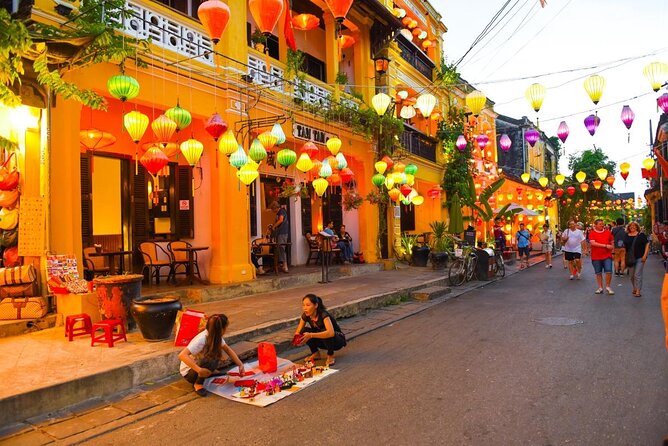
- Private pacing with only your group, plus pickup offered
- Watch and taste white rose dumplings at the restaurant stop
- Old meeting halls and ancient houses tied to the Chinese merchant story
- Hoi An market time to bargain or simply observe daily trading
- Bai Choi bingo at 7 pm for laughs, not prizes
Private Hoi An food tour: why this one feels easier than DIY
Hoi An is great for exploring on your own, but food can turn into guesswork fast. Menus are only half the story, and the best bites are often the ones you’d never order because the names sound unfamiliar.
This tour keeps things simple: you get guided routing, entry included, and enough structure that you can focus on eating and looking around. You’re not rushing from one landmark to another like a checklist. Instead, you connect flavors to place. That matters in Hoi An, where food and history are linked by the same trade routes and communities.
A big plus here is that it’s private. You’re not stuck waiting for slow walkers or herding people through crowded lanes. If you’re the type who likes to ask questions, this setup works well. Eric’s approach in particular comes across as friendly and practical, with tips that help you understand what you’re seeing, not just where to stand for a photo.
You can also read our reviews of more food & drink experiences in Hoi An


How the 3 to 5 hour format works on the ground
The tour runs about 3 to 5 hours, with multiple short stops. Many of the moments last around 30 minutes, which makes the experience feel “bite-sized” without turning into a sprint.
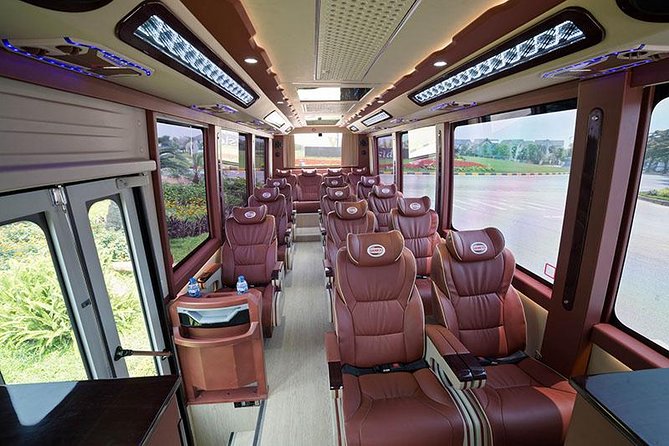
You’ll also get private transportation during the transfers between areas. That’s helpful because Hoi An’s lanes can be uneven and busy. You still do real walking in the Ancient Town area, but the day doesn’t depend on long rides on your own. If pickup is offered for your schedule, that can cut down on pre-tour stress.
Come hungry. This tour is not built around one big meal. It’s built around trying several signature dishes and snacks, plus tea. The ideal mindset is: you’re going to eat, and you’re going to enjoy the walking afterward.
Stop-by-stop: white rose, old houses, tea, and the main sights
Here’s what the day actually feels like, in the order you’ll encounter it.
White rose dumplings: learn, watch, then taste
The day starts at the White Rose restaurant where you can see how white rose dumplings are made, then try them. This is the kind of stop that works on two levels. First, it gives you a baseline for what makes the dish special. Second, it sets you up for everything else, because white rose becomes a reference point for the rest of the day.
You’re not just “tasting Hoi An.” You’re tasting one of the town’s signature flavors with context—how it’s prepared and why locals care about it.
Fukian Assembly Hall (Phuc Kien): wishes and centuries-old gathering
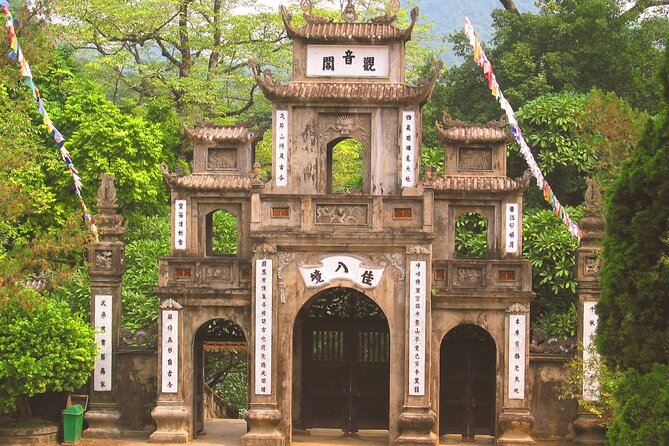
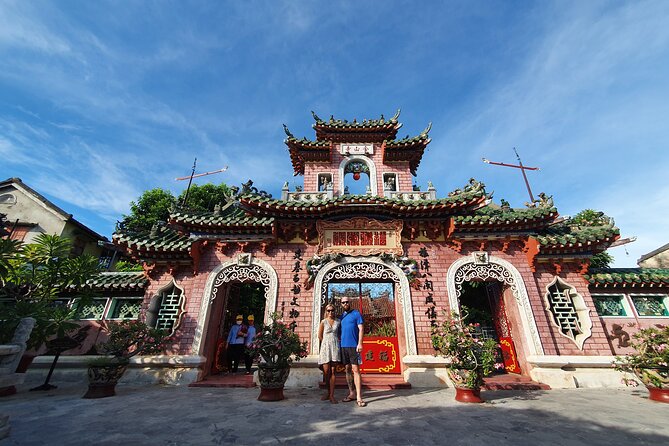
Next is the Fukian Assembly Hall (Phuc Kien), built in 1696. This stop adds depth without turning into a lecture. You may have a chance to burn a circular incense stick to make wishes, which is a very Hoi An way to join in rather than just observe.
The practical value: assembly halls in Hoi An aren’t random historic buildings. They represent community connections that shaped what people ate, traded, and brought to town. You’ll likely notice how the architecture and cultural customs show up again in the way the city feels.
A few more Hoi An tours and experiences worth a look


Quan Thang Ancient House: the Chinese merchant link
Then you visit Quan Thang Ancient House, described as the oldest ancient house built by a Chinese trader. This is where the tour ties the white rose dumpling story to physical place. Even if you’re not a history buff, this stop helps you make sense of why certain food traditions are linked to specific communities and trade patterns.
Short version: it’s a useful pause between eating stops, and it makes the food feel less like a souvenir and more like tradition.
Mot tea stop: herbal tea that resets your palate
After walking through the Ancient Town, you’ll stop at a traditional local tea place called Mot. You’ll try a special herbal tea designed to make you feel fresh and cool.
This is one of those stops that sounds small until you’re mid-tour and the smells, spice, and sweets have piled up. A warm drink at the right time can actually make the next bite more enjoyable.
Hoi An Market: watch trading, bargain if you want
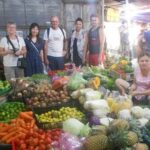
The tour includes time at Hoi An Market, even though it’s described as the biggest local market in town. You get the chance to bargain or just walk through and observe how shopping works in Vietnam day-to-day.
A practical tip: if you do bargain, keep it friendly and quick. Your guide will help you understand what’s reasonable, and you’ll avoid the awkward stand-off energy that can happen when you’re tired.
Cao Lau noodles: the second “must try” dish
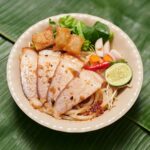
Back to food again: you’ll try Cao Lau, described as Hoi An special noodles only found in the area. This is one of the tour’s main payoffs because it takes you beyond the famous “tourist hits.”
The value here is simple. If you’re wandering alone, you might not find the right spot, or you might order something that looks safe but misses the local specialty. With Cao Lau, you’re eating a dish designed for Hoi An identity.
Japanese Covered Bridge: the photo stop with real stories
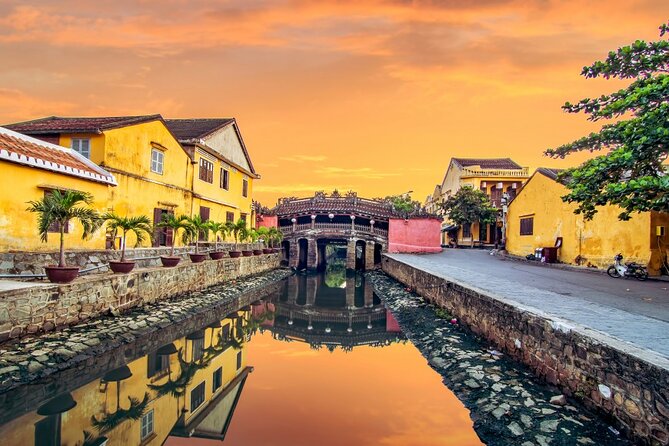
Next is the Japanese Covered Bridge, one of Hoi An’s icons. You get time to see it and hear the stories tied to it.
This stop is short (about 30 minutes), but it’s a good anchor point. It helps you connect what you’ve already learned about cultural mixing to an obvious, visible landmark.
Banh xeo pancake: crispy, shareable, and very Hoi An
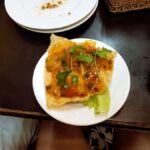
You’ll then try the local pancake banh xeo (the tour calls it a Vietnamese pancake and highlights it as very popular in Hoi An). This is usually the kind of dish that invites participation: you eat it fresh, you share bites, and it’s fun in a way that doesn’t require deep dining etiquette.
Also, having this after Cao Lau makes sense. Your palate gets a chance to shift from noodles into something lighter and crispier.
Bai Choi bingo at 7 pm: join locals for a fun game
The final experience is Bai Choi, a traditional bingo game that starts at 7 pm and brings in locals and visitors. The tour includes the bingo ticket, and the tone is clear: the goal is not big rewards. It’s social entertainment.
This is one of the best parts of the day if you want more than eating. You’re stepping into a shared nightly ritual, hearing the pace of the game, and getting a reason to hang around after dinner time.
If you’ve never played Bai Choi, don’t worry about rules. The tour includes the ticket and brings you in with the guide, so you can focus on enjoying the experience rather than decoding it alone.
What you actually eat and why it’s a smart mix
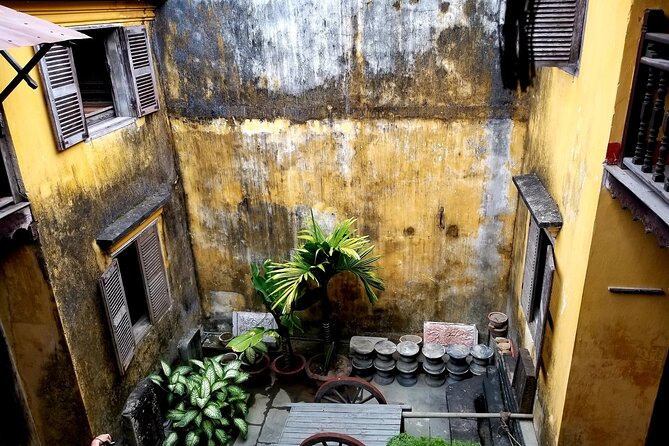
The tour’s menu isn’t random. It’s built around a short list of dishes people associate with Hoi An.
You should expect:
- White rose dumplings
- Cao Lau noodles
- Banh xeo pancake (Vietnamese pancake) and/or Vietnamese bread as part of the included meal plan
- Coffee and/or tea, plus herbal tea
Two reasons this mix works well:
- Variety without whiplash. You get noodles, dumplings, and a pancake-type dish in the same day, plus tea breaks between them. That keeps your stomach from rebelling.
- Local identity hits. White rose and Cao Lau are both treated as core Hoi An specialties, which means you’re not just eating something that happens to be available. You’re sampling foods with strong place identity.
And yes, show up hungry. The day is designed for eating, and the stops are built to stack flavors rather than space them out for light sampling.
Price and value: is $54 per person worth it?
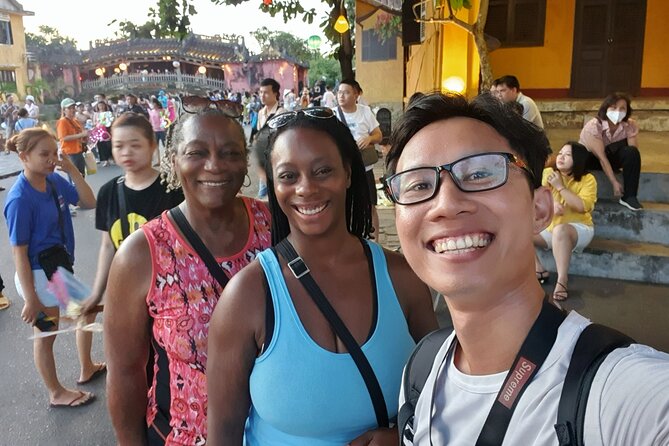
At $54 per person, this tour looks like it could be either a bargain or an average option, depending on what’s included.
Here’s what you get that helps justify the price:
- Private transportation
- All entrance fees
- Meals and tastings (including Cao Lau, white rose, and Vietnamese pancake/banh mi)
- Herbal tea and coffee/tea
- Ticket for Bai Choi
- Pickup offered (with port pickup fees not included)
When you add up entry fees, food stops, and the bingo ticket, the tour shifts from a simple walking tour into something closer to a guided food + culture package. For many people, that’s the difference between getting a good meal and actually learning enough to enjoy Hoi An beyond day one.
One more value point: the average booking window is 115 days in advance. That suggests the experience has steady demand. If you’re traveling in peak periods, booking early can be smart so you get the timing you want.
Logistics and small practical notes that matter
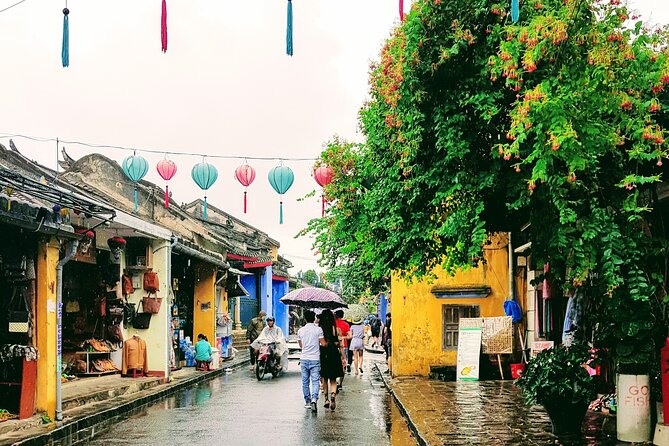
A few details will help you plan better:
- Duration: about 3 to 5 hours, with many short 30-minute stops.
- Meeting and movement: it runs near public transportation, and you’ll use private transportation during transfers.
- Weather: the experience requires good weather. If weather turns, you’ll be offered a different date or a full refund.
- Accessibility: most travelers can participate.
- Port pickup: if you’re coming from a port, port pickup fees aren’t included, so you may need to budget extra if that applies to your situation.
- Ticket format: you get a mobile ticket.
Also, because it’s private, you can often adapt your rhythm. If you need a short break or want extra time at one stop, you’re less likely to get stuck in a rigid group tempo.
Who this tour suits best
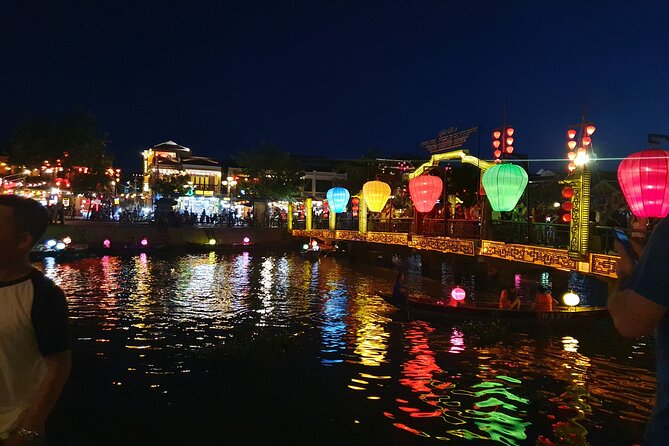
This fits best if you:
- Want an Hoi An food tour that includes local specialties like white rose dumplings and Cao Lau
- Like mixing history and eating, especially around Chinese and Japanese-influenced landmarks
- Prefer private guiding instead of crowd navigation
- Want a fun evening plan with Bai Choi at 7 pm rather than an early exit
It’s also a solid choice for first-timers who want to cover major icons like the Japanese Covered Bridge, while still spending real time on food and market life.
If you’re the kind of traveler who hates structure and wants total freedom, then a DIY food walk might be more your style. But if you want a guide to take the decision fatigue off your plate, this one does that well.
Should you book the Private Food Tour and Hoi An stops?
I’d book it if your goal is simple: eat your way through Hoi An with enough context to make each stop feel connected. The strongest argument is the combination of signature foods (white rose and Cao Lau), included meals and tickets, and the relaxed private format that keeps the day enjoyable rather than stressful.
I’d think twice only if you’re very limited on walking or you dislike night activities. Otherwise, it’s a smart, efficient way to experience both the famous and the less obvious parts of Hoi An without turning it into a spreadsheet.
FAQ
FAQ
What is the duration of the Hoi An private food tour?
The tour lasts about 3 to 5 hours, with multiple short stops along the way.
How much does the tour cost per person?
The price is $54.00 per person.
Is the tour private?
Yes. It’s a private tour, and only your group participates.
What food and drinks are included?
You’ll have coffee and/or tea, plus herbal tea. Meals included cover Cao Lau, white rose, and Vietnamese pancake/banh mi.
Which main sights are included besides the food stops?
You’ll see the Japanese Covered Bridge, the Fukian Assembly Hall (Phuc Kien), and Quan Thang Ancient House, along with time in Hoi An Ancient Town and the market area.
What is Bai Choi and when does it happen?
Bai Choi is a traditional bingo game in Hoi An. It starts at 7 pm, and the tour includes a ticket.
Are entrance fees included?
Yes. All entrance fees are included.
Is pickup included, and is there anything extra for port pickup?
Pickup is offered, but port pickup fees are not included.
What is the cancellation policy and what happens if the weather is bad?
You can cancel for free up to 24 hours in advance for a full refund. If the experience is canceled due to poor weather, you’ll be offered a different date or a full refund.