REVIEW · HANOI
Private Cooking Class with 5 dishes of your choice
Book on Viator →Operated by Apron Up Cooking Class · Bookable on Viator
Cooking Hanoi beats guessing from recipes. In this private class, you go shopping for ingredients and then return to cook 5 dishes you pick, guided by home-chef instruction that explains the why behind Vietnamese flavors.
I love the market-based ingredient lesson—you learn herbs and spices in context, not from a list. I also like the private setup, where instructors such as NHI or Jane can slow down, answer your questions, and keep the pace comfortable. A possible drawback: you’re signing up for a hands-on 4-hour block, so it’s less ideal if you want a relaxed, mostly-sightseeing morning.
In This Review
- Key Highlights You’ll Care About
- A Private Hanoi Cooking Class That Starts in the Market
- Dong Xuan Market: Ingredients, Herbs, and the Why Behind Flavor
- Old City Gate Area: A Quick Cultural Breather Between Shopping and Cooking
- Back in the Kitchen: Cook Your 5 Dishes With Technique, Not Guesswork
- The Meal: Eat What You Cook, and Ask Follow-Up Questions
- Homemade Rice Wine Tasting: A Local Finish to the Cooking Lesson
- What You Take Home: Cookbook and Certificate
- Price and Value for an Afternoon of Vietnamese Home Cooking
- Who This Hanoi Cooking Class Suits Best
- Should You Book This Private Class?
- FAQ
- What is included in this private cooking class?
- How long does the class take?
- Where does the experience start?
- Is it a private class?
- Do I get to choose what dishes I cook?
- Will I shop for ingredients during the experience?
- Is there any tasting besides the meal?
- Do I get anything to take home?
- When will I receive confirmation after booking?
- What is the cancellation policy?
- Is there a mobile ticket?
- Is it near public transportation and are service animals allowed?
Key Highlights You’ll Care About
- You choose 5 dishes so you cook what you actually want to recreate at home.
- Dong Xuan Market + Old City Gate area turns ingredient hunting into part of the lesson.
- Herb and spice explanations come while you’re holding the real things.
- Private class for just your group, so you don’t get pushed along with strangers.
- Homemade rice wine tasting adds a local food-and-culture angle beyond the cooking.
- You take home a cookbook and certificate so the learning doesn’t vanish after the meal.
A Private Hanoi Cooking Class That Starts in the Market
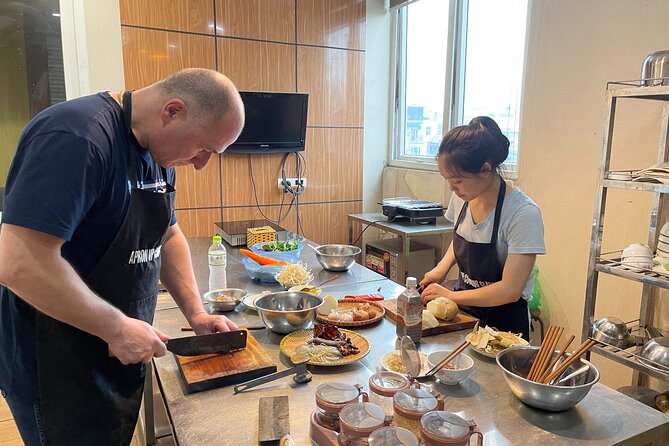
If you’ve ever stared at Vietnamese food and thought, I could never recreate that, this is built for you. Instead of only watching a demo, you’re actively shopping for ingredients and then cooking with your hands. It’s a simple idea with real value: you learn the method in the same moment you learn the ingredients.
The class is private, so you and your group get more attention. That matters in cooking classes, because small changes—heat level, timing, ingredient ratios—are where most homemade attempts go sideways later. With patient instruction, you’re more likely to understand what to adjust when you’re back in your own kitchen.
You’ll also be able to choose your 5 dishes. That turns the class from a fixed menu into a plan that fits your tastes, dietary preferences (to the extent you can communicate them during booking), and skill goals. Just remember: choosing dishes means committing to cooking them all the way through in about 4 hours.
You can also read our reviews of more private tours in Hanoi
- Doris Cruise 5 star cruise 2 days visiting Halong Bay Lan Ha Bay private balcony
★ 5.0 · 2,338 reviews


Dong Xuan Market: Ingredients, Herbs, and the Why Behind Flavor
The first stop is Dong Xuan Market, where you go with your cooking instructor to buy ingredients. This is the part many cooking classes skip, yet it’s often the whole point. When you see, smell, and select herbs and spices in person, you start understanding what role they play in Vietnamese cooking.
You’ll also hear stories and explanations tied to what you’re purchasing. That’s not trivia for trivia’s sake. It helps you build a mental map of flavors—what is fresh, what is fragrant, what is meant to round out sweetness, salt, and tang. Even if your exact ingredients are harder to find later, you’ll have a better sense of what you’re trying to replace.
One practical tip: in a market setting, you’ll learn more if you ask specific questions. Instead of asking what an herb does in general, ask what happens if you use less or swap it. The instructor can often explain the technique behind the ingredient, which makes your future cooking more accurate.
Old City Gate Area: A Quick Cultural Breather Between Shopping and Cooking
After the market stop, the experience includes a second stop at the Old City Gate area. Think of it as a brief reset during the lesson. You’re still in “learning mode,” but it helps break up the buying-and-prep rhythm so the cooking part doesn’t feel rushed.
This segment also gives you context for where the food culture sits in the city. Even without turning it into a long sightseeing tour, the timing helps you arrive at the kitchen with energy and a clearer sense of the day’s flow.
If you get motion sensitive, plan for some walking and the normal market-and-old-town street movement. The good news is the whole experience clocks in at about 4 hours, so it doesn’t sprawl into a full-day hike.
Back in the Kitchen: Cook Your 5 Dishes With Technique, Not Guesswork
Once you return to the kitchen, you’ll cook the 5 dishes you chose. This is where the class moves from shopping skills to real cooking skills. And real Vietnamese technique is usually less about fancy equipment and more about method—how ingredients are handled, how flavors are balanced, and when things should be added.
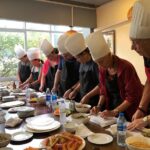
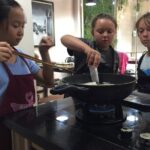
A big plus here is the hands-on format. You’re not just watching someone else plate food. You’re doing the steps, which is what makes the learning stick. Cooking classes can become passive if they’re too demo-heavy; this one keeps it active.
Because it’s private, you can ask more questions without feeling like you’re slowing down a group. That’s where instructors like NHI stand out in the way they explain methods clearly and stay patient with questions. If you’re the type who wants to know what you can change next time, this setup gives you that time.
One more thing to consider: you’ll be cooking multiple dishes in one session. That’s excellent for variety, but it also means you’ll want to pay attention to timing. If a dish needs careful timing, you’ll likely need to follow the instructor’s workflow so everything lands at the same meal time.
The Meal: Eat What You Cook, and Ask Follow-Up Questions
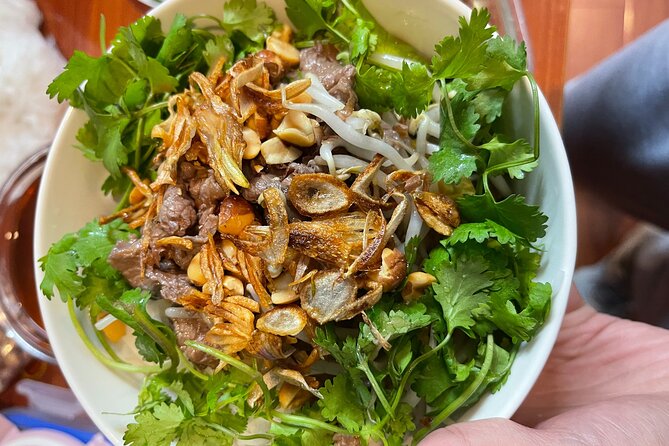
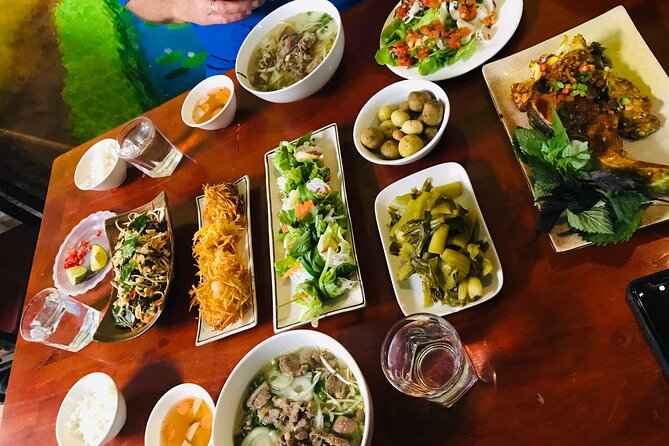
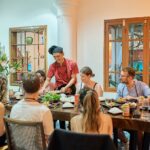
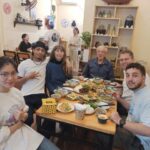
After cooking, you’ll eat your hand-on prepared meal. This is underrated. So often in cooking classes, you cook and then hurry out. Here, you sit down and enjoy what you made, which makes it easier to understand why each dish tastes the way it does.
This is also the moment to ask follow-up questions while flavors are fresh in your mind. You can compare textures and seasoning levels dish by dish. If you’re trying to learn for cooking at home, this is when the lesson becomes practical: you’ll remember what tasted right and what you might adjust next time.
If you’re nervous about cooking, the meal part helps. The food is produced by your work, so you get immediate proof that the process works.
You can also read our reviews of more cooking classes in Hanoi


Homemade Rice Wine Tasting: A Local Finish to the Cooking Lesson
You’ll also taste homemade rice wine during the class. This adds a cultural layer that goes beyond just food prep. It’s a reminder that Vietnamese eating isn’t only about meals—it’s also about shared rituals and flavors you can’t fully replicate from a cookbook alone.
Keep in mind that alcohol taste can be strong for some people. If you’re sensitive, it’s smart to take small sips and focus on the flavor profile rather than chasing it.
I like adding tasting experiences because they connect the whole event. You shop for ingredients, cook dishes, then taste something that fits the home-cooking world. It’s a complete loop, not a series of disconnected activities.
What You Take Home: Cookbook and Certificate
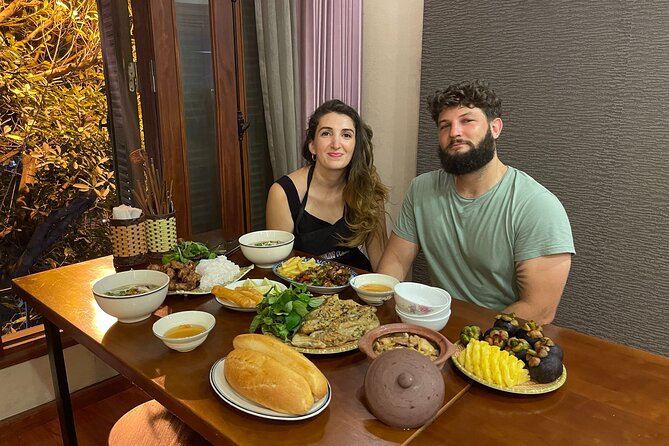
At the end, you get a cook book and a certificate. That’s not just ceremony. When you have a written reference, your ability to repeat the recipes improves quickly—especially if you’re cooking in a kitchen where your ingredient options are different.
A cookbook can also help you understand what you might have missed during the heat of cooking. During classes, it’s normal to focus on the task in front of you. Later, you can use the book to review techniques and ingredient choices at your own pace.
Even if you don’t cook every week at home, having both a certificate and a cookbook gives you something to reference when you do feel like making Vietnamese food again.
Price and Value for an Afternoon of Vietnamese Home Cooking
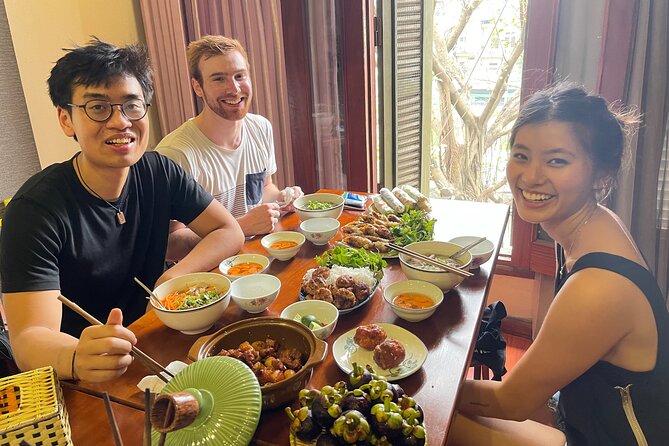
The price is $85 per person for about 4 hours. At this price point, what you’re really paying for is not just recipes—you’re paying for private instruction, ingredient shopping time, and a multi-dish cooking session.
Here’s what makes it feel more “worth it” than a basic class:
- You choose 5 dishes, so the content matches your preferences.
- You shop for ingredients with the instructor, which improves your ability to recreate dishes later.
- You get to eat what you cook, plus rice wine tasting.
- You leave with a cookbook and certificate, which extends the value beyond the meal.
The booking pace also matters. It’s commonly booked about 38 days in advance on average, so popular dates can go quickly. If you’re traveling during a busy window, booking earlier tends to reduce stress.
There’s also mention of group discounts, which can make this a smarter choice if you’re traveling with more than one person who wants in.
Who This Hanoi Cooking Class Suits Best
This private class is best for people who want Vietnamese food skills with direct guidance. It’s also a good fit if you’re not a confident cook. The instruction is designed to explain methods and stay patient, which matters when you’re learning on the stove instead of reading about it.
It’s also great for couples. The market-to-kitchen flow is a shared activity, and the private setup makes it feel like a tailored day rather than a mass experience.
If you’re traveling solo, you’ll still benefit from the attention and the ability to ask questions without time pressure from strangers—though the overall “private group” nature means the vibe will depend on who else is included in your booking.
One note for planning: because it’s hands-on and runs about 4 hours, keep the rest of your day flexible. You’ll leave fed and slightly kitchen-satisfied, not ready for another intense tour block right after.
Should You Book This Private Class?
I’d book it if you want more than a fun meal. Pick it if you want to learn Vietnamese techniques you can repeat—especially if you like the idea of choosing your own dishes and learning ingredient choices at the market rather than guessing later.
Pass if you hate walking through markets or you want a purely sightseeing day. This is a cooking class first, and the market stop and cooking time are part of how the lesson works.
If you’re deciding between “watching” and “doing,” this leans hard toward doing. And in Hanoi, that usually means you leave with both stronger memories and stronger cooking instincts.
FAQ
What is included in this private cooking class?
You’ll visit the market with your instructor to buy ingredients, return to cook 5 dishes you choose, eat the meal you make, and taste homemade rice wine. You also receive a cookbook and a certificate at the end.
How long does the class take?
It runs about 4 hours.
Where does the experience start?
The meeting point is 8 P. Gia Ngư, Hàng Bạc, Hoàn Kiếm, Hà Nội, Vietnam.
Is it a private class?
Yes. It’s private, and only your group participates.
Do I get to choose what dishes I cook?
Yes. You cook 5 dishes of your choice.
Will I shop for ingredients during the experience?
Yes. You’ll go to the market with your cooking instructor to buy ingredients, including herbs and spices.
Is there any tasting besides the meal?
Yes. You’ll taste homemade rice wine.
Do I get anything to take home?
Yes. You get a cook book and a certificate.
When will I receive confirmation after booking?
Confirmation is received at time of booking unless you book within 2 hours of travel, in which case confirmation is received as soon as possible, subject to availability.
What is the cancellation policy?
Free cancellation is available. You can cancel up to 24 hours in advance for a full refund.
Is there a mobile ticket?
Yes, the experience includes a mobile ticket.
Is it near public transportation and are service animals allowed?
Yes to both: it’s near public transportation, and service animals are allowed.
More Cooking Classes in Hanoi
More Private Tours in Hanoi
- Doris Cruise 5 star cruise 2 days visiting Halong Bay Lan Ha Bay private balcony
★ 5.0 · 2,338 reviews