REVIEW · PHAN THIET
Mui Ne: Best day to Ta Cu Mountain Cable Car & Lying Buddha
Book on GetYourGuide →Operated by HG Travel Mui Ne · Bookable on GetYourGuide
Cable car to a giant Buddha. The day trip from Mui Ne strings together big views and spiritual stops, starting with Tà Cú Mountain and its misty park setting, then finishing with local culture along the way. I like that you get a dedicated English-speaking guide who explains what you’re seeing as you go, instead of dumping facts and rushing you out. One thing to plan for: the main payoff involves walking—especially the 100 steps to the Lying Buddha after the cable car ride.
This is a great fit if you want a one-day sampler of Phan Thiết area highlights without sorting transport. You’ll also want to know up front that there are no meals included, so bring your appetite strategy for a day that runs about 6 hours.
In This Review
- Key Things You’ll Really Want to Know
- Tà Cú Mountain by Cable Car: The View Is the Whole Point
- Price and Value for a Private Tour From Your Hotel
- How the Day Runs: Two Different Start Orders
- Po Sah Inu (Poshanu) Cham Towers: Champa Architecture Without the Guesswork
- Phan Thiết Harbor Stops and Van Thuy Tu’s Whale Skeleton
- The 100 Steps to the 49-Meter Lying Buddha: What You’ll Notice Up There
- Dragon Fruit Farm: A Quick Local Lesson on How the Fruit Grows
- What to Bring (and What Can Make the Day Feel Harder)
- Guide Quality Is the Secret Sauce Here
- Should You Book This Mui Ne Tà Cú Mountain Tour?
- FAQ
- How long is the Mui Ne to Tà Cú Mountain private tour?
- Is hotel pickup and drop-off included?
- Does the price include cable car tickets to Tà Cú Mountain?
- Is there an English-speaking guide?
- Is this tour private?
- How much walking is involved at Tà Cú Mountain?
- Are meals included?
Key Things You’ll Really Want to Know
- Cable car round-trip to Tà Cú Mountain, then a short climb up 100 steps to the main statue
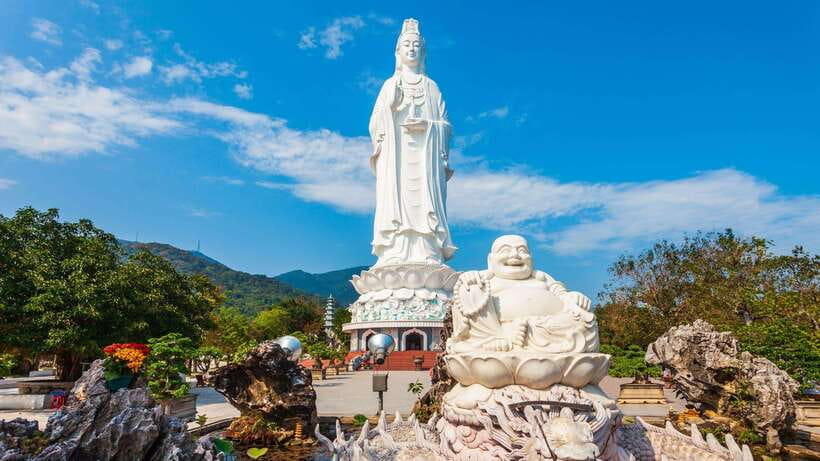
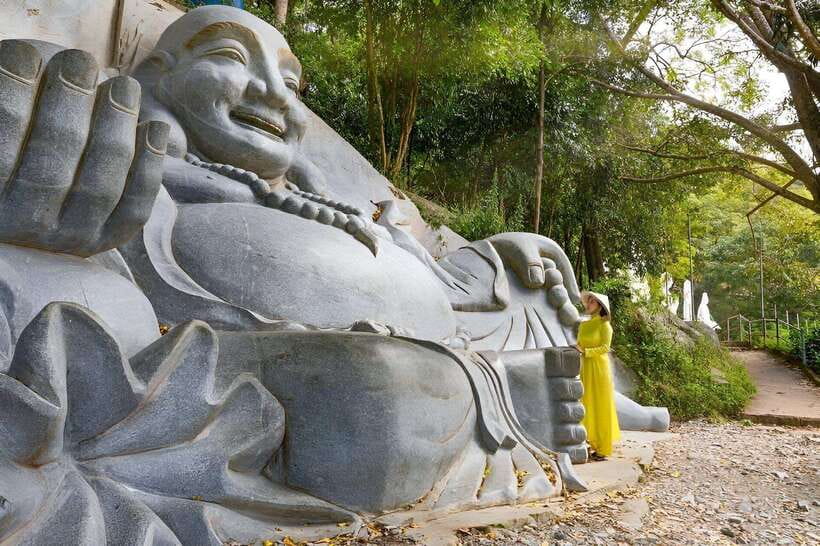
- The 49-meter Lying Buddha is the visual anchor, set inside a temple-and-statue complex
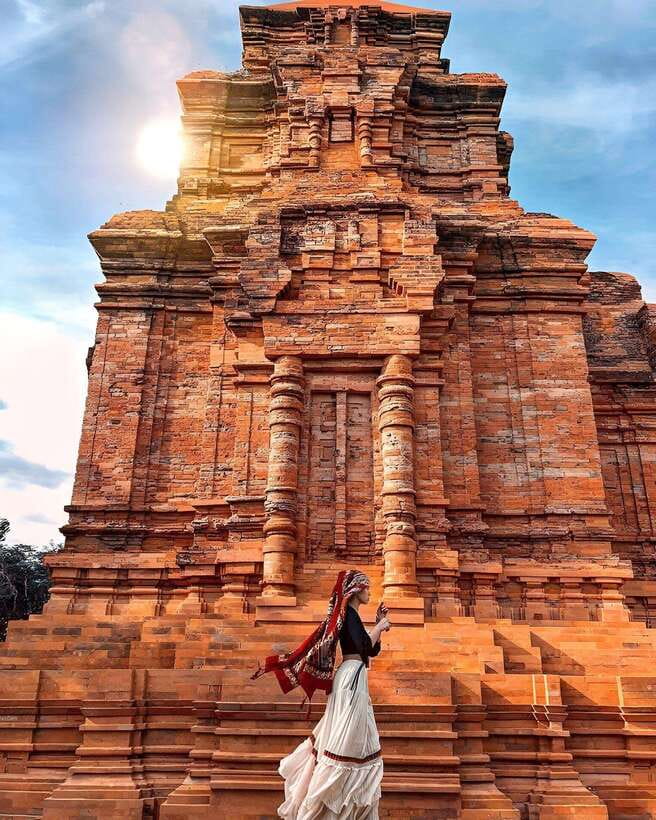
- You’ll see Po Sah Inu/Poshanu Cham Towers and get context for Champa-era architecture
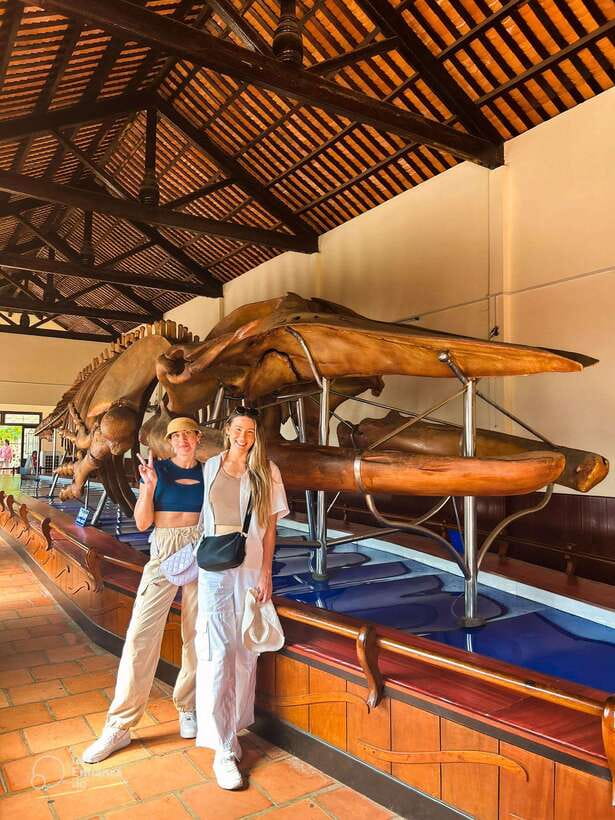
- At Van Thuy Tu Palace you’ll learn about the whale skeleton, linked to the Nghinh Ong festival held in June
- A stop at a dragon fruit farm breaks up the sightseeing with a practical look at how the fruit grows
- This runs as a private tour, with hotel pickup/drop-off and an A/C car
Tà Cú Mountain by Cable Car: The View Is the Whole Point
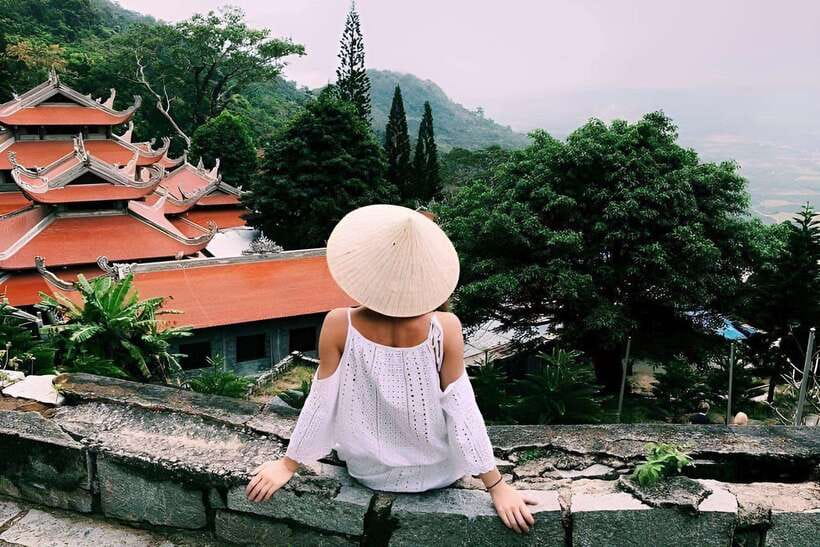
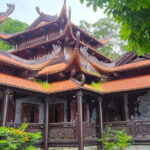
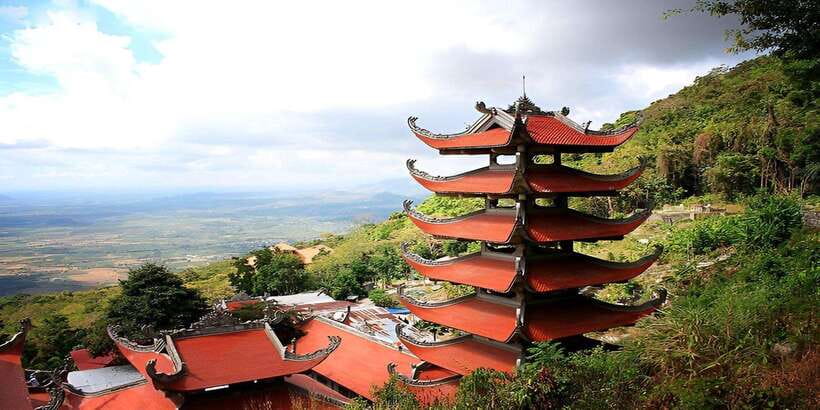
Tà Cú Mountain is the star for a reason. The cable car ride lifts you above the everyday rhythm of the coast, and you start seeing why this place gets photographed so often. Even before you reach the main statue, the mountain grounds feel like a calm world of temples, paths, and changing cloud cover.
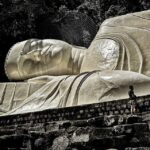
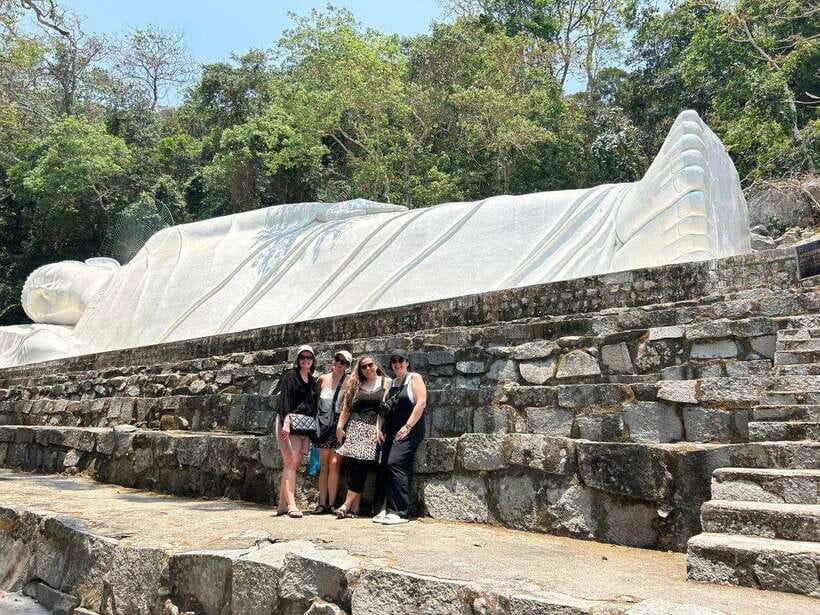
Then comes the payoff: you step out near the top area and climb the 100 steps to the 49-meter Lying Buddha. It’s a bold sight—large enough that it changes the way your photos look once you’re up close. What I like here is the contrast: the statue is dramatic, but the visit feels slow and respectful, not like a quick photo stop.
Practical note: that walk is short in distance, but it’s real. If you’re sensitive to stairs or heat, pace yourself and consider wearing long sleeves you won’t regret once the sun hits.
You can also read our reviews of more tours and experiences in Phan Thiet.


Price and Value for a Private Tour From Your Hotel
At $74 per person, you’re paying for a full-service day: hotel pickup and drop-off, a private A/C car, an English-speaking guide, and paid entry plus the Ta Cu cable car tickets. You also get one bottle of water per person, which sounds small until you remember it’s a long day and you don’t have to hunt for it immediately.
Is it expensive? It’s in the “you’re buying convenience” category. If you’re comfortable arranging taxis and figuring out ticketing on your own, you might spend less. If you want the day to run smoothly—especially with multiple sites—this price tends to make sense because it bundles the hard parts: transport, guide interpretation, and entrances.
You don’t get meals included, so you’ll likely budget for lunch or snacks on your own. That’s the only true “you provide the rest” item in the deal.
How the Day Runs: Two Different Start Orders
The tour rotates between morning and afternoon timing, and the order of stops changes. In the morning option, you typically start with the Cham towers, then move through Phan Thiết harbor and the whale-related site, before reaching Ta Cu Mountain later, with the dragon fruit farm on the return.
In the afternoon option, Ta Cu Mountain comes first, then you work your way back through the remaining cultural stops, finishing with the Cham towers. Either way, you still get the big Ta Cu experience plus the Phan Thiết culture stops and the dragon fruit farm.
Why this matters: if you prefer calmer conditions for photos, your start time can affect light and crowd feel at the mountain. If you’re thinking about timing your day around the weather, pick the option that gives you the most comfortable conditions for the stairs.
Po Sah Inu (Poshanu) Cham Towers: Champa Architecture Without the Guesswork
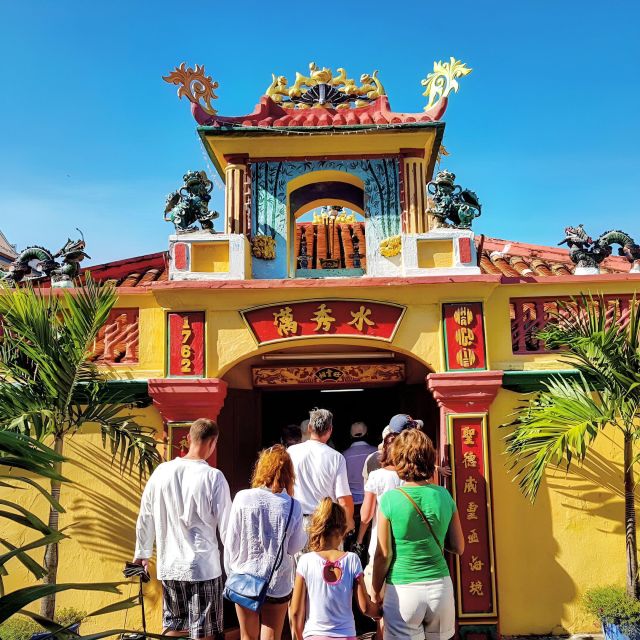
Your day typically begins (or loops back) with Po Sah Inu/Poshanu Cham Towers in the Phan Thiết area. This is the kind of site where guide context makes a visible difference. Without it, it’s easy to see “ancient towers” and move on.
With a good English guide, you’ll understand how the Champa Kingdom ties into the forms you’re looking at. You also get time for photos and a guided walk, not just a quick stop. That’s valuable because Cham-era architecture has its own logic and details, and it’s more rewarding when you know what you’re noticing.
If you like cultural stops that aren’t museum-like, this one works well. It also sets a tone for the rest of the day: from Champa religious architecture to later spiritual sites on the mountain.
Phan Thiết Harbor Stops and Van Thuy Tu’s Whale Skeleton
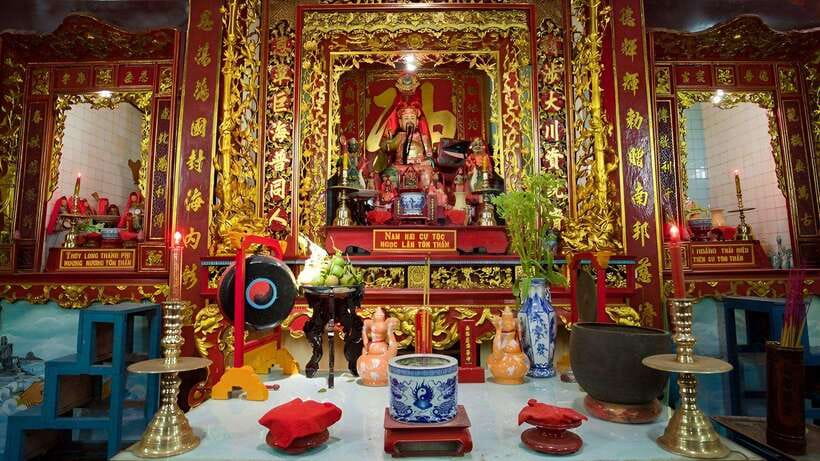
Phan Thiết is still a working coastal place, and you get to see that in the harbor area. You’ll pause at the fishing harbor where you can look at the boats and get a feel for everyday life by the sea. It’s not a staged experience—it’s a real working waterfront, and that adds honesty to the day.
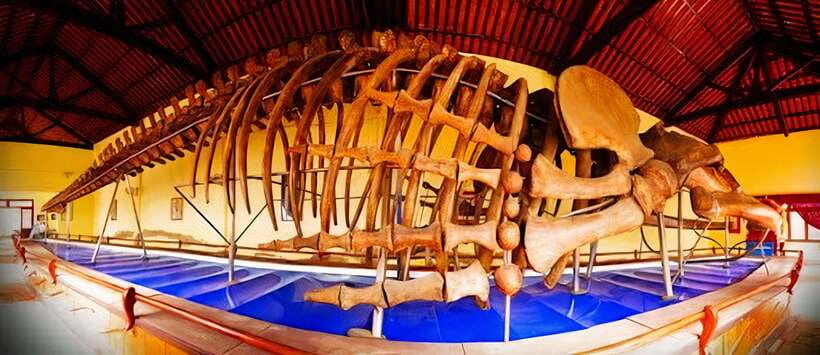
Right nearby is Van Thuy Tu Palace, which centers on the largest whale skeleton in Southeast Asia, known as Ong Nam Hai, believed to be over 200 years old. This isn’t just a science-style display. Locals revere the whale, and it links directly to an annual tradition: the Nghinh Ong Festival, held every June, which honors the whale and prays for peace and bountiful harvests from the sea.
If you’re lucky enough to be in town in June, you might catch festival preparations. Even when you don’t, the connection makes the whale temple stop feel meaningful instead of random.
One practical consideration: harbor air and weather can change quickly. If you’re prone to sunburn, sunglasses and sunscreen matter here as much as at the mountain.




The 100 Steps to the 49-Meter Lying Buddha: What You’ll Notice Up There
After the cable car, the mountain becomes a slow walk through a temple-and-statue zone. You’ll pass other statues and reach the main highlight: the Lying Buddha, standing at 49 meters.
This is where the tour earns its keep. The cable car handles the vertical travel, so you’re not doing an exhausting hike from scratch. But you still get that final “arrive with effort” moment, which tends to make the viewpoint feel earned.
What I like about this setup is the atmosphere. The mountain grounds can be misty, and that changes the look of everything around you—temple shapes, water features, and distant views toward Phan Thiết. Even if you don’t love heights, the viewpoint is the point, because it reframes the coastline and the surrounding areas.
The downside is the obvious one: you must walk stairs to reach the Buddha. The tour isn’t set up for wheelchair users, and it also isn’t suitable for people over 95 years old or for pregnant women. If any of that affects you, you’ll likely want to choose a different activity in the area.
Dragon Fruit Farm: A Quick Local Lesson on How the Fruit Grows
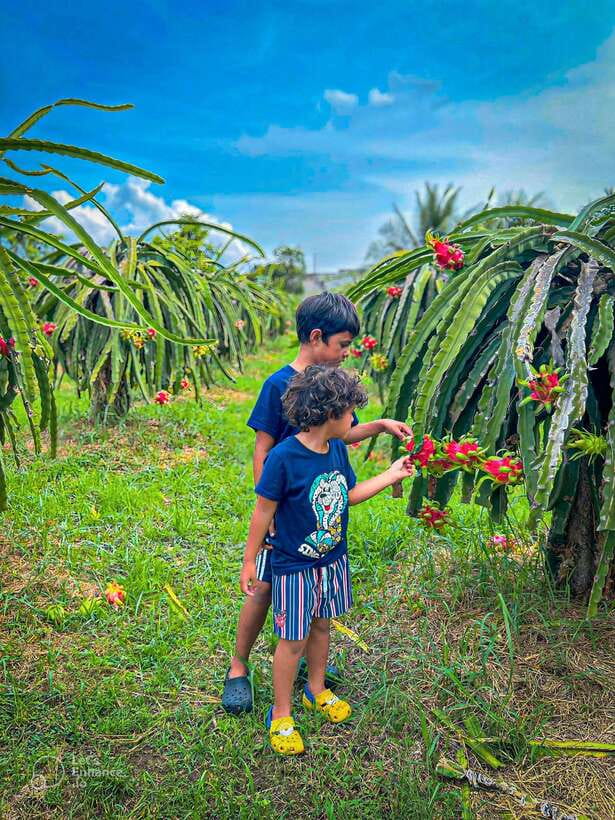
On the way back to your hotel, you’ll stop at a dragon fruit farm. This isn’t just a photo op. You’ll get some explanation of how the fruit is cultivated and see the bright pink fruit growing in the fields.
Why this works after temples and harbor time: it changes pace. You go from spiritual architecture and sea traditions to an agricultural reality you can understand in minutes. If you like food-related travel, this stop adds a tangible “what this place actually produces” element.
Also, it’s a nice way to stretch your legs between longer rides and reduce that end-of-day fatigue feeling.
What to Bring (and What Can Make the Day Feel Harder)
This tour gives you a lot of moving parts, so your comfort matters. I’d pack like you’re going to be outside for several hours.
Bring:
- Sunglasses and sunscreen
- A long-sleeved shirt and long pants (you’ll be glad for sun and temple etiquette)
- Cash (handy for any personal needs you might decide you have)
- A charged smartphone for photos and navigation
You’ll also get one bottle of water per person, but it’s still smart to think about how you’ll snack, since meals aren’t included.
Skip:
- Pets (not allowed)
- Smoking in the vehicle and alcohol or drugs (not allowed)
And if you’re the type who hates surprises: plan for that 100-step climb and dress for it. Comfortable shoes help, even though the tour info doesn’t spell out footwear.
Guide Quality Is the Secret Sauce Here
The stops themselves are impressive, but the guide is what turns them into a story you can repeat later. The overall praise for this experience centers on a guide who explains things clearly and answers questions. That’s a big deal on a day like this, because you’re touching multiple cultures—Champa architecture, Vietnamese coastal traditions tied to the sea, and the mountain temple complex.
One named example you may hear associated with this tour is Sandy, praised for strong knowledge and an engaged style that makes temple history easier to understand. If your guide has a similar approach—patient, question-friendly, and willing to connect what you see to local meaning—you’ll likely feel like the day passes faster.
Should You Book This Mui Ne Tà Cú Mountain Tour?
Book it if you want:
- One private day that covers the big hits around Mui Ne and Phan Thiết
- A cable car to the mountain plus the Lying Buddha highlight
- Easy logistics: hotel pickup/drop-off, A/C car, and tickets handled
- Cultural context for sites like Cham Towers and Van Thuy Tu
Skip it (or choose a different option) if:
- You can’t do stairs. The 100 steps after the cable car are part of the experience.
- You need meals included. You’ll be responsible for lunch/snacks.
- You fall into the tour’s not-suitable categories (including wheelchair users, pregnant women, or people over 95 years).
If you’re traveling with flexible time and you want a day that blends views, spirituality, and local coastal culture, this is a strong pick. It’s the kind of day trip that leaves you with more than photos—you’ll come away with a clearer sense of how this region’s sea traditions and mountain temples connect.
FAQ
How long is the Mui Ne to Tà Cú Mountain private tour?
The tour runs for about 6 hours. Starting times vary, so check availability for the best slot.
Is hotel pickup and drop-off included?
Yes. The guide and driver meet you in your hotel lobby, and you’re returned to your hotel at the end.
Does the price include cable car tickets to Tà Cú Mountain?
Yes. Cable car round-trip tickets for Tà Cú Mountain are included, along with entrance tickets.
Is there an English-speaking guide?
Yes. The tour includes an English-speaking live tour guide.
Is this tour private?
Yes. It’s a private group tour.
How much walking is involved at Tà Cú Mountain?
After the cable car ride, you’ll climb about 100 steps to reach the Lying Buddha.
Are meals included?
No. Meals are not included, so plan for lunch or snacks on your own.