REVIEW · HUE VIETNAM
Hue Royal Tombs Tour: Visit Best Pagodas & Mausoleums
Book on GetYourGuide →Operated by Adventure Journey Vietnam · Bookable on GetYourGuide
Hue’s tombs feel like real-time history. This private tour strings together royal mausoleums and major pagodas around Hue, with an option for an English-speaking guide and a route you can shape to your pace.
I particularly love how much context you get while you walk the grounds—why each emperor built where he built, and what that means for how the Nguyen dynasty lived and ruled. I also like the flexibility: you can focus on the big tomb names like Minh Mang and Tu Duc, then swap in or out stops depending on your energy.
One thing to plan for: the tour price doesn’t include the per-tomb entry fees (tickets are sold separately), and a full day means a lot of walking plus some time on the road between sites.
In This Review
- Quick hits before you go
- From hotel door to royal gates: how the Hue pickup really helps
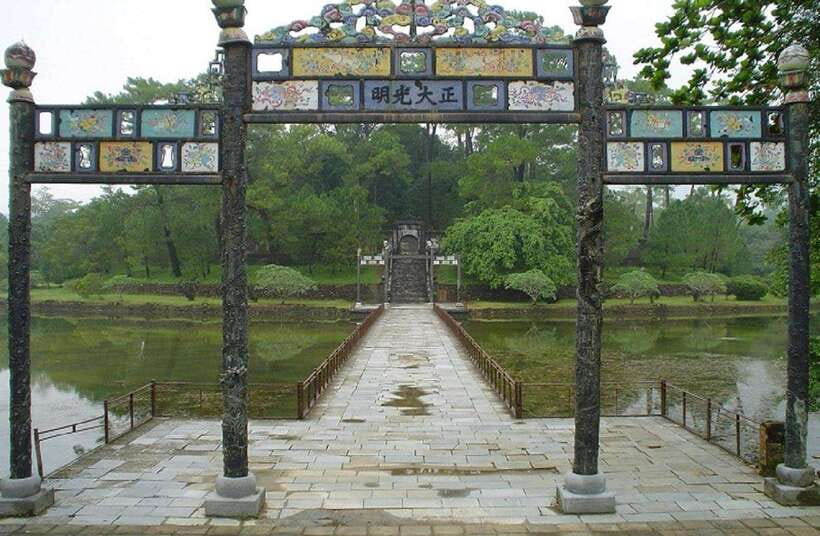
- Minh Mang Tomb: a royal city built for the living—and the afterlife
- Tu Duc Tomb: work life, leisure, and the social world of a king
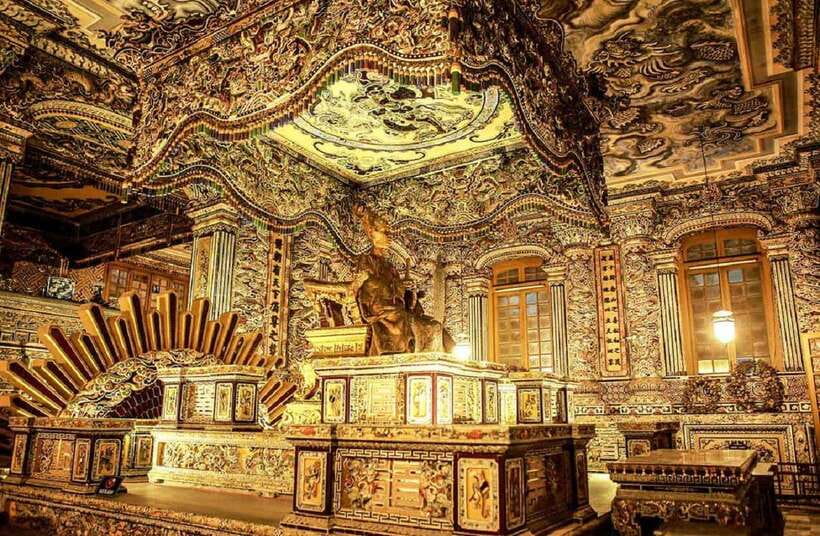
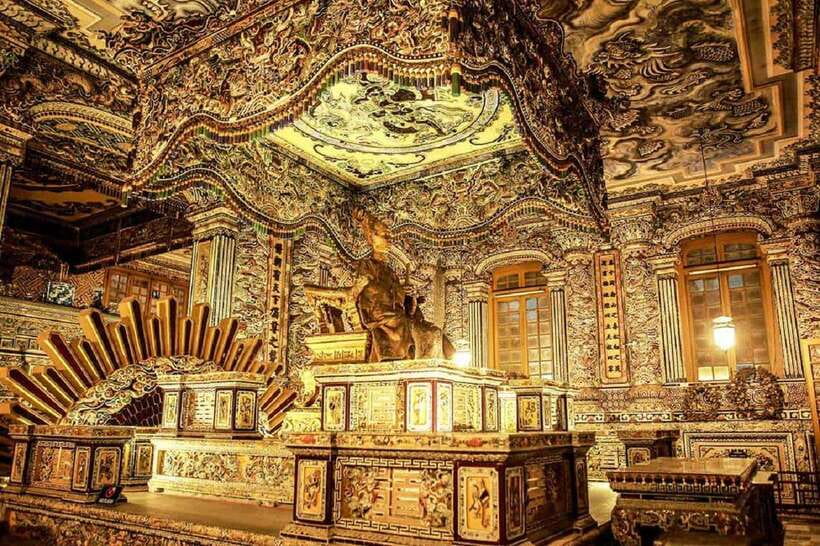
- Khai Dinh Tomb: a rare blend of East and European styles
- Gia Long and Dong Khanh: the mausoleums that reward patience
- Thien Mu Pagoda and Tu Hieu Pagoda: Buddhism as a Hue landmark
- Price and logistics: getting value from the $15 base cost
- The guide-difference in real Hue timing (Bi, Duy, Tra My, David)
- Who should book this Hue Royal Tombs tour?
- Should you book the Hue Royal Tombs Tour?
- FAQ
- How long is the Hue Royal Tombs Tour?
- Where do you pick me up in Hue?
- Is the tour private or shared?
- Do I get an English-speaking guide?
- Are entry tickets to the tombs included?
- How much are tomb entry tickets?
- Is food and drinks included?
- Can I customize which tombs and pagodas I visit?
- Is there cancellation and pay-later available?
Quick hits before you go
- Private car/van with hotel pickup from Hue city center or Hue Train Station, plus drop-off back where you started
- Custom itinerary means you’re not stuck with one fixed route or one fixed pace
- Royal life details you usually don’t get from quick sightseeing photos (wives, concubines, eunuchs)
- Top tomb stops: Minh Mang, Tu Duc, Khai Dinh, Gia Long, and Dong Khanh
- Buddhist sites included: Thien Mu Pagoda and Tu Hieu Pagoda, not just emperor stuff
- English live guide option (and the driver is part of the experience either way)
From hotel door to royal gates: how the Hue pickup really helps
The tour starts with a pickup in Hue city center (or from Hue Train Station), then you ride in a private car/van to each site. That matters more than you’d think in Hue, because these tombs and pagodas are spread out, and the best ones are rarely clustered in one walkable zone.
What I like about the setup is that you’re not fighting timing. You can do a tighter 2–3 hour version if you’re on a schedule, or stretch up to a full day if you want slower photo stops and longer conversations at each monument. You also get a chance to customize your itinerary, so you can prioritize the Nguyen emperors and the Buddhism connection that ties Hue together.
Tip for your planning: if you’re the type who hates feeling rushed, build in extra time for the tomb complexes themselves. Many of them aren’t one building but a whole set of spaces—courtyards, structures for different functions, and areas connected to royal residences and burials.
You can also read our reviews of more tours and experiences in Hue Vietnam.


Minh Mang Tomb: a royal city built for the living—and the afterlife
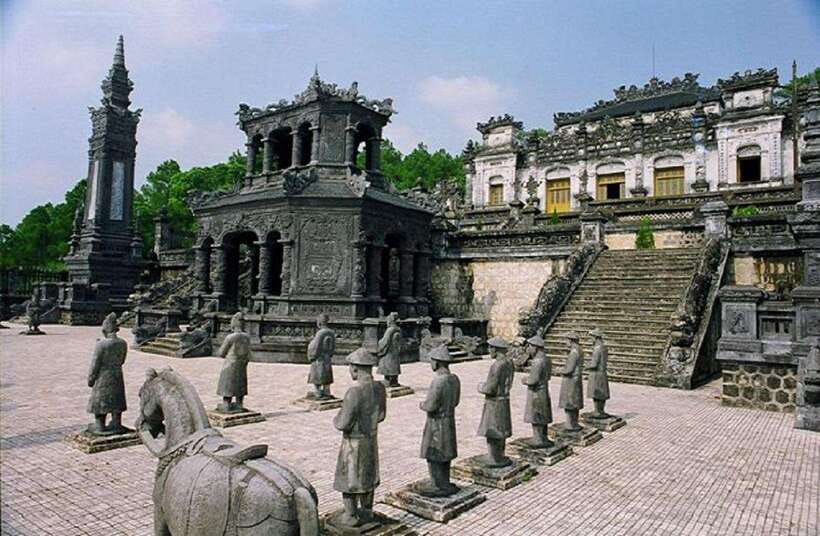
Minh Mang’s tomb is one of those places that makes you understand why people call imperial Hue a whole world, not just a highlight list.
I like that the site shows how the emperor designed a living system. Minh Mang ordered construction in the early 1840s, but he didn’t see it finished; his son King Thieu Tri completed it. The tomb complex covers about 15 hectares, with 26 buildings serving different roles, including spaces tied to the emperor’s minor wives, concubines (who had no children), and eunuchs—people who were part of the royal household and later remained connected to the site after Minh Mang’s death in 1840.
If you visit with a guide, this is where the explanations can really click. Instead of treating the tomb as a single monument, you learn to look for “how the palace worked,” even in death. That makes the walking more meaningful: you’re not just photographing stone, you’re tracing a functioning layout.
What you should watch out for: it’s a large complex. If you’re visiting in warmer parts of the day, pace yourself and take breaks. Photo stops are built into the flow, but you’ll still want comfortable shoes.
Tu Duc Tomb: work life, leisure, and the social world of a king
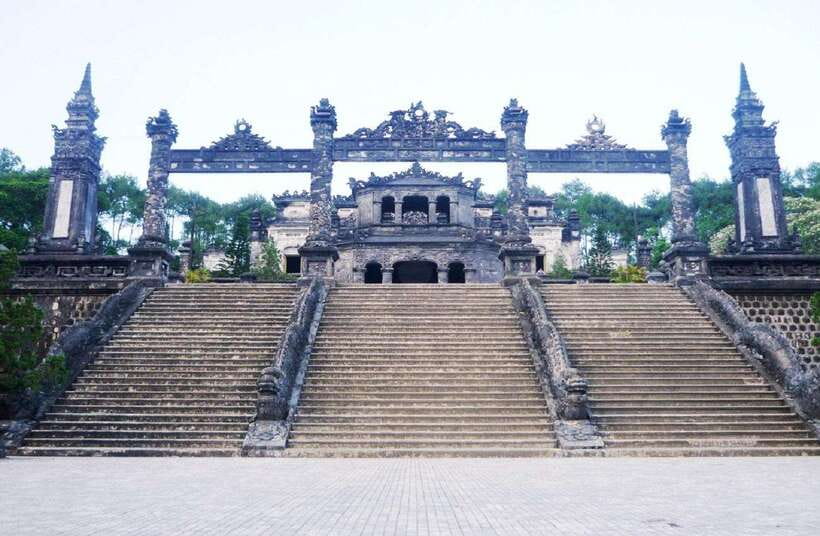
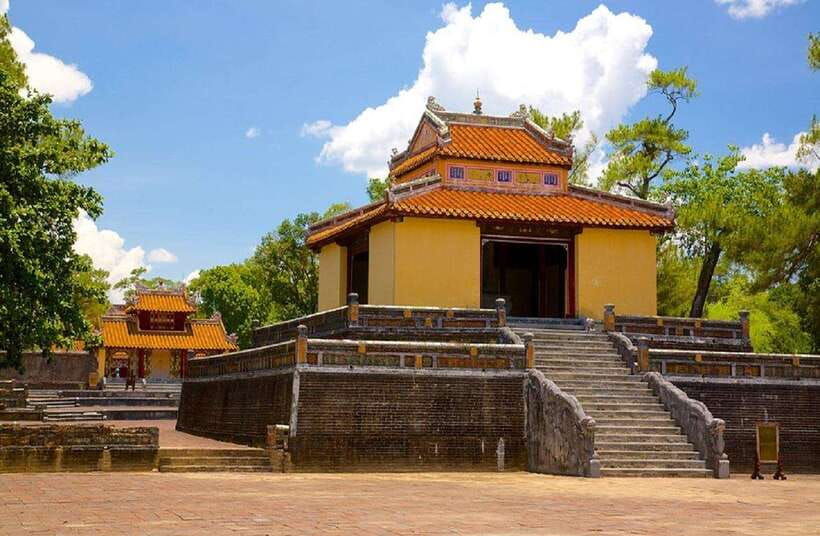
Tu Duc’s tomb feels different from Minh Mang’s because it has a “life in the middle of it” vibe. Tu Duc built it for himself between 1864 and 1867, and the site wasn’t purely ceremonial while he was alive.
The tomb area is about 12 hectares and is split into two separated areas: a temple area and a burial area. That division is a useful way to understand the king’s double role—spiritual practice and royal continuity on one side, final resting on the other.
One of the more human details I’d focus on here is the way the tomb also became a home after Tu Duc died in 1883. His minor wives, concubines, and eunuchs lived there after his death, so the complex functioned like a long-term household space rather than a shut door.
Practical note: this stop often pairs with a drive and a photo break. If you’re doing a half-day itinerary, Tu Duc can be a great anchor because it mixes architectural design with the most straightforward story about how royal life carried on.
Khai Dinh Tomb: a rare blend of East and European styles
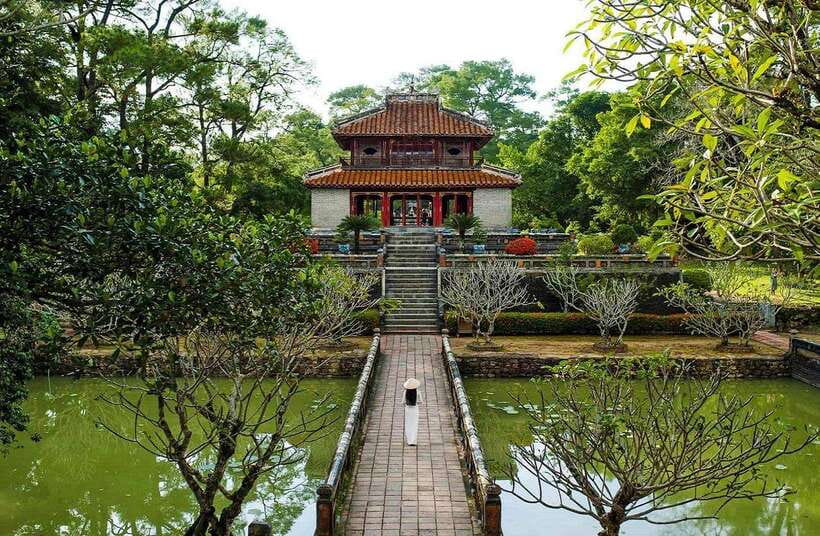
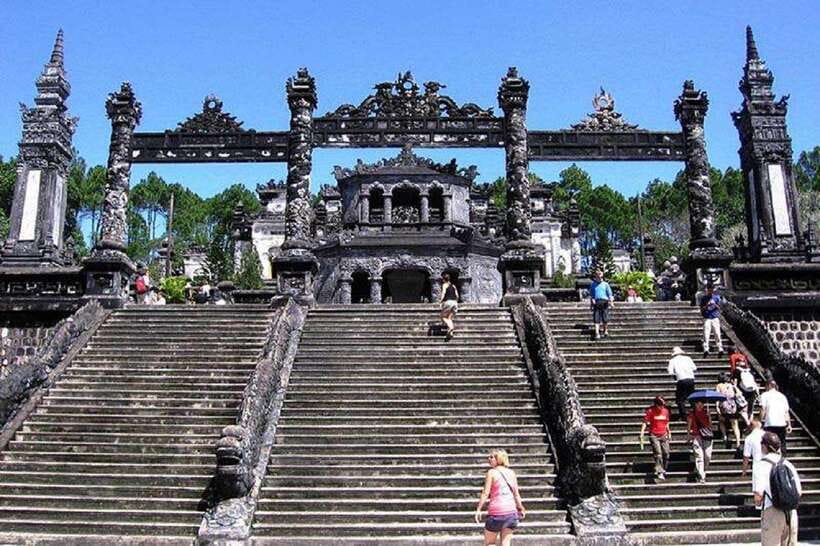
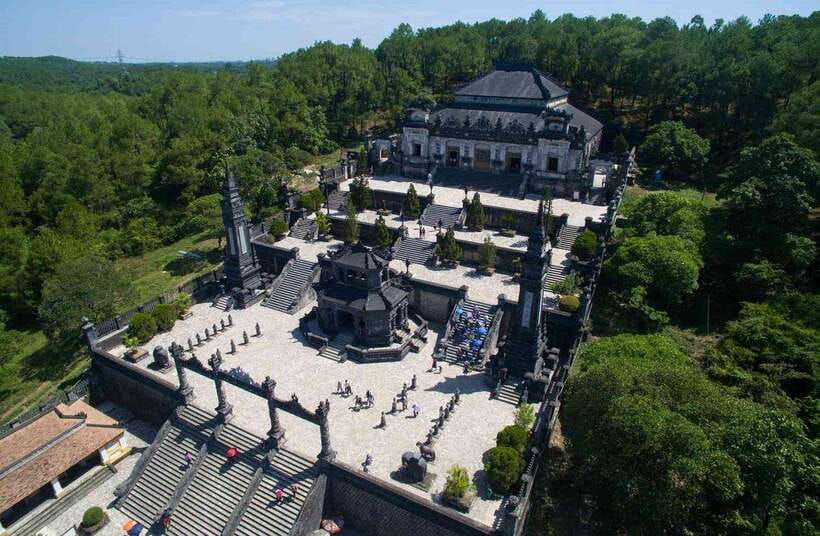
Khai Dinh’s tomb is the one that makes people stop and look twice. Construction began in 1920, continued through 1925 under Khai Dinh, then was finished 1931 after his death by his child.
What makes the tomb especially interesting is its stylistic mix: it’s described as a blend of Oriental and European influences. That makes it feel like Hue wasn’t stuck in one era. The complex stretches about 48.5m x 117m, and it’s designed with a larger footprint than some of the earlier tombs.
There’s also an important structural detail: this is described as the tomb for which the king was buried underneath of his tomb. If you’re the kind of person who likes to understand how architecture communicates power, this is a good place to ask questions and look carefully at the levels and arrangement—because the physical design carries a message, not just decoration.
Time check: this is a site where you might want more than a quick walk-through. Plan for a slower pace if you want to enjoy the blend rather than just tick the name off your list.
Gia Long and Dong Khanh: the mausoleums that reward patience
Gia Long’s mausoleum is built for a different kind of attention. Construction started in 1814 and was completed in 1820, and it’s associated with Emperor Gia Long, the founder of the Nguyen dynasty.
The key thing to know is that Gia Long’s mausoleum is described as a complex—many royal mausoleums together—located in Long Ho Ward, Phu Xuan District, Hue City. If you like sites that feel like they have depth beyond one main building, this stop can be satisfying because complexes often mean more paths, more structures, and more chances to spot how the space is organized.
Then there’s Dong Khanh Tomb, also called Tu Lang. This one’s placed in a more rural setting: the tomb is located in the middle of the Thuong Hai village area (Thuy Xuan ward). The description notes roughly 20 large and small architectural works and a clear split between palace area and tomb area.
What I like about Dong Khanh is the way it can feel less like a tourist checklist and more like a living remnant of royal organization—still monumental, but with a quieter sense of location. That’s often the payoff of doing these tombs by private car: you get to choose your rhythm instead of being pulled along.




Thien Mu Pagoda and Tu Hieu Pagoda: Buddhism as a Hue landmark
If you only did royal tombs, you’d miss a big part of Hue’s day-to-day spiritual identity. This tour includes two major pagodas: Thien Mu Pagoda and Tu Hieu Pagoda.
Thien Mu Pagoda is described as being built in 1601 by the founder of the Nguyen family in Central Vietnam, tied to a local dream that led people to build it there. So it’s not just a pretty temple; it’s connected to the origin story of the dynasty and the religious life around it.
Tu Hieu Pagoda is known as the Root Temple. One standout detail is that it’s connected to Zen Master Thich Nhat Hanh, who is described as living there after returning to Vietnam from the US. That international link can make your visit feel bigger than Hue’s borders, even if you’re there to simply look at the grounds and architecture.
Both pagodas are listed with time for visits, walking, and outdoor movement. For Tu Hieu in particular, the schedule mentions more active options like hiking and ride alternatives in the free-time portion, so wear shoes you can trust. If you’re traveling with limited mobility, you’ll want to plan your pace and ask what parts of the area are practical for you—especially since the tour is described as wheelchair accessible but still includes walking and possible hikes.
Price and logistics: getting value from the $15 base cost
The headline price is $15 per person, and the cost is mainly for private transport (and the guide if you choose the guided option). That’s good value in Hue because you’re paying for time and direct logistics: hotel pickup, private car/van between far-apart sites, and a guide or driver who helps keep you on schedule.
Just don’t forget the main catch: tomb entry tickets aren’t included. The tour notes ticket cost at 150k per tomb/person and recommends combo tickets if you’re also visiting the Imperial City.
Here’s how I’d think about it:
- If you plan to see the Imperial City plus tombs, combo tickets can reduce friction and cost versus buying one-by-one.
- If you only want a couple of tombs, you might keep it simple and buy only what you need.
- If you want maximum flexibility, use your guide time to decide which tombs fit your interests before you buy entry.
Also plan for meals. Food and drinks aren’t included, so build in time for a break or decide what you’ll do between stops. Even a short meal break can change how enjoyable the afternoon feels.
The guide-difference in real Hue timing (Bi, Duy, Tra My, David)
In Hue, timing is part of the experience. You don’t just need transportation; you need someone who can explain what you’re looking at and help you manage the pace.
Your private guide/driver can make that smoother. The reviews highlight a few names worth calling out: Bi (sharing Vietnam curiosities during the drive), Duy (arriving right on time and allowing ample time at each site without rushing), Tra My (a strong guide during the mausoleum exploration), and David (an attentive driver that helped make the monument-hopping feel easy).
Even if you don’t choose a guide option, I’d still treat the driver as part of the value. With so many stops, having someone who keeps you informed can help you get better photos, avoid dead-end confusion, and spend your time on what matters to you.
Who should book this Hue Royal Tombs tour?
This tour is a great fit if:
- You want Nguyen dynasty context and don’t want to rely only on signage.
- You like mixing the royal tombs with major Buddhist sites like Thien Mu and Từ Hiếu.
- You prefer private transport so you can control pace, photo time, and how long you linger at each complex.
- You’re traveling with a small group or as a couple and want less hassle.
It might be less ideal if:
- You dislike walking across large tomb grounds or outdoor temple areas.
- You want everything included with no extra ticket purchases. Entry fees are separate.
- You’re extremely tight on schedule and can only do a quick stop between other plans—because the best experience comes from letting the sites breathe.
Should you book the Hue Royal Tombs Tour?
I’d book it if you want a clean, practical way to see the standout royal mausoleums and at least two of Hue’s most important pagodas in one day. The private car plus customization is the real win, and the guide stories about royal household life—wives, concubines, and eunuchs connected to the tomb complexes—turn stone and symmetry into something you can actually picture.
If you’re on a budget, do the math early: $15 covers the tour service, but you’ll still budget for 150k per tomb entry and likely some extra spending on meals. Once you factor that in, the logistics feel like good value rather than a tourist trap.
If that sounds like your style, this is one of the smarter ways to spend time in Hue.
FAQ
How long is the Hue Royal Tombs Tour?
It runs from 2 to 8 hours, depending on which stops you include and your pace.
Where do you pick me up in Hue?
You can be picked up from city center hotels or from Hue Train Station. You’ll need to provide the exact hotel name and address if it’s pickup from your lodging.
Is the tour private or shared?
It’s a private group tour.
Do I get an English-speaking guide?
The tour includes a live tour guide for the guided option, and English is listed for the guide.
Are entry tickets to the tombs included?
No. Tomb entry tickets are not included.
How much are tomb entry tickets?
The provided information lists tickets at 150k per tomb per person.
Is food and drinks included?
No. Food and drinks aren’t included.
Can I customize which tombs and pagodas I visit?
Yes. You can customize your personal itinerary to visit the best sightseeing places in Hue.
Is there cancellation and pay-later available?
Free cancellation is available up to 24 hours in advance for a full refund, and there is also a reserve now & pay later option.