REVIEW · HOI AN
Hoi An: Traditional Cooking Class & meal w Cam Thanh Family
Book on GetYourGuide →Operated by Sky Travel · Bookable on GetYourGuide
Cooking with a local family beats eating alone. This hands-on class in Cam Thanh turns you from spectator into cook, with traditional methods for four Hoi An favorites: pancake, spring rolls, papaya salad, and chicken with lemongrass, led by an English-speaking chef.
I also love the payoff. You don’t just taste a demo—you sit down for lunch or dinner made by your own hands, plus side dishes. The one thing to keep in mind: the schedule can shift a little, and if your booking falls on a Vietnamese public holiday there’s an extra 200,000 VND cash charge.
In This Review
- Key highlights worth showing up for
- A cooking lesson that starts in Cam Thanh Coconut Village
- What you’ll cook: 4 Hoi An classics you can actually repeat
- 1) Hoi An-style pancake
- 2) Spring rolls
- 3) Papaya salad
- 4) Chicken with lemongrass
- A small but important note
- The half-day schedule: how timing works (and why it’s reasonable)
- Inside the class: small group pace and an English-speaking guide
- From prep table to dinner plate: what you actually do
- Before cooking begins
- During the cooking
- After cooking
- Recipes you’ll use again at home
- Price and value: why $23 makes sense here
- Who should book this (and who might want a different plan)
- Things to know before you go (quick, useful, and real)
- Should you book this Hoi An cooking class?
- FAQ
- What dishes will I cook during the class?
- How long is the Hoi An Traditional Cooking Class & meal?
- Is this a small group or a large tour?
- Is the class available in English?
- Can the menu be made vegetarian or vegan?
- What’s included in the price, and what isn’t?
Key highlights worth showing up for
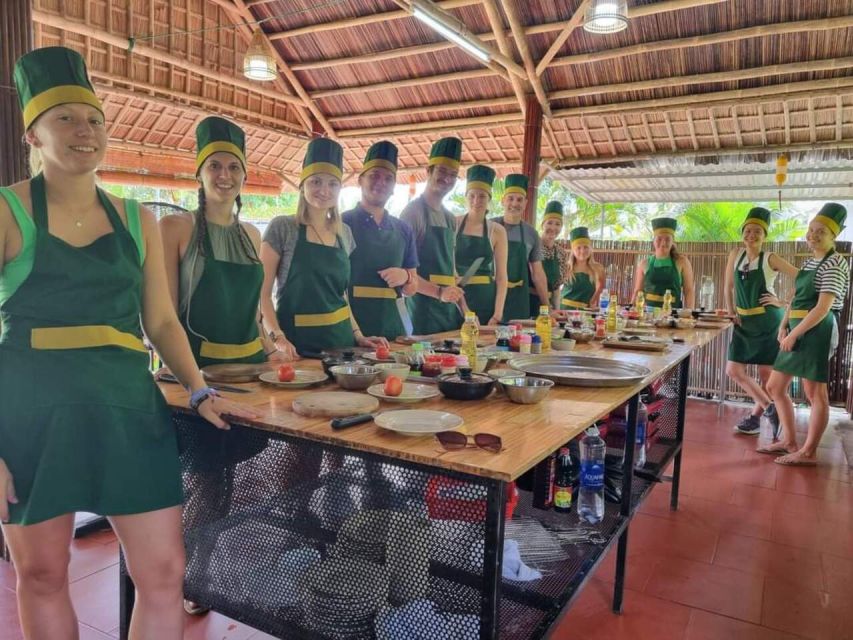
- Cook 4 Hoi An dishes yourself (not a watching-only class)
- Cam Thanh Coconut Village area pickup plus a welcome tea
- You eat what you make for lunch or dinner, with side dishes
- Small group around 10 participants for easier Q&A
- Recipes to practice at home after the class
- Vegan/vegetarian option if you request it in advance
A cooking lesson that starts in Cam Thanh Coconut Village
If you like your souvenirs to be edible, this is a smart choice. Cam Thanh is the quieter, more rural side of Hoi An, and the setting helps you understand the food in context—ingredients, textures, and everyday cooking rhythms. The class begins with a pickup in the Cam Thanh Coconut Village area, then you head to the cooking spot.
Before you touch any ingredients, you’ll get a welcome drink and have a short break at the restaurant. That small pause matters in hot Vietnam. It also gives you a minute to settle in, meet the group, and get the basics of how the session runs.
Most people come for the food. I think that’s only half the point. The other half is the method—how flavors get built, how salads get balanced, and how you keep sauces from turning flat.
You can also read our reviews of more cooking classes in Hoi An
What you’ll cook: 4 Hoi An classics you can actually repeat
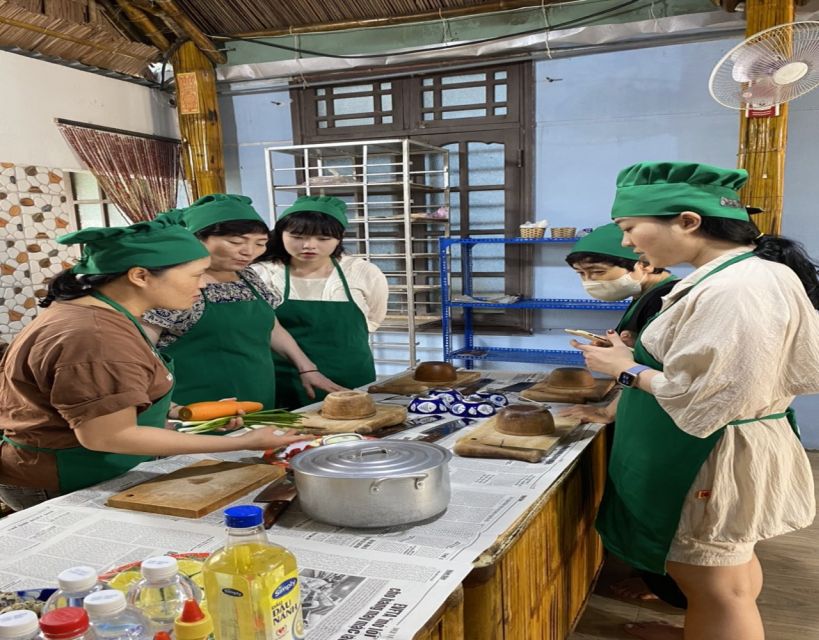
You’ll learn to cook four local dishes using traditional techniques, with all ingredients prepared in advance so the class stays hands-on (and not stuck in long grocery prep). Here’s how each dish typically fits into Hoi An’s food culture—and what you’ll get out of cooking it.
1) Hoi An-style pancake
This is a great first dish because it teaches you heat control and batter handling. Even if your pancake isn’t restaurant-perfect, you’ll learn how to spot the point where it sets, how to avoid undercooking, and how to balance the savory flavors you’re building around it.
2) Spring rolls
Spring rolls look simple until you’re wrapping. Cooking them teaches you the practical stuff: how tight to roll, where fillings should sit, and what happens when the filling is too wet. It’s one of those skills that pays off at home because you can scale it up for snacks or parties.
3) Papaya salad
Papaya salad is where you learn the flavor math. You’re not just chopping—you’re balancing sweet, sour, and salt, usually with herbs and aromatics doing the heavy lifting. Once you understand how the dressing is meant to taste, it’s much easier to make your own variations at home.
A few more Hoi An tours and experiences worth a look
4) Chicken with lemongrass
This dish is about aroma and timing. Lemongrass has a strong character, so you’ll learn how to use it without letting it overpower everything else. You also pick up basic seasoning habits that help you upgrade plain chicken dishes quickly.
A small but important note
A few reviews mention that the chef’s personality makes the class feel like a real family affair. That matters here, because these dishes are hands-on and a little messy. When the mood is light, you’ll actually enjoy learning instead of stressing about small mistakes.
The half-day schedule: how timing works (and why it’s reasonable)
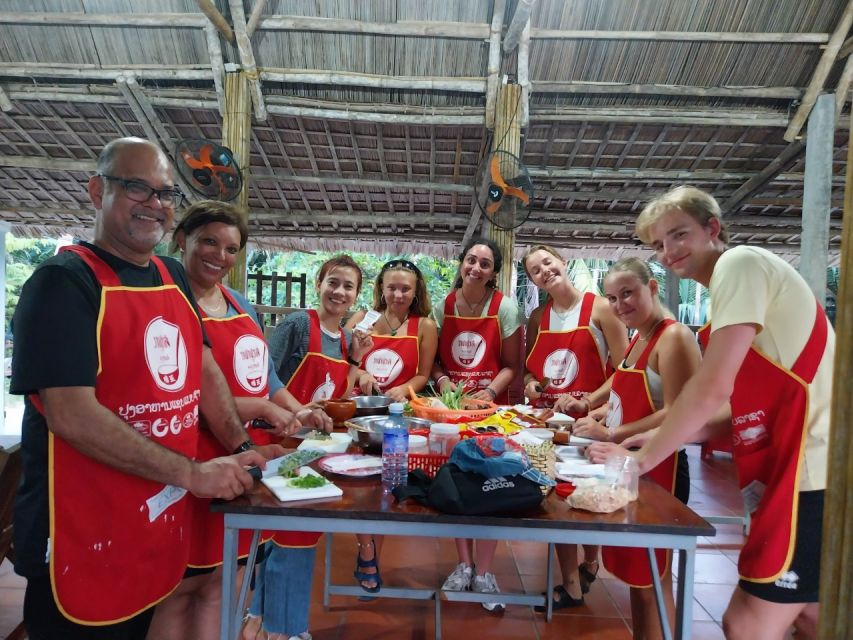
The tour runs about 210 minutes, with two daily start times. Morning pickup happens around 10:20, and the afternoon starts around 16:20. Depending on the slot, you finish around 13:30 or 19:30.
The rhythm is straightforward:
1) Pickup in the Cam Thanh Coconut Village area
2) Welcome tea + brief rest at the restaurant
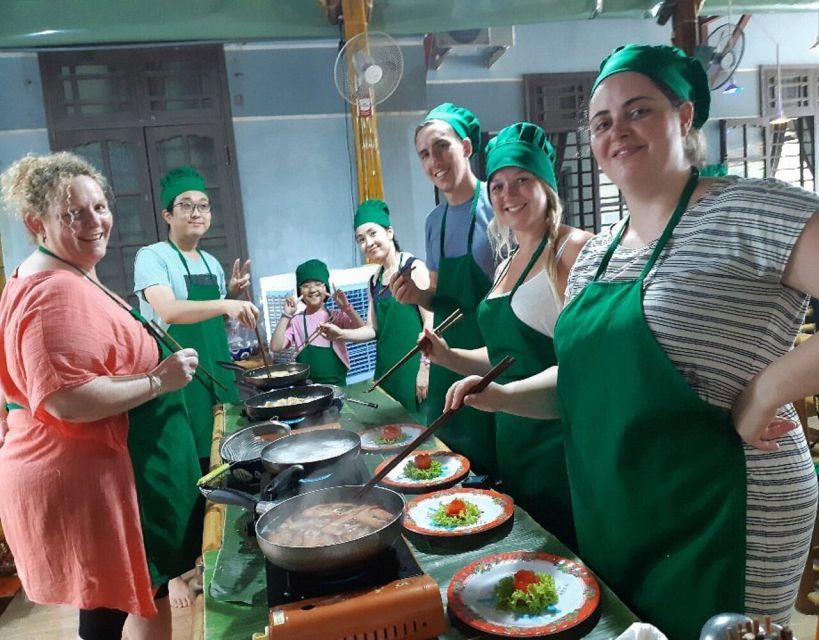
3) Cooking class for four dishes
4) Eat what you cooked
The benefit of this timing is that it slots neatly into a Hoi An day. If you’re doing sightseeing in the morning, the afternoon class is convenient. If you want to plan around food and not rush, the morning class gives you a full meal before your evening plans.
The only caution: the time in the schedule can change a little, so don’t book something tight right after pickup.
Inside the class: small group pace and an English-speaking guide
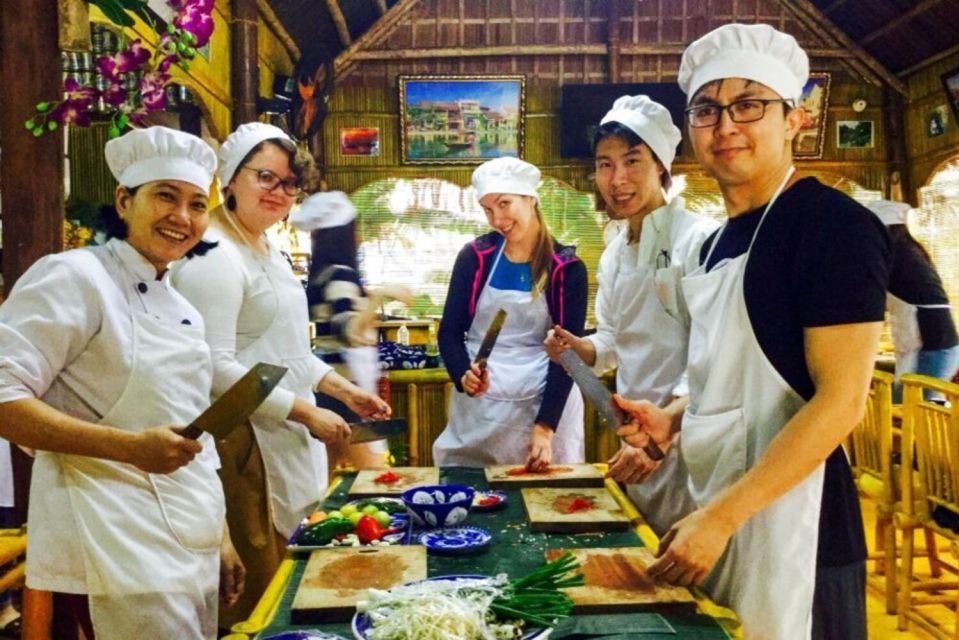
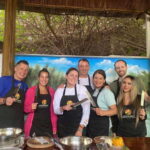
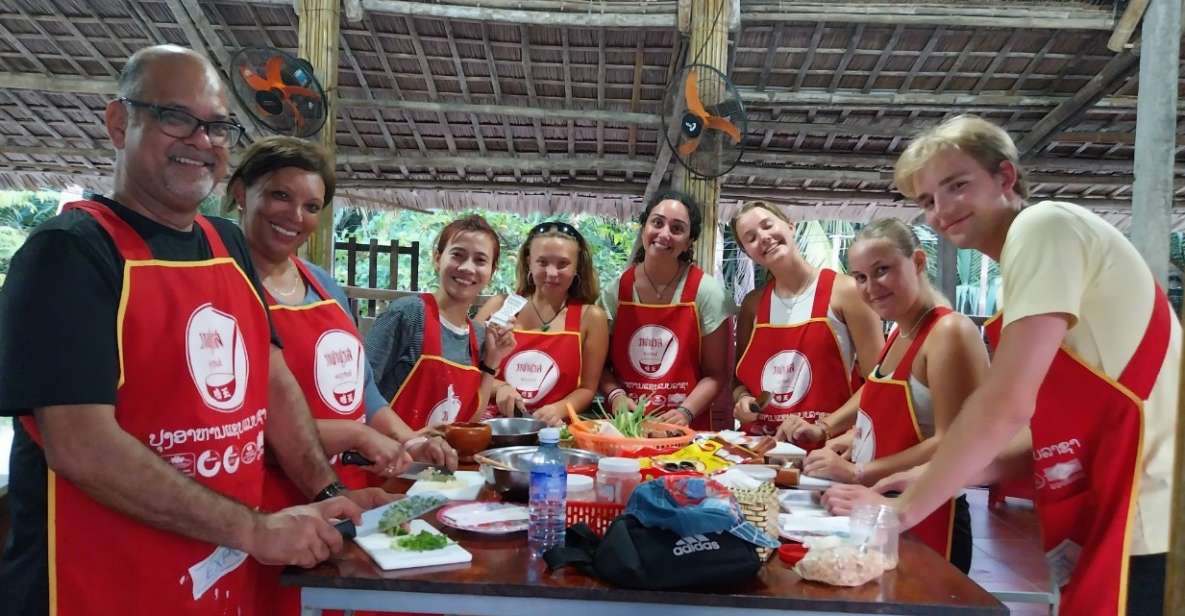
This is a group tour with around 10 participants, which is a sweet spot. You’re not stuck waiting in line behind 30 people. Instead, you’ll likely get enough attention to ask questions while you cook.
You’ll be with an English-speaking chef and an English live guide. That’s a big deal with Vietnamese cooking classes, because the difference between good and great is often in technique—how you combine, when you add, and how you taste as you go.
All ingredients are provided, and they’re prepared in advance. That means you won’t spend the lesson hunting for supplies or washing a sink full of lettuce. It also helps keep the class moving at a steady pace.
And yes, you’ll likely hear the kind of jokes that make the session feel more fun than instructional. One guide name that came up in class experiences is Nhung, described as especially fun while teaching.
From prep table to dinner plate: what you actually do
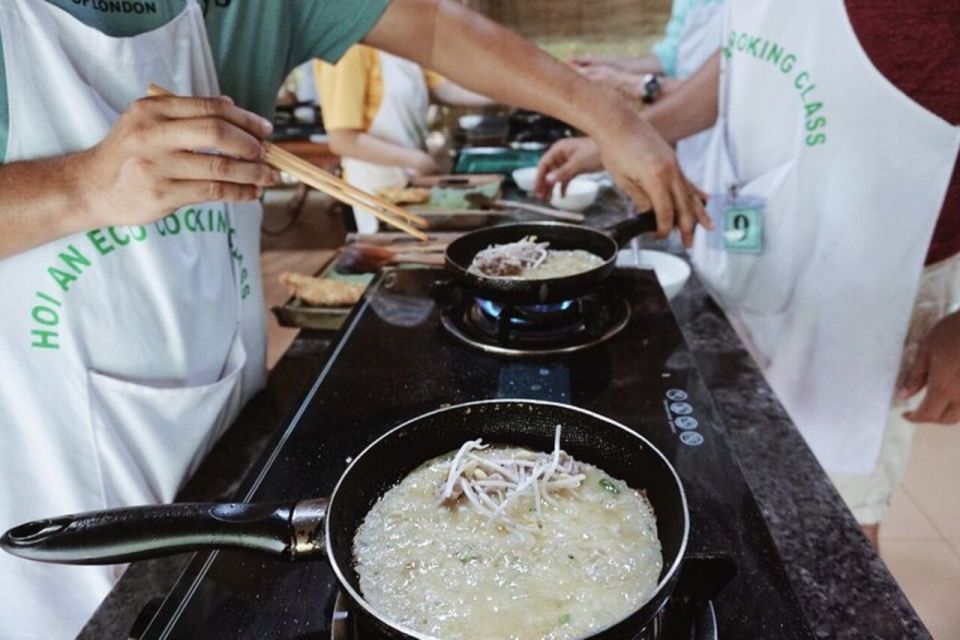
A good cooking class has two parts: learning and eating. This one does both.
Before cooking begins
You’ll move to the cooking area after the welcome drink and short rest. The chef will explain the process and show you the traditional methods for each dish. Then you go hands-on. Since ingredients are already prepped, you focus on cooking instead of prepping.
During the cooking
You’ll work through the four dishes you’re learning, typically moving between steps as the class progresses. Expect a mix of chopping, mixing, assembling, and cooking. Spring rolls and pancakes are especially hands-on because the craft is in the shaping, not just the cooking.
Papaya salad is usually where people take mental notes. It’s hard to get the balance right on the first try, but that’s exactly why it’s a valuable lesson. You’ll see how the seasoning comes together and how taste guides the final adjustments.
Chicken with lemongrass gives you a different skill set: building aroma and getting the cooking time right. If you can nail that, you’ll be able to repeat the dish at home with much less guesswork.
After cooking
When the class ends, you eat what you made—plus side dishes. This is one of the better setups value-wise because you’re not paying just to learn technique; you’re getting a full meal built from your effort.
Some people also add extra drinks with dinner. Since drinks aren’t included, you’ll want to budget if you plan to buy beverages, but the option may be available on site.
Recipes you’ll use again at home
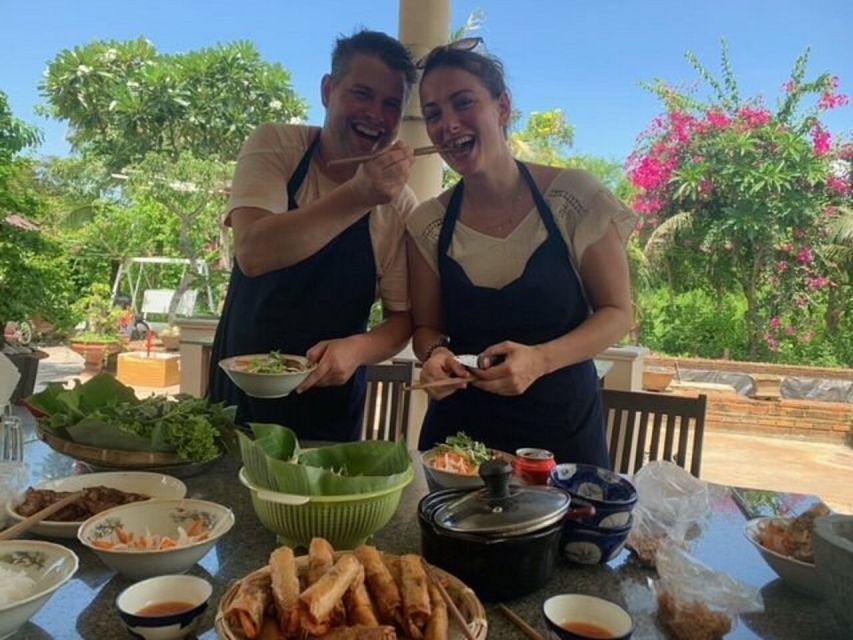
One of the most practical benefits is that you come away with recipes. That’s huge because Vietnamese cooking doesn’t always translate well from memory. When you cook at home later, you’ll have a guide to what you did, what order you cooked things in, and what a balanced result should taste like.
If you’ve ever made a dish from a vague description and wondered why it didn’t taste right, recipes fix that. You’ll also be able to repeat your favorites—often papaya salad and chicken with lemongrass are the ones people keep making.
Price and value: why $23 makes sense here
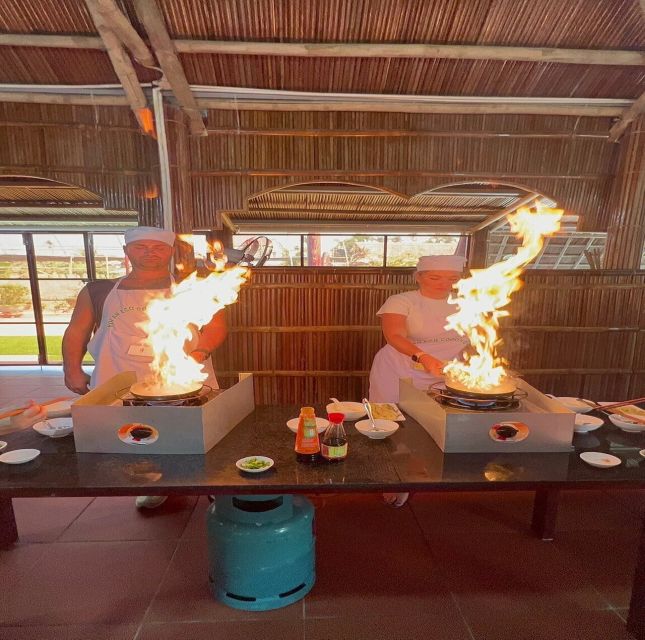
At $23 per person, this class is priced like a true food experience, not a short demo. What you’re getting for the money is fairly clear:
- English-speaking instruction
- A welcome tea
- All ingredients
- Cooking for four dishes
- Lunch (morning slot) or dinner (afternoon slot), based on what you cooked
Many cooking classes charge for instruction but skimp on how much you actually eat. Here, the meal is part of the deal. That’s why the value feels real, especially if you’re hungry at the time you’d otherwise be searching for lunch or dinner.
Two extra notes can affect the final cost:
- Vietnamese public holiday bookings require an extra 200,000 VND cash charge.
- Drinks aren’t included, so if you drink more than water, plan for that.
Who should book this (and who might want a different plan)
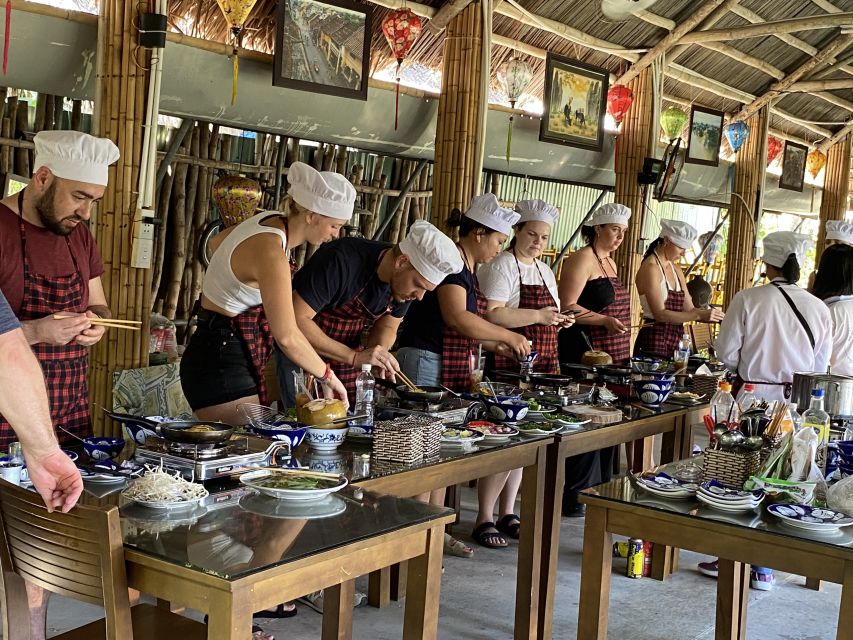
This is a great fit if you:
- Want to learn by doing, not just tasting
- Like food that’s specific to Hoi An and not generic Southeast Asian fare
- Prefer a small group where you can ask questions
- Want recipes you can actually follow later
It’s also a good choice if you enjoy cultural travel that’s practical. Cooking teaches you more than ingredients—it teaches how people think about balance: sweet/sour/salty, texture, and timing.
You might choose something else if you dislike group settings, even small ones. You should also consider that the lesson is set for learning four dishes; it’s not designed to be a custom cooking workshop for one single dish.
Things to know before you go (quick, useful, and real)
A few details will help your day go smoothly:
- Schedule flexibility: The time can change a little, so keep some breathing room.
- Public holiday fee: If it’s a Vietnamese public holiday, there’s an extra 200,000 VND cash charge for booking.
- Drinks: Not included, so bring water expectations accordingly.
- Dietary requests: A vegan/vegetarian menu can be arranged if you request it, with any extra cost handled as an additional charge (not specified beyond that it’s extra).
- No pets: Pets aren’t allowed.
- Accessibility: The tour is listed as wheelchair accessible.
If you want the best experience, show up a bit earlier than you think you need to. Pickup happens in a defined area, and the first welcome tea moment sets the tone.
Should you book this Hoi An cooking class?
I’d book it if you want a hands-on food highlight in Hoi An that’s also practical. The best reason is simple: you cook four dishes and then eat them as a real meal. At $23, with ingredients included and English instruction, the math works out—especially if you’ll otherwise pay for lunch or dinner separately.
Don’t book it if you’re very tight on time, hate small groups, or you’re allergic to any of the core dishes unless the vegan/vegetarian option fits your needs. Also double-check your date if you’re traveling around a Vietnamese public holiday because of the extra cash fee.
If you like learning by cooking and you’re excited to bring a few repeatable recipes home, this is a smart, low-stress choice for your Hoi An day.
FAQ
What dishes will I cook during the class?
You’ll cook four local Hoi An dishes: pancake, spring rolls, papaya salad, and chicken with lemongrass.
How long is the Hoi An Traditional Cooking Class & meal?
The total duration is listed as 210 minutes.
Is this a small group or a large tour?
It’s a group tour with a small group size, limited to around 10 participants.
Is the class available in English?
Yes. The chef and live tour guide are listed as English-speaking.
Can the menu be made vegetarian or vegan?
A vegan/vegetarian menu can be arranged if you request it.
What’s included in the price, and what isn’t?
Included: English-speaking chef, welcome tea, all ingredients, and lunch or dinner depending on the slot. Not included: drinks, personal expenses, and anything not mentioned.