REVIEW · HOI AN
Hoi An: Experience Pottery Making With Local Craftsmen
Book on GetYourGuide →Operated by Bay Mau Eco Travel · Bookable on GetYourGuide
Pottery in a real home beats studio tours. This Hoi An pottery making experience takes you to Thanh Ha pottery village, where the lessons are hands-on and rooted in everyday craft life, not a staged demo. I especially like the way the class starts at a family workshop—welcoming you in, explaining local products, then guiding you to make your own item on the pottery wheel. You also get a little gift before you go.
I also like the payoff: you finish with a souvenir you made, plus time to paint it so it actually looks like yours. The main thing to consider is that English is limited, so you’ll want to go with a relaxed, point-and-learn attitude. And although it’s listed as 20 minutes, you may stay longer to complete and decorate your piece.
In This Review
- Key highlights worth your time
- Thanh Ha pottery village: why this feels more local than a quick stop
- Finding the workshop: Nguyen Sau Experience House and quick contact
- Inside the class: what happens from greeting to finished pottery
- 1) Welcome and product introduction
- 2) Making pottery: turntable work and wheel basics
- 3) Painting your piece
- A small gift before you go
- Timing reality check: 20 minutes on the schedule, longer in practice
- Your keepsake: what you can make and take home
- After the workshop: Xuan My Communal House and Nam Dieu Temple
- Price and value: $7 plus the Thanh Ha Village entrance ticket
- Communication and comfort: what limited English changes
- Who this Hoi An pottery class is best for
- Should you book this pottery workshop in Hoi An?
- FAQ
- Where is the meeting point for this Hoi An pottery experience?
- How long does the pottery making class take?
- What’s included in the price?
- What extra costs should I expect?
- Is this activity wheelchair accessible?
- What language is used during the workshop?
- Can I pay later or keep my plans flexible?
- What is the cancellation policy?
Key highlights worth your time
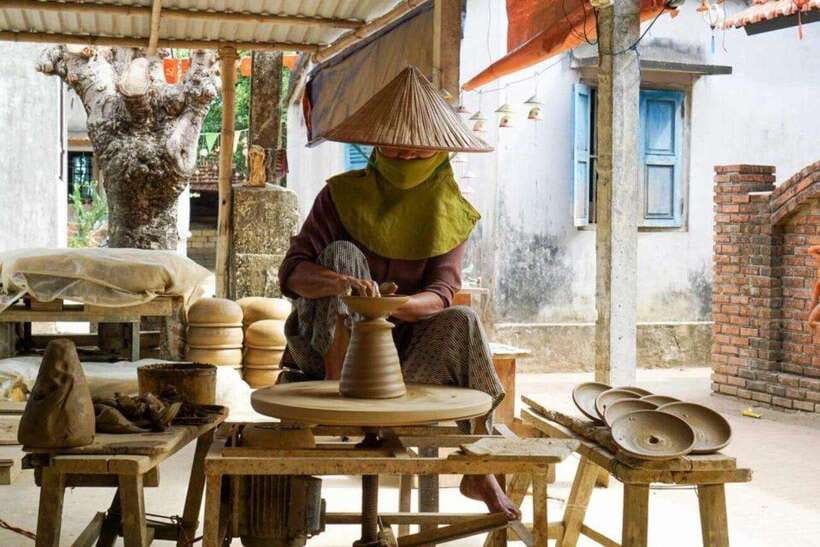
- Thanh Ha pottery village, close to Hoi An: you’re doing craft work where it actually lives
- Family-home workshop feel: you’re greeted by local craftsmen in their own space
- Make-and-paint souvenir: you take home the piece you create
- Short class, flexible pacing: the listing says 20 minutes, but you can extend if needed
- Optional extra pieces: if you want more than one item, there can be add-ons
- Quiet after-class options: you can wander to nearby pottery founder sites at your own pace
Thanh Ha pottery village: why this feels more local than a quick stop
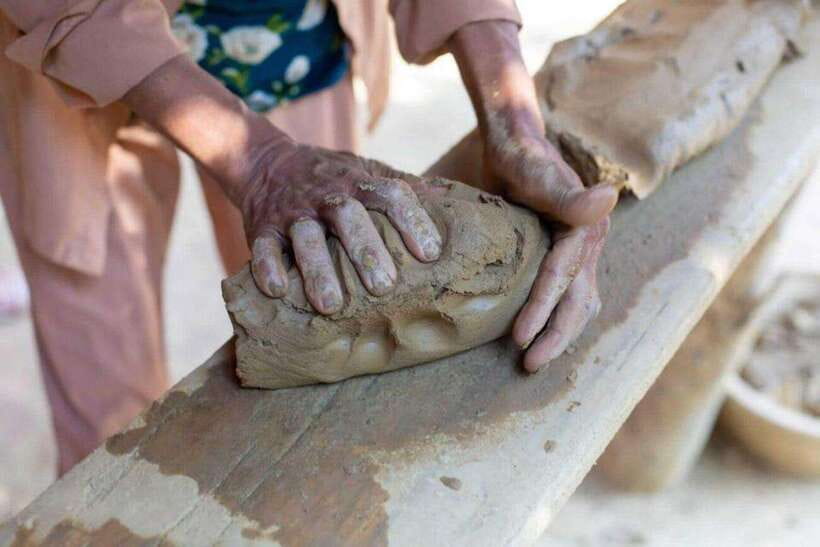
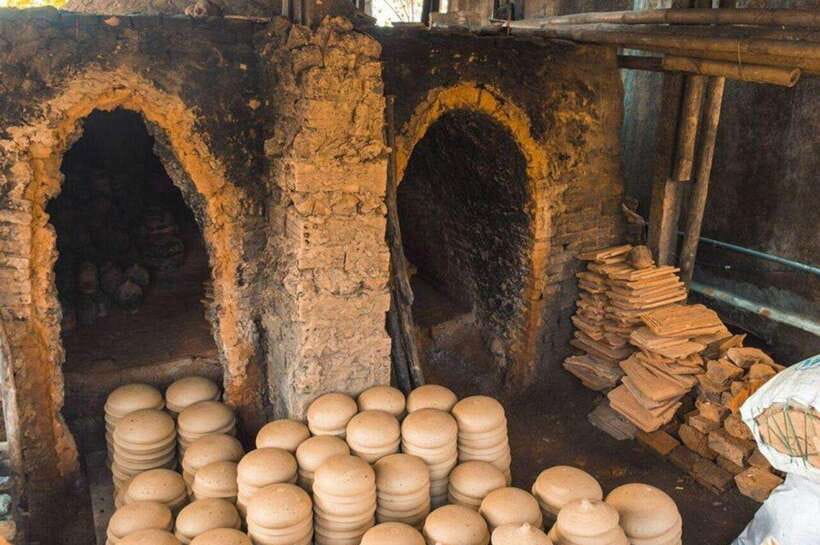
Hoi An is famous for lanterns and old streets, but this workshop gives you a different angle on the region. It’s set a short distance from the ancient town, in the world of Thanh Ha pottery-making, a craft tradition that’s been around for centuries.
The big win is where the lesson happens. Instead of a showroom or a modern studio, you’re guided by local craftsmen in their home/workshop setting. That changes the vibe right away. The instruction feels practical, like you’re stepping into how people actually work—tools out, shapes in progress, and real attention to getting your piece right.
It’s also a great value play. At about $7 per person for the main class and one item you make, you’re paying for a skill moment and a keepsake. You’re not just buying a finished product. You’ll still have one extra cost to plan for (the Thanh Ha Village entrance), but the hands-on part stays affordable.
You can also read our reviews of more tours and experiences in Hoi An.


Finding the workshop: Nguyen Sau Experience House and quick contact
Your meeting point is Nguyen Sau Experience House. The experience provider (Bay Mau Eco Travel) notes that you’ll be able to get easy contact by using WhatsApp, and you may be asked to provide your number so the team can reach you.
Practical tip: arrive a little early, especially if you’re moving through Hoi An and then heading out. Even though the workshop is close to the ancient town area, local directions can still be a little tricky if you’re relying on memory rather than a map.
Once you meet the team, the next steps are straightforward: you head to the workshop, get greeted, and start with an intro to local pottery products before you sit down to make your piece.
Inside the class: what happens from greeting to finished pottery
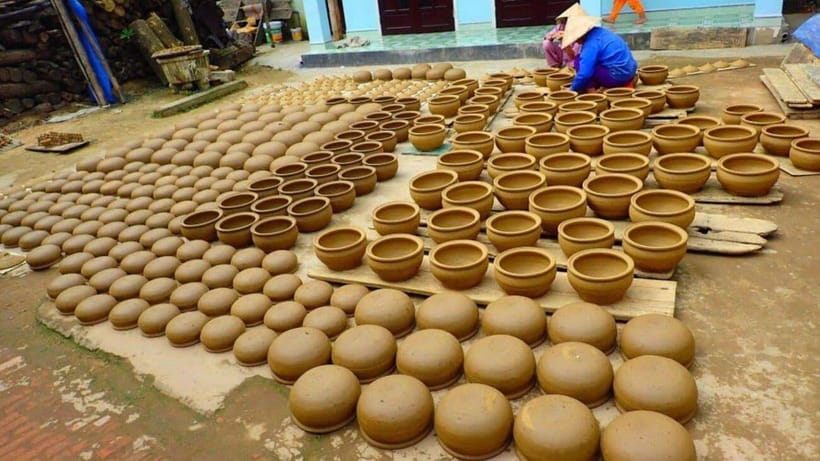
The workshop usually follows a simple flow, and that’s part of why it works so well even if you don’t speak much Vietnamese.
1) Welcome and product introduction
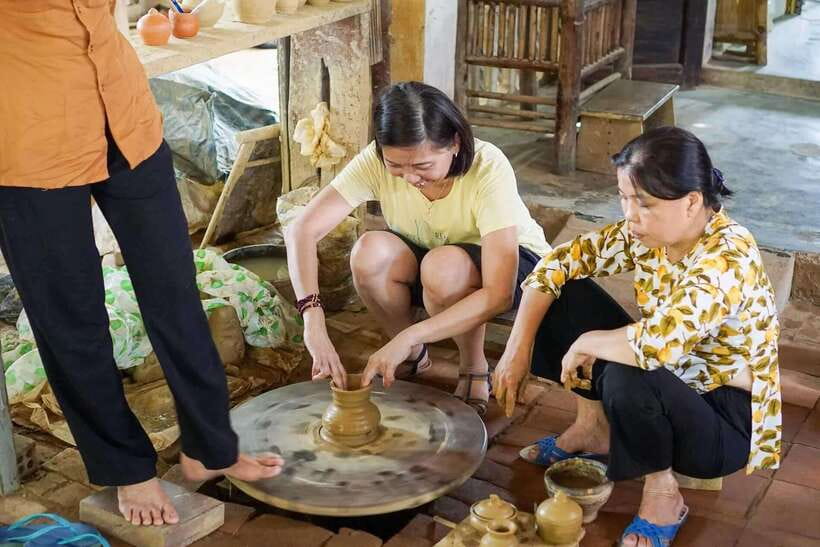
You’ll be greeted by the craftsman in their home workshop. Expect an introduction to their pottery products—shapes, styles, and what people usually make. Even with limited English, this early stage is useful because you’re shown what’s possible, and you can point to what you want to try.
2) Making pottery: turntable work and wheel basics
The hands-on part centers on creating your pottery item. People often describe working on turntables with Vietnamese hosts who guide you step by step. This is where the experience earns its name: you don’t just watch. You shape the piece with support.
One key consideration: the class is short on paper. If you’re the type who wants lots of wheel time, plan for the fact that the 20-minute label may not match how long it takes you to make a clean form.






3) Painting your piece
After you shape the pottery, you’ll paint it. This is where you get to make your souvenir feel personal. The workshop includes the main materials needed for the experience, and the painting time is often part of why people end up staying longer than the listed duration.
A small gift before you go
You’ll also receive a little gift during the workshop. It’s not the main reason to book—but it adds to the feel that you’re being looked after, not rushed through.
Timing reality check: 20 minutes on the schedule, longer in practice
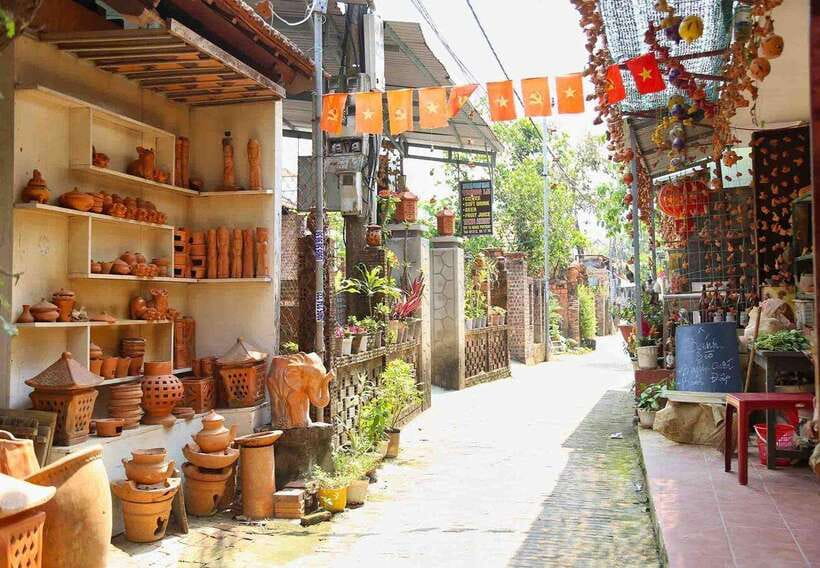
The activity is listed as about 20 minutes, and you can often extend your time if you want to finish properly. In reality, your pace matters.
In many cases, people spend around an hour (sometimes more) when you include making and painting—especially if you’re making multiple pieces or you want a careful finish. That extra time isn’t a trick. It’s the tradeoff for learning and decorating rather than doing a fast souvenir assembly line.
Practical planning tip: if you have a packed day, treat this as a “half-activity” and give yourself buffer. If you can schedule it earlier, do that. Then you won’t feel stressed if your hands need a bit more time.
Your keepsake: what you can make and take home
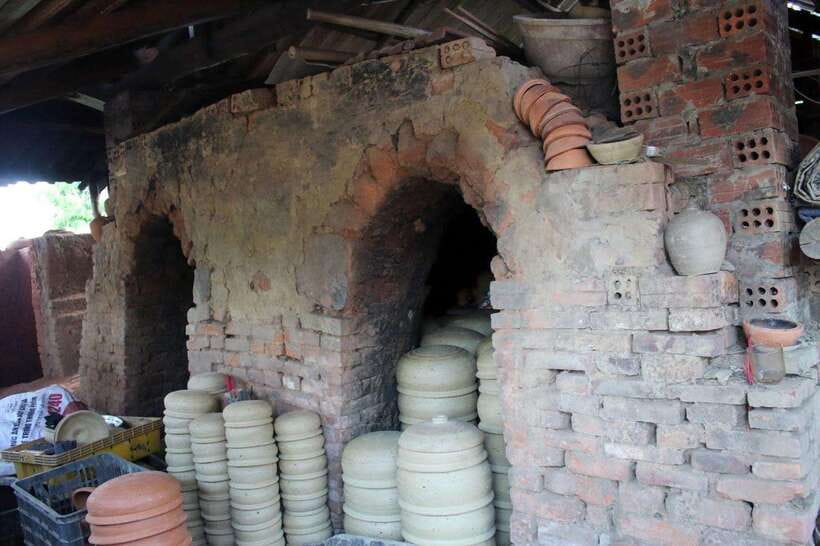
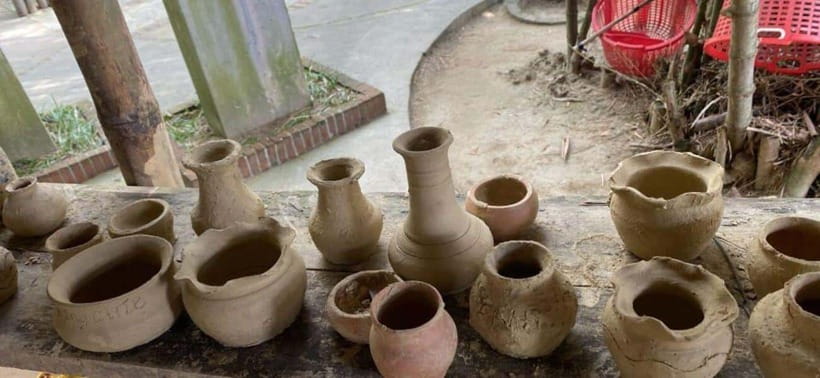
The experience includes one souvenir made by yourself. That matters because the price isn’t just paying for entry to a village. You’re leaving with something you shaped and painted.
Common items people mention include mugs and bowls, and you may have options on shapes. You might also be able to make more than one piece if you want—some people note add-on possibilities for extra items. If you’re aiming for multiple gifts, ask what’s possible during the class so you’re not surprised by timing.
Also, don’t ignore this: you’re taking home a handmade piece. Treat it like you would any fragile souvenir—package it carefully, and keep it away from direct impacts in your bag.
After the workshop: Xuan My Communal House and Nam Dieu Temple
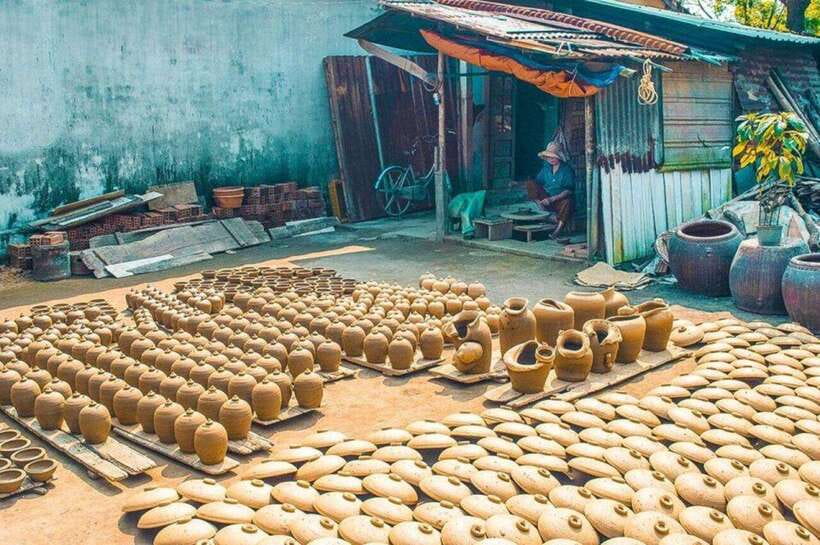
After your pottery session, you can visit two nearby sites on your own:
- Xuan My Communal House
- Nam Dieu Temple, connected to the pottery founders
This is a good fit if you want a calm follow-up. You’re already in the pottery area, so it makes sense to walk around and enjoy the quiet, traditional feel while the craft topic is fresh in your mind.
Because these are self-paced, you control the pace. If you need a break, you can keep it short. If the streets are calling, you can extend your walk.
Price and value: $7 plus the Thanh Ha Village entrance ticket
Let’s do the math in a way that helps you decide.
- Class price: $7 per person
- Included: pottery making experience + one souvenir
- Not included: Thanh Ha Village entrance ticket (35,000 VND/person)
- Not included: hotel pickup/drop-off, food, drinks, and personal expenses
So you’ll pay a small base amount for the workshop itself, then handle the entrance ticket separately. The listing also mentions you can skip the ticket line, which helps if you arrive when it’s busy.
Is it good value? For most people, yes—because the souvenir is part of what you’re paying for, not something you buy after. If you’re comparing it to factory-style gift shops, the difference is huge: you’re paying for the process and the chance to personalize what you take home.
Communication and comfort: what limited English changes
English is limited because the instructor and hosts are Vietnamese. That doesn’t make the workshop hard—it just means you’ll rely more on gestures, demonstrations, and patience.
The upside is that the hosts are used to working with non-Vietnamese visitors, and people describe the guidance as patient and helpful. You don’t need to be artistic. You need to be willing to try and slow down for the learning part.
If you’re going with kids or family, that’s often where the experience works best. Simple tasks, hands-on tools, and a clear final souvenir turn it into an easy win.
Comfort note: this activity is not suitable for wheelchair users, so plan an alternative if mobility is an issue.
Who this Hoi An pottery class is best for
This workshop is a strong match if you want:
- a short, hands-on activity near Hoi An
- a meaningful souvenir that’s personal, not mass-made
- a calm break away from the ancient town’s busiest lanes
- a cultural experience you can enjoy even without perfect language skills
It’s also a nice choice for families. People mention it works well across ages, including teenagers and parents who thought they wouldn’t like it until they tried.
It may be less ideal if:
- you only want wheel time and don’t care about painting
- you have zero spare time and every minute is booked
- you need full accessibility support for mobility needs
Should you book this pottery workshop in Hoi An?
Book it if you want a low-cost, local-feeling craft session where you leave with a real handmade keepsake. The class is small, the setting is family-run, and the souvenir part is built into the price.
Skip it or look for a different format if you’re extremely time-sensitive or you need accessibility options the workshop can’t support. And if you’re expecting English-heavy instruction, adjust your expectations and plan on a “watch, try, follow the cues” mindset.
With a 4.8 average rating from 54 bookings, it’s clear this one lands for people who like practical activities and don’t mind a little language barrier in exchange for real local craft life.
FAQ
Where is the meeting point for this Hoi An pottery experience?
The meeting point is at Nguyen Sau Experience House.
How long does the pottery making class take?
The class is listed at about 20 minutes, though you can often extend the time if you want to finish your product.
What’s included in the price?
Included is the pottery making experience and one souvenir made by you.
What extra costs should I expect?
You’ll need to pay for Thanh Ha Village entrance tickets (35,000 VND per person). Entrance tickets, food, drinks, and hotel pickup/drop-off are not included.
Is this activity wheelchair accessible?
No. It is not suitable for wheelchair users.
What language is used during the workshop?
The instructor and materials are Vietnamese, and English communication is limited.
Can I pay later or keep my plans flexible?
Yes. The experience offers a reserve now & pay later option.
What is the cancellation policy?
You can cancel up to 24 hours in advance for a full refund.