REVIEW · HOI AN
Hoi An Eco-Biking Tour
Book on Viator →Operated by Hoi An Guided Tours · Bookable on Viator
Rice fields, crabs, and a farmer lunch.
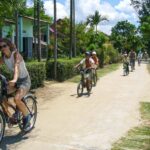
This Hoi An eco-biking outing takes you out of the city and into working countryside where you can see rice fields up close, spot water-buffalos and birds, and learn how local farmers actually do their day. The route is guided in English, and my favorite part was spending time with Tai, the guide, who kept the whole experience friendly and practical.
I especially loved two things: time in Tra Que vegetable village and the meal shared with a local family. In Tra Que, you don’t just watch—you help with garden chores like hoeing soil and watering, and you’ll even get hands-on with activities such as transplanting and collecting seaweed from the river. For lunch, I liked how the food felt like part of daily life, not a tourist performance, and Tai’s setup made it easy to relax and enjoy.
One thing to keep in mind: you’ll be on a bike through farmland paths, so expect some sun, dust, and uneven spots. If you’re not into active farm tasks or water-adjacent moments (like seaweed collection), you may want to go in with that in mind, even though you can choose to enjoy the basket boat ride at your own pace.
Key things I’d point you to before you book
- Tra Que hands-on gardening with real farmer activities, not a quick photo stop
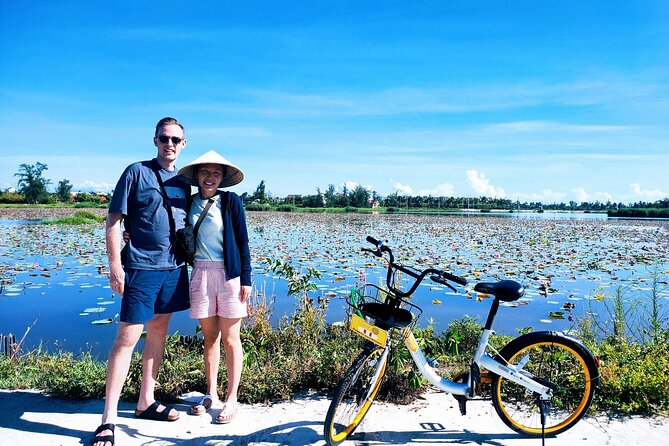
- Countryside bike time where the views come with actual context
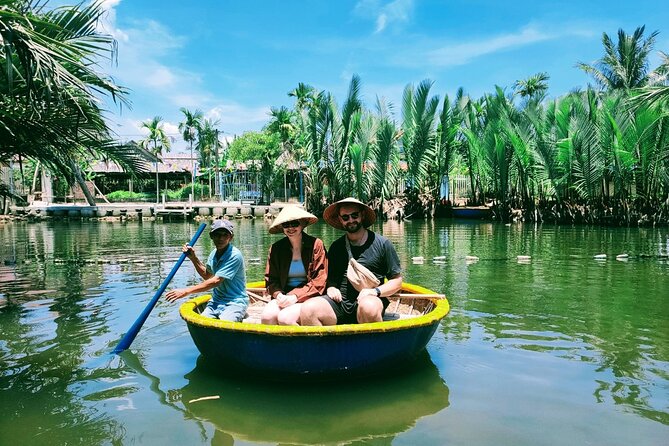
- Basket boat in the coconut palm area plus optional purple crab catching
- Wildlife spotting like ducks, cows, and water-buffalos along the way
- A local family lunch or dinner that ties the day together
In This Review
- The Feel of an Eco-Biking Day Outside Hoi An
- Pickup, Bike Pace, and What the 4-Hour Schedule Really Means
- Tra Que Vegetable Village: Helping with Herb and Vegetable Gardens
- Rice Fields, Shrimp Farms, and Animal-Spotting Along the Route
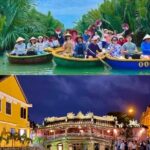
- Coconut Palm Basket Boat and Purple Crab Catching
- Lunch with a Local Family: The Day’s Best Reality Check
- What’s Included, and What You’ll Still Want to Plan for
- Who This Hoi An Eco-Biking Tour Is Best For
- Price and Value: Is $40 Fair for What You Get?
- Should You Book This Hoi An Eco-Biking Tour?
- FAQ
- How long is the Hoi An Eco-Biking Tour?
- What is included in the $40 per person price?
- Do I need to rent a bike before the tour?
- Is pickup from Hoi An included?
- Can I relax during the basket boat ride instead of catching crabs?
- What animals might I see during the tour?
- How big is the group?
- Is cancellation free?
The Feel of an Eco-Biking Day Outside Hoi An
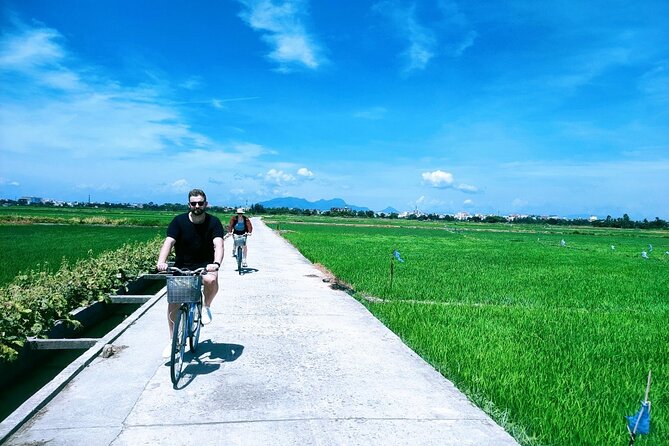
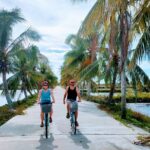
This tour works because it gives you the countryside rhythm in a way you can’t easily do alone. You bike through working farmland, stop where farmers are busy, and then shift to water time with a basket boat ride.
What makes it feel especially real is the mix: garden work in Tra Que, animal sightings along the way, and a water moment in the coconut palm area. The day doesn’t feel like a museum tour—it feels like you’re tagging along with locals for a half-day.
And yes, the photos are great, but the best part is that the views come with stories you can use to understand what you’re seeing.
Pickup, Bike Pace, and What the 4-Hour Schedule Really Means
The tour includes pickup from your hotel, and it runs just over four hours. That’s long enough to feel like a full countryside outing, but short enough that you’re not mentally and physically drained before you head back to Hoi An.
Your English-speaking guide organizes the flow, including bike use and the key stops. With a maximum group size of 15, you should feel like part of a small group rather than swallowed by a crowd.
Practical tip: bring a bottle mind-set, not a marathon mind-set. It’s active sightseeing—walking briefly, riding between scenes, and doing a few hands-on farm tasks. If you’re expecting a slow, scenic cruise where you barely move, you might find the farm-work moments more involved than you imagined.
You can also read our reviews of more cycling tours in Hoi An

Tra Que Vegetable Village: Helping with Herb and Vegetable Gardens
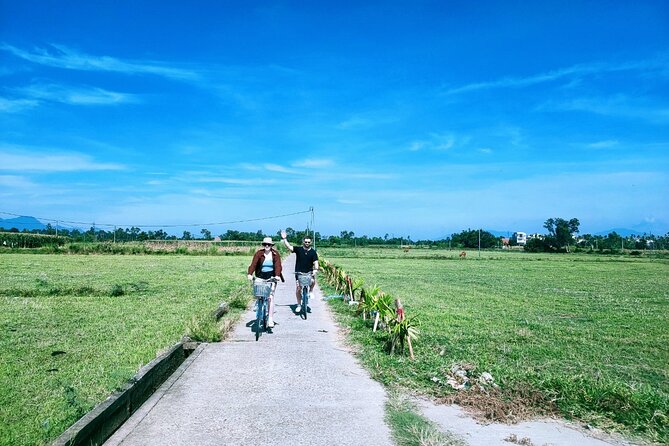
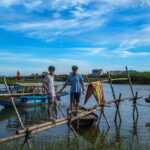
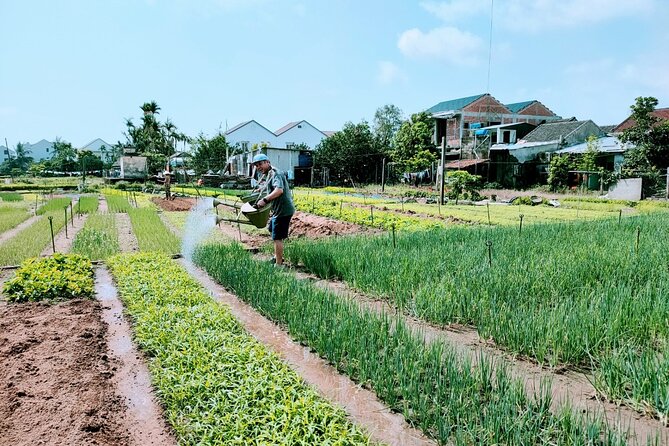
Tra Que vegetable village is the heart of the experience. Here, Tai and the farmers focus on daily farm life—how herbs and vegetables are grown and maintained, and what it takes to keep the gardens productive.
You can expect hands-on agricultural activities. Depending on the day, this can include helping with hoeing soil, collecting seaweed from the river, and transplanting or watering vegetables. Even if you’re not an experienced helper, you’ll get tasks matched to the moment, and the atmosphere stays relaxed.
Why this stop is worth your time: it turns “I saw a farm” into “I understand what a farm day looks like.” In Tra Que, you’re not just looking at plants; you’re learning how gardens are tended, including the practical work that happens before most visitors even wake up.
Photo note: yes, you’ll get lots of great shots here. But don’t treat it like a checklist. The best photos come when you slow down and watch what farmers are doing—watering, arranging plants, and handling soil—because that’s where the real texture is.
Rice Fields, Shrimp Farms, and Animal-Spotting Along the Route
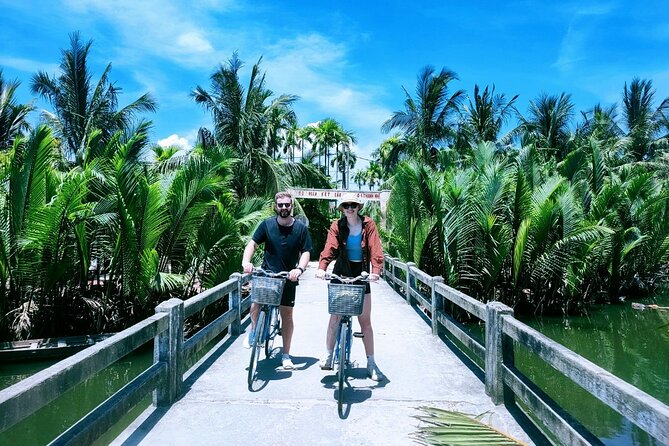
After Tra Que, the ride continues through the countryside. This part is where you get the bigger-view scenes: rice fields, shrimp farms, and long stretches where water management and farming patterns are visible.
You’ll also have chances to spot local animals like ducks, cows, and water-buffalos. These sightings aren’t staged; you’re seeing how farming ties into daily life and local ecology.
The shrimp farms are a key contrast to the vegetable village. One area feels plant-focused and soil-led, while another is water-and-structure focused. If you like understanding how different types of agriculture work, this shift keeps the day from feeling repetitive.
Drawback to watch for: countryside riding means you might be riding at moments where roads are narrow or sights are spread out. If you prefer constant action every few minutes, this section may feel calmer between stops. Still, those quieter stretches are often when the views really open up and the animal activity becomes easier to notice.
Coconut Palm Basket Boat and Purple Crab Catching
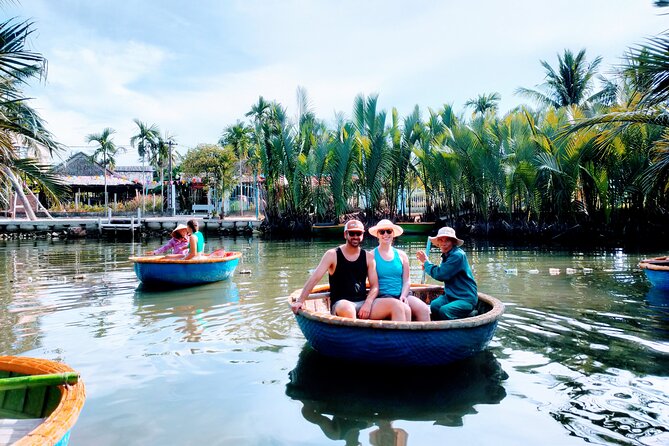
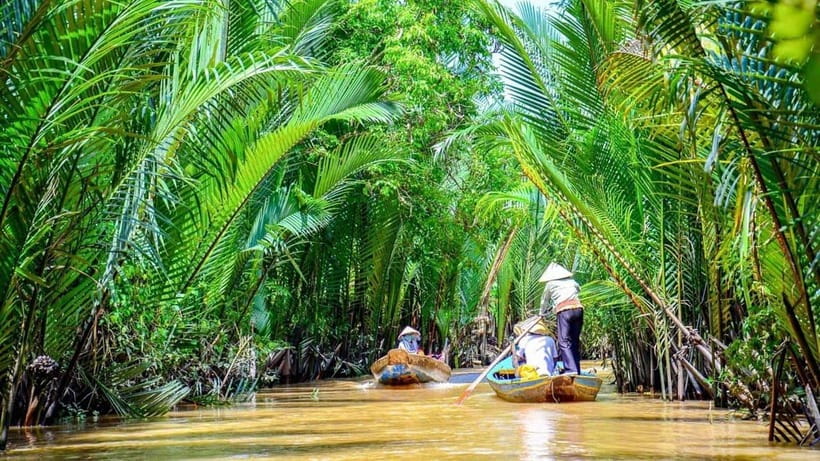
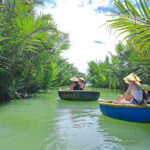
Then you move to water time in the coconut palm forest area. This is where the tour becomes more than cycling and stops feeling like a standard sightseeing loop.
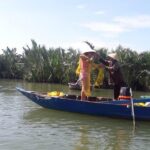
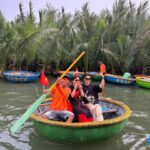
You’ll ride in a basket boat with local people. The nice touch is choice: you can relax and enjoy the ride, or you can try catching purple crabs. That flexibility matters because it lets you match the activity level to your mood.
What I liked about this part is how it changes your perspective. On a bike, everything is at eye level—fields, structures, animals. On the boat, you’re moving through a different world, where the palms and water channels create a softer pace and different angles for photos.
If you go for the crab-catching option, you should expect to get involved and get a bit messy. Go in with the mindset that it’s meant to be hands-on, not just watched from a dry seat.
Lunch with a Local Family: The Day’s Best Reality Check
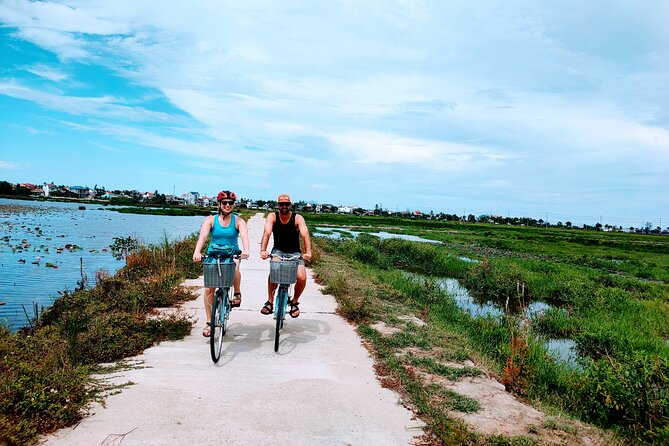
Lunch (or dinner, depending on how your tour is scheduled) is included, and it’s served with a local family. This is the moment that turns the trip into more of a cultural experience than an outdoor photo walk.
Based on the overall setup, the meal is meant to feel grounded—something you eat as part of the family’s routine, not a fast, tourist-only stop. Tai’s role here is important; he helps make the interaction smooth so you can focus on the food and conversation rather than logistics.
Value-wise, this inclusion is a big deal. For $40, you’re not just paying for a guide and a bike—you’re paying for local access to a family meal and multiple activity components like entrance tickets and the basket boat ride.
If you’re picky about meals or have dietary restrictions, I’d treat it as a heads-up situation: confirm details when you book so you’re not surprised when the meal lands. The tour data doesn’t spell out specific menu options, so asking is your best move.




What’s Included, and What You’ll Still Want to Plan for
Here’s what comes with the tour:
- English-speaking guide
- Bike
- Water
- Entrance ticket
- Basket boat ride
- Lunch or dinner with a local family
Not included:
- Insurance
- Tip for guide
What I suggest you bring for comfort:
- Sun protection (the countryside has plenty of exposed time)
- Something to protect your hands and feet during farm tasks
- A small towel or wet wipes mindset, especially if you pick the crab-catching option
Also, wear shoes you don’t mind getting a little dusty. This isn’t a dress-up evening later—this is farm-and-water half-day active sightseeing.
Who This Hoi An Eco-Biking Tour Is Best For
This tour is a strong match if you want a real day in rural Hoi An, not just a couple of pretty stops. You’ll enjoy it most if you like:
- hands-on experiences, even simple ones
- learning from an English-speaking guide like Tai
- wildlife spotting and farm scenes
- a family meal that feels connected to local life
It’s also a good option for couples, friends, or solo travelers who like guided structure but still want room to enjoy the scenery. The small group size helps.
If you’re someone who wants everything to feel totally hands-off and low effort, you might find the farm activities more active than expected. But if you can be flexible—help where you want and relax where you don’t—this tour can be a really satisfying mix.
Price and Value: Is $40 Fair for What You Get?
$40 per person is the kind of price that can either feel like a bargain or a compromise, depending on what’s included. In this case, the value holds up because the tour bundles several things that are usually separate costs.
You’re paying for:
- pickup and drop-off from Hoi An
- a bike and guided route
- entrance ticket coverage
- basket boat ride
- lunch or dinner with a local family
- water during the ride
You’d likely spend more than that if you tried to piece those pieces together on your own, especially with an English-speaking guide and the farm access. The key value is that you’re not just buying a ride—you’re buying access to working areas and guided context, which makes the day more meaningful.
One smart move: book early if you’re traveling at a busy time. The tour tends to sell ahead, and it’s run with a small maximum group size, so availability can change faster than you’d expect.
Should You Book This Hoi An Eco-Biking Tour?
Book it if you want an active countryside day that stays authentic: Tra Que garden life, rice-and-shrimp scenes, wildlife spotting, and a basket boat moment with optional purple crab catching. The included family meal is a major plus, and having Tai as a guiding presence makes the whole day smoother and more human.
Skip it or choose another style of tour if you want a purely relaxed sightseeing outing where you never get involved. The route involves cycling and hands-on farm moments, and the day can include messy fun if you opt into crabbing.
If you’re on the fence, look at your own comfort level with short, hands-on tasks and a half-day outdoors. If that’s your style, this is a great use of time in Hoi An.
FAQ
How long is the Hoi An Eco-Biking Tour?
The tour runs for about 4 hours and 5 minutes.
What is included in the $40 per person price?
The price includes an English-speaking guide, a bike, water, entrance ticket, basket boat riding, and lunch or dinner with a local family.
Do I need to rent a bike before the tour?
No. The tour provides the bike as part of the experience.
Is pickup from Hoi An included?
Yes, pickup and drop-off from Hoi An are included.
Can I relax during the basket boat ride instead of catching crabs?
Yes. You can relax during the basket boat ride or try catching purple crabs.
What animals might I see during the tour?
You may see water-buffalos, cows, ducks, and birds during the cycling parts and countryside stops.
How big is the group?
The tour has a maximum of 15 travelers.
Is cancellation free?
Yes, you can cancel for a full refund up to 24 hours in advance.