REVIEW · HOI AN
Hoi An Craft Villages And Lantern Making Tour
Book on Viator →Operated by Hoi An Express Travel · Bookable on Viator
Craft villages are more fun when you reach them by boat. This Hoi An tour pairs a Thu Bon River cruise with two working craft stops—Kim Bong carpentry and Thanh Ha pottery—then finishes at a lantern-maker workshop. It’s a practical way to see how local trades still shape everyday life here.
I especially like the pacing. You get a slow, scenic transfer between villages, and each stop is long enough to watch real making, not just a quick photo stop. I also like that the group stays small (max 15), which makes it easier to ask questions and hear your guide clearly. If you’re lucky enough to get an English-speaking guide like Emily, the explanations can feel lively and easy to follow.
One thing to consider: the pottery stop may not hit the same for everyone. One guest found Thanh Ha pottery more basic than expected and said the terracotta viewing museum didn’t lead to much hands-on takeaway. If you’re hoping for a dramatic, flashy workshop, keep your expectations grounded.
In This Review
- Key Points You’ll Care About
- Why This Thu Bon Craft Cruise Works So Well in Hoi An
- Price and Logistics: What Your $40 Covers
- Kim Bong Carpentry Village: Woodwork You Can Hear (Then Ask About)
- Thanh Ha Pottery Village: Terracotta Crafts and the Museum Question
- Hoi An Lantern Making Stop: The Craft Behind the Glow
- What the Group Size and Timing Really Mean for You
- Getting the Most Out of It Without Turning It Into a Shopping Mission
- Who Should Book This Tour (and Who Might Skip)
- Should You Book Hoi An Craft Villages And Lantern Making Tour?
- FAQ
- How long is the Hoi An Craft Villages And Lantern Making Tour?
- What craft stops are included?
- Is hotel pickup and drop-off included?
- What languages are available for the guide?
- Does the price include entrance fees and boat rides?
- Are children discounted?
Key Points You’ll Care About
- Small group limits the crowd feel (maximum 15).
- Boat-to-village routing makes the craft tour feel like an outing, not a bus crawl.
- Two different trades in one afternoon: carpentry and pottery.
- Hands-on craft attention through watching makers at work.
- Lantern making ends the tour with a traditional art focus.
- $40 value comes from guide + transfers + entrances + boat time.
Why This Thu Bon Craft Cruise Works So Well in Hoi An

Hoi An can be a lot—lantern streets, café strips, and constant “please look” energy. This tour cuts through the noise by steering you toward the craft side of town, the part locals rely on for livelihoods.
What makes it work is the river setting. Traveling by boat along the Thu Bon isn’t just scenic window dressing. It helps you slow down and actually notice details—how craft villages sit near waterways, how boats connect neighborhoods, and how the work shapes the area around it. In a place where everything is close together on a map, the boat makes the trip feel like you’ve gone somewhere special.
The trade focus is another win. You’ll see carpentry and pottery—two crafts with different tools, different rhythms, and different kinds of patience. Then you wrap it up with lantern making, which ties the region’s everyday aesthetics to the craft process.
You can also read our reviews of more tours and experiences in Hoi An.



Price and Logistics: What Your $40 Covers
At $40 per person, this isn’t a “cheap and random” add-on. You’re paying for a guided route that includes multiple parts you’d otherwise have to piece together yourself.
Here’s what’s included:
- Hotel pickup and drop-off in Hoi An’s city center
- Air-conditioned transport between parts of the day
- Bottled water
- English-speaking guide (other languages are available on request with a surcharge)
- Boat rides as per the itinerary
- Entrance fees for the carpentry and pottery stops
That’s the core value. If you were to hire separate transport, find entry tickets, and then coordinate a lantern stop, you’d spend more time and usually more money. You also avoid the common Hoi An problem where you land somewhere “on your own” but don’t have the context to understand what you’re seeing.
Group size also matters for value. The tour tops out at 15 travelers, and some departures can feel even smaller. Smaller groups mean you’re less likely to be rushed, and it’s easier to hear explanations.
You’ll want to budget for the usual extras: personal shopping and tips are not included, and your guide’s job is to explain and escort, not to “sell you stuff” for the best price.
Kim Bong Carpentry Village: Woodwork You Can Hear (Then Ask About)
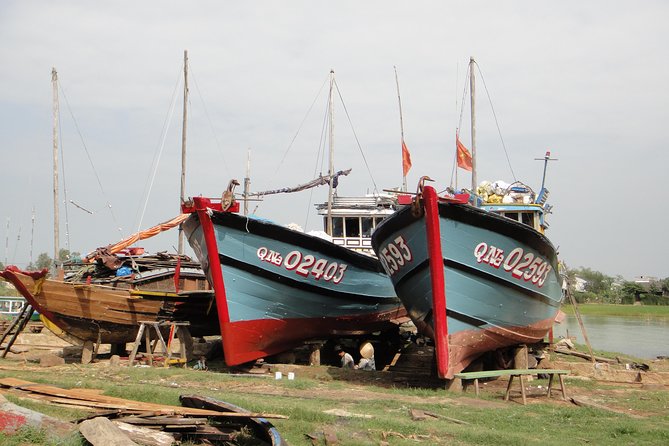
The tour starts with a boat ride over to Kim Bong Carpentry Village. This matters because carpentry in craft villages isn’t just a visual spectacle; it’s about tools, workshop space, and the way makers use wood as a living material.
You’ll spend about 1 hour 30 minutes here. That’s a good chunk of time. You’re not only taking in finished items—you’re observing how work gets done and learning what makes this village a craft hub.
Kim Bong’s craft identity goes back a long way. The village traces its roots to the 15th century, when artisans came from Thanh Hoa, Nghe An, and Ha Tinh. That migration detail is useful because it explains why craft traditions cluster here and how techniques travel with people.
One practical tip: at a carpentry village, you’ll see a lot of skill in the small steps—measuring, shaping, fitting. If you want to understand the process, ask your guide about what differentiates one finished piece from another, or what kind of woodwork is most common in this area. With a small group, those questions land better.
Potential drawback: If you’re not into woodworking at all, you might find this stop your least memorable. But if you like process—how things are made rather than just what they look like—this is often the most satisfying part of the afternoon.
Thanh Ha Pottery Village: Terracotta Crafts and the Museum Question
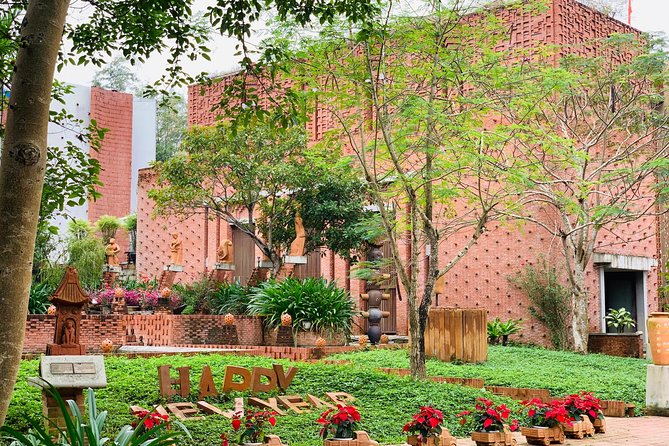
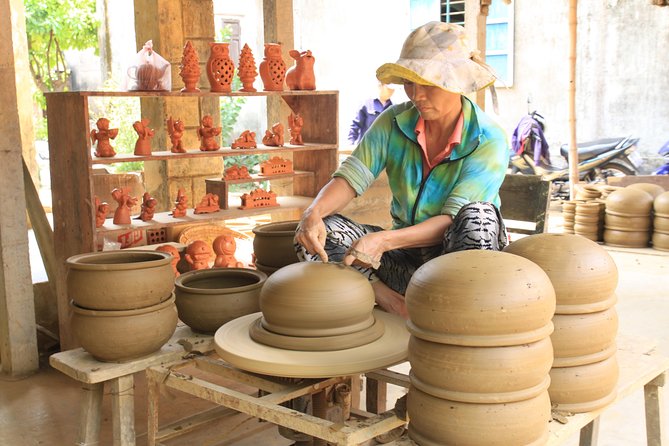
Next you move to Thanh Ha Pottery Village by another boat ride. This stop is shorter—about 45 minutes—but it’s focused on pottery making and the objects that come out of traditional terracotta work.
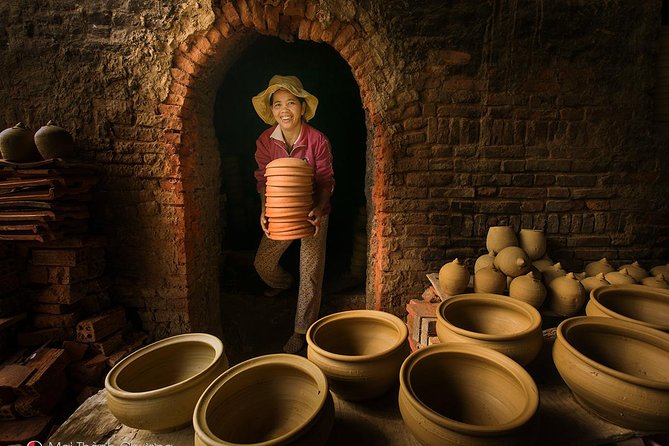
You can expect to observe villagers creating pottery products like vases, pots, and kettles. That kind of list sounds simple, but it’s exactly what makes it valuable. You’re seeing everyday forms, not only decorative pieces. It helps you understand pottery as a practical craft, not just a souvenir factory.
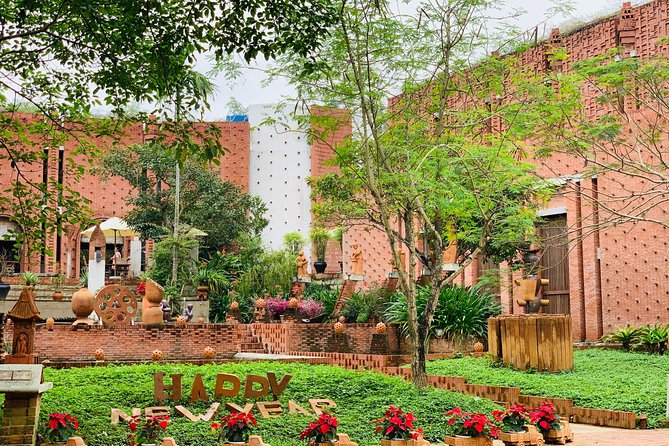
Thanh Ha is also where you’ll see pottery across time via a terracotta museum. For some people, that’s the highlight: it places what you’re looking at today into a wider sequence. For others, the museum portion can feel like a lot of viewing without much “grab-and-go” takeaway.
That’s the consideration I’d flag for you. If your goal is hands-on learning—touching clay, throwing vessels, trying your own technique—this tour is more about watching and learning than doing. You’re there to observe craft culture. If you want the most bang from the pottery visit, go in ready to ask questions about materials and methods, even if the objects you see appear modest at first glance.
Hoi An Lantern Making Stop: The Craft Behind the Glow

The tour closes with a visit to a local lantern craftsman to learn about the traditional art of lantern making. This part runs about 40 minutes and is listed as admission free.
Lanterns are everywhere in Hoi An, so it’s easy to treat them like decoration. This stop flips that mindset. Instead of only seeing color and light, you’ll connect the look of lanterns to the craftsmanship behind them—how they’re constructed and why the tradition exists in the first place.
This final segment is also a good emotional landing spot. After carpentry and pottery, lantern making feels closer to what you’ll see later in the evening around town. If you buy a lantern after this, you’ll have a better sense of what you’re actually purchasing: not just a product, but the work process that created it.
Because the lantern stop is shorter than the carpentry visit, I’d use your time intentionally. Pay attention to the steps your guide explains. If there’s an option to ask questions, do it early. By the time you’re deep in photos, it can be hard to shift back into learning mode.



What the Group Size and Timing Really Mean for You
This is about 4 hours 30 minutes total, including the travel time by boat and transport between stops. For Hoi An, that’s a sweet spot. You get enough time to see multiple villages and still have room afterward for dinner, a walk on the river, or a second look at lantern streets with fresh context.
The tour is designed for a shared rhythm: boat, village, watch, listen, move on. That structure is helpful if you’re short on time or don’t want to plan routes and entry points.
It’s also why it suits a range of travelers:
- First-time Hoi An visitors who want context fast
- People who like craft culture more than big-ticket monuments
- Anyone who prefers small groups
- Travelers who don’t want a whole day of logistics
You’ll also like it if you enjoy explanations that connect the craft to local life. You’re not just looking at objects—you’re learning how these trades support livelihoods for people in the area.
If you’re the type who wants maximum hands-on activities, you might find the “watch and learn” format a bit calm. But there’s a payoff to that, too. Quiet observation can be the fastest way to understand how much skill goes into making everyday items.
Getting the Most Out of It Without Turning It Into a Shopping Mission
Hoi An has a shopping scene, and craft tours can accidentally turn into a sales funnel. This one is better when you treat it as a learning route first.
Here’s how to make it click:
- Ask one good question at each stop. Carpentry: what’s most common here and why. Pottery: how the everyday forms fit local needs. Lanterns: what makes the lantern craft distinct.
- Watch process before you chase products. Look for the repeated steps. That’s where the “why” lives.
- Leave room in your afternoon. You’ll probably want to revisit lantern streets after you understand what you saw.
Also, plan your expectations around what’s included. Since shopping is not included (and you’ll likely be tempted), decide ahead of time whether you want one meaningful item or just photos and notes. If you go in with a clear limit, you’ll enjoy the craft villages more.
Who Should Book This Tour (and Who Might Skip)

Book this if you:
- Want a craft-focused Hoi An experience that goes beyond the lantern streets
- Enjoy small-group tours with an English-speaking guide
- Like seeing how objects are made—especially the contrast between woodwork and pottery
- Want a relaxing, scenic river component rather than nonstop walking
Consider skipping or picking a different option if you:
- Mostly want hands-on workshops with active participation
- Are expecting pottery to be highly interactive or highly stylized rather than terracotta-centered
- Know you’re not interested in craft villages at all
The biggest “sweet spot” is travelers who like learning how daily life works in other places. This tour gives you that, and it doesn’t demand a whole day to get it.
Should You Book Hoi An Craft Villages And Lantern Making Tour?
Yes, if you want an afternoon that feels local and grounded. For $40, the mix of boat travel, guided village visits, and included entrances makes it a solid value, especially if you’d otherwise spend time figuring things out on your own.
I’d book it with a realistic mindset: this is a watch-and-learn crafts tour, not a full art-class day. If that fits your style, you’ll walk away with a stronger understanding of how carpentry, pottery, and lantern making connect to the Thu Bon area and to Hoi An’s look and feel.
FAQ
How long is the Hoi An Craft Villages And Lantern Making Tour?
The tour lasts about 4 hours 30 minutes.
What craft stops are included?
You’ll visit Kim Bong Carpentry Village and Thanh Ha Pottery Village, and you’ll also meet a local lantern craftsman for lantern making learning.
Is hotel pickup and drop-off included?
Yes. Hotel pickup and drop-off are included for hotels in Hoi An city center.
What languages are available for the guide?
English speaking guides are provided. Other languages are available upon request with a surcharge.
Does the price include entrance fees and boat rides?
Yes. Entrance fees and the boat transportation as per the itinerary are included.
Are children discounted?
Children 0–5 are free. Children 6–10 receive a 50% discount. The maximum child policy allows up to 1 child accompanied by 1 adult, and the second child pays the adult price.