REVIEW · HOI AN
Hoi An Countryside Discovery Tour By Motorbike – Local food
Book on Viator →Operated by TC Hoi An Travel · Bookable on Viator
Hoi An has two speeds: Old Town crowds and the quieter rhythm of the Thu Bon delta. This tour picks the second one, with a chauffeur-driven motorbike getting you into lanes bigger vehicles can’t reach. I also like the hands-on craft stops paired with a real family meal, so it feels personal instead of staged. The one thing to consider is that you’ll sit behind the driver and the day involves active, bumpy rural roads, so plan for a moderate fitness level.
What makes it work is the balance: you get movement (motorbike rides and a basket boat), then you slow down to see how people actually earn a living. Guides such as Tai and Cường come through in the way they explain what you’re seeing, and several people note they’re patient even when plans need to flex for families. If you’re hoping for a fully relaxed ride with no participation at all, you might find the craft activities a bit more involved than expected.
At a price of $55 for about four hours, the value comes from packing in multiple local experiences plus entrance fees, your driver, and the included meal—without turning it into a full-day marathon. You’re also not left figuring things out, since pickup is offered from central Hoi An hotels and transfers are built in.
In This Review
- Key highlights you’ll remember
- Motorbike access: how this half-day stays real
- The Thu Bon delta pace: what the countryside feels like
- Kim Bong carpentry village: name carving and old-school technique
- Cam Thanh basket boat + purple crab fishing: hands-on water time
- Mat weaving and rice paper making: crafts you can actually participate in
- Mat weaving experience
- Rice paper learning
- The local family meal: authentic food in a home setting
- Price and time: why $55 makes sense for what you get
- Who should book this Hoi An countryside tour
- Should you book it or pass?
- FAQ
- How long is the Hoi An countryside discovery tour by motorbike?
- What activities are included?
- Do you get picked up from central Hoi An?
- How does the motorbike transport work?
- Is an English-speaking guide included?
- What meal is included?
- Are entrance fees included?
- What is included in the price besides activities?
- Is travel insurance included?
- What fitness level do I need?
- Is free cancellation available, and what if weather is bad?
Key highlights you’ll remember
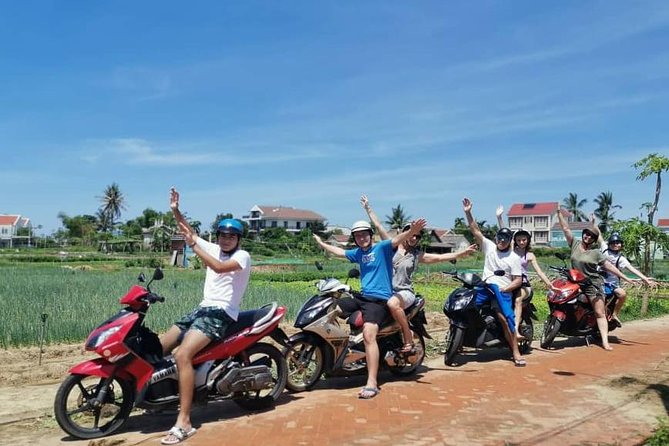
- Central Hoi An pickup to countryside stops with 2-way transfer included
- Professional motorbike drivers so you sit back while you get to smaller lanes safely
- Carpentry village moment, including a chance to carve your name on wood
- Cam Thanh basket boat time followed by purple crab fishing from a bamboo boat
- Mat weaving + rice paper making, with hands-on participation
- A light Vietnamese meal in a local home with bottled water included
Motorbike access: how this half-day stays real
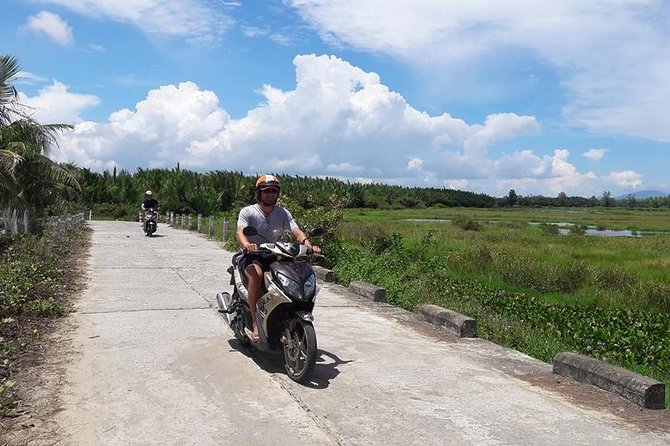
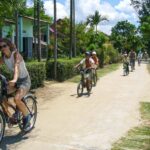
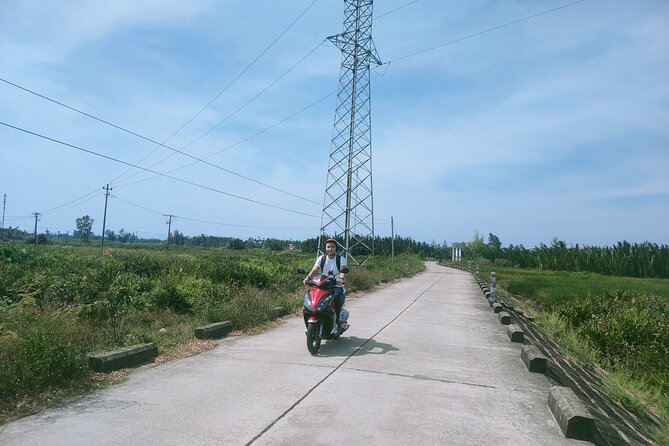
The best part of this tour is the way it uses motorbikes as a tool, not just a novelty. In rural areas around Hoi An, the roads narrow fast. With a larger vehicle, you’d often be stuck parking a distance away. On a motorbike, you get closer to where the work happens—carpentry lanes, village workshops, and waterways—so the countryside feels less like a postcard and more like a place with daily routines.
You’ll ride behind the driver the whole time. That matters. It means you’re not learning to balance on a scooter while also trying to take in the scenery. I’d still suggest you wear something practical (closed-toe shoes, light layers for sun or breeze) because the air can move through the delta and rural roads can be uneven.
The day is structured as a loop: pickup in central Hoi An, several short-but-meaningful stops, then back to your hotel. It’s built for people who want depth without losing the whole day.
You can also read our reviews of more food & drink experiences in Hoi An


The Thu Bon delta pace: what the countryside feels like
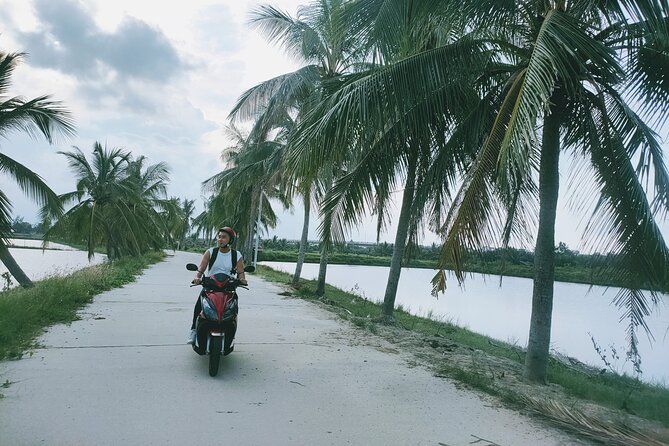
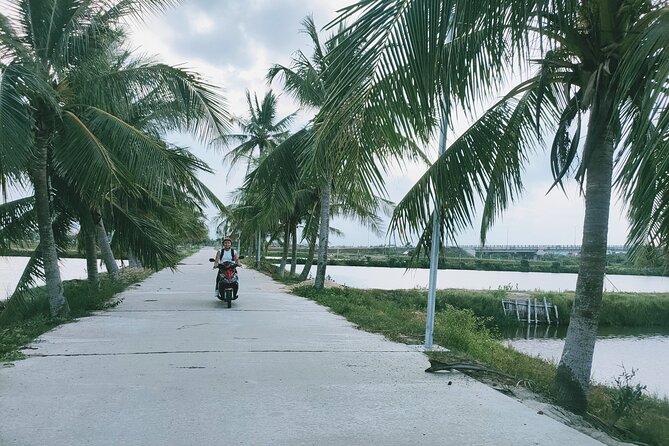
Expect changing scenery: start in town energy, then slowly trade it for river-and-field life. Even when the stops are short, the transitions are part of the point. The motorbike ride gives you that “we’re leaving the map” feeling, where the streets thin out and you start seeing the countryside at working speed.
You’ll also get frequent context from your English-speaking guide. Guides like Tai and Cường are specifically praised for explaining what you’re seeing in a way that doesn’t turn into a lecture. That’s useful, because crafts (and fishing methods) can look simple from the outside. The explanations help you notice details—tools, materials, and the small steps that make the final product possible.
One practical consideration: this tour is weather-dependent. If conditions are poor, you may be offered a different date or a full refund. That’s not a nuisance; it’s the difference between comfortable outdoor time and a day that doesn’t run smoothly.
Kim Bong carpentry village: name carving and old-school technique
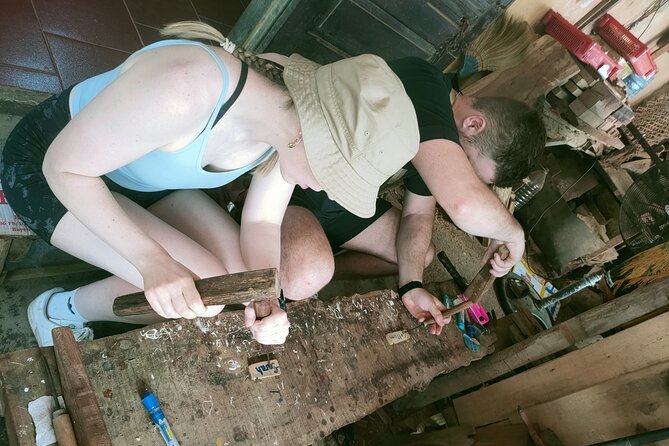
One of the stops centers on traditional woodworking in the area of Kim Bong / Cam Kim. You’re not just looking from the edge—you’ll observe artisans at work, and there’s a chance to carve your name on wood as a keepsake.
Why this matters: carpentry in villages like this is usually learned through repetition and watching, not from a textbook. Seeing the process up close helps you understand why certain techniques stick around. Woodworking also tends to reveal craftsmanship that’s hard to spot in a showroom. You might notice how tools are used for small, specific tasks, and how the rhythm of work shapes the final result.
A drawback to keep in mind: carving your name takes time and attention. If you’re traveling with kids or you want a relaxed pace, go in with the mindset that you’ll spend a few minutes doing something hands-on, not just taking photos.
Still, it’s one of the most tangible souvenirs you can make on a trip to Hoi An—something that connects the countryside to your own visit.
Cam Thanh basket boat + purple crab fishing: hands-on water time
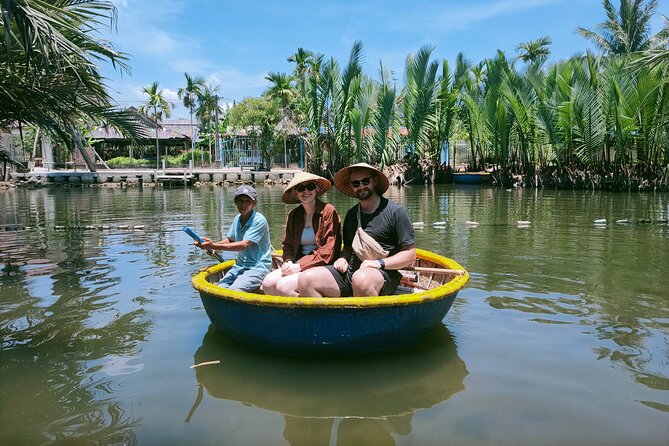
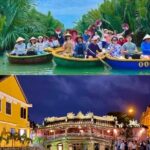
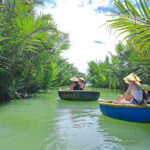
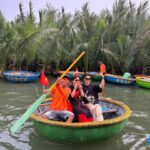
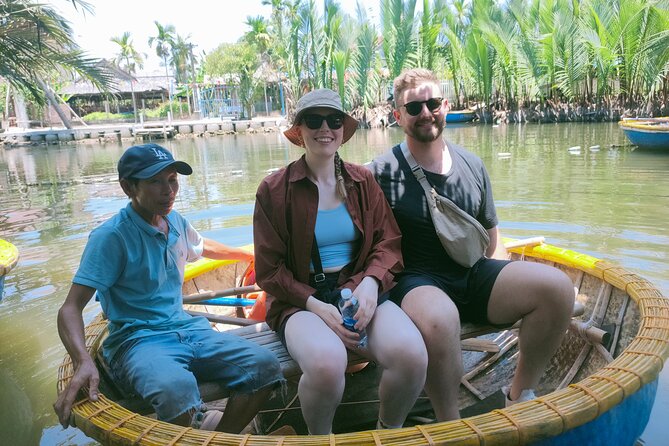
Then the day shifts to water. In Cam Thanh, you’ll ride a basket boat and go fishing for purple crabs from a bamboo boat. This is one of those activities that changes your entire relationship to the landscape. It turns the waterways from scenery into working space.
What to expect from the basket boat: it’s an intimate ride where you can see how the vegetation and channels shape the route. You’re close to the environment, and that helps you understand why local fishing and farming methods are adapted to the delta’s layout.
For the purple crab fishing, the key detail is the setup: you fish from a bamboo boat. That can feel more traditional than modern boats, and it often means you’re working in shallow, practical ways rather than anything high-tech. The guide’s role matters here, because you need the right cues on timing and how to handle the moment.
Practical tip for comfort: dress for being on water (light clothing that can handle splashes, and secure footwear). You’ll likely want to keep your phone and valuables protected.
Also, this part is the most sensitive to conditions. Calm weather makes it easier to focus on the activity. If the day is choppy or rainy, the experience can feel more rushed. That’s why the weather factor is worth respecting.
Mat weaving and rice paper making: crafts you can actually participate in
This is where the tour earns its keep. The experience includes both a mat weaving stop and learning how to make rice paper, and you’re encouraged to participate rather than just watch.
A few more Hoi An tours and experiences worth a look





Mat weaving experience
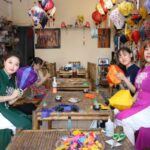
You’ll explore and take part in the mat weaving process with a mat-weaving family. These mats aren’t just decor; they reflect everyday needs and local knowledge about fibers, tension, and getting an even weave. Watching someone work through the steps is one thing. Doing it yourself is another, and that difference is why people remember this stop.
If you like craftwork, you’ll have fun. If you’re not into hands-on activities, treat it as a chance to slow down and see how skills pass through a family. Either way, you’ll leave with a better sense of how rural life produces the materials it depends on.
Rice paper learning
Then comes rice paper, one of the foods that defines Vietnamese cooking. You’ll learn how it’s made—rice paper is one of those products that feels simple until you understand the process. The guide’s explanation helps you connect what you’re doing to what ends up on the table later.
This is also a smart pairing with the meal stop, because it turns your appetite into understanding. You’ll be tasting local dishes after learning how a core ingredient starts its life here.
A small caution: craft time is time you can’t rush. If you get impatient, you might feel the pacing is slower than a sightseeing-only tour. But if you enjoy details, this is the best part of the day.
The local family meal: authentic food in a home setting
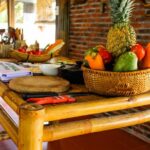
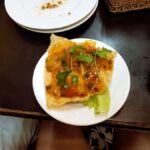
The final phase is food—and not “food as a performance.” You’ll stop at a local home for a light meal featuring special local dishes, and bottled water is included.
What makes this valuable is the setting. A family home gives context to the crafts you just experienced. Rice paper and weaving skills aren’t random side events; they connect to how people live and eat. In the feedback, this meal is repeatedly described as some of the best Vietnamese food people had in the country, which makes sense when you think about how much care goes into a meal prepared for family and neighbors, not a tourist schedule.
What “light meal” means in practice: it may not be a full feast like a restaurant lunch, but it should still satisfy. If you tend to eat big, you might want to have a snack earlier in the day, especially because you’re also active with motorbikes and water time.
One more practical point: because this is at a home, keep your expectations simple and respectful. Ask questions if you want, try what’s offered, and don’t overthink it.
Price and time: why $55 makes sense for what you get
At $55 per person for around four hours, this tour is good value because it bundles a lot of real components:
- Transport included (pickup and return transfer from central Hoi An)
- Driver + motorbike seating for countryside access
- English-speaking guide
- Entrance fees
- Hands-on craft participation (mat weaving and rice paper making)
- A light meal plus bottled water
Most half-day tours in Vietnam can feel like you’re paying primarily for transport and a guide’s narration. Here, your payment also buys access to working villages and the chance to do things yourself—wood carving, weaving, rice paper learning, and crab fishing.
In other words, you’re not just watching. You’re paying for participation and for the structure that makes it happen smoothly in a rural area.
Who should book this Hoi An countryside tour
This fits best if you:
- Want to escape Old Town congestion and see the Thu Bon delta in half a day
- Like hands-on cultural activities (carving, weaving, rice paper making)
- Enjoy food that comes from everyday local life, not just a restaurant stop
- Travel as a couple, family, or small group and want a guided day that stays organized
You might think twice if:
- You’re hoping for a fully sedentary day with zero participation
- You have limited tolerance for bumpy rides, since you sit behind the driver on motorbikes
- You’re only visiting when weather is uncertain—this experience depends on good conditions
Should you book it or pass?
If your goal is a countryside day that feels like you’re meeting real people and trying real skills, I’d book it. The combination of motorbike access, craftwork, water time, and a home meal is a strong use of four hours. It also has good signs of quality in the way guides like Tai and Cường are described—friendly, patient, and good at explaining without making it stiff.
Just go in prepared: dress for riding and outdoor time, expect hands-on work, and don’t plan on it running identically in bad weather. If that sounds like your kind of day, this is an easy yes.
FAQ
How long is the Hoi An countryside discovery tour by motorbike?
It runs for about 4 hours.
What activities are included?
You’ll visit a traditional woodworking area where you can carve your name on wood, take part in mat weaving, learn to make rice paper, ride a basket boat, fish for purple crabs from a bamboo boat, and enjoy a light meal at a local home.
Do you get picked up from central Hoi An?
Yes. Pickup is offered, and the tour includes 2-way transfers direct from your central Hoi An hotel.
How does the motorbike transport work?
You sit behind a professional driver throughout the tour. Bottled water and fuel are included, and you’ll be transported safely during the day.
Is an English-speaking guide included?
Yes, an English-speaking guide is included.
What meal is included?
You’ll have a light meal at a local home with local dishes. Bottled water is also included.
Are entrance fees included?
Yes, all entrance fees are included.
What is included in the price besides activities?
Included items are bottled water, an English-speaking guide, fuel, entrance fees, motorbike riders (you sit behind), weaving sleeping mat and making rice paper, and the light meal.
Is travel insurance included?
Insurance fee is not included.
What fitness level do I need?
The tour requests moderate physical fitness, since you’ll be active across multiple stops and spend time riding and on uneven rural paths.
Is free cancellation available, and what if weather is bad?
Free cancellation is available up to 24 hours in advance for a full refund. If the experience is canceled due to poor weather, you’ll be offered a different date or a full refund.