REVIEW · HOI AN
Hoi An Countryside Bicycle Tour : 25 Km Real Vietnam
Book on GetYourGuide →Operated by Heaven and Earth Bicycle Tours · Bookable on GetYourGuide
Rice paddies by bicycle sounds simple. Then you add boat rides. Now it feels like the real Hoi An countryside, not a postcard. What I love most is the local village pace plus the hands-on craft stops that explain daily life in plain, human terms.
The one thing to consider: it’s a full 9-hour day with plenty of stops, so if you’re hoping for nonstop riding, this is more “slow travel” than “sport.”
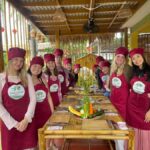
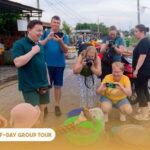
On my day, Tram led the group with excellent English, and her assistant Kein kept everything running smoothly. Small group means you actually hear what’s going on and you’re not lost in the crowd.
In This Review
- Key highlights worth planning for
- Why this 25 km Hoi An ride feels different from typical tours
- Getting started at 7:45 AM: the Thu Bon River boat transfer
- Pedaling through rice paddies and bamboo bridge crossings
- The hands-on craft stops: rice paper, weaving mats, and rice milling
- Boat-building yards and basket boats you can actually test
- Crossings that show how people live on the water and land
- Lunch with a local family: pick chicken, fish, or vegetarian
- The pace, the group size, and why Tram and Kein make it work
- Price and value: is $44 a fair deal for a full day?
- Weather, packing, and comfort tips that actually help
- Who should book this and who should skip it
- Should you book this Hoi An countryside bicycle tour?
- FAQ
- FAQ
- How long is the Hoi An Countryside Bicycle Tour?
- Where do we meet, and what time does the tour start?
- How far do we cycle?
- What’s included in the price?
- What time is the boat portion?
- What does lunch include, and can I choose my meal?
- Are tandem bikes or baby seats available?
- What kind of roads will we ride on?
Key highlights worth planning for
- Thu Bon River boat time that gets you out of town fast and sets the mood
- Rice paper, rice mill, and mat weaving where you see the work, not just photos
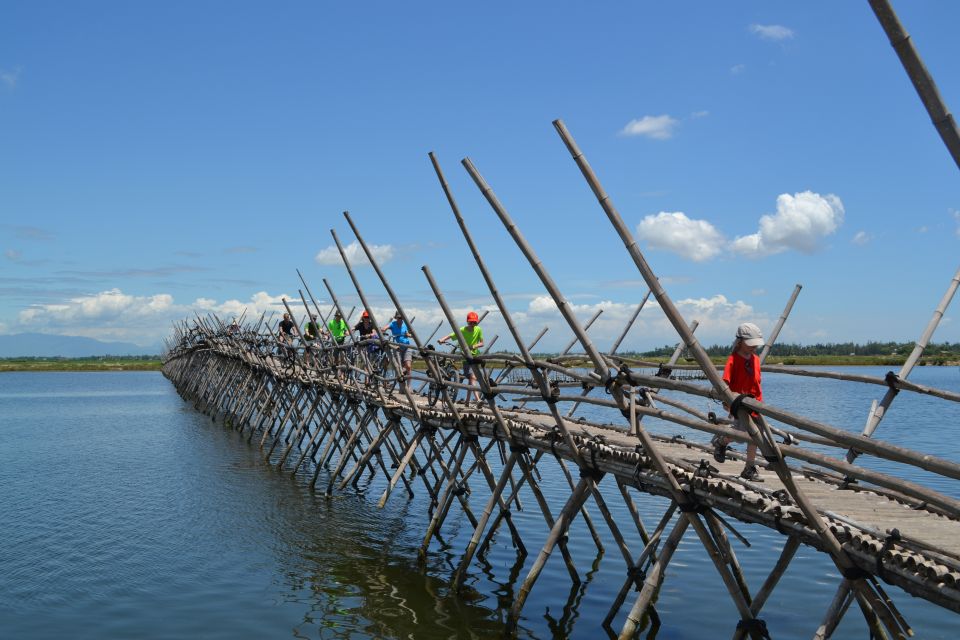
- Bamboo bridge and local ferry crossings that make the day feel properly countryside
- Basket boat building and testing for a hands-on moment most Hoi An tours skip
- Lunch with a local family with real choices: chicken, fish, or vegetarian
Why this 25 km Hoi An ride feels different from typical tours
This isn’t one of those “jump off the bus, take a few pictures, repeat” days. You start early, you head up the Thu Bon River, and then you pedal through working farmland where people live year-round. The mix matters: boat to start, bike through rice fields, and a long stretch of village visits that explain how things are made and why traditions survive.
I also like how the day is built around small details that make Vietnam feel specific. You don’t just hear about rice; you watch rice paper get made, see how rice is processed at a countryside mill, and learn how families handle things like rice wine and household tools. And because the group is limited to 8 participants, you get time to ask questions instead of shouting over the crowd.
You can also read our reviews of more tours and experiences in Hoi An.


Getting started at 7:45 AM: the Thu Bon River boat transfer
Your day begins at the supplier’s office at 61 Ngo Quyen St., Hoi An. You meet at 7:45 AM, and the ride runs as a full circuit back to the same place, ending around 5:00 PM. The early start is part practical, part magical. When you’re moving before the heat gets heavy, the countryside feels calmer, and the river boat ride hits differently.
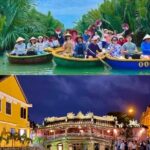
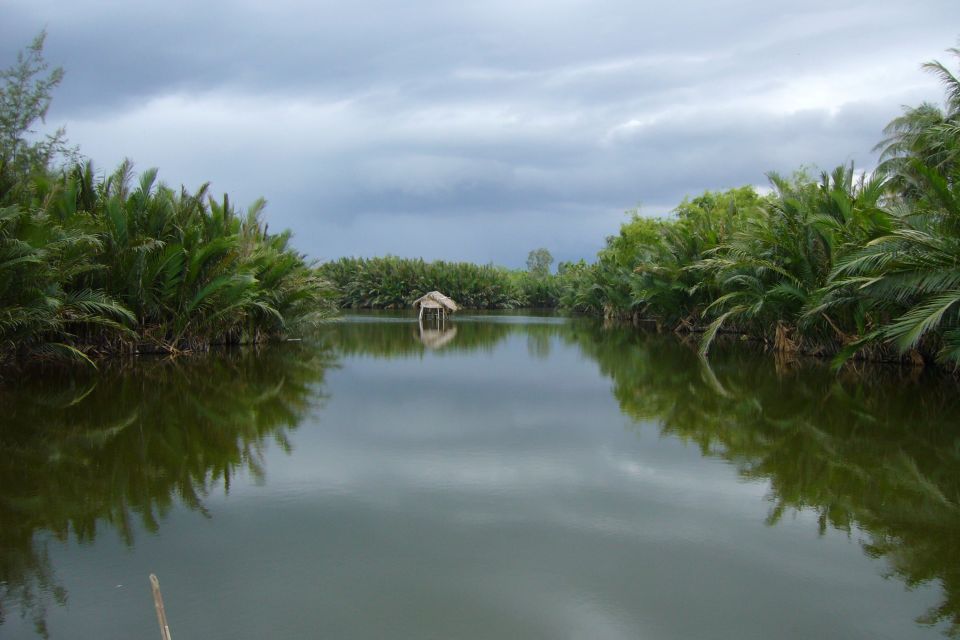
The first big “wow” is the 1-hour boat transfer up the Thu Bon River to a small village in the delta area. You’re not just seated and waiting. This is part of the story: the river is the work highway for the region, and seeing it from water levels makes everything you pedal afterward make more sense.
You’ll also get a chance to ease into the day. You don’t have to “perform” on a bike right away. Then, once you switch from boat to bicycle, you’re ready.
Pedaling through rice paddies and bamboo bridge crossings
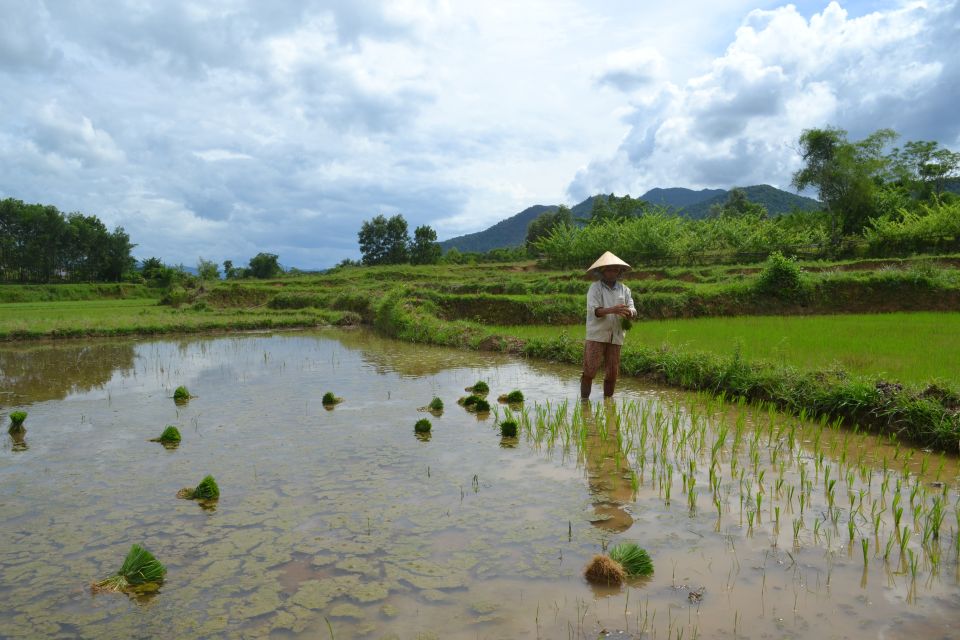
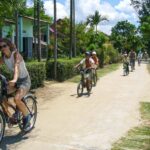
After the boat, the cycling portion follows quiet local rhythms. You’ll ride a loop route and, importantly, the tour avoids using the same roads twice. That matters because it keeps the views fresh and makes the “25 km” feel like more than a single long straight line.
The roads are described as:
- flat
- safe
- small countryside concrete roads
- no traffic riding style
So yes, you still pedal, but you’re not negotiating big intersections or squeezing through buses. You’re moving at a human speed through fields and village edges.
One of the signature moments is the bamboo bridge crossing. It’s short, but it’s memorable in the right way. It’s also a reminder that “countryside crossing” in this region isn’t just walk-across-planks tourism. These connections are part of how farms and homes stay linked.
If you’re sensitive to uneven surfaces, you should still keep an eye out. Bamboo and bridge crossings can feel different underfoot than paved paths. But the route is designed to be manageable.
The hands-on craft stops: rice paper, weaving mats, and rice milling
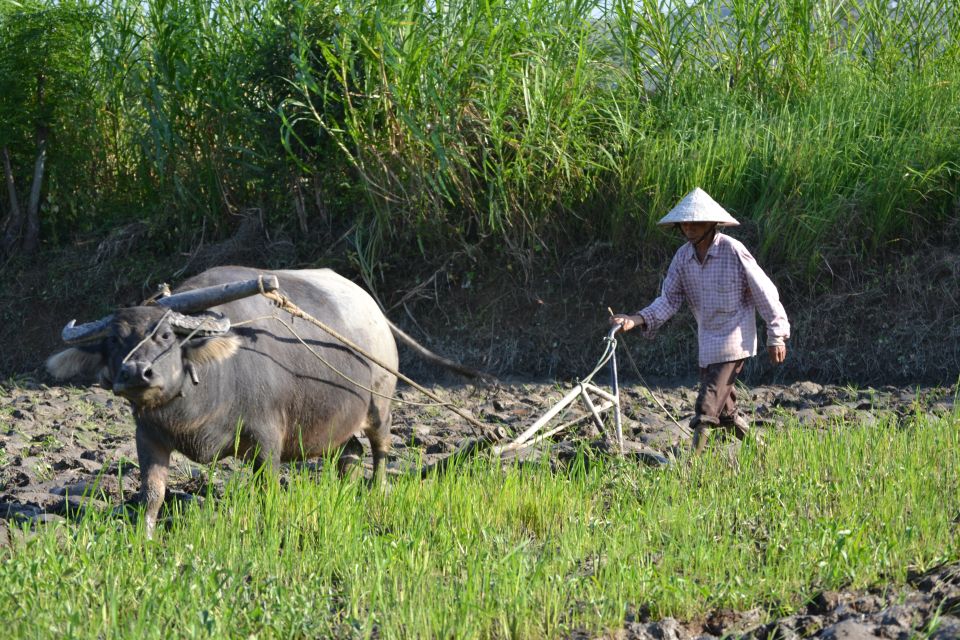
This is where the tour earns its popularity. You’re not only told facts; you’re shown processes. You get stops connected to agriculture and household production, and each one adds a piece to how families work the land.
Here are the craft and food-related highlights you can expect:
- How to make rice paper: You’ll see the steps behind a staple that’s easy to buy but hard to understand without seeing the process.
- A countryside mill for rice: Milling isn’t glamorous, but it’s essential. Watching it gives you a reality check on how much labor goes into basic food.
- How to weave traditional sleeping mats: This is practical craftsmanship, made for daily use.
- Traditional Vietnamese countryside house: The stop helps you understand how homes fit the environment and routines.
What I appreciate is that these stops aren’t performed like museum demonstrations. They feel more like a family explaining what they do, and why it matters. Even when you don’t catch every detail in translation, the rhythm of the work teaches you.
And because the group is small, you get more time around each activity. That means fewer people crowding one station and more chances to ask questions.
Boat-building yards and basket boats you can actually test
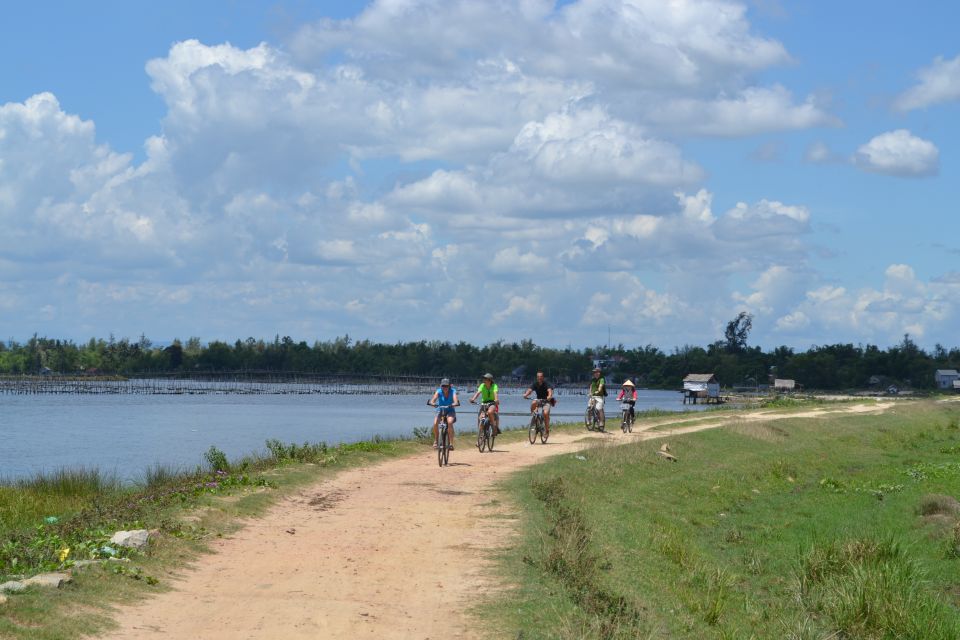
If you want at least one part of the day that feels playful, make sure you leave room for the boat-building experiences. The countryside here isn’t only rice and bikes. There’s also water-based work that shapes local life.
You’ll encounter:
- Traditional boat-building yards
- Basket boat builder
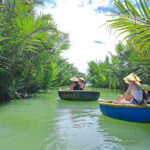
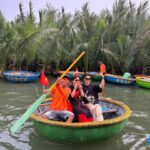
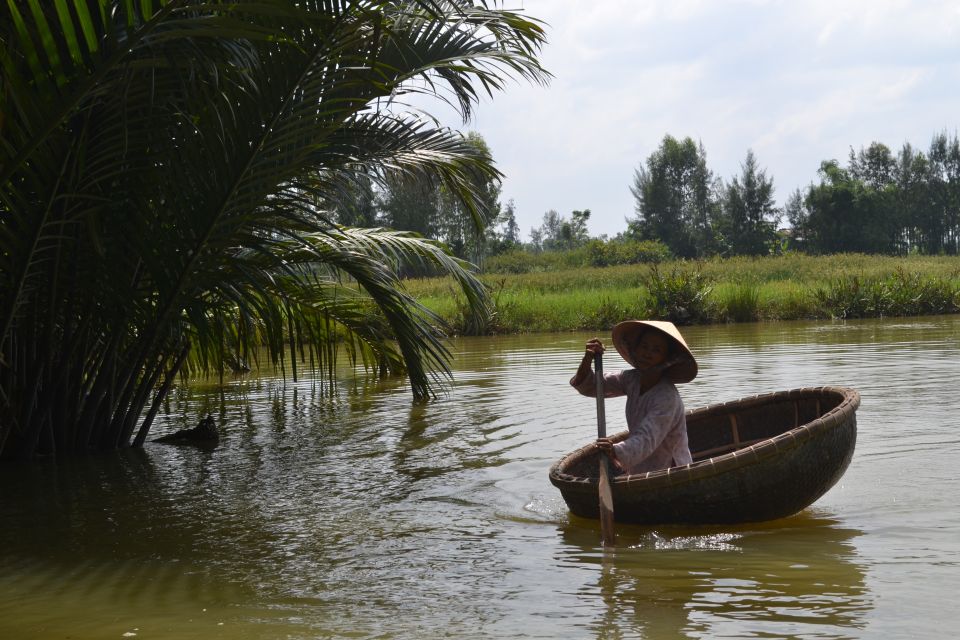
- Testing the basket boat
The basket-boat segment is one of those “only in the countryside” experiences. It’s hands-on enough to be interesting, but it doesn’t turn into a performance you have to master. You’ll likely get guided instructions, and you’ll see how a simple concept becomes a working tool.
This is also a great moment for photos, but I’d recommend putting the phone away for a bit and watching the process. The craftsmanship comes through in movement: how materials are handled, how things are shaped, and how people talk through what works.


Crossings that show how people live on the water and land
The tour includes multiple kinds of crossing, and the variety helps you understand why the delta is tricky. You’re moving between land routes and water routes.
Expect:
- a beautiful river crossing on a local ferry
- crossing a floating bridge when available
- additional 1-hour boat trip on the Thu Bon delta
The floating bridge part depends on local availability, so don’t plan your entire mental schedule around it. If it’s there, it’s a fun, unique snapshot of delta life. If it’s not, you still get the ferry crossing and the longer boat segment, which do much of the same job: they make you feel the geography, not just read about it.
The local ferry crossing also helps break the “bike day monotony.” It resets your legs and gives your brain a new view angle, which is exactly what you want on a day that’s intentionally packed with short visits.
Lunch with a local family: pick chicken, fish, or vegetarian
Lunch is included, served at a local family house. You can choose between chicken, fish, or vegetarian, and you’ll also have water provided.
This lunch stop matters more than most people expect, because it connects the craft and farming talk to real life at home. You’re not just eating after cycling; you’re sitting inside the family rhythm for a meal. In practical terms, it also gives you a safe, predictable reset in the middle of a busy day.
If you have any dietary needs beyond the three listed options, you should plan to communicate with the operator ahead of time. The tour data only guarantees those choices.
The pace, the group size, and why Tram and Kein make it work
This is a small-group tour with 8 participants max, which is exactly the right size for a day full of hands-on stops. You can still move as a group, but you don’t feel like you’re herding cats.
Language support is English or French, and in my experience the key is clarity. Tram’s explanations were engaging and organized, and Kein’s role as assistant was noticeable in the best way: things happened on time, and transitions didn’t drag.
You’ll do lots of short segments: bike riding, walking between stops, listening, watching, maybe trying something small. That’s why good guidance matters. Without it, a day like this can turn into a blur. With a strong guide and assistant, it stays coherent and fun.
The reviews also highlight that the guides bring personality and keep the mood light. Even with serious topics like labor and local production, the day doesn’t feel heavy.
Price and value: is $44 a fair deal for a full day?
At $44 per person, this tour is priced like a budget-friendly “full-day cultural outing,” not a luxury experience. The value comes from the combination:
- Bicycle + helmet included
- Boat transfer (1 hour) up the Thu Bon River
- Another 1-hour boat trip on the delta
- Multiple visits tied to real production (rice paper, milling, weaving, boat-building)
- Lunch at a local family house
- Guide support in English or French
- Water
Many tours sell culture but skip the part where you actually do or see the work. Here, you get several process-based stops that help the day feel “earned,” not staged. Also, since the roads are described as flat and safe without traffic, you’re not paying for discomfort.
The only “cost” I see is time and energy. A 9-hour day with lots of stops isn’t for slow-motion travelers. But if you’re okay with that, the price feels fair.
One more practical note: distance is about 25 km for most months, and 28 km from October to February. That’s still manageable because the route is flat, but it’s worth knowing if you’re planning on your fitness level.
Weather, packing, and comfort tips that actually help
The tour is outdoors for most of the day, so pack for sun and a bit of wind.
Bring:
- sunscreen
- a hat
- sunglasses
And from November to January, plan for a windbreaker. Even in Central Vietnam, mornings can feel cool near water and open fields.
Also, bring a little patience for transitions. During the itinerary, there are many stops for visits. That’s the point of the tour, but it affects your pacing. The bike ride isn’t constant. You’ll hop off, walk, learn, and then ride again.
Who should book this and who should skip it
This tour is a great fit if you want:
- countryside views beyond the tourist core
- active travel without stressful road cycling
- hands-on craft learning
- a real lunch stop with local food choices
It’s also ideal for families, couples, and solo travelers who like a structured day but still want authentic details.
I’d skip it if you:
- hate organized schedules and frequent stops
- want a long, uninterrupted cycling workout
- are only interested in major monuments (this is life-and-work in the delta, not temples-and-tickets)
You can request a tandem bike (limited quantity) or a baby seat for children up to 23 kg, but since requests depend on availability, you should ask early.
Should you book this Hoi An countryside bicycle tour?
If you’re in Hoi An and you want a day that feels genuinely countryside—river, rice fields, crafts, and family life—this tour is a strong yes. The small-group size, the mix of boat + bicycle, and the number of practical craft experiences make the day feel worth your time.
Book it especially if you enjoy learning by seeing processes, not just hearing a lecture. And if you prefer a calm ride on flat, traffic-free roads, you’ll probably be comfortable.
FAQ
FAQ
How long is the Hoi An Countryside Bicycle Tour?
The tour runs for 9 hours, with the active day ending back at the meeting point around 5:00 PM.
Where do we meet, and what time does the tour start?
You meet at 7:45 AM at 61 Ngo Quyen St., Hoi An. The departure is listed as 8:00 AM.
How far do we cycle?
The loop trip is about 25 km (15 miles). From October to February, it increases to about 28 km (17 miles).
What’s included in the price?
The package includes all visits, a boat transfer (1 hour), an English or French-speaking guide, bicycle, helmet, lunch at a local family house, and water.
What time is the boat portion?
You’ll have a 1-hour boat transfer up the Thu Bon River, and you’ll also enjoy a 1-hour boat trip on the Thu Bon delta.
What does lunch include, and can I choose my meal?
Lunch is included at a local family house. You can choose chicken, fish, or vegetarian.
Are tandem bikes or baby seats available?
A tandem bike is available on request (limited quantity). A baby seat is also available on request for children up to 23 kg.
What kind of roads will we ride on?
You’ll ride on small countryside concrete roads that are flat and described as safe without traffic.