REVIEW · HO CHI MINH CITY
Ho Chi Minh City: Coconut/Eggs Coffee Making Class
Book on GetYourGuide →Operated by iO Coffee · Bookable on GetYourGuide
Coconut coffee tastes like Saigon sunshine. In this Ho Chi Minh City class at iO Coffee (Phu My Hung), you get a welcome drink and then learn how Vietnamese specialty coffee works—especially Fine Robusta—before brewing and making your own cups. I love that it’s practical, not just talk. I also like the ingredient angle: fresh coconut paired with Vietnamese filter-style coffee culture.
If you’re not into coffee flavors—bitter, nutty, and strong—this may feel coffee-forward, even though the welcome drink comes from the shop menu. And since the class runs about 2 hours, you’ll leave with a new skill set, but you won’t turn into a master barista overnight.
In This Review
- Key Things to Know Before You Go
- Entering iO Coffee in Phu My Hung: A Relaxed Start
- What You’ll Actually Learn (and Why It Matters in Vietnam)
- Your 2-Hour Flow: From Welcome Sip to Your Own Brew
- Step one: Welcome drink to set your baseline
- Step two: Vietnamese specialty coffee basics with a Fine Robusta lens
- Step three: Brew your own Vietnamese Phin coffee
- Step four: Make coconut coffee with 100% fresh coconut
- Step five: Gifts and a chance to keep the experience going
- Hands-On Brewing Experience: What Makes It Feel Worth $20
- The Staff Style: Friendly Teaching That Doesn’t Talk Down
- What to Expect from the Coconut Coffee Itself
- Specialty Coffee Focus: Fine Robusta Without the Snobbery
- Who This Class Is For (and Who Should Skip It)
- Tips to Get the Most Out of Your 2 Hours
- Should You Book This Coconut/Eggs Coffee Making Class in Ho Chi Minh City?
- FAQ
- Where is the meeting point?
- How long is the class?
- What drinks are included?
- Is the group size small?
- Do I get to brew the coffee myself?
- Who teaches the class?
- What’s the price?
- Are there cancellation options?
Key Things to Know Before You Go
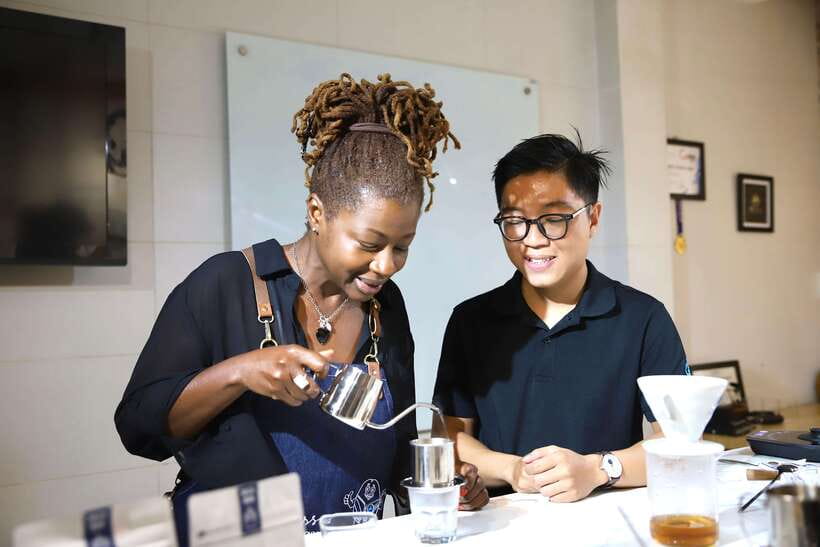
Brew two drinks, including Vietnamese Phin-style coffee
Fresh coconut and specialty coffee pairing, not instant shortcuts
Fine Robusta gets center stage, with context on Vietnamese coffee culture
Small group size capped at 10, so you can ask questions
English and Vietnamese instruction with professional baristas
You get gifts after you craft your coconut coffees
Entering iO Coffee in Phu My Hung: A Relaxed Start
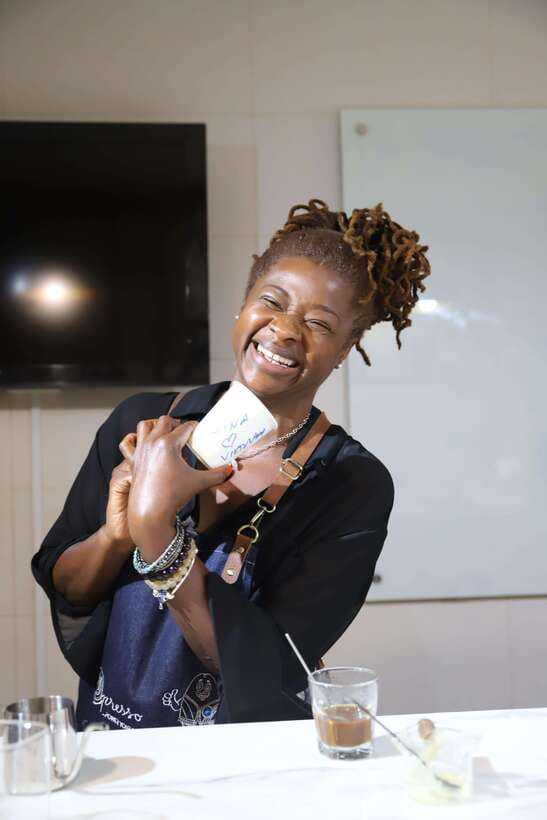
This class is set up for people who want a calm, focused coffee experience rather than a loud, rushed tasting. The meeting point is iO Coffee Phu My Hung, A 205, M7 Midtow—easy to find once you’re in the area and looking for the storefront vibe.
When you arrive, you’ll start with a welcome drink from the menu. That matters more than it sounds. You’re not jumping straight into brewing technique before your taste buds are awake. It also gives you a quick sense of the shop’s style before you start making your own drinks.
The rest of the experience is built around short teaching moments followed by hands-on work. You’ll be guided step-by-step, which is great if you’ve never used a Vietnamese filter method before or you’ve tried coconut coffee and want to understand why it tastes the way it does.
You can also read our reviews of more city tours in Ho Chi Minh City

What You’ll Actually Learn (and Why It Matters in Vietnam)
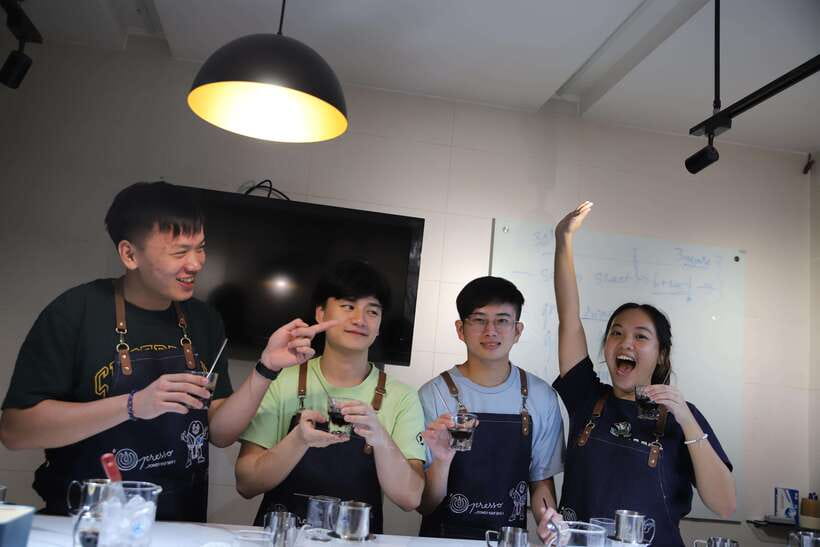
The coffee story here isn’t random trivia. It’s tied directly to what you’ll brew.
First, you’ll explore Vietnamese coffee in a grounded way—history, why specialty coffee has value, and what makes Vietnamese beans and brewing styles different. You’ll also hear about Vietnamese filter coffee and what flavors to expect from Fine Robusta beans. That focus is important because Robusta often gets unfairly treated as the cheaper cousin. Here, the emphasis is on specialty quality, so you learn to recognize what “good Robusta” tastes like rather than dismissing it.
Second, you’ll learn the coconut side of the equation: benefits of coconut and different ways it can be processed. Then you’ll work with ingredients made from 100% fresh coconut. That last detail is the difference between coconut flavor that tastes like something sugary you bought and coconut flavor that tastes like it belongs in a tropical coffee ritual.
Finally, the class connects everything to Saigon coffee culture. You’re not just making drinks. You’re understanding how people in the city think about coffee—what they value, how they pair coffee with local ingredients, and how that shows up in everyday drinks.
Your 2-Hour Flow: From Welcome Sip to Your Own Brew
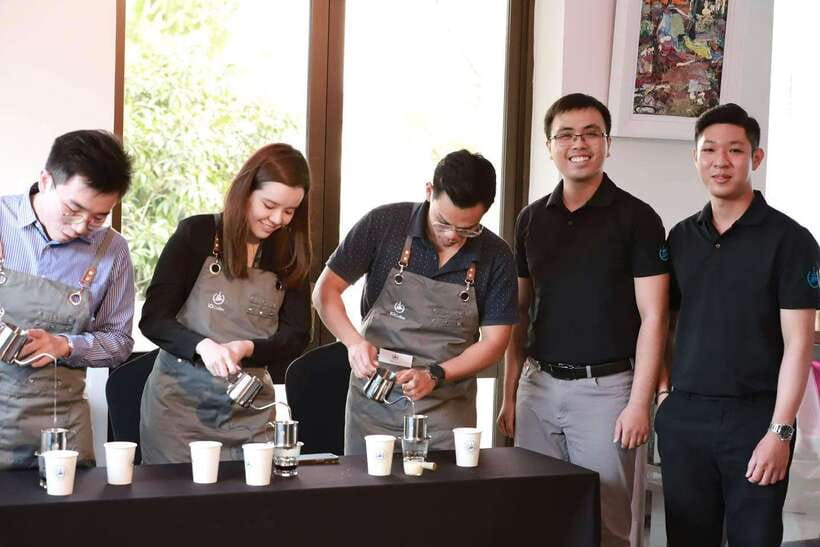
This is a timed class, about 2 hours, and the structure is simple: drink first, teach second, brew and make third.
Step one: Welcome drink to set your baseline
You’ll get any drink from the menu as your welcome. Take a moment before you start listening hard. Notice sweetness, aroma, and how the flavor hits your tongue. That helps you understand what changes when you brew Vietnamese Phin-style coffee and then switch to coconut coffee.
Step two: Vietnamese specialty coffee basics with a Fine Robusta lens
Next comes the learning segment focused on Vietnamese coffee culture and specialty coffee value. The big win here is the direction: instead of generic coffee tips, you’ll get guidance tied to authentic Vietnamese filter coffee and the flavor profile of Fine Robusta.
If you like your coffee strong, this is likely your kind of class. If you’re curious about strong coffee but have never had the chance to taste a specialty version, this is your chance to see how it changes when quality is the focus.
A few more Ho Chi Minh City tours and experiences worth a look
Step three: Brew your own Vietnamese Phin coffee
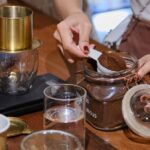
After the teaching, you’ll have the opportunity to brew a cup of Phin coffee yourself. This is where the class becomes genuinely useful. Once you understand how the brewing method works, you can replicate the process later at home or anywhere you can get the right setup.
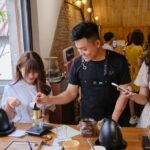
You’ll be guided by baristas, so you’re not guessing. And because the group is small, you’re more likely to get corrections in real time instead of waiting for a demo to end.
Step four: Make coconut coffee with 100% fresh coconut
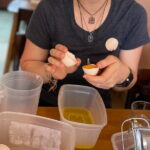
Then you’ll craft your own coconut coffees using iO Coffee’s recipe. You’ll learn their approach to combining coconut processing and specialty coffee brewing, and you’ll use fresh coconut ingredients to build the drink.
This is the part I’d highlight to anyone who loves local flavors. Coconut coffee can taste like a gimmick when it’s made with the wrong ingredients. Here, the point is to treat coconut as an actual flavor ingredient, not just a coating of sweetness.
Step five: Gifts and a chance to keep the experience going
At the end, you’ll receive enticing gifts. I don’t expect gifts alone to be the reason to book, but it’s a nice extra when the class has already done the work of teaching you how to make the drink.
Hands-On Brewing Experience: What Makes It Feel Worth $20
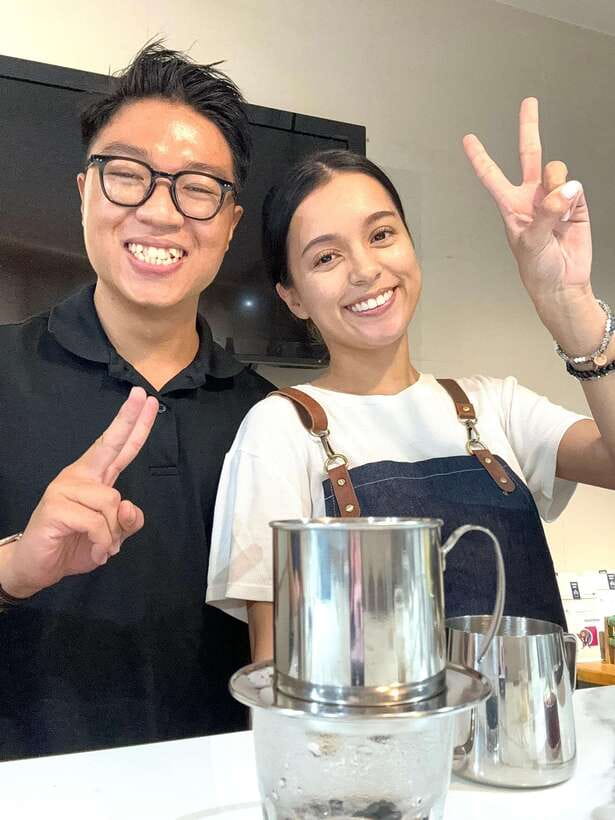
Price is always a sanity check. This class runs about $20 per person for around two hours, and it includes:
- A welcome drink from the menu
- Guided brewing of Vietnamese Phin coffee
- Time to personally craft coconut coffee
- Instruction in English and Vietnamese
- Small group learning (limited to 10 participants)
- Gifts at the end
So where’s the value? It’s in the hands-on portion. When you brew the coffee yourself under guidance, you’re paying for instruction and for the ability to replicate the method. If you only tasted drinks, $20 would be harder to justify. But here you leave with technique, plus a recipe-style experience for coconut coffee.
You also get a tighter learning environment. Small groups (max 10) usually mean fewer people waiting their turn and more chance for practical feedback.
The Staff Style: Friendly Teaching That Doesn’t Talk Down
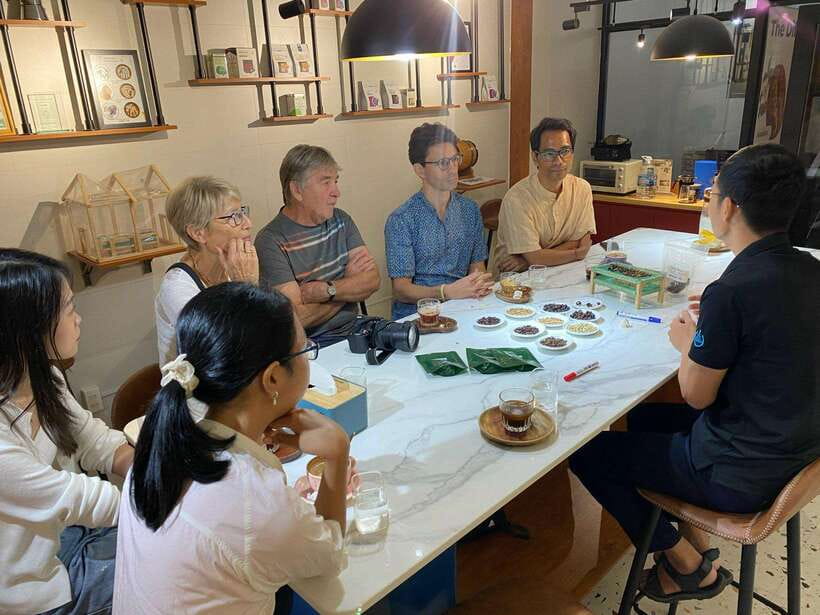
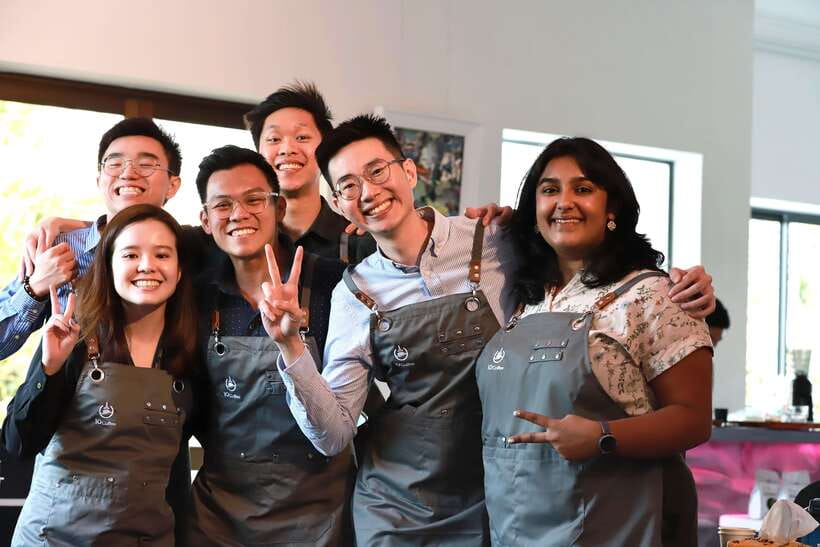
The vibe is calm and welcoming, led by young baristas who know their stuff and actually want you to understand. You’ll notice they’re enthusiastic without being chaotic, and they handle questions in a friendly way instead of rushing you through.
That matters for two reasons:
1) Coffee technique is learnable, but only if you get timely corrections.
2) Specialty coffee can feel intimidating if someone just recites facts at you. Here, the teaching comes with a practical aim: make the drink and understand why it tastes right.
What to Expect from the Coconut Coffee Itself
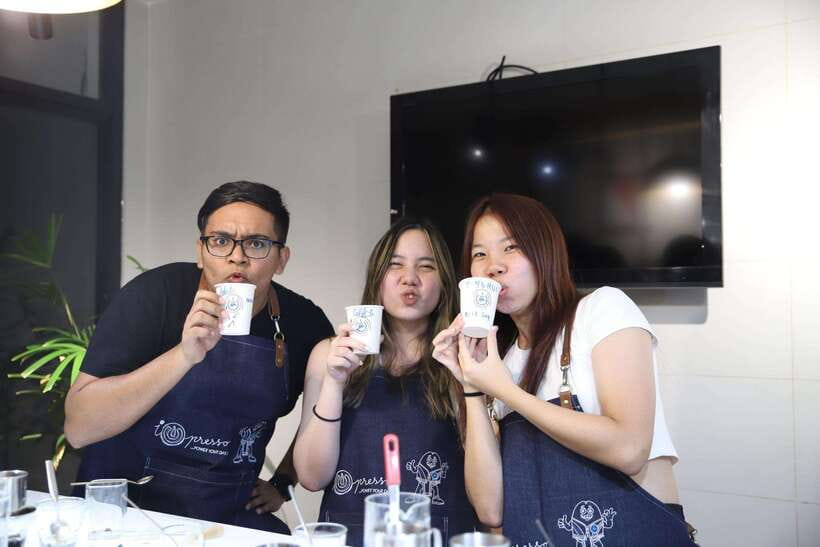
Coconut coffee here is positioned as a refreshing, energizing combination—tropical flavor with coffee energy. That blend tends to work best when coconut isn’t overly sweet and when the coffee base is flavorful and aromatic.
You’ll taste through a guided experience, and you’ll make your own versions afterward. If you’re the type who wants to understand flavor balance—how coconut and coffee play together—this class will likely click quickly.
And because the class mentions coconut processing methods and emphasizes fresh coconut ingredients, you’ll get more than a one-note drink. You’ll learn why different coconut prep methods change taste and texture.
Specialty Coffee Focus: Fine Robusta Without the Snobbery
Let’s talk about the Fine Robusta angle. Robusta isn’t just “strong.” Specialty Robusta can have distinct character, and the class is set up to show you that difference rather than treating it like a cheaper default.
You’ll explore why specialty coffee has value, and you’ll connect that idea to what you’re tasting. In practice, this means you’ll likely leave with a better sense of what “quality” means in a coffee cup—flavor, aroma, and brewing results.
If you already like strong coffee, you’ll probably feel at home. If you’re cautious about heavy coffee flavors, go slow with your tasting and pay attention to the brewing guidance. The class is designed to help you find the balance instead of forcing you to like it immediately.
Who This Class Is For (and Who Should Skip It)
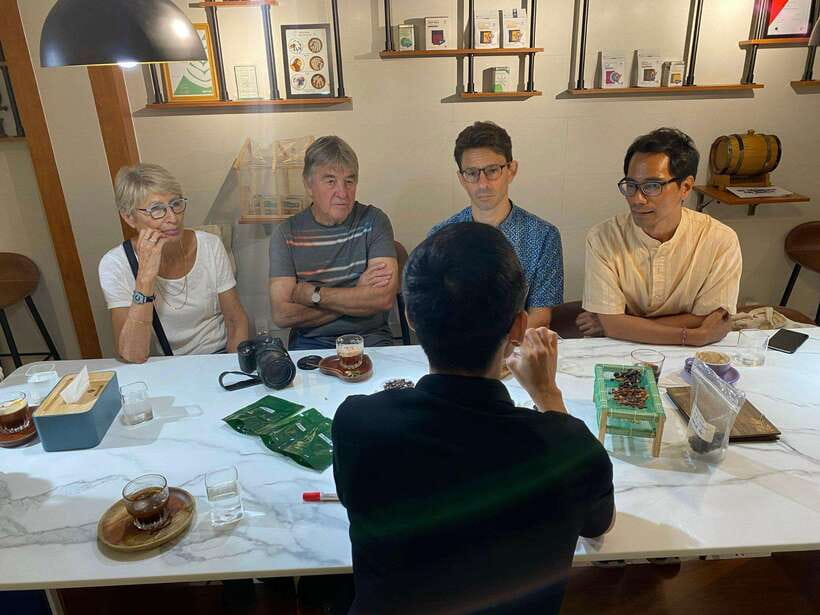
I think this works best for you if:
- You’re in Ho Chi Minh City and want a short, hands-on coffee experience
- You love trying local food and drink techniques, not just sampling flavors
- You’re curious about Vietnamese filter coffee and want to brew it yourself
- You want specialty coffee context, with Fine Robusta as the focus
You might skip it if:
- You want a sightseeing-heavy tour and don’t want a coffee-centered activity
- You don’t drink coffee at all (even with a welcome drink, the class centers on coffee brewing)
Tips to Get the Most Out of Your 2 Hours
These are small things, but they change the experience.
- Ask questions while you brew. Technique is easier to fix while you’re doing it, not after.
- Pay attention to the ingredient shift—from coffee-only to coconut + coffee. That’s where most of the learning happens.
- If you’re sensitive to strong flavors, keep sips slow during the Phin brewing stage and compare taste changes as you go.
Should You Book This Coconut/Eggs Coffee Making Class in Ho Chi Minh City?
If you want a practical, coffee-nerd-but-friendly experience in a small group, I’d book it. At $20 for about 2 hours, including a welcome drink, guided brewing, and fresh coconut coconut-coffee making, the value is in the do-it-yourself part. The focus on Fine Robusta and Vietnamese specialty coffee also makes this more educational than typical drink tastings.
The only reason not to book is simple: if you’re not a coffee person, or you hate strong flavors, the class won’t magically become a non-coffee experience just because it includes coconut.
If you’re on the fence, choose it if your priority is learning to brew and craft—then go home with a skill you can actually repeat.
FAQ
Where is the meeting point?
Meet at iO Coffee Phu My Hung: A 205, M7 Midtow.
How long is the class?
It runs for about 2 hours.
What drinks are included?
You get a welcome drink from the menu, and you’ll learn and enjoy Vietnamese specialty coffee including Vietnamese Phin coffee. You’ll also craft coconut coffee yourself.
Is the group size small?
Yes. The class is limited to 10 participants.
Do I get to brew the coffee myself?
Yes. You’ll have the opportunity to brew a cup of Phin coffee and make coconut coffee with guidance.
Who teaches the class?
Instructors are baristas who speak English and Vietnamese.
What’s the price?
The price is $20 per person.
Are there cancellation options?
You can cancel up to 24 hours in advance for a full refund.