REVIEW · HO CHI MINH CITY
Egg coffee & Course on 4 traditional types of Viet coffee
Book on GetYourGuide →Operated by Provincial Table Compay Limited · Bookable on GetYourGuide
Coffee in Vietnam is a fast way to learn the why.
This hands-on class walks you through four traditional Vietnamese coffee styles with a barista, then you taste your creations while picking up real brewing technique. I especially like how the workshop blends storytelling about Vietnamese coffee culture with practical, step-by-step preparation, and how the drinks spotlight the push-pull between bitter and sweet.
One thing to plan for: there’s a lot of caffeine, so go in fed and expect to taste all four.
In This Review
- Five Things to Know Before You Make Your First Cup
- Egg Coffee Workshop in Vietnam: Four Cups You Can Actually Recreate
- Your Four Cups: What Changes in Each Vietnamese Coffee Style
- Egg Coffee (Cà Phê Trứng Lòng Đỏ): Creamy, Custardy, and Sweet-Heavy
- Condensed Milk Coffee (Cà Phê Sữa Đá): Dark Roast Meets Sticky Sweet
- Sea Salt Coffee (Cà Phê Muối Biển): Salt as a Flavor Engineer
- Coconut Milk Coffee (Cà Phê Cốt Dừa): Smooth, Round, and Slightly Comforting
- The Traditional Drip Method: Technique That Makes the Flavor
- What the Class Covers Beyond the Pour: Coffee Culture in Plain Terms
- Caffeine and Comfort: Practical Tips That Make the 2 Hours Easier
- Price and Value: Why $18 Feels Like a Steal
- Who This Workshop Fits Best (And Who Might Skip It)
- Getting There: Hem 131 and the 4th Building on the Left
- Should You Book This Vietnamese Coffee Workshop?
- FAQ
- How long is the coffee class?
- What four types of Vietnamese coffee will I learn to make?
- What is included in the price?
- Do I need to bring anything?
- Is transportation included?
- Is smoking allowed during the experience?
- Is it suitable for kids or during pregnancy?
- Can I cancel, and what language is the class in?
Five Things to Know Before You Make Your First Cup
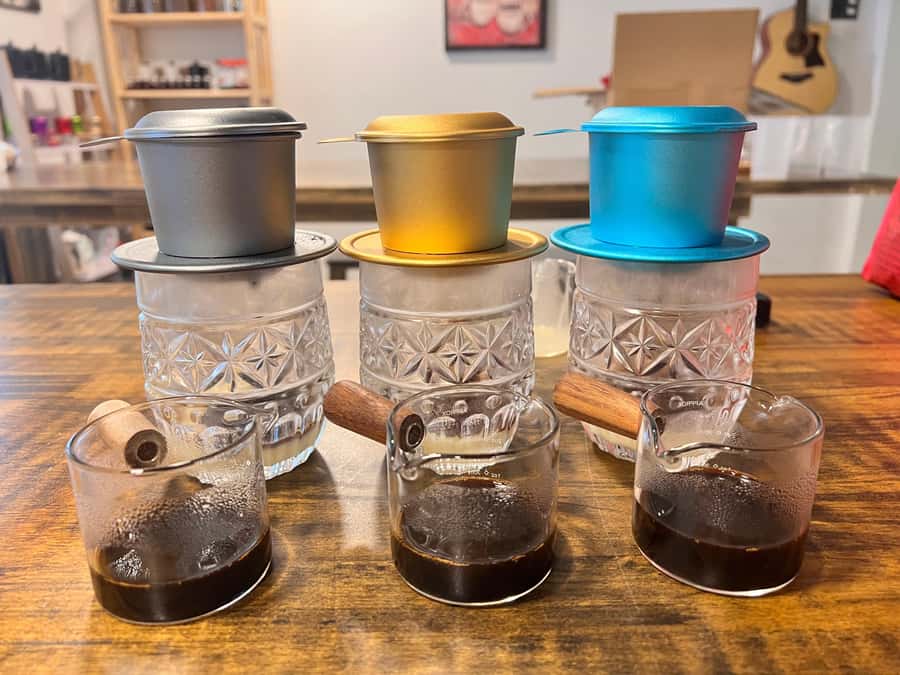
- Four coffees, not one: egg coffee, condensed-milk coffee, sea-salt coffee, and coconut milk coffee.
- Traditional drip technique: you practice steeping and brewing steps, not just watch someone pour.
- Temperature and texture matter: the course emphasizes layered flavor across warm and iced-style cups.
- Small-group feel: you get time for Q&A and guidance while you work.
- English and Vietnamese support: instruction is offered in both languages, making it easier to follow.
Egg Coffee Workshop in Vietnam: Four Cups You Can Actually Recreate
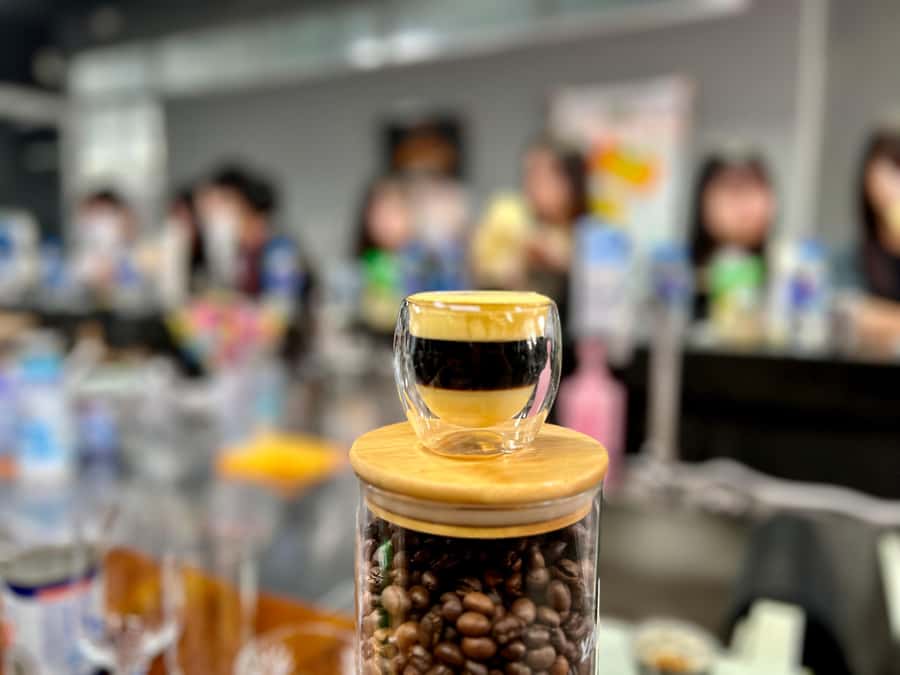
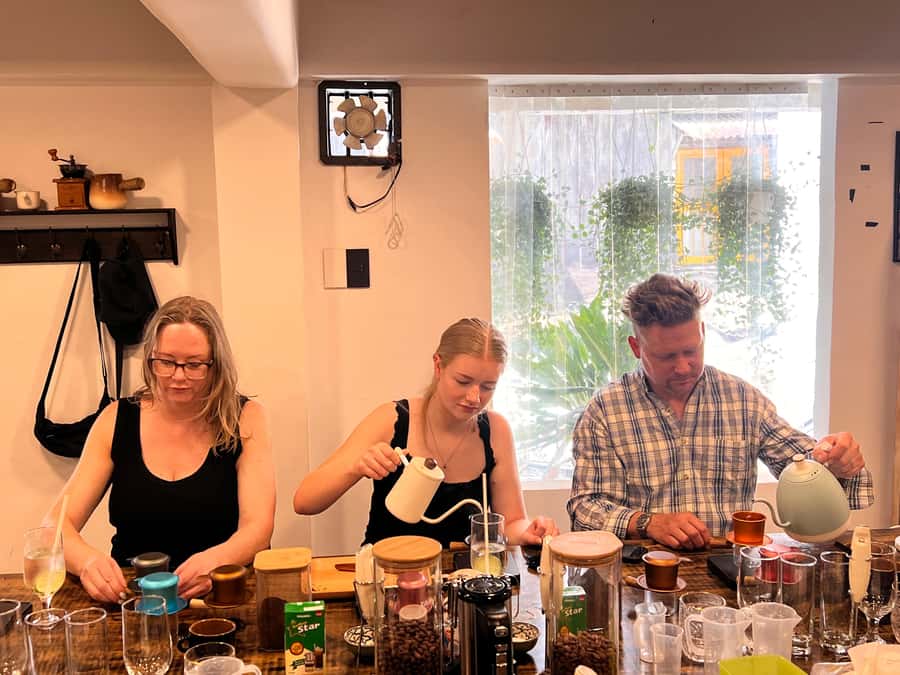
Vietnamese coffee has a reputation for being strong. This workshop is where that idea turns practical. In about two hours, you’ll learn how to brew four different drinks—using traditional drip methods—and taste each one so you can tell what changes when you change ingredients.
You’re not just sampling. You’re learning the process and the logic behind it: how grind, steeping, brewing flow, and sweet ingredients affect bitterness, sweetness, and texture. Then you finish with a Q&A so you can ask what matters to you—like how to get the same balance at home.
And yes, the names are a big part of the fun. You’ll make Egg Coffee (Cà Phê Trứng Lòng Đỏ), Dark Roast Condensed Milk Coffee (Cà Phê Sữa Đá), Sea Salt Coffee (Cà Phê Muối Biển), and Coconut Milk Coffee (Cà Phê Cốt Dừa). You’ll also see how each one tastes when it’s built for contrast—creamy versus sharp, sweet versus bracing, warm versus chilled.
A few more Ho Chi Minh City tours and experiences worth a look
Your Four Cups: What Changes in Each Vietnamese Coffee Style
Each drink here is like a different answer to the same question: how do you want your coffee to feel?
Egg Coffee (Cà Phê Trứng Lòng Đỏ): Creamy, Custardy, and Sweet-Heavy
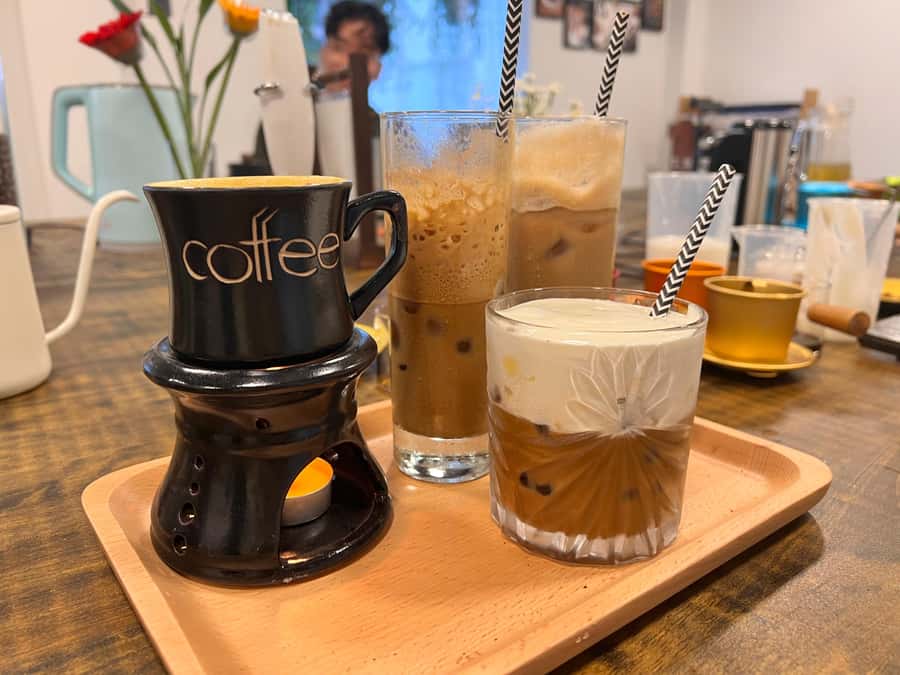
Egg coffee is the showpiece for many first-timers, and this class treats it with the respect it deserves. The core idea is texture: you get a thick, custard-like sweetness that softens coffee’s bitterness.
What I like about learning it in a workshop is that you don’t just hear it described—you taste it after you’ve built it. That makes it easier to understand why the drink pairs so well with darker coffee profiles.
Condensed Milk Coffee (Cà Phê Sữa Đá): Dark Roast Meets Sticky Sweet
This one is all about comfort and contrast. Condensed milk rounds off the coffee and brings a deeper sweetness, which changes the way the roast reads on your tongue.
As you make it, you’ll see how the brew’s strength affects the final balance. Too light and it tastes thin; brewed well and it lands as bold but not harsh.
Sea Salt Coffee (Cà Phê Muối Biển): Salt as a Flavor Engineer
Sea-salt coffee sounds weird until you taste it. Then it makes sense: a little salt doesn’t make the coffee taste like soup. It sharpens and highlights the sweet notes, while making the bitter tones feel cleaner and more intentional.
In this class, sea-salt is often a favorite because it feels sophisticated without being complicated. You’ll learn what you’re aiming for, so you’re not just sprinkling and hoping.






Coconut Milk Coffee (Cà Phê Cốt Dừa): Smooth, Round, and Slightly Comforting
Coconut milk shifts the drink into creamy territory again, but with a different character than egg or condensed milk. It tends to feel smoother and more aromatic, and it changes how the coffee aroma comes through.
This is where you’ll really start noticing texture differences across the four styles. If you’re the type who enjoys comparing drinks side by side, this part hits.
The Traditional Drip Method: Technique That Makes the Flavor
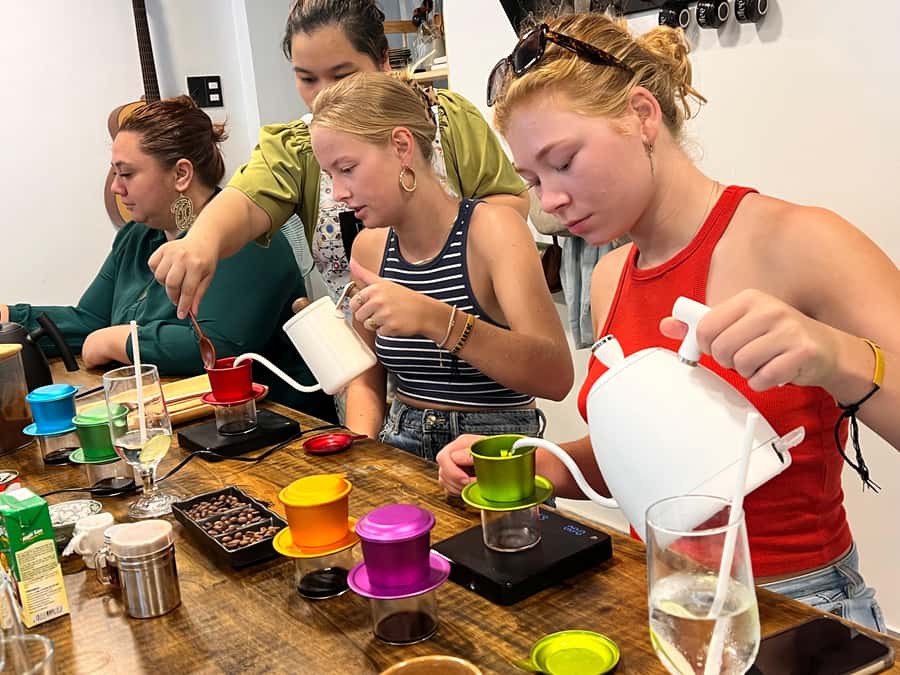
Most coffee experiences in Vietnam focus on the result. This one focuses on how you get there.
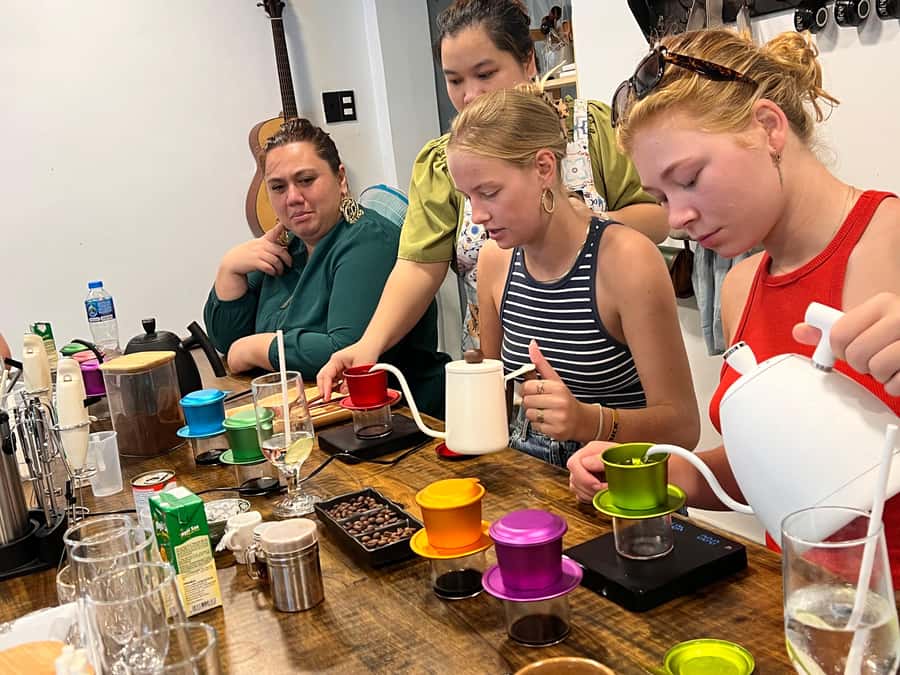
You’ll practice steeping and brewing the perfect cup using traditional drip steps. That matters because Vietnamese coffee can taste very different if the brew is rushed or uneven. Slow, controlled extraction helps develop bitterness and sweetness in a more balanced way.
You’ll also learn technique and presentation. That’s not just about looks. When the coffee is layered correctly and served at the right temperature, you taste distinct phases: aroma up front, flavor mid-sip, and sweetness/bitter balance at the finish.
And because you’re making four versions back to back, you’ll quickly connect cause and effect. Change one part—sweetener style, texture add-ins, or the way the coffee is prepared—and the entire personality of the cup changes.
What the Class Covers Beyond the Pour: Coffee Culture in Plain Terms
The course doesn’t stop at technique. You get a walkthrough of the history and cultural significance of coffee in Vietnam and how coffee became part of daily life.
The value here is that the facts help you taste better. When you understand why these drinks became common—why condensed milk, why specialty blends, why specific flavor balances—you’re not treating each cup like a novelty. You’re treating it like a local craft.
You’ll also hear about evolving coffee culture in Vietnam during the wrap-up discussion. That piece is useful if you’re trying to understand what you’re seeing in cafés outside the class, from classic orders to more modern trends.
And if you get a host like Sarah or Anna (names mentioned in the experience feedback), you’ll likely notice the teaching style is interactive and friendly. The class aims to be fun, not stiff.
Caffeine and Comfort: Practical Tips That Make the 2 Hours Easier
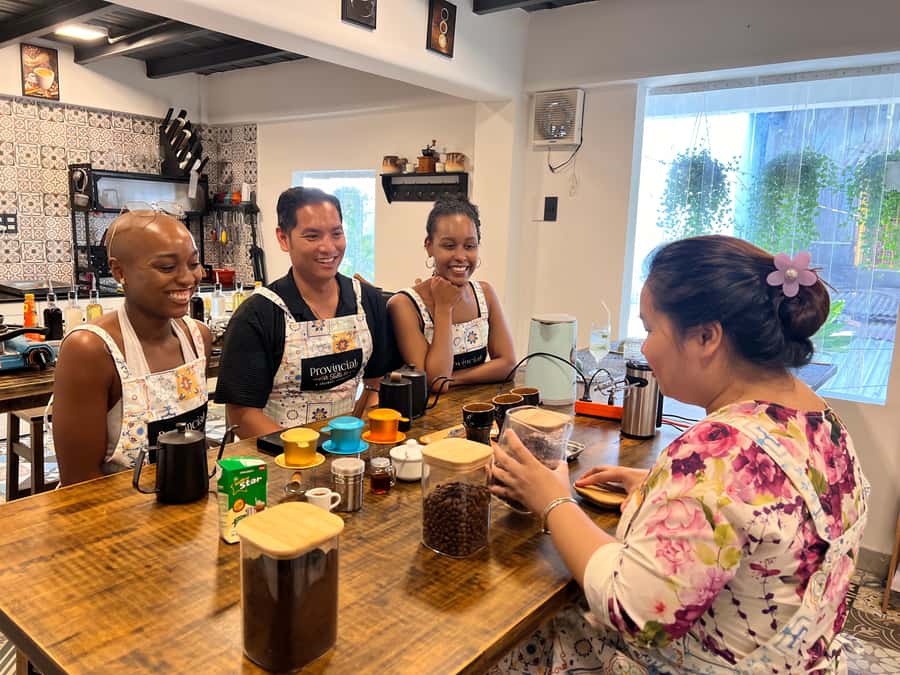
Let’s be honest: you’re going to drink a lot of coffee.
The instruction notes specifically warn that there’s lots of caffeine. You’ll be happier if you eat something before you start and avoid pre-loading with coffee beforehand. If caffeine hits hard, the best move is to pace yourself during tastings rather than powering through.
Here’s what to do before you go:
- Bring comfortable shoes. You’ll be standing and working at a hands-on setup.
- Bring water. Keep it nearby so you can reset between tastings.
- Bring a camera if you care about capturing the layered look of the drinks.
Also, smoking isn’t allowed. If you’re a smoker, plan a workaround before class starts so you don’t feel stuck.
Price and Value: Why $18 Feels Like a Steal
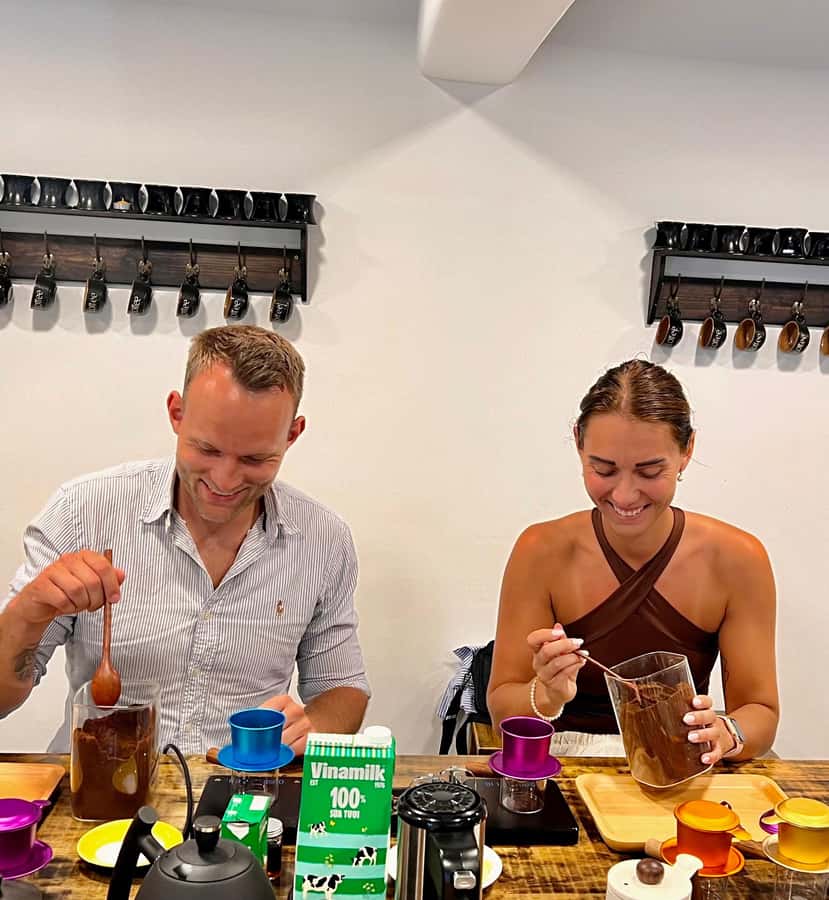
At $18 per person for a 2-hour workshop, the value comes from what’s included—not just the price tag.
You get:
- Head barista guidance
- All necessary coffee-making equipment
- Tasting of four Vietnamese coffee styles
- A Q&A session
- Gratuity included
- Vegan options available upon request
That combination is the key. You’re paying for hands-on instruction, not just a tasting flight. Equipment and guidance matter because Vietnamese coffee depends on technique. If you tried to copy these drinks without practice, you’d miss the subtle parts that make them taste right.
And because it’s a short, structured session, it’s easy to fit into a travel day. You don’t need a full morning off, and you don’t need to hunt down ingredients later on day one.
Who This Workshop Fits Best (And Who Might Skip It)
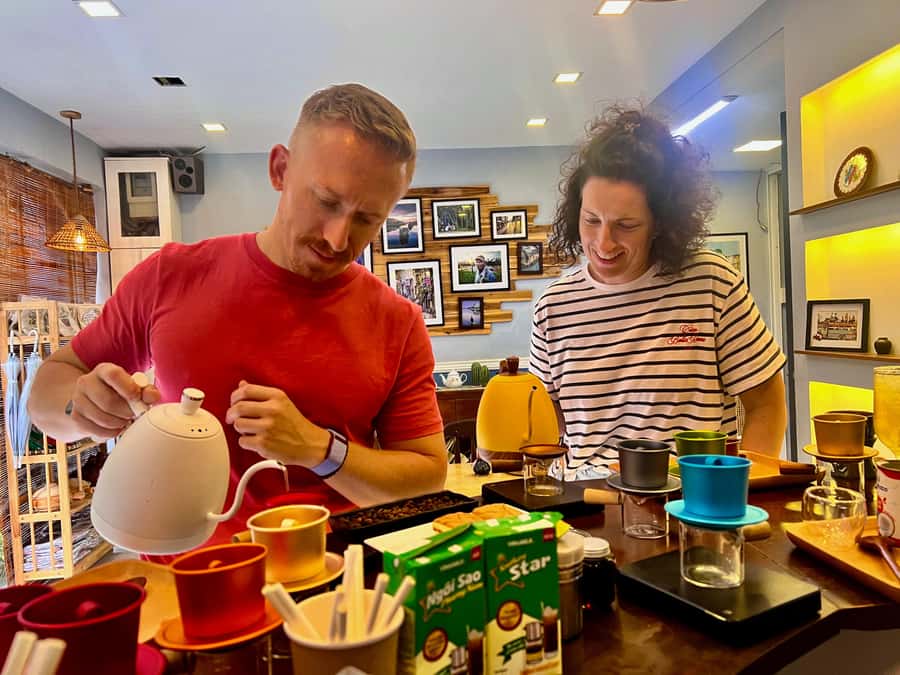
This experience is a great match if you want one of the more hands-on parts of Vietnam. If you enjoy food workshops, want to learn by doing, and like comparing flavors in a controlled way, you’ll probably have a blast.
It’s also ideal if you’re curious about how Vietnamese coffee balances bitter and sweet notes and how textures change across egg, condensed milk, sea salt, and coconut milk.
On the other hand, the experience isn’t suitable for:
- Children under 5 years
- Pregnant women
- People with back problems
So if any of those apply, skip it and look for a lighter café experience instead.
Getting There: Hem 131 and the 4th Building on the Left
Logistics are simple, but you need the right starting point.
You’ll start at the meeting location near Hem 131. If you’re using transportation, you’ll most likely be dropped off at the start of Hem 131. From there, walk down the corridor and look for the 4th building on the left.
The class ends back at the meeting point, so you’re not left wandering after your last sip.
Should You Book This Vietnamese Coffee Workshop?
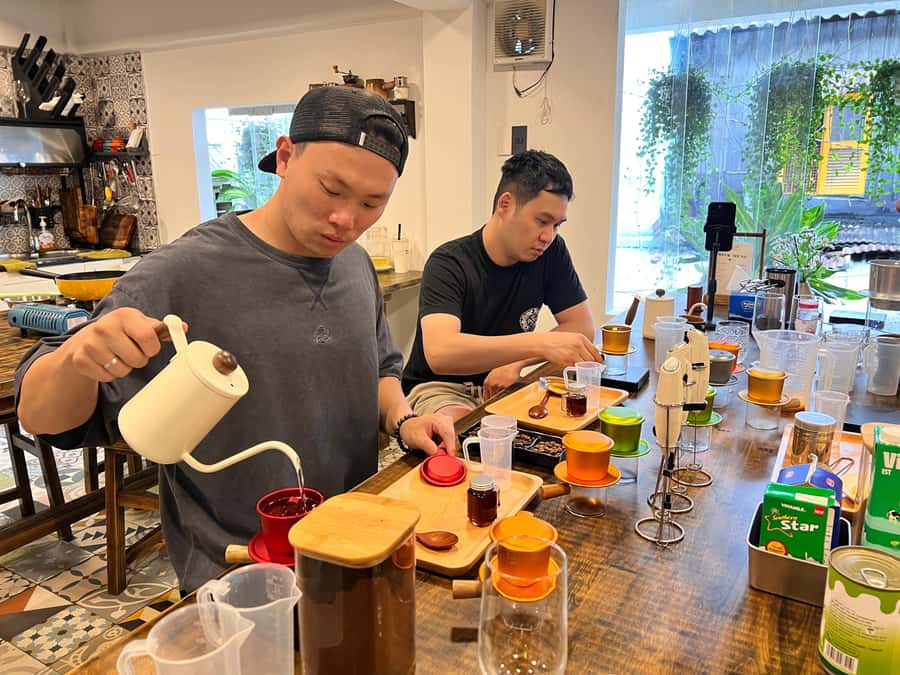
Book it if you want a souvenir you can actually use. These aren’t just drinks you taste once; you learn how to make them using traditional drip steps, and you leave with enough understanding to reproduce the balance at home.
You should also book if you like structured, interactive experiences. The setup is designed so you can follow along, make the coffees, taste them, and ask questions—so the session doesn’t become a lecture.
I’d skip it only if caffeine is a deal-breaker for you, or if you know you won’t be able to stand for a hands-on session. Otherwise, this is one of the most practical ways to experience Vietnamese coffee in a short time.
If you want, tell me which city you’re in and your travel dates, and I’ll suggest a simple half-day plan around this class so it fits smoothly with the rest of your time in Vietnam.
FAQ
How long is the coffee class?
The duration is 2 hours. You’ll need to check availability for the starting times.
What four types of Vietnamese coffee will I learn to make?
You’ll learn egg coffee (Cà Phê Trứng Lòng Đỏ), dark roast condensed milk coffee (Cà Phê Sữa Đá), sea salt coffee (Cà Phê Muối Biển), and coconut milk coffee (Cà Phê Cốt Dừa).
What is included in the price?
The price includes barista guidance, all necessary equipment, tastings of the four coffee styles, a Q&A session, gratuity included, and the four varieties of traditional Vietnamese coffees. Vegan options are available upon request.
Do I need to bring anything?
Bring comfortable shoes, a camera, and water.
Is transportation included?
No. Transportation to the venue is not included.
Is smoking allowed during the experience?
No. Smoking is not allowed.
Is it suitable for kids or during pregnancy?
It’s not suitable for children under 5 years. It’s also not suitable for pregnant women.
Can I cancel, and what language is the class in?
You can cancel up to 24 hours in advance for a full refund. The class is taught in English and Vietnamese.