REVIEW · HANOI
Hanoi – Sapa 3 Days – 2 Nights Trekking with With the locals
Book on Viator →Operated by Travel New Land · Bookable on Viator
Sapa villages are best on foot. This Hanoi–Sapa 3-day, 2-night trek with local Hmong guidance is built for small groups, and it blends classic Sapa village names with quieter trails; I really liked the small-group pace and the way guides share everyday ethnic culture rather than just pointing at scenery. One possible drawback: the hikes can be steep and slick in places, so you’ll want proper shoes and you should expect a real workout.
What I also appreciate is how the trip keeps your budget calm. Entrance fees, transport, meals, and travel insurance are wrapped in, and the main thing you have to think about is drinks during meals, which aren’t included. You’ll get one night in a 3-star hotel in Sapa town plus one night in a homestay, so you’re not choosing between comfort and authenticity.
The trade-off is timing. Day 3 ends with a long return to Hanoi, landing you back around 10:00–10:30 pm, so plan for a slower next day. If you hate night travel, that’s the main thing to weigh before you book.
In This Review
- Key points I’d plan around
- Hanoi to Sapa by VIP cabin bus: the timing you’ll feel
- Why small-group Hmong guiding matters on village treks
- Day 1: Cat Cat village walk and your Sapa hotel reset
- Day 2: Y Linh Ho to Lao Chai to Ta Van, with real trekking expectations
- Day 3: Giang Ta Chai and Su Pan, then the late return to Hanoi
- Meals, cooking class, and homestay: where your money really goes
- Hotel choice and the one caution I’d take seriously
- What to pack for slippery trails and steep climbs
- Value for $130: what’s included versus what you’ll spend anyway
- Who should book this Hanoi–Sapa trekking tour with locals
- Should you book this tour?
- FAQ
- How long is the Hanoi to Sapa trek?
- Is transportation between Hanoi and Sapa included?
- Where is the pickup or meeting point in Hanoi?
- What meals are included?
- Do I stay in a hotel and a homestay?
- Is a guide included?
- How big are the groups?
- Is the trekking easy?
Key points I’d plan around
- Small group size (about 10 travelers max) means you can set a trekking pace that actually fits your legs.
- Local Hmong guides help turn village stops into cultural context, not just photo ops.
- Homestay night plus hotel night gives you both village life and a practical reset.
- Included meals and travel insurance reduce the usual Sapa add-on costs.
- Steep, slippery trail conditions can be the make-or-break factor for comfort and safety.
Hanoi to Sapa by VIP cabin bus: the timing you’ll feel

The trip starts with a morning transfer from the Old Quarter meeting point at Ly Thai To (Hà Nội Văn phòng Xe G8 Open Tour). You’ll usually leave around 06h00–06h30, then ride about 5 hours to Sapa. That early start matters because it sets the rhythm for the whole trek: you’re already moving before breakfast in the long-haul sense, even if the day still includes time to settle once you arrive.
After you reach Sapa (around 13h00–13h30), you’re moved from the bus station to your hotel. Lunch happens at the hotel restaurant first, then you check in. This is smart planning. You don’t land, wander, and then immediately start climbing. You get a real base before the first village walk.
One more timing detail: the ride back to Hanoi on the last day is long, and it’s listed as arriving back around 10:00–10:30 pm. It’s not a quick hop. If you’re sensitive to late arrivals, treat this as a reason to keep your next day light.
You can also read our reviews of more hiking tours in Hanoi

Why small-group Hmong guiding matters on village treks
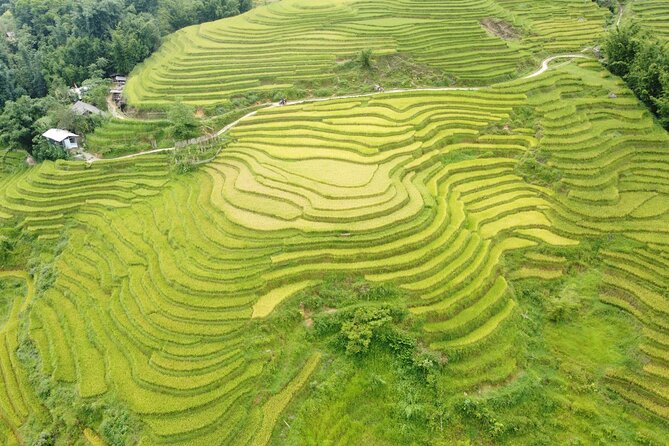
This trek is guided by local H’Mông (Hmong) guides, and the big value is how they frame what you’re seeing. The goal isn’t to rush through a few landmarks. It’s to explain customs and everyday stories—how people live, work, and celebrate—while you walk between villages.
You also benefit from the group size being kept small (the info states a cap of about 10 travelers, and the tour description also talks about a maximum around 12). In plain terms: with fewer people, your guide can slow down for questions, adjust the pace, and help you handle terrain. That matters when you’re switching between paths, stairs, and uneven ground.
I also like that the itinerary is built so you can personalize it a bit. The tour description says you can adjust trekking pace and add or remove stops based on interests and fitness level. Even if the exact adjustment depends on the day’s conditions, the intention is clear: you’re not stuck in a rigid line that moves no matter what.
Day 1: Cat Cat village walk and your Sapa hotel reset
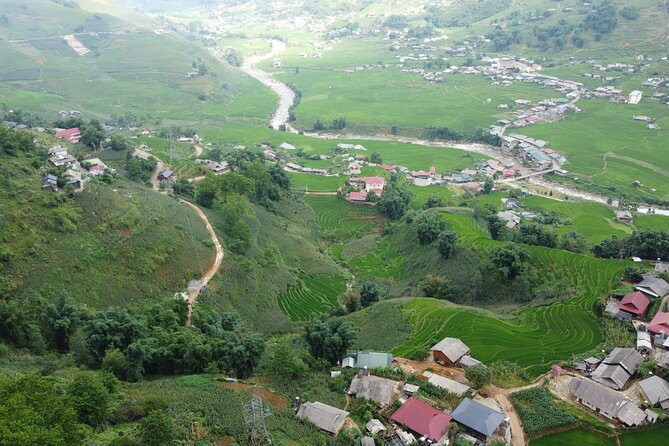
Day 1 is the gentle intro to the whole experience. After the bus ride and hotel check-in, you have lunch, then the afternoon visit starts with a walk to Cat Cat village. The schedule lists about 2.5 hours for getting to the village area and then around 3 hours for the village visit experience.
Cat Cat is a classic name in the Sapa region, but what makes this stop feel useful is the focus on the Hmong community and their habits. You’re not just checking buildings and bridges. You’re learning how daily routines connect to the landscape you’re moving through, and you get time to see the village at walking speed.
Practical note: since this is your first walking day, it’s also a great time to test your footwear and your posture on slopes. If your shoes slip, tighten the laces before you regret it later.
Then you return to Sapa town for a proper night in a 3-star hotel. This is more than comfort. It helps you recover from Day 1 so Day 2 doesn’t feel like a shock.
Day 2: Y Linh Ho to Lao Chai to Ta Van, with real trekking expectations
Day 2 is where the hike becomes the main event. You’ll have breakfast at the hotel (about 07h00–08h00), then check out and leave your luggage at the hotel. You hike with a smaller day bag containing essentials. That sounds minor, but it’s a huge quality-of-life upgrade. Light bag means less strain and less stuff to keep track of on uneven trail.
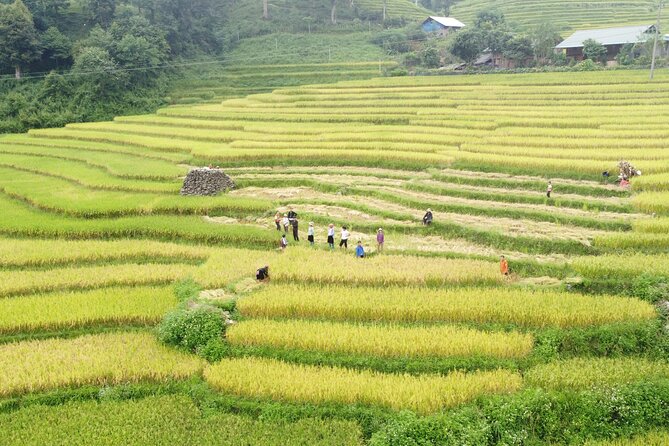
The walk starts with trekking to Y Linh Ho around 08h15. From there you head to Lao Chai, listed at around 10h30 and about 6 km from Sapa town. Lao Chai is home to Black Hmong and Red Dao ethnic groups, and the cultural value here is the variety of communities living in the same mountain world. You’re walking through geography that shaped livelihoods, not just passing through a scenic area.
Then you move on toward Ta Van village, listed for around 12h00. Ta Van sits in the Hoang Lien Son mountain range area, and the tour description frames it as extremely scenic. This is often the point where trekkers feel the shift: you’re no longer in the outskirts views. You’re in the village rhythm, and the day changes from sightseeing to walking with village life.
Here’s the key expectation to plan around: the trek is not an easy stroll. One of the clearest cautions in feedback is that it includes a lot of uphill and downhill, and some sections can be glossy or slippery. If that’s your first time trekking in the mountains, you’ll want to move slower than your normal walking pace and let your footing lead.
Also, because you’re doing multiple village stops in one day, you’ll enjoy it more if you keep your goal simple: walk, look, listen, and take breaks when your guide suggests them. This isn’t a day for racing.
Day 3: Giang Ta Chai and Su Pan, then the late return to Hanoi
Day 3 starts with breakfast at your homestay, listed around 08h30am, then check-out. Your morning continues with visits to Giang Ta Chai village and Su Pan / Supan village (the names appear as Su Pan and Supan in the info, but they refer to the same stop in the route). The schedule gives about 3 hours for these village visits.
This is a good time to connect the dots from Day 2. By now, you’ve seen multiple communities and different village layouts. So the second day’s cultural context turns into understanding: how people choose locations, how paths link homes, and why daily routines look the way they do.
After the village visits, you have lunch at a local restaurant around 12h30pm. Then the group returns to Sapa town by bus, and you get about 1 hour to walk around Sapa town. It’s brief, but it helps you swap trekking clothes for a clean reset and grab whatever you forgot earlier.
Finally, you start the ride back to Hanoi, listed at 10h00–10h30pm. This is the end of the tour, and you’ll be dropped at the bus station, returning to your hotel on your own.
A few more Hanoi tours and experiences worth a look



Meals, cooking class, and homestay: where your money really goes
The package is set up as all-inclusive for most of the big pieces. You’re told that entrance fees, transportation, meals, and travel insurance are included, with no hidden charges. In practice, you’ll see this in the meal schedule:
- Breakfast (2)
- Lunch (3)
- Dinner (2)
Drinks during meals aren’t included, so if you want tea, water, or anything else beyond what’s offered, budget for that.
The homestay also deserves a quick reality check in a good way. The tour includes a private room at homestay for one night, not just a shared setup. That makes the village night feel both more comfortable and more likely to be genuinely restful. You’ll sleep in a local home, but with a structure that keeps you from feeling like you’re just camping.
Then there’s the cooking class, listed as included. The itinerary text doesn’t pin down which exact day the class happens, but it is part of the package. If cooking is a big deal for you, keep an eye on your guide’s schedule when you arrive in Sapa so you can time it with your hikes.
Hotel choice and the one caution I’d take seriously
Here’s the one detail I would not ignore: feedback includes a warning about the Delta Sapa hotel. The note says to avoid that specific hotel name, implying that some participants had an experience there that didn’t match expectations.
I can’t say how common it is, because your exact hotel assignment isn’t detailed beyond the category (a 3-star hotel in Sapa town). But you can protect yourself. When you confirm your booking, check the hotel name. If Delta Sapa shows up and you strongly prefer a smoother hotel experience, it’s reasonable to ask the operator what the room conditions and location are like.
Even with that caution, the overall rating is very high, and most people clearly feel the trekking and guides deliver.
What to pack for slippery trails and steep climbs
This is a trek where small gear choices make a big difference. One warning stands out: the route can include a lot of ascents and descents, and some surfaces can be slippery. So don’t treat footwear like an afterthought.
I’d pack:
- Non-slip hiking shoes you trust in wet conditions
- A light day bag (the tour uses the idea of keeping essentials with you while leaving luggage at the hotel)
- Rain protection since mountain weather can turn quickly, even if the day starts dry
- Light layers, because you’ll sweat on climbs and cool down on descents
Also keep your hiking load reasonable. The plan is for you to use a small bag while trekking, which is a good hint: you don’t need to carry extra weight.
If you’re prone to sore knees, take longer breaks and let your guide set your cadence. The best way to enjoy this day is to avoid the sprint-walk-sprint pattern that causes the worst footing mistakes.
Value for $130: what’s included versus what you’ll spend anyway
At $130 per person, this is priced for a full-service experience, not a DIY backpacking plan. Here’s what you’re getting based on the package details:
- Round-trip VIP cabin bus between Hanoi and Sapa
- 1 night in a 3-star hotel
- 1 night in a homestay private room
- Local English tour guide in Sapa
- Entrance fees covered as part of the experience
- Meals (2 breakfasts, 3 lunches, 2 dinners)
- Travel insurance included
- Cooking class included
What’s not included is mainly drinks during meals. The value story is that you don’t have to price out each segment: transport, meals, lodging, and guide time are already handled.
Now, the real value test for you is fit. If you want a cultural walk with local Hmong guidance and you can handle a few tough trail segments, this package price makes sense. If you’re looking for flat easy walking with minimal climbing, the trek difficulty may feel like more effort than you want.
Who should book this Hanoi–Sapa trekking tour with locals
This trip works best if you:
- Want guided village walking with Hmong cultural explanations
- Enjoy the idea of a homestay night without giving up basic comfort
- Prefer a small-group experience where you can adjust pace
- Like seeing multiple communities in one structured route (Cat Cat, Y Linh Ho, Lao Chai, Ta Van, Giang Ta Chai, Su Pan)
You might reconsider if:
- You struggle with steep stairs, muddy or slippery paths, or long day hikes
- You hate late arrivals back to Hanoi (around 10:00–10:30 pm)
- You’re very picky about hotel assignments and would rather control your lodging choice day by day
Should you book this tour?
Book it if you want a well-rounded Hanoi-to-Sapa trekking experience that’s mostly handled for you: transport, meals, guide, and lodging are built in, and you’ll get a real village night instead of just touring by bus. The high recommendation rate and near-perfect rating point to consistent satisfaction with the overall flow and guidance.
Don’t book it (or at least double-check first) if you’re not comfortable with the realities of mountain trekking: steep ups and downs, and slippery footing in some sections. Also check which Sapa hotel you’re assigned, because Delta Sapa is specifically mentioned as a concern in feedback.
If you match the hiking reality and you like cultural interpretation, this is one of those trips that feels worth the money because it removes planning stress and keeps you focused on walking and learning.
FAQ
How long is the Hanoi to Sapa trek?
It runs for about 3 days and 2 nights.
Is transportation between Hanoi and Sapa included?
Yes. The package includes two-way travel by VIP cabin bus from Hanoi to Sapa and back.
Where is the pickup or meeting point in Hanoi?
The start point is the Hà Nội Văn phòng Xe G8 Open Tour in the Old Quarter area on Ly Thai To, Hoàn Kiếm.
What meals are included?
You get 2 breakfasts, 3 lunches, and 2 dinners. Drinks during meals are not included.
Do I stay in a hotel and a homestay?
Yes. You’ll have 1 night in a 3-star hotel in Sapa town and 1 night in a private room at a homestay.
Is a guide included?
Yes. There’s a local English tour guide in Sapa, and the trekking is guided by local Hmong guides.
How big are the groups?
The information states a maximum of about 10 travelers, and the tour description also mentions keeping groups limited (up to around 12) for more personal attention.
Is the trekking easy?
The route includes multiple climbs and descents, and some areas can be slippery. You should be prepared for a hike that is not effortless.