REVIEW · HO CHI MINH CITY
Discover Saigon’s Local Sites and Culture by Motorbike
Book on GetYourGuide →Operated by CONNECT CULTURE CO.,LTD · Bookable on GetYourGuide
Saigon feels close when you’re on a scooter. This motorbike tour strings together street-level culture, starting at the Thich Quang Duc Monument and then sliding into everyday Saigon life through tight lanes. I love the mix of major local landmarks and real neighborhoods, and I love the way you get off the main roads to see how people actually live. The main drawback to plan for is simple: this is traffic, on a bike, with short walks and no patience for anyone who hates motion.
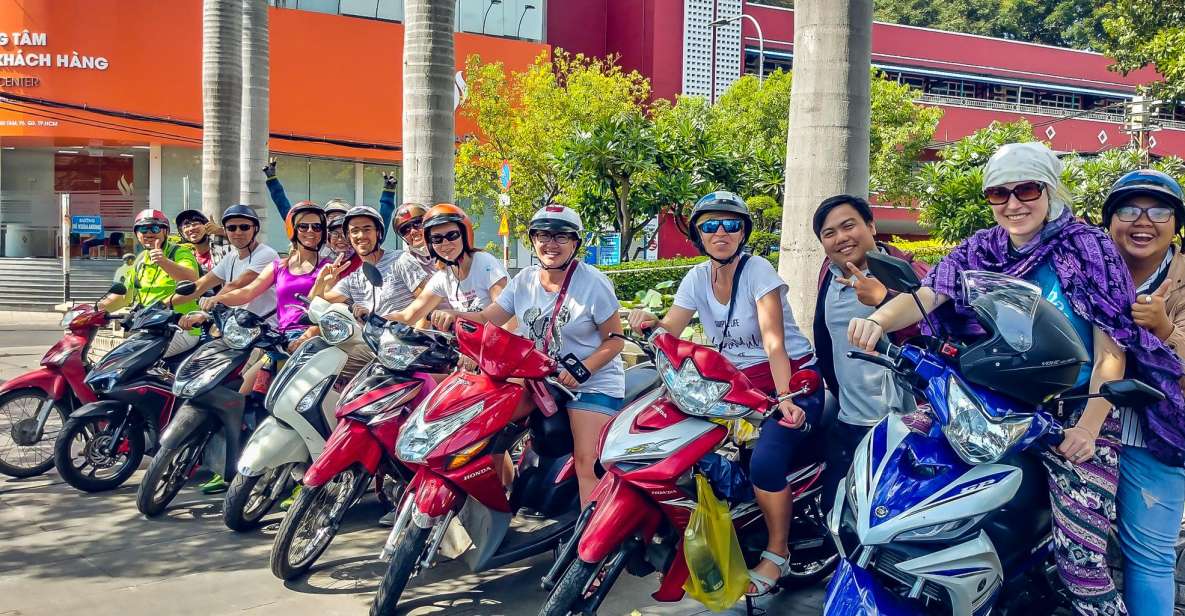
You’ll ride with an English-speaking guide, and names like Lucy and Jay show up often in the kind of praise you want—clear English and steady handling in crazy traffic. You’re also given helmets and ponchos, plus food and a local drink, so the 2-hour (up to 210 minutes) format stays fun instead of turning into a hunt for snacks.
One more practical note: pickup is included for many central-area hotels, but if you’re outside the listed districts you may pay an extra onsite surcharge. It’s still good value for the time you spend and what’s included—just make sure your meeting point and timing work for you.
In This Review
- Key things that make this Saigon motorbike tour worth your time
- Why motorbike culture beats buses for getting your bearings in Saigon
- Meeting up, getting geared up, and handling the “traffic reality”
- Thich Quang Duc Monument: the first stop that sets the tone
- District 3 old apartments: seeing daily life up close
- Coffee stop in the middle of the ride: caffeine and culture in one break
- Saigon’s flower market: where the streets smell like celebrations
- Chinatown District 5: ghost buildings, markets, temples, and the everyday commerce web
- Floating market moment: a small Mekong-style pause in the city
- District 4 and 7: slum areas and the old mafia area
- The special dish and local drink: where the tour earns its crowd-pleaser status
- Saigon River Tunnel and District 2: the ride into modern Saigon
- Price and value for a $16 motorbike culture loop
- Who this Saigon motorbike tour is best for (and who should skip it)
- FAQ
- FAQ
- How long is the motorbike tour?
- How much does it cost?
- Does the tour include pickup and drop-off?
- What’s included in the price?
- What should I bring?
- Are helmets and ponchos provided?
- Is alcohol allowed?
- Who is the tour not suitable for?
- Should you book this Saigon motorbike culture tour?
Key things that make this Saigon motorbike tour worth your time
- Thich Quang Duc Monument to old apartments in District 3 for a strong “why Saigon looks like this” start
- Flower market + Chinatown markets in District 5, including pet and electronic market stops
- Floating market stop described as a small Mekong-style moment inside the city
- Riding through District 4 and 7 for a look at slum areas and a former mafia area (expect a more serious tone)
- Saigon River Tunnel in District 2 before ending with District 1 scenes
- Short get-off-and-walk moments, so it’s not just sitting on a bike for the whole tour
Why motorbike culture beats buses for getting your bearings in Saigon
Saigon (Ho Chi Minh City) can feel like information overload when you’re on foot. Traffic is loud, directions change fast, and the city doesn’t hand you a map-friendly version of itself. This tour solves that problem by putting you on the back of a motorbike with a local driver, then using that speed and access to show you parts of the city you’d usually skip.
The big win is scale. You cover multiple districts in a short window, yet you still pause often enough to look, ask questions, and understand what you’re seeing. Even if you only have a day, the timing tends to work because you’re not stuck on one long highway segment—your route is made of stops, short walks, and street-level moments.
The other win is honesty. The itinerary doesn’t just show polished landmarks. You’ll see neighborhoods, markets, and daily routines that feel like the city living its regular day. If you prefer Saigon that’s more than selfies, that’s your lane.
You can also read our reviews of more tours and experiences in Ho Chi Minh City.



Meeting up, getting geared up, and handling the “traffic reality”
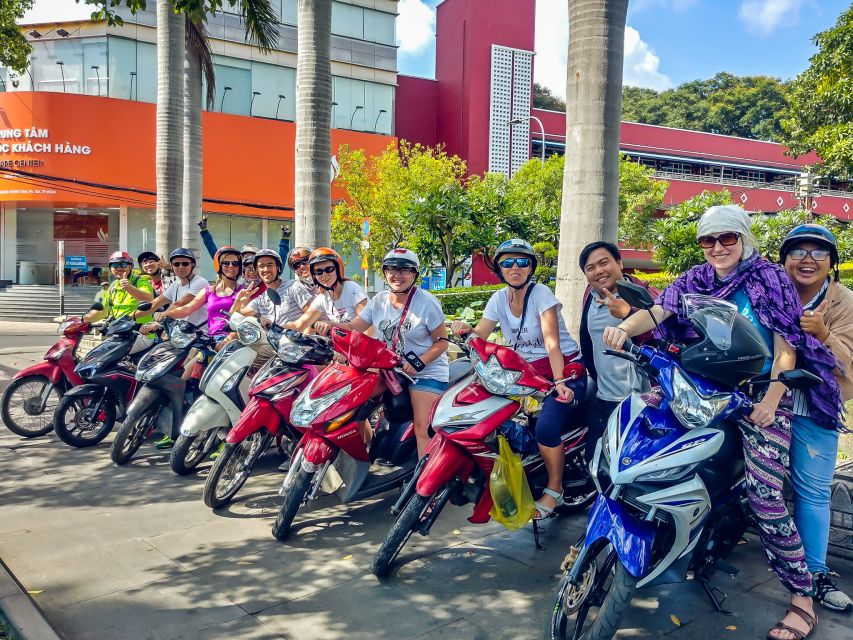
The tour runs in the morning, afternoon, or evening. Either way, you’ll be picked up at your hotel or a specified meeting point, then hop onto a motorbike with a helmet and poncho. The poncho part matters because weather in Saigon can change quickly, and you’ll be moving the whole time.
You should plan to be ready about 5 minutes before departure. After that, you’ll start with a guided flow: drive, stop, walk briefly, then move on. Several guides are praised for safety-minded driving while also making you feel comfortable back there—names like Jay, Elisa, Danny, and Vinh appear in the stories people tell about the tour.
Still, here’s the one consideration you shouldn’t ignore: this is not a slow sightseeing stroll. Expect frequent exposure to busy roads, turns, and short rides that keep you awake. If you hate the feeling of being part of traffic (or your stomach doesn’t like motion), consider the car/van option.
Thich Quang Duc Monument: the first stop that sets the tone
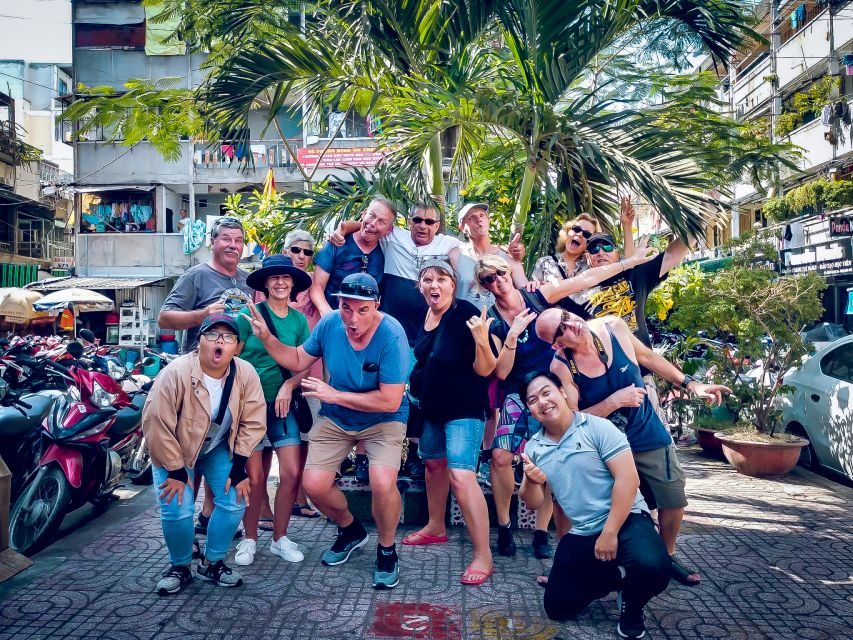
Most Saigon tours race toward markets or skyline views. This one begins at the Thich Quang Duc Monument, which gives you context before you chase the fun stuff. It’s an important cultural marker, and it’s the kind of start that helps you read the city instead of just watching it pass.
I like this opening because it changes how you look at everything that follows. After you start here, District 3, the apartment blocks, and the daily-life stops don’t feel random. They feel like pieces of a bigger story about Saigon’s social fabric and how the city remembers itself.
Time at this first stop isn’t described as a long museum visit—think more guided orientation. That makes it perfect for a 2-hour style tour: you get meaning without losing momentum.
District 3 old apartments: seeing daily life up close
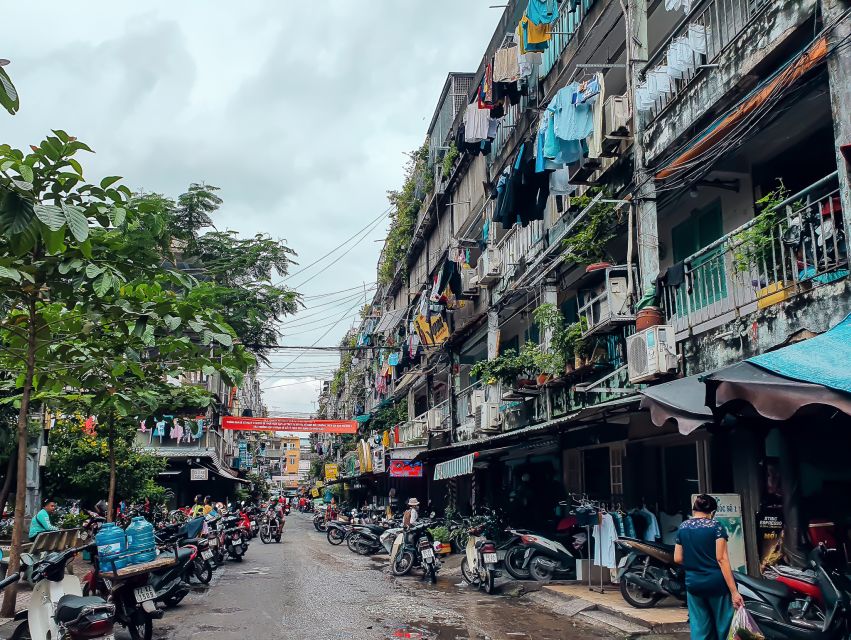
After the monument, you head to District 3, one of Saigon’s older districts. The highlight here is a visit to an old apartment complex, where you can observe local routines in a setting that feels lived-in rather than staged.
This is one of the most valuable parts of the tour because it answers a question visitors often don’t know to ask: where does everyday Saigon happen? You’ll see daily activities and the rhythms of apartment life. It’s the kind of stop that gives you context for the rest of the city—markets make more sense, and even the way people move around the streets feels more understandable.
The “drawback” is also related to authenticity. Old apartments and residential lanes can feel close and busy. If you’re easily uncomfortable around crowds or you want lots of personal space, you may need to adjust your expectations for a respectful look-and-learn visit.
Coffee stop in the middle of the ride: caffeine and culture in one break
Next comes a local coffee shop stop for a typical Vietnamese coffee or coconut drink. This is more than a break. It’s a small lesson in how Vietnamese daily life fuels long street hours and social habit.
I like that they build this pause into the flow instead of leaving you to find your own café somewhere between districts. It also gives you a moment to reset your body. After an early set of roads and walking, having a drink you can enjoy without searching is a real quality-of-life upgrade.
Bring cash if you want extra snacks beyond what’s planned, since the tour includes food and drink, but personal additions aren’t part of the listed inclusions.



Saigon’s flower market: where the streets smell like celebrations
Then you go to the biggest flower market in Saigon. This is the kind of stop that works even if you don’t consider yourself a market person. Flowers are a visual language here—something about the colors, the stacks, and the constant movement helps you understand how the city marks occasions.
The practical value is also real. Flower markets are active and sensory. That makes them a strong waypoint for your driver to weave you through nearby areas while you see how commerce actually runs at street level.
The one consideration: markets can be crowded, and you’ll be around moving people and bikes. Wear comfortable shoes and keep your camera accessible but not distracting. If you’re carrying a phone, keep it secured.
Chinatown District 5: ghost buildings, markets, temples, and the everyday commerce web
From there, the tour heads into China Town in District 5. This is one of the most memorable sections because it combines “things you’ve heard of” with “things you didn’t know the city stocked.”
You’ll venture around areas described as ghost buildings, plus a motorbike market, pet market, electronic market, and a Chinese medicine market. This isn’t a neatly themed bazaar. It’s a working network of commerce where different needs sit side-by-side—transport, care for animals, everyday tech, traditional remedies.
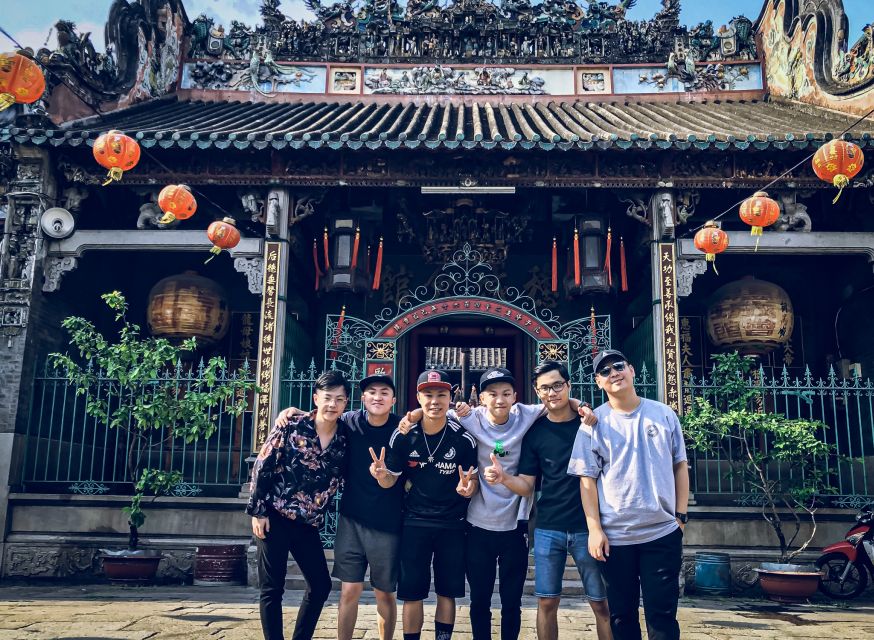
And then you visit a typical Chinese temple. That part matters. Without the temple visit, Chinatown can feel like a purely commercial show. With it, you get a balance: commerce and spiritual life, both active in the same district.
A respectful note for you: some market areas can be intense visually and emotionally—especially the pet market. If you’re sensitive about animals, go gently, keep your distance, and let your guide handle the pace.
Floating market moment: a small Mekong-style pause in the city
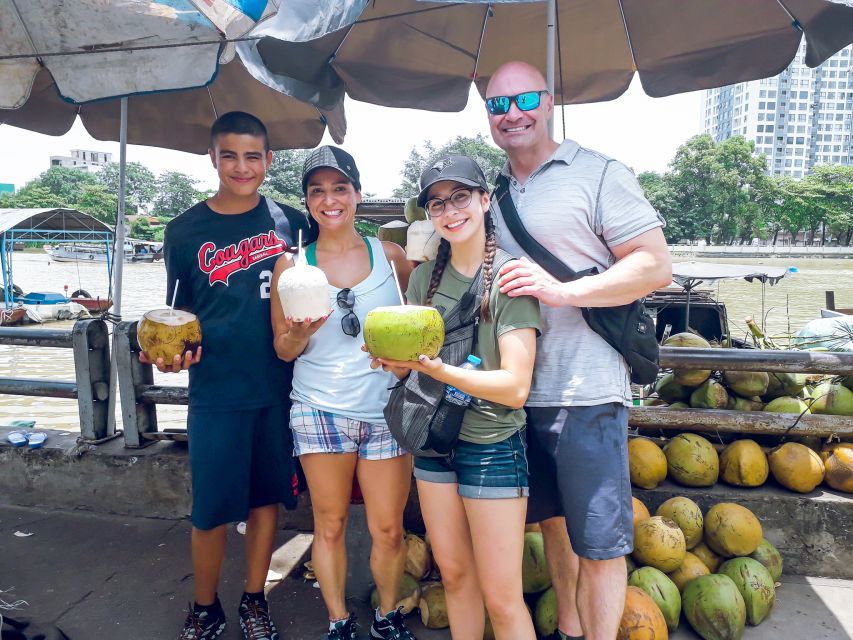
After the market-and-temple stretch, you reach a floating market. It’s described as a small version of the Mekong Delta in Saigon.
Even if you’ve seen other floating markets before, this stop usually works because it slows the pace in a different way. You’re still in Saigon, but the water setting gives you a break from the straight lines of streets and storefronts. It also makes the city feel less like one big grid and more like a place with water-connected culture.
If you’re the type who loves short photo windows, this is a good time to have your camera ready. Just keep in mind you’ll be moving with a group schedule, so you won’t have unlimited wandering time.
District 4 and 7: slum areas and the old mafia area
This part of the tour is where you’ll feel the city get serious. You’ll drive through slum areas and an old mafia area in District 4 and 7.
I recommend coming into this segment ready to be reflective. The point isn’t shock value. The point is to see what a fast-growing city hides behind its brighter surfaces. It gives you a more honest picture of inequality and history—exactly the kind of context that makes the rest of your Saigon experience click.
The “consideration” here is emotional. If you prefer only cheerful scenery, this could feel heavy. On the other hand, if you want to understand Saigon as it actually is, this section is a big reason the tour earns top marks for impact.
The special dish and local drink: where the tour earns its crowd-pleaser status
By the time you reach the food portion, you’ll understand why they include it. After temples, markets, and multiple districts, energy drops fast—especially in the heat.
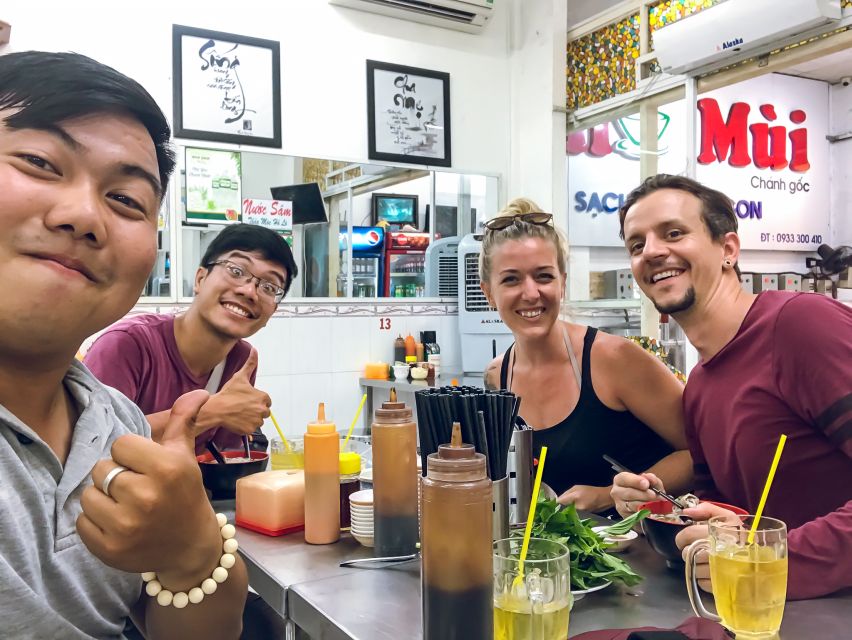
The itinerary includes a special dish and local drink, designed to keep you fueled without breaking the schedule. You’ll likely find the meal is one of those “simple but memorable” parts—something you couldn’t replicate easily just by walking into a random restaurant without context.
One practical tip based on what’s been shared by people who took the tour: if you have dietary preferences (including vegan), some guides have adjusted meals to fit. It’s not stated as a guaranteed menu option, so the best move is to tell your guide in advance or at the start.
Saigon River Tunnel and District 2: the ride into modern Saigon
Later, you drive through the Saigon River Tunnel in District 2. This is a fun switch of scenery—less street-market chaos, more modern infrastructure and a clearer sense of the city’s growth direction.
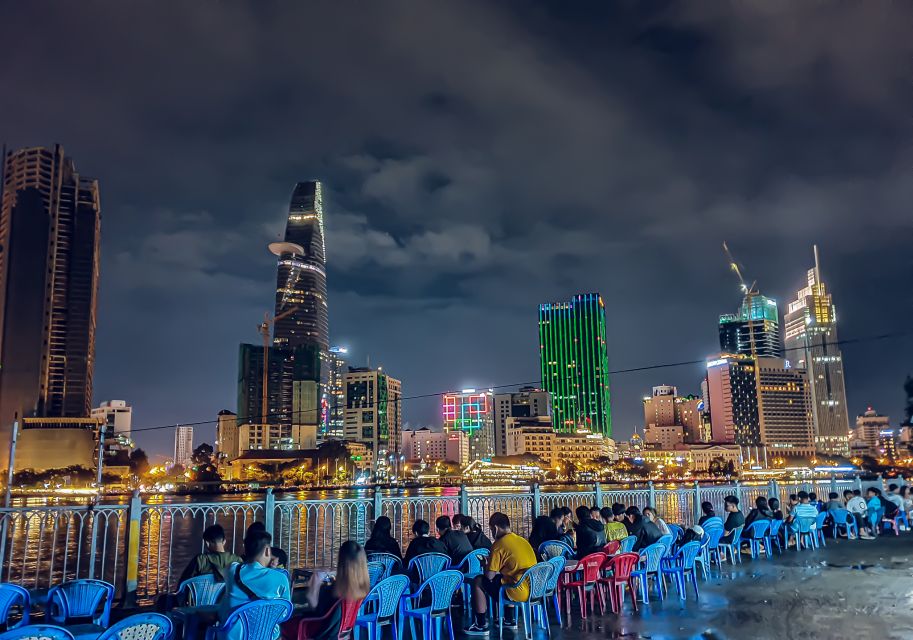
From there, the tour goes through the new urban area in Saigon, then heads back toward District 1 for spectacular scenes. This ending matters because it balances the heavier earlier parts. You finish with a view-focused sense of place, not just memories of alleys and markets.
If you’re worried about ending the day without a “wow” moment, this route gives you one. The tunnel-to-city-center sequence also helps your brain map Saigon in a more organized way.
Price and value for a $16 motorbike culture loop
At $16 per person for a 2-hour up to 210-minute experience, the value is mostly about what’s included—not just the bike ride. You get pick-up and drop-off at participating areas, an English-speaking guide, motorbikes with helmets and ponchos, food and drink on the program, and photos.
That’s a lot of logistics bundled into one price, and in a city like Saigon, logistics are where time and stress pile up. The fact that transport quality earns very high marks (93% of reviews scoring perfect) is also a signal that this isn’t a “cheap ride, hope for the best” situation.
You should consider upgrades if they fit your needs:
- A private tour option includes a 5 USD per person surcharge
- A Female Aodai Rider upgrade is available for 10 USD extra per person
- If riding a motorbike doesn’t feel right, you can request a car or van option (listed surcharges: 50 USD for a 7-seat car, 70 USD for a 16-seat van)
If you’re planning around holiday dates, expect possible onsite surcharges, especially for major Vietnamese holidays.
Who this Saigon motorbike tour is best for (and who should skip it)
This tour suits you if you want:
- A fast way to see multiple districts
- Street-level culture with stops that teach you why things look the way they do
- A guide-led ride with safety gear and short walking breaks
It’s also a strong choice when you only have limited time in Ho Chi Minh City. People have described it as a great way to get your bearings without stealing an entire day.
Skip it if you:
- Are pregnant
- Use a wheelchair
- Are over 80 years old (the tour is listed as not suitable)
- Know you can’t handle traffic motion for any length of time
FAQ
FAQ
How long is the motorbike tour?
The duration is listed as 2 hours to 210 minutes. Starting times depend on availability.
How much does it cost?
The price is listed as $16 per person.
Does the tour include pickup and drop-off?
Yes. Pickup and drop-off are included, but free pickup is specifically offered for hotels in Districts 1, 3, and 4, or at a designated meeting point in Quận 1.
What’s included in the price?
Included items are pick-up and drop-off, English-speaking guides, motorbikes, helmets and ponchos, food and drink on the program, and photos.
What should I bring?
Bring comfortable shoes, a camera, comfortable clothes, and cash.
Are helmets and ponchos provided?
Yes. Motorbikes come with helmets and ponchos as part of the tour.
Is alcohol allowed?
No alcohol and drugs are not allowed.
Who is the tour not suitable for?
The tour is not suitable for pregnant women, wheelchair users, and people over 80 years old.
Should you book this Saigon motorbike culture tour?
If you want a short, district-hopping way to understand Saigon—monuments, markets, temples, water culture, and even tougher neighborhood realities—this is a strong pick for your itinerary. The best reason to book is simple: you’re not just looking from afar. You’re moving through the city with a local guide, with safety gear and planned stops that keep you from wasting time.
Book it if motorbike riding feels okay and you’re ready for real streets, real crowds, and a few serious moments. If motion in traffic makes you anxious or you’d rather stay off motorbikes, consider the car/van option instead.