REVIEW · HANOI
Hanoi Cooking Class
Book on Viator →Operated by Vietnam Awesome Travel · Bookable on Viator
Hanoi starts cooking before you even lift a spoon. This half-day class is built around a market-first shopping walk and a hands-on lesson in a private home kitchen with river views, so you’re not just watching—you’re learning. I like that the instructor focuses on practical skills (marinating and spicing), and I also like the small-group feel, capped at 10 people. One thing to consider: pick-up is complimentary only for hotels in the Old Quarter / Hoan Kiem Lake area up to about 4 km, so double-check your location if you’re farther out.
You’ll do this in either the morning (9:00–12:00) or afternoon/evening slot (15:00–19:00). The meal is included—lunch or dinner depending on your time—and you’ll get bottled water during the experience. If you’re expecting a huge buffet of random dishes, note that the class is designed around learning a handful of authentic recipes really well, not doing a rapid-fire tasting parade.
In This Review
- Key highlights you’ll care about
- A half-day recipe lesson that starts at Hanoi Market
- Price and logistics for Old Quarter pick-up
- Morning vs afternoon: how the timing shapes the experience
- Morning slot (9:00–12:00)
- Afternoon/evening slot (15:00–19:00)
- Walking to the market: what you actually shop for
- Back to the chef’s home kitchen: what hands-on really means
- The techniques that make Vietnamese flavors click
- Marinating and spicing are the lesson
- A signature sauce you’ll mix yourself
- Decorating: carrot flowers and more
- What dishes you’ll cook (and how to think about “several”)
- Lunch or dinner: eating what you cooked
- Group size and the home-host feel
- What to bring and how to get the most out of it
- Who this Hanoi cooking class suits best
- Should you book this Hanoi cooking class?
- FAQ
- What is the price of the Hanoi Cooking Class?
- How long is the cooking class?
- What time slots are available?
- Does the tour include hotel pick-up and drop-off?
- Is the cooking class in a restaurant?
- Do you visit a market?
- What do you do during the cooking lesson?
- Is a meal included?
- What’s included in the price?
- Is cancellation free?
- Does the tour provide recipes?
Key highlights you’ll care about
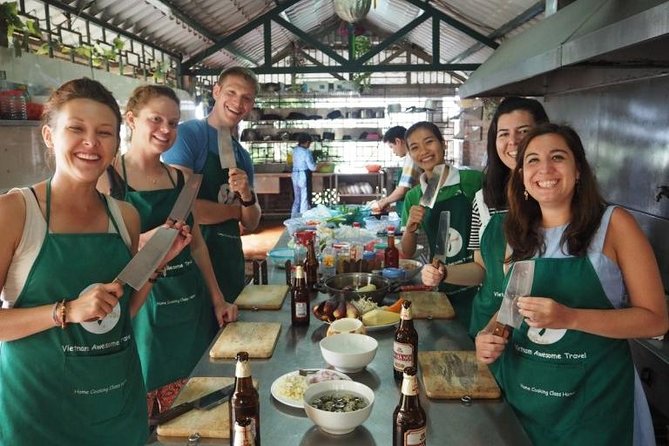
- Market walk that turns shopping into a cooking lesson, with herbs, spices, vegetables, meats, fish, and fruits
- Private home class with river-view kitchen time, not a studio setup
- Hands-on marinating and spicing taught from start to finish
- Decorating techniques like carrot flowers, lemon grass stems, banana leaves, and curved chili
- A signature fish-sauce-based sauce formula you’ll learn to mix easily
- Small group size (max 10), which helps you ask questions and cook more actively
A half-day recipe lesson that starts at Hanoi Market
This is the kind of tour where the first 30 minutes tell you whether it’s going to work for you. You’re picked up in the Old Quarter, then you walk to the market as part of the experience, not as a separate sightseeing detour. That matters in Hanoi, because ingredients are half the story—how they look, how they smell, and what you choose changes the food.
I also like the pacing. You don’t spend all morning standing around, then rush the cooking. The market time feeds into the cooking time, and the lesson is structured so you get to actually handle ingredients and prepare dishes with guidance.
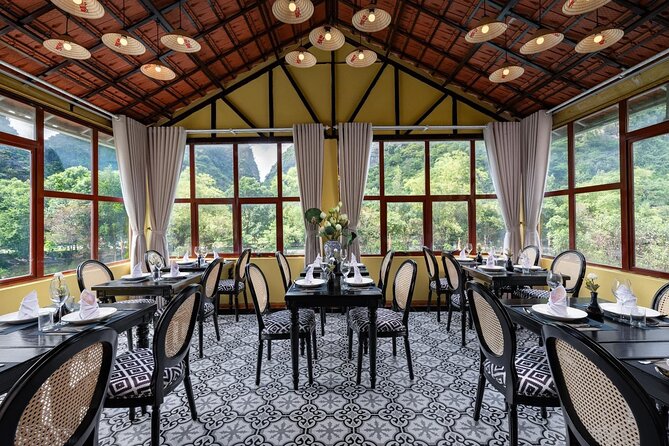
And yes, the kitchen setting is part of the appeal: you’ll cook in the chef-instructor’s home with views of the river. That’s a nice contrast from cooking classes that feel locked in indoors with no sense of place.
You can also read our reviews of more cooking classes in Hanoi

Price and logistics for Old Quarter pick-up
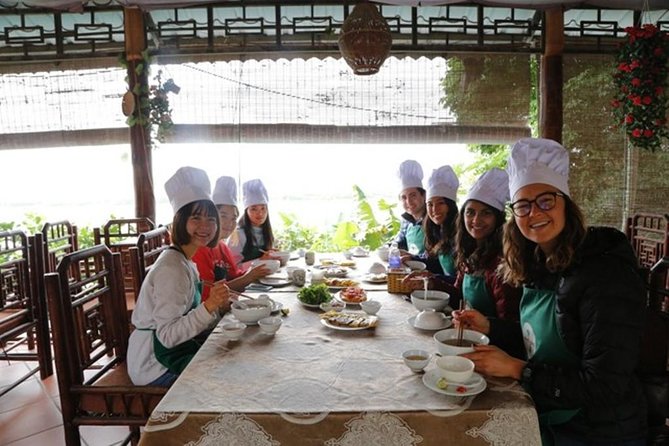
The price is $45 per person for about 3 hours. On paper, that might look simple—but value comes from the combo: market guidance + hands-on cooking + meal + English-speaking chef + hotel pick-up/drop-off for eligible hotels.
Small details can make or break value, so here’s the practical part:
- The class runs either 9:00–12:00 or 15:00–19:00.
- You get hotel pick-up and drop-off included for hotels in the Old Quarter / Hoan Kiem Lake area, within roughly a 4 km radius.
- You’ll receive a mobile ticket, and bottled water is included.
One drawback to watch: if your hotel is outside that pick-up zone, complimentary pick-up may not be possible. A prior guest described an issue when pick-up was accepted at booking, then changed close to departure due to distance. So if your hotel is on the edge of the Old Quarter, it’s smart to confirm pick-up details before you go.
Morning vs afternoon: how the timing shapes the experience
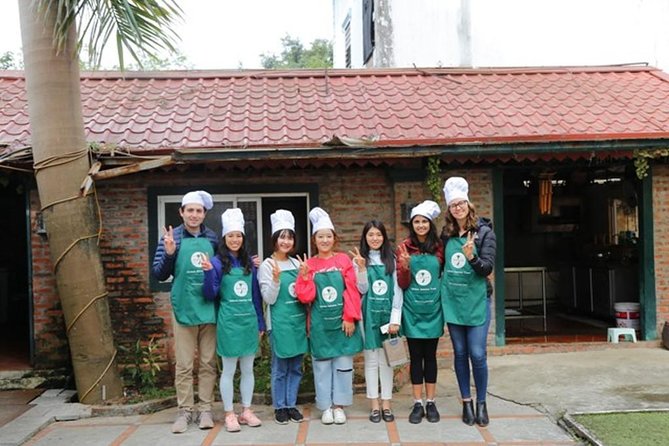
You have two time choices, and both can be great depending on your day:
Morning slot (9:00–12:00)
This usually suits you if you like getting your energy early. You’ll start with pick-up, then walk to the market, then return to the home kitchen. By the time you sit down to eat, your day is still fresh.
Afternoon/evening slot (15:00–19:00)
This works well if you want a slower morning or if you’re already doing other Hanoi plans midday. You still get the market walk and the hands-on cooking, just later in the day.
Either way, you’re getting the same core format: market shopping, cooking with instruction, and a meal of what you made.
A few more Hanoi tours and experiences worth a look
Walking to the market: what you actually shop for
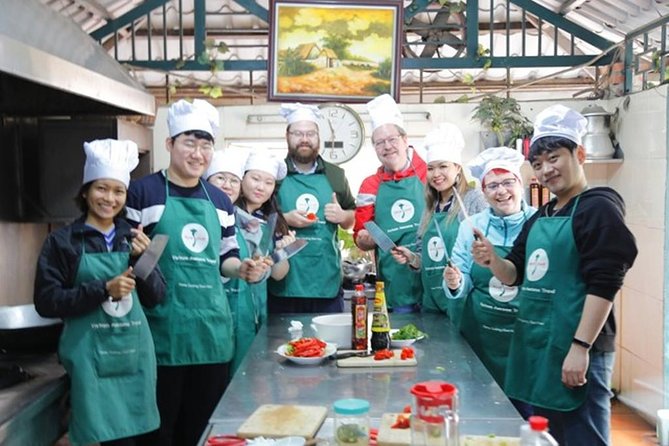
The market stop isn’t treated like a photo-op. You’ll walk for about 30 minutes to get there, and the guiding point is ingredient awareness.
During the market visit, you’ll cover typical Vietnamese cooking ingredients, including:
- Herbs and spices
- Vegetables
- Meats and fish
- Fruits
The goal is to help you recognize what goes into Vietnamese dishes and why certain items matter. Even if you’re not a super confident cook at home, this part helps you connect the dots between a recipe you read later and the ingredients you actually see and smell here.
A top theme from high ratings: people really liked shopping with the guide first. Chef Rachel was specifically praised for being enthusiastic, and the market-first approach was highlighted as a big reason the class felt meaningful.
Back to the chef’s home kitchen: what hands-on really means
After shopping, you head back to the chef-instructor’s home to cook. This is where the class shifts from learning to doing.
You’ll prepare dishes yourself, but from the beginning to the end you’re under instruction. That matters because Vietnamese cooking often depends on timing and technique—things that are hard to learn from a written recipe alone.
The class includes guidance on:
- Marinating
- Spicing
- Mixing sauces and balancing flavors
- Practical chopping and prep
- Dish decorating (yes, it’s part of the lesson)
Also, your kitchen experience includes that river-view setting mentioned earlier. If you like cooking when you can actually see what’s around you, this format feels more like an evening in someone’s home than a classroom drill.
The techniques that make Vietnamese flavors click
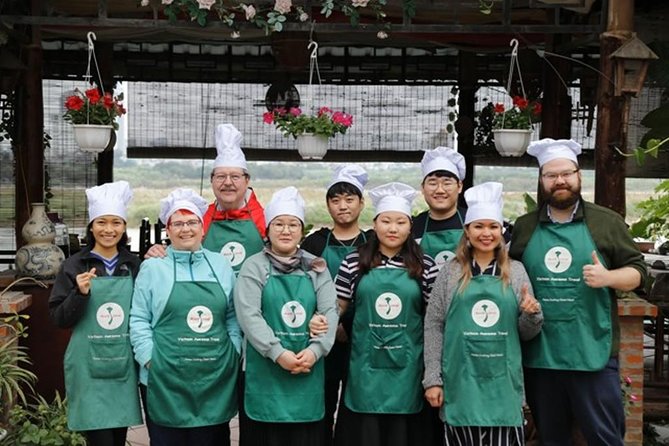
This is the real value of the experience: the focus on methods, not just memorizing recipes.
Marinating and spicing are the lesson
You’ll learn why marinating isn’t just about salt and sugar. It’s about flavor building and getting ingredients to taste right when cooked. The spicing part is presented as crucial, not optional, and you’ll practice with the ingredients you bought at the market.
If you’ve ever tried Vietnamese recipes at home and felt like the dish tasted slightly off, odds are it was technique and proportions more than the ingredient list. This class is designed to fix that gap.
A signature sauce you’ll mix yourself
One of the best details in the class description is how explicit the sauce-making is. You’ll learn an easy-to-make sauce commonly described as magical in flavor, mixed from:
- Fish sauce
- Water
- Sugar
- Lime
- Chili
- Garlic
- Herbs
That list matters because it explains the flavor logic: salty + sweet + sour + heat + fresh herbal notes. You won’t just hear the ingredients—you’ll be guided while you mix them.
Decorating: carrot flowers and more
This isn’t a gimmick. The decorating section teaches you that presentation and ingredient handling are part of the cooking culture. You might work with:
- Carrot flowers
- Lemon grass stems
- Banana leaves
- Curved chili shapes
It’s also genuinely fun, and it gives you something you can recreate later when you want your home dishes to feel special without making them complicated.
What dishes you’ll cook (and how to think about “several”)
You’ll cook several dishes during the session. The exact lineup isn’t spelled out in the details you provided, but the structure is clear: you start with ingredient prep, you learn core seasoning techniques, you make at least one important fish-sauce-based mixture, and you finish with dishes that you can recognize as authentic Vietnamese cooking.
What you should expect is less of a buffet-style variety and more of a focused skill practice session. That’s actually good value for the price. When you learn techniques deeply, you’re more likely to cook again at home with confidence.
If you’re the type who wants to taste every dish under the sun, you may find this format narrower than a full food tour. But if you want to come away able to reproduce flavors, this class format usually hits the mark.
Lunch or dinner: eating what you cooked
At around 11:00 (for the morning group), you’ll enjoy a meal with friendly time. For the afternoon slot, the meal will align with the later schedule, but the concept stays the same: you eat what you helped prepare.
You’ll also get beverages with the meal, plus bottled water included as part of the experience.
This part is more important than it sounds. Cooking classes sometimes end with a quick bite and a “good luck at home.” Here, you get time to sit, eat, and reflect on what you made. That helps you understand how the flavors came together—especially for sauces and marinades you mixed yourself.
Group size and the home-host feel
You’re in a class for a maximum of 10 travelers, which is a big deal for a hands-on experience. Smaller groups tend to mean less waiting and more guidance per person.
The home setting also shapes the tone. One highly rated review described feeling like family in the instructor’s home—friendly, welcoming, and comfortable enough to learn without pressure. Another praised the enthusiasm and teaching energy of the chef.
For me, that “home” element is the difference between a cooking demo and a real learning experience. You’re not just gathering content—you’re getting feedback as you work.
What to bring and how to get the most out of it
This tour doesn’t list a specific dress code, but cooking classes in Vietnam can be messy. I’d plan for:
- Comfortable clothes and shoes you don’t mind getting food on
- A ready-to-learn attitude
- Curiosity about ingredients you’ve never used before
To get the most value, ask questions about what you’re doing as you cook. The techniques—marinating, spicing, and sauce balance—are the core takeaways. If you leave those parts clear in your head, you’ll remember the recipes longer.
Also, pay attention to the market ingredients. The point isn’t just to buy items—it’s to understand what’s typical in Vietnamese cooking and how it translates into taste.
Who this Hanoi cooking class suits best
This is a strong match if you:
- Want practical cooking skills, not only sightseeing
- Love food markets and the stories behind ingredients
- Prefer a small group with personal instruction
- Are happy to cook a set of dishes and then enjoy them at the table
It might be less ideal if you:
- Want a long, roaming street-food crawl (this is shorter and more structured)
- Need guaranteed vegetarian or allergy-specific menus (not stated in the provided details)
- Expect a full “try everything in Hanoi” experience rather than hands-on cooking
Should you book this Hanoi cooking class?
If you’re choosing between a quick snack tour and a cooking experience, I’d lean toward this one for pure learning value. At $45 for a 3-hour session with market shopping, hands-on cooking, river-view home kitchen time, and a meal included, the price feels fair. You’re paying for instruction you can actually use later.
Book it if market-first shopping and technique practice sound like your kind of fun. If you’re picky about logistics, confirm pick-up details for your hotel—complimentary pick-up is for the Old Quarter / Hoan Kiem Lake area within about 4 km. Do that, and you remove the only real frustration risk.
FAQ
What is the price of the Hanoi Cooking Class?
It costs $45.00 per person.
How long is the cooking class?
The experience runs about 3 hours.
What time slots are available?
It runs either 9:00–12:00 or 15:00–19:00.
Does the tour include hotel pick-up and drop-off?
Yes, pick-up and drop-off are included for hotels in the Old Quarter / Hoan Kiem Lake area (within about 4 km).
Is the cooking class in a restaurant?
No. The hands-on cooking happens in the chef-instructor’s private home, and the kitchen has views of the river.
Do you visit a market?
Yes. You walk about 30 minutes to the market to shop for ingredients, then return to the home to cook.
What do you do during the cooking lesson?
You cook several authentic Vietnamese dishes yourself with guidance, including learning how to marinate and spice, and how to mix a fish-sauce-based sauce.
Is a meal included?
Yes. Lunch or dinner is included, along with beverages.
What’s included in the price?
Included items are local taxes, bottled water, the meal, an English-speaking chef, and hotel pick-up/drop-off in the Old Quarter.
Is cancellation free?
Yes. You can cancel up to 24 hours in advance for a full refund.
Does the tour provide recipes?
The class includes giving you the recipe if you want.