REVIEW · HANOI
Hanoi Cooking Class in a Haven of Tranquility – Thom culinary
Book on Viator →Operated by Thơm Culinary · Bookable on Viator
Hanoi can feel loud fast. This cooking class gives you a quieter, calmer way to learn Vietnamese flavors, starting with a cyclo ride to markets and ending in a garden-house setting with herbs you can actually pick. I really like the hands-on pace: you chop, sauté, season, and plate your own food with a friendly host like Trang. I also love how the trip treats ingredients like stories, from the plants in the garden to the balance of tastes on the plate. One thing to consider: it is popular and runs about 4.5 hours, so if you hate markets or long walking stretches, this might feel a bit busy.
The small group size helps a lot. With a maximum of 8 people, you get time for questions and tasting, and it does not feel like you are just following a script. If you want Vietnamese cooking explained through real shopping and real cooking, this is a strong value at about $64.31 per person.
In This Review
- Key things that make Thom Culinary special
- A garden-house kitchen break from Hanoi noise
- Cyclo ride to Dong Xuan Market: how you start tasting correctly
- Old City Gate and market hopping: learning what locals buy
- Thơm Culinary’s garden house: herbs, fruit, and the flavor logic
- Hands-on cooking: chopping, sautéing, seasoning, plating
- The meal and drinks: homemade sweets, herbal tea, and rice wine
- Price and value: what $64.31 buys you in Hanoi terms
- Who should book this class, and who should think twice
- Should you book Thom Culinary in Hanoi?
- FAQ
- How long is the Hanoi cooking class?
- What does the price include?
- Is hotel pickup available?
- What markets do you visit?
- Do you harvest herbs during the experience?
- How many dishes do we cook?
- Are drinks included?
- Is this a small-group tour?
- Do I need a paper ticket?
Key things that make Thom Culinary special
- Cyclo to Dong Xuan Market: start with local shopping energy, not just a kitchen class
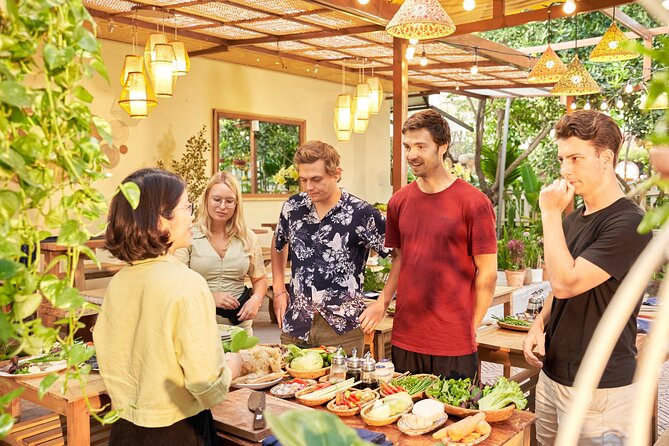
- Garden-to-kitchen herb harvest: pick herbs and learn what each one does in Vietnamese cooking
- Four hands-on dishes: you do the work, guided by a host, not just watch
- Market tastings plus sweets: street-food-style bites and a homemade dessert sweeten the day
- Bottomless herbal drinks and rice wine: a social, food-focused finish with local drinks
A garden-house kitchen break from Hanoi noise
What I liked most here is the mood shift. You begin in the city’s market world, then you step into a calmer place in Hanoi where herbs and tropical fruit grow right outside. That contrast matters because Vietnamese flavors rely on fresh plants and careful balance, not just on a few sauces.
The garden setup also makes the class feel real. Instead of learning herbs from a label card, you see the plants first, and you understand why they show up again and again in Vietnamese food. It is an easy way to connect the ingredients you buy with the meals you eat afterward.
And yes, it is still a cooking class. You roll up your sleeves and do the prep: chopping, cooking steps like sautéing, seasoning, and plating. That hands-on focus is the difference between learning recipes and learning how to think like a Vietnamese cook.
You can also read our reviews of more cooking classes in Hanoi

Cyclo ride to Dong Xuan Market: how you start tasting correctly
The experience begins with a cyclo and round-trip transportation. That is not just for fun. The ride helps you get your bearings fast and eases you into the market rhythm before you start hunting for ingredients.
Dong Xuan Market is the first main stop, and it sets the tone: you see trade in action, you get street food tasting, and you learn how everyday vendors build flavor. The host guidance keeps it practical. You are not just being shown around. You are learning what to look for, why certain ingredients matter, and how Vietnamese cooks think about freshness.
If you have never visited markets in Hanoi, you might find the maze a little chaotic at first. That is exactly why a guide helps. You learn how to spot common ingredients and how to ask questions without freezing up. Then, when you reach the kitchen stage, everything makes more sense.
Old City Gate and market hopping: learning what locals buy
After the first market stop, the tour keeps moving through market areas, including Cau Dong and Thanh Ha Market. You also pass the Old City Gate as part of the route, which helps you connect the food stops with the wider geography of Hanoi.
This is one of those parts that can make or break your enjoyment. If you love food wandering, you will enjoy the variety of market vibes: wet-market style items, dried goods you can store, and the small everyday ingredients that show up across Vietnamese dishes. One review mentioned a host named Mango walking through wet and dry market areas and pointing out ingredients in a way that made the shopping feel like a real skill.
If you do not love walking or standing for tastings, go in with a plan: wear comfortable shoes and expect short bursts of time in busy spaces. The tour does not say it is leisurely at every moment, and markets are markets.
Still, the payoff is strong. By the time you reach the cooking phase, you have a clearer mental map of what herbs, fruits, and staples do in real Vietnamese meals.
Thơm Culinary’s garden house: herbs, fruit, and the flavor logic
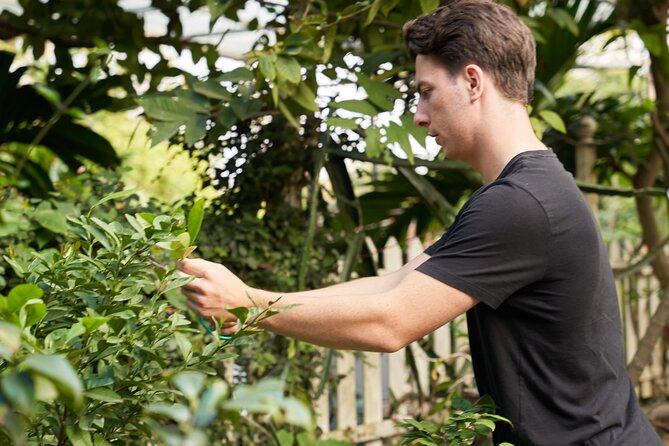
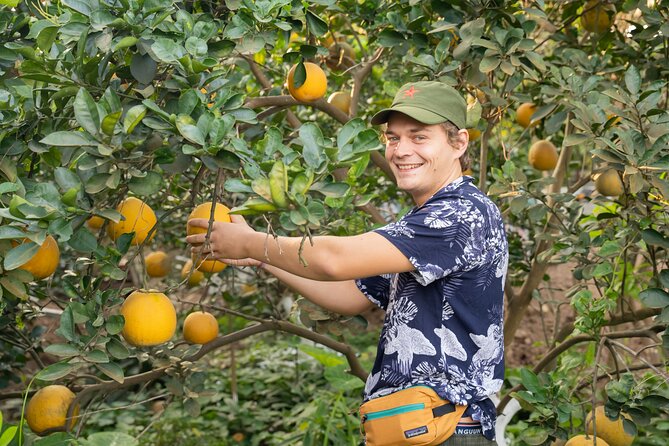
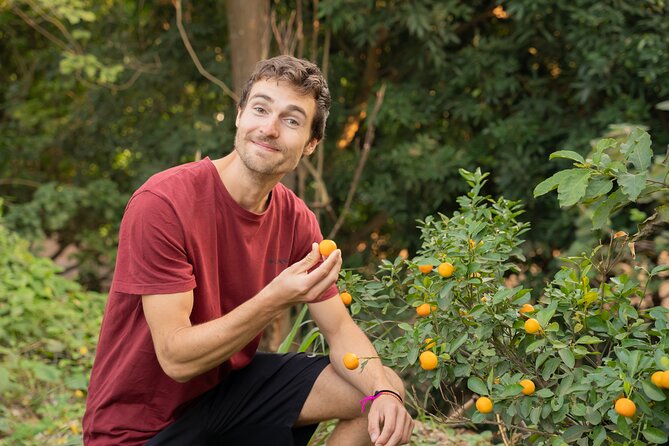
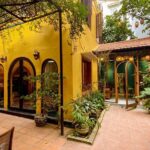
The heart of this experience is the location: a tranquil garden house linked to Thom Culinary. You are surrounded by a lush herb and tropical fruit setting, and you get to harvest herbs during the visit.
That herb harvest is not a gimmick. It teaches you how Vietnamese cooking treats herbs as core flavor, not garnish. You learn about the variety of herbs used in dishes and why they are chosen for aroma and balance. Vietnamese cooking often plays with contrasting tastes and textures, and the guide’s focus on herbs and spices makes that feel tangible.
Here’s what I think you will appreciate most: the garden visit turns flavor theory into something you can remember. When you taste a final dish later, you can often trace it back to a specific plant you saw and picked. That makes the class stick with you long after the meal ends.
The tour also mentions a visit to a family worship hall and a fish pond as part of the property experience. Even though that is not the cooking lesson itself, it adds context. It helps you see how food spaces can be tied to everyday life and local routines rather than only restaurant scenes.
Hands-on cooking: chopping, sautéing, seasoning, plating
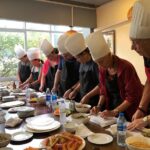
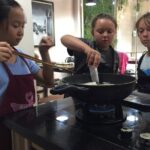
Now for the part you came for. You cook four authentic dishes with guidance from the hosts. Expect a step-by-step flow that takes you through prep and cooking: chopping ingredients, sautéing, seasoning, and finally plating.
This is where the class earns its rating. A kitchen class that is mostly watching can be forgettable. Here, you do real work. You also get feedback while you cook, which helps you understand how Vietnamese balance works in practice.
The experience focuses on the philosophy of Vietnamese cooking: balancing contrasting flavors and textures so each ingredient can shine. That may sound like a fancy phrase, but in the kitchen it becomes practical. You learn that seasoning choices matter, that herbs change the whole profile, and that Vietnamese meals often aim for harmony rather than one-note intensity.
If you are cooking at home afterward, this is the most useful takeaway. You are not only learning a recipe list. You are learning a method: choose fresh herbs, balance flavors, and treat textures as part of the dish, not an afterthought.
A few more Hanoi tours and experiences worth a look
The meal and drinks: homemade sweets, herbal tea, and rice wine
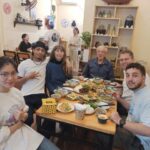
After cooking, you sit down for the meal you made. You get homemade desserts and a traditional sweet treat, plus herbal drinks, exotic fruit, and homemade rice wine.
This is more than “free food and drinks.” Eating together is part of learning eating etiquette and understanding the stories behind dishes. That matters if you want cultural context, not just culinary steps.
The drink setup stands out: bottomless herbal drinks are included, and rice wine is part of the experience. If you enjoy pairing food with local drinks, this is where the class becomes a proper evening meal, not a quick class-and-leave setup.
A practical note: rice wine is included, so pace yourself. You do not want to be the person who is too relaxed to remember which herbs went into which dish.
Price and value: what $64.31 buys you in Hanoi terms
At $64.31 per person, you are paying for more than cooking instructions. Your included cost covers:
- cyclo and round-trip transportation
- market tastings at traditional market stops
- four hands-on cooked authentic dishes
- unique homemade dessert and a traditional sweet treat
- bottomless herbal drinks, homemade rice wine, and exotic fruit
- harvest time for herbs and fruit from the garden
When you look at the full package, this is fairly strong value for Hanoi. Market experiences can be cheap until you add guides, then the price can climb. Cooking classes can be pricey when you do not also get transport, tastings, and a full meal with drinks.
So the value question is simple: you are paying for a full food arc, from buying to cooking to eating, and that arc is exactly what builds confidence for future meals.
Who should book this class, and who should think twice
This tour is a great match if you want:
- hands-on Vietnamese cooking with real ingredient context
- a calmer garden setting after market time
- small-group attention (maximum 8 people)
- a food-focused evening feel with desserts and drinks
It might be less ideal if you hate market walking or you dislike standing in busy areas for tastings. Also, if you are only looking for a quick recipe workshop with zero cultural extras, the market and garden components might feel like more time than you want.
For most people, though, the garden-to-market structure is the point. It turns Hanoi’s food scene into something you can understand and repeat.
Should you book Thom Culinary in Hanoi?
Yes, if you want an authentic, ingredient-first cooking class that treats shopping and herbs as part of the lesson. The best sign is the combination: a market start for ingredient awareness, a garden stop where you harvest herbs, and then real cooking where you actually do the steps.
Also, the host energy sounds consistent from what you can glean from the experience details—Trang is specifically mentioned, and Mango is another host name that shows up in the market portion. That matters because you learn more when the guide explains things clearly while staying friendly.
If you are planning your Hanoi trip around food, this is the kind of experience that gives you more than one meal. You leave with a better sense of Vietnamese flavor balance, especially the herb side of the equation.
One final practical tip: wear shoes you can stand in and eat with confidence. This tour is built for tasting and cooking, not for rushing.
FAQ
How long is the Hanoi cooking class?
The experience runs about 4 hours 30 minutes.
What does the price include?
It includes cyclo and round-trip transportation, market tastings, and hands-on cooking of 4 authentic dishes, plus homemade dessert, herbal drinks, homemade rice wine, and exotic fruit.
Is hotel pickup available?
Yes, pickup is offered, and the tour includes transfer back to your hotel.
What markets do you visit?
You visit Dong Xuan Market, and also other market areas including Cau Dong and Thanh Ha Market.
Do you harvest herbs during the experience?
Yes. You can visit the garden and harvest herbs and exotic fruit.
How many dishes do we cook?
You cook 4 hands-on authentic dishes with guidance from the host.
Are drinks included?
Yes. The tour includes bottomless herbal drinks, homemade rice wine, and exotic fruit.
Is this a small-group tour?
Yes, it has a maximum of 8 travelers.
Do I need a paper ticket?
No. You receive a mobile ticket.