REVIEW · HANOI
From Hanoi: 3-Day Ha Giang Loop Motorcycle Tour
Book on GetYourGuide →Operated by Lisa Vietnam Travel · Bookable on GetYourGuide
Three days, one wild mountain loop. This tour is built for wind-on-your-face riding and real village stops, with homestay nights in Ha Giang’s highlands. I especially love the iconic Ma Pi Leng Pass views and the chance to spend evenings in local homestays, not just transit through them. One thing to think about first: you’ll cover about 350 km in 3 days, so it’s long riding with basic accommodation and simple meals.
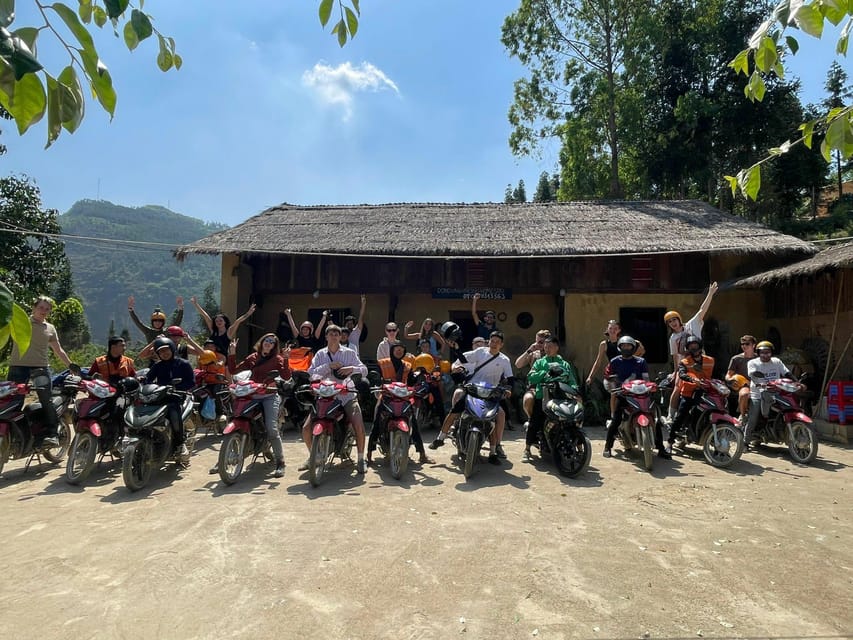
The structure is also smart. You start with a night bus from Hanoi (or pickup options in the Old Quarter) so you gain time, and you travel with an English-speaking guide plus safety gear like full/half helmets and elbow/knee protection. The small group size (limited to 15) helps the trip feel organized without turning it into a loud bus parade.
If you’re the type who gets happier the moment the road starts climbing, this will feel like a good deal. At $159 per person, the value comes from the included motorcycle, fuel, permits/entrance fees, all meals as noted, and roundtrip night transport, not just the driving.
In This Review
- Key Things You’ll Notice on This Loop
- From Hanoi to Ha Giang: Night Bus Start and Early Arrival
- Day 1 Over Thai An Pass to Du Gia and Karaoke Night
- Day 2 Ma Pi Leng, Nho Que River Boat Ride, and Dong Van Dinner
- Day 3 UNESCO Karst, Mud Houses, and the Final Pass Back to Hanoi
- Motorbike Setup, Safety Gear, and How to Prepare
- Price and Value: What $159 Really Buys You
- Who This Loop Fits Best (and Who Should Skip It)
- Should You Book This Tour?
- FAQ
- FAQ
- Where does the tour start in Hanoi?
- Do I ride to Ha Giang right away?
- What’s included with the motorcycle and safety gear?
- Are meals included during the trip?
- What kind of lodging should I expect?
- How much riding is in the 3 days?
- Is travel insurance included?
Key Things You’ll Notice on This Loop
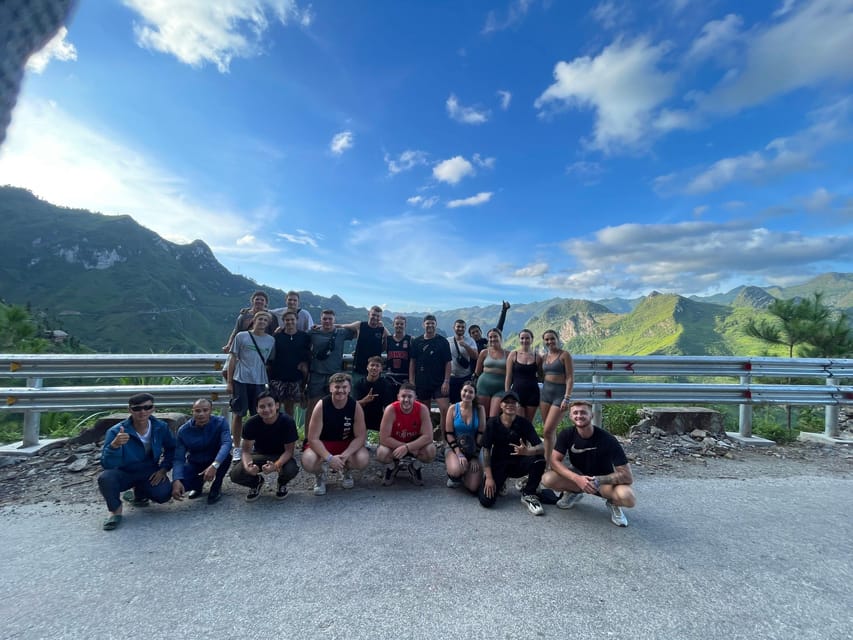
- Ma Pi Leng Pass: a must-stop viewpoint where the Nho Que River looks like a green ribbon below
- Homestay evenings: dinner plus karaoke and hanging out with your hosts
- Village learning time: stops in Thai An village, Ngam La, and Mong/ Hmong communities
- UNESCO Karst Day: Dong Van Karst Plateau is the UNESCO stop on Day 3
- Boat time on Nho Que River: a break from the bike for slower scenery
- Gear included for real roads: helmets, elbow/knee protection, basic rain clothes, and bag protection
From Hanoi to Ha Giang: Night Bus Start and Early Arrival
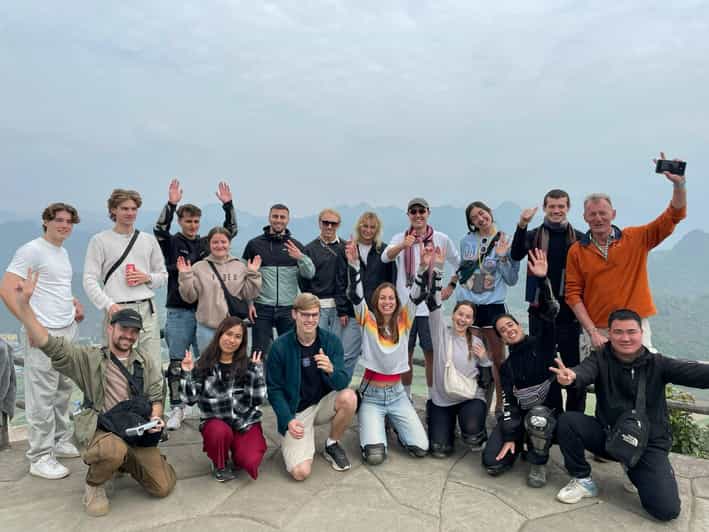
This tour starts with a practical choice: you ride a night bus from Hanoi to Ha Giang, then hit the road early the next morning. If you’re in Hanoi’s Old Quarter, you can be picked up from hostels there, or you may meet at the office depending on the day’s schedule. Either way, the goal is the same—lose less time to travel and arrive ready to explore.
Plan to keep your bags light. Your big suitcase (or anything non-essential) is stored at a hostel in Ha Giang City, and you’ll carry only a small bag on the motorbike. The tour also provides bungee cords and a plastic cover for your luggage, which is worth paying attention to. Mountain roads can be dusty and weather can change fast, so you’ll feel better when your stuff is actually secured.
What about comfort on the first night? You’ll sleep on the bus, then arrive early for breakfast and the first riding day. It’s not a hotel bed. But it’s a classic trade in northern Vietnam tours: less time sitting around, more time on the loop.
A few more Hanoi tours and experiences worth a look


Day 1 Over Thai An Pass to Du Gia and Karaoke Night
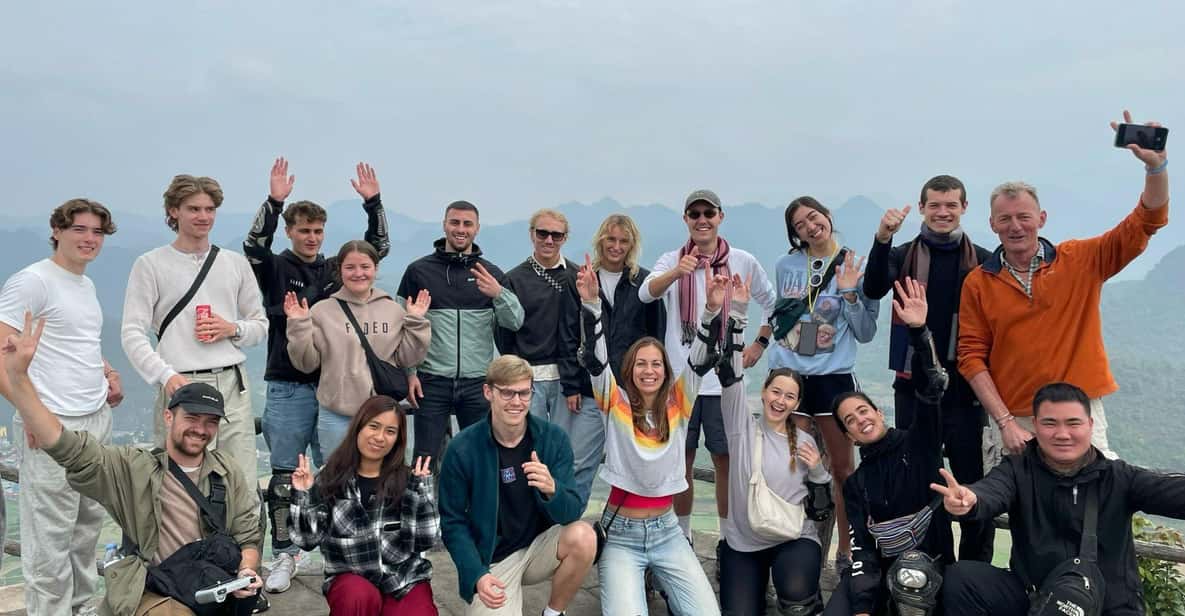
Day 1 kicks off in Ha Giang with breakfast and prep, then meeting your guide at 8:30 am. The first riding segment takes you up to Thai An, with the road threading through mountain scenery. One of the best parts of this day is the contrast: you climb toward passes, then look down into clear blue river views that show you why this region is so famous for dramatic water-and-rock combinations.
After crossing the Thai An pass, you stop for lunch in a small streamside village in Thai An village. This is one of those meals that feels like a pause you earned—simple food, surrounded by the working rhythm of a rural community, not a tourist show.
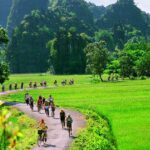
Then the route shifts toward Duong Thuong Valley. Expect towering mountains and stretches of cornfields right by the road. This is the kind of driving that’s fun even without a headline viewpoint, because the scenery changes every few minutes.
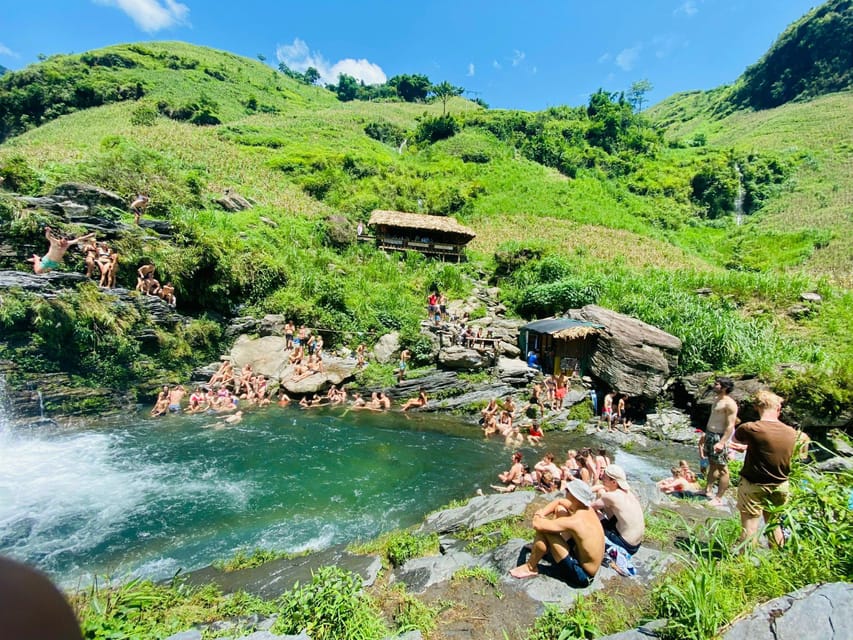
You reach Du Gia in the afternoon. The plan includes the fairy waterfall, a calmer stop to reset after hours on the bike. In the evening, you go from sightseeing mode to people mode: dinner, singing karaoke, and drinks with everyone at the homestay. This is one of the big reasons I like these loops. You’re not just collecting photos—you’re spending the night where locals actually live.
A quick heads-up: homestays and basic guesthouses are part of the value. You may find simpler bathrooms and less creature comfort than you’d expect back in a city. But if you’re okay with that, the payoff is the lived-in feeling.
Day 2 Ma Pi Leng, Nho Que River Boat Ride, and Dong Van Dinner
Day 2 starts with leaving the homestay behind and heading to Ngam La village. The stop here focuses on the valley setting—stretching mountains that look extra dramatic from the road. It’s a good warm-up before the day’s headline: Ma Pi Leng Pass.
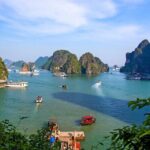
Lunch is served at Mau Due village. After lunch, the route crosses more majestic mountains until you reach Ma Pi Leng Pass, widely seen as one of the standout passes in Vietnam. The viewing moment is the big payoff: looking down from above, the Nho Que River appears like a shimmering green thread dropping through the mountains.
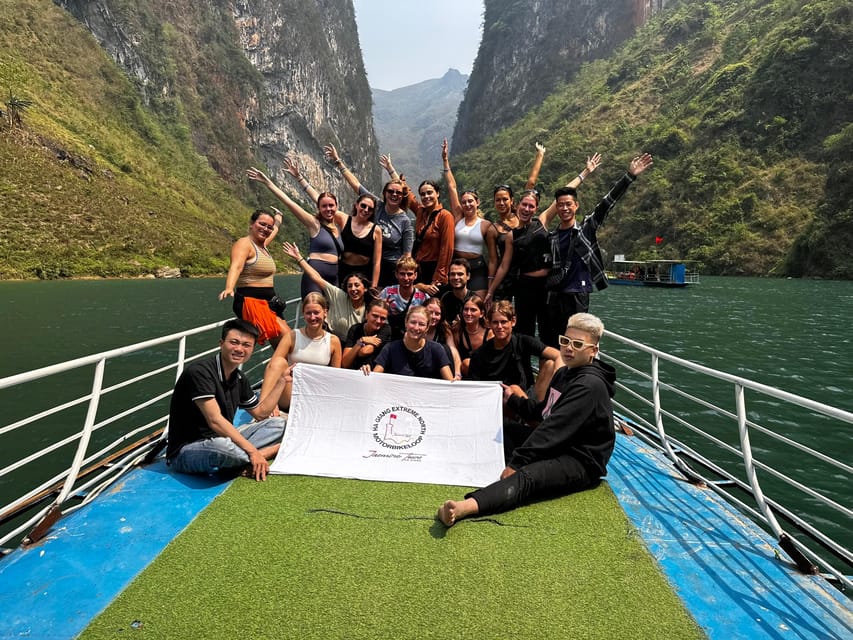
Then you trade the bike for a boat ride on the Nho Que River. This part matters because it breaks up the intensity of riding. The plan is to enjoy the river scenery alongside rocky mountains at a slower pace—less engine noise, more time to actually look.
By late afternoon you arrive in Dong Van. You end the day with a local dinner and the chance to wind down after a full day of mountain roads and viewpoints. If you’re the kind of traveler who gets antsy without a schedule, you’ll like this day. It’s tightly planned, with built-in breaks.
Day 3 UNESCO Karst, Mud Houses, and the Final Pass Back to Hanoi
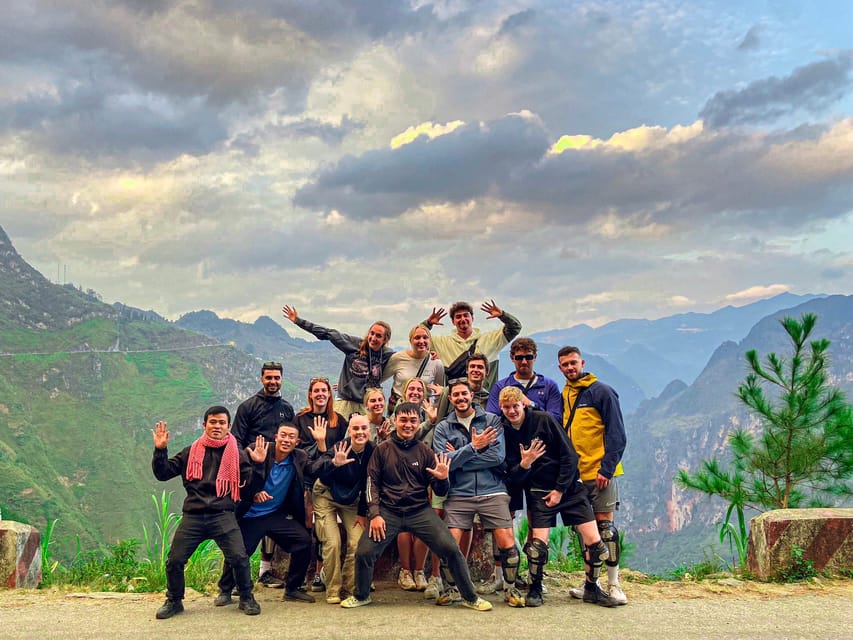
Day 3 begins with leaving the homestay and heading into the Dong Van Karst Plateau area. This is the UNESCO-recognized geopark in Vietnam, and the area is defined by thousands of limestone rocks. You’ll see why the region looks so different from other parts of Vietnam—sharp rock forms and a rugged feel that makes the drives feel more cinematic.
Your first major pass stop is Chin Khoanh Pass. After that, the route moves to Lung Cam village, where you’ll see Mong village homes made of mud and shaped by older local building traditions. It’s one of those stops where you get a quick reality check: these communities aren’t themed. People live here year-round, and your visit is just one part of their day.
Then the tour passes through Pho Cao town before reaching Tham Ma pass. From there, you’ll reach Tam Son town for lunch. After lunch, you’ll get more mountain views from above, including views connected to Mount Tien and the Tam Son area.
The final riding highlight is Bac Sum Pass. It’s another winding road moment that closes the loop emotionally—because by the time you reach it, you’ve already built up a rhythm of climbing, pausing, photographing, and continuing.
By late afternoon, you return to Ha Giang, then board a limosine at 4:15 pm back to Hanoi Old Quarter. You arrive around 11:00 pm. That long return day is also part of what makes this 3-day tour feel intense. You’re doing a full loop, not just a weekend drive.
Motorbike Setup, Safety Gear, and How to Prepare
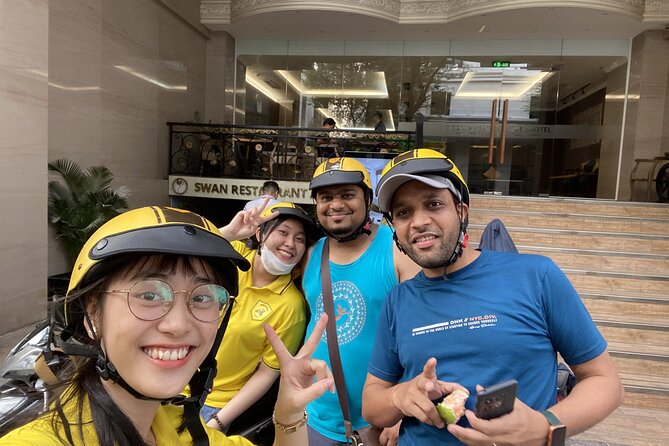
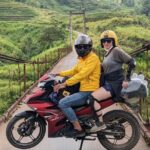
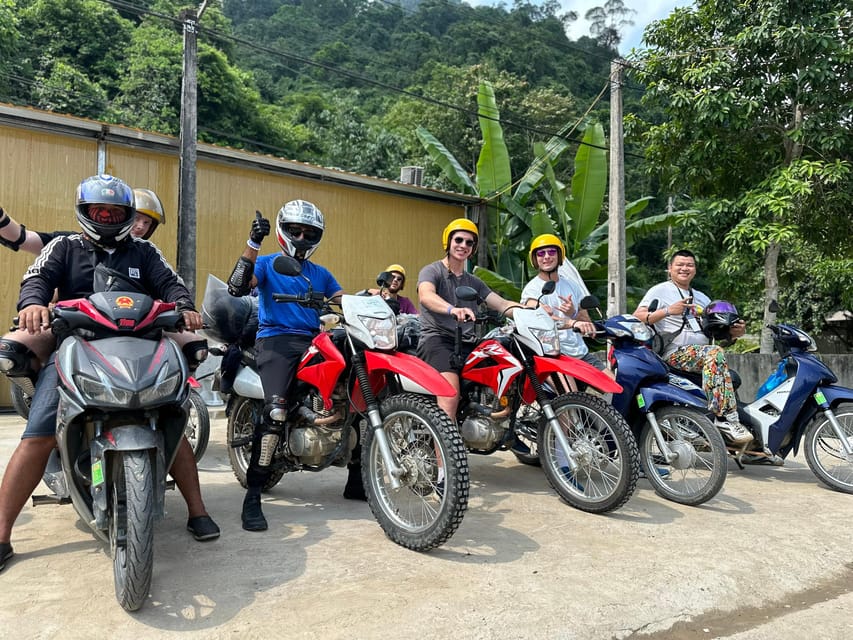
This tour covers about 350 km over 3 days. That means long stretches in the saddle, changes in weather, and plenty of curve-heavy riding. The operator includes a full or half-helmet, protective knee and elbow gear, and basic rain clothes. You also get bungee cords and plastic covers so your bag stays secure.
You should treat the gear as part of your riding plan, not optional extras. Wind and rain can change quickly in the mountains, and the included rain items are meant for practical protection. If you wear glasses, you might want to bring something to keep them steady and covered when the wind hits.
For clothing, think layered. Even if the air starts warm, you can feel temperature drops when you climb. Also, plan for dust and vibration. A camera is explicitly listed as something to bring, and honestly, you’ll want it ready. This loop is made for stopping at viewpoints like Ma Pi Leng and for photos from passes.
Keep a small bag with essentials. You’ll want easy access to water, a light layer, and your camera. If you bring a large suitcase, it’s stored at a hostel in Ha Giang City, which is convenient—but you’ll lose the “grab anything instantly” feeling. So pack smart for what you’ll need while riding.
Safety is a top priority on this tour. You’ll be expected to wear helmets at all times and follow your guide’s instructions. If you’ve never ridden in mountain traffic before, the guide’s pace and routes help take the guesswork out.

Price and Value: What $159 Really Buys You
The headline price is $159 per person for 3 days. What makes it feel reasonable is what’s included versus what you’d normally pay separately on independent travel:
- roundtrip night bus transfer from Hanoi
- a guide (English)
- motorcycle and fuel
- all meals as indicated in the itinerary
- drinking water plus water or soft drinks during lunch
- accommodation (a mix of homestay and hotel, with single rooms possible for an extra fee)
- entrance tickets and permits
- helmets, elbow/knee protection, basic rain clothes
- storage for excess luggage
Also, there’s a practical time saver: the tour includes skip-the-ticket-line, which matters when permits or entry spots pile up.
What isn’t included is also clear. Personal travel insurance isn’t listed, and there’s an Easy Rider option available on request (not included by default). If you plan to ride yourself, you’ll want to be comfortable with that responsibility. If you want a driver, the Easy Rider option is the way to go—but your cost may change depending on how it’s arranged.
There’s also a holiday surcharge mentioned for Christmas and New Year (50 USD per person). Finally, you should factor in your own comfort level. Homestays are part of the deal, so you’re paying for experiences and access, not luxury rooms.
Bottom line: for a loop this structured—passes, river boat time, UNESCO-area day, plus included transport and meals—$159 is the kind of price that makes sense if you want guided convenience without turning it into a private luxury trip.
Who This Loop Fits Best (and Who Should Skip It)
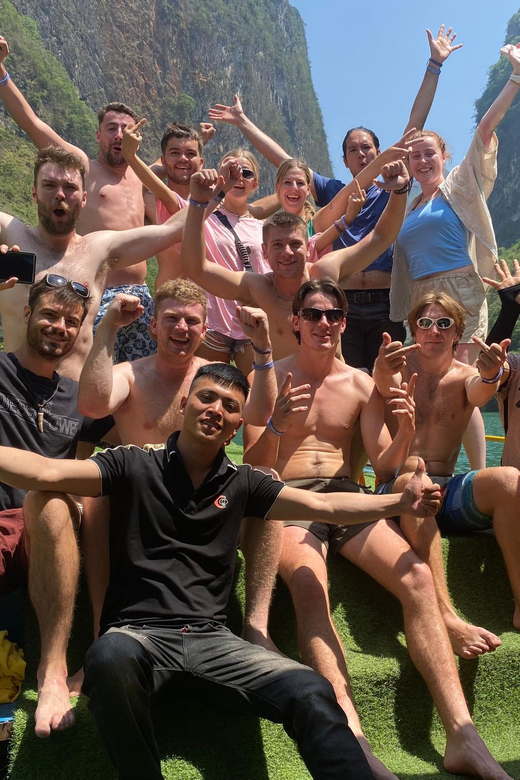
This tour fits best if you’re up for active travel. You’ll be riding for long periods across passes and valleys. You should feel good handling a multi-day schedule where each day is packed with driving plus stops.
You’ll also enjoy it more if you like cultural stops that go beyond the photo moment. The route includes village visits such as Thai An village for lunch, Ngam La village, and Mong community areas like Lung Cam. Plus, you get that night social time at the homestay with dinner and karaoke.
On the other hand, it’s not built for people who want downtime or hotel-style comfort. Accommodation is described as homestays or basic guesthouses, with simple meals. You may find the beds and bathrooms more basic than what you’re used to.
There’s also a clear age limit: not suitable for people over 95 years. And because it’s motorbike travel, it’s not a good choice if you want to avoid the physical demands of a long ride schedule.
If you’re worried about the riding itself, you can ask about the Easy Rider option. The data says it’s available on request, which can help you keep the itinerary without feeling trapped into driving.
Should You Book This Tour?
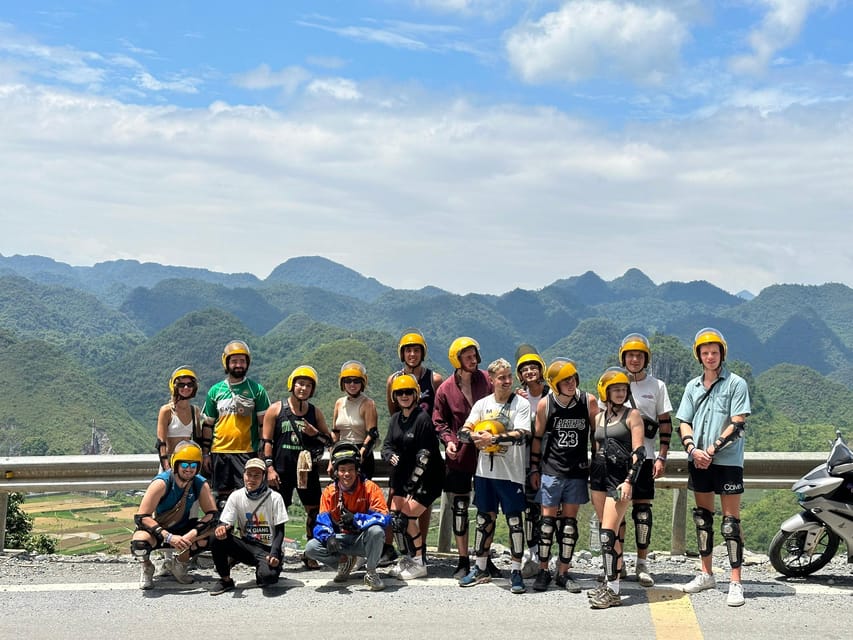
I’d book this if you want a structured Ha Giang loop with the big-name passes and real village life, and you don’t mind trading some comfort for access. The strong value is the mix of included transport, meals, motorcycle, gear, permits, and the fact that you spend nights where locals actually host.
I’d skip it if you’re expecting a relaxed, low-effort trip. This is a “ride, stop, ride again” kind of itinerary. It’s also a great fit for small-group travel—limited to 15 participants—so you won’t feel swallowed by a huge crowd.
FAQ
FAQ
Where does the tour start in Hanoi?
Pickup is available from hostels and hostels in Hanoi’s Old Quarter. You can also meet at the office and board the night bus, depending on the pickup option for your day.
Do I ride to Ha Giang right away?
You’ll typically spend the first night on a night bus from Hanoi, then arrive early the next morning in Ha Giang.
What’s included with the motorcycle and safety gear?
The tour includes a motorcycle, fuel, and safety gear such as a full or half helmet, protective knee and elbow gear, and basic rain clothes. It also includes bungee cords and plastic cover for your bags.
Are meals included during the trip?
Yes. The tour includes all meals as indicated in the itinerary, using local Vietnamese food, plus drinking water and water or soft drinks during lunch.
What kind of lodging should I expect?
Accommodation is a mix of homestays and basic hotels/guesthouses. Single rooms may be available for an extra fee.
How much riding is in the 3 days?
The tour covers about 350 km over 3 days, with long periods of riding and multiple pass viewpoints.
Is travel insurance included?
No. Personal travel insurance is not included, and it’s something you’ll need to arrange yourself.