REVIEW · HOI AN
Half-day Silk Weaving Discovery In Hoi An
Book on Viator →Operated by Hoi An Express Travel · Bookable on Viator
Silk starts with something surprisingly humble. This half-day tour in Hoi An tracks the whole silk story—from mulberry leaves to the fabric side of Vietnam’s famous ao dai look. You’ll also get a calm, hands-on pace that feels more like learning a craft than doing a quick checklist.
I love the hotel pickup and drop-off in Hoi An, because it saves you the hassle of figuring out transport. I also like that the experience often includes hands-on work: feeding silkworms and trying basic weaving on two looms.
One possible drawback: if you mainly want to shop and browse products, expect more time on process than sales-floor wandering. Yes, there’s a showroom—but the main event is what happens before the silk becomes a finished item.
In This Review
- Key highlights at a glance
- From silk worm to ao dai-style fabric: the real purpose
- Hoi An pickup and the calm start at the Silk Village
- What you should expect first
- Ancient mulberry trees and the mulberry-leaf food chain
- A quick practical tip
- Quang Nam sericulture stories: where the tour becomes personal
- Silkworm breeding houses: cocoons up close (and hands-on feeding)
- Why this step is worth your time
- Champa textiles and the weaving house: from fiber to cloth
- Two looms and the meaning of hands-on time
- Showroom time: seeing the finished product without losing the plot
- Keep your expectations realistic
- Snack in the mulberry garden: the small pause that helps
- Price and value: is $55 a fair deal for 4 hours?
- Who gets the best value
- Timing and group size: why 15 people matters
- Best for: who will enjoy this tour most
- Should you book this silk weaving discovery tour?
- FAQ
- How long is the Silk Weaving Discovery tour in Hoi An?
- What does the tour cost?
- Is hotel pickup and drop-off included?
- What will I see during the tour?
- Is there any hands-on activity?
- Is the guide in English?
- What’s included in the price?
- What isn’t included?
- What about children and child pricing?
- Can I cancel for a refund?
Key highlights at a glance
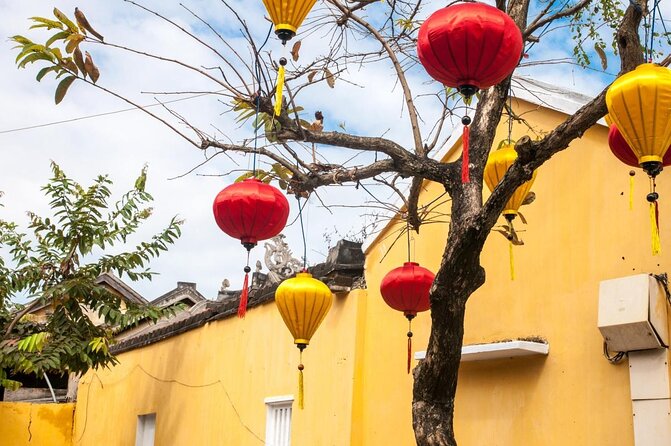
- Mulberry garden with ancient trees: 40+ mulberry trees, some hundreds of years old
- Silkworm life cycle in real time: cocoons up close, plus a chance to feed the worms
- Hands-on weaving time: you may try weaving tools on two different looms
- Champa textile know-how: you’ll see how Champa designs and techniques fit into the craft
- Pickup + small group: hotel pickup/drop-off and a max of 15 travelers for a calmer experience
From silk worm to ao dai-style fabric: the real purpose
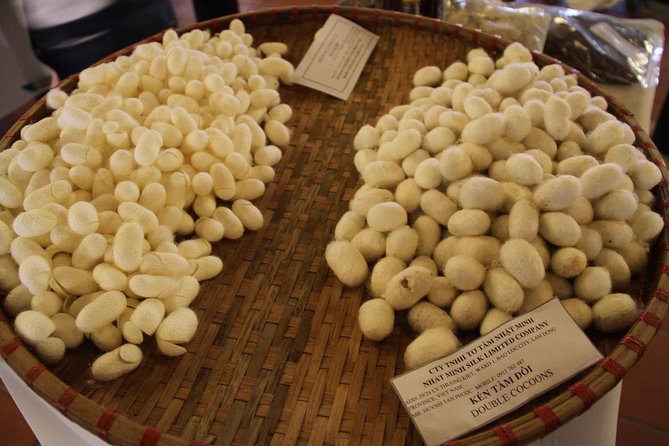
Let’s get one thing straight: this tour is not just about pretty textiles. It’s about how silk actually happens. The path usually starts with mulberry trees (the food source), moves to silkworm breeding and cocoon work, and then leads to the weaving process that turns those fibers into fabric.
If you care about travel that feels specific—like you learned something concrete—this one fits. You’ll leave with a mental picture of the steps, not just a vague sense that silk is soft. And since the time is short (about 4 hours), it’s a nice way to add depth without blowing your whole day.
A few more Hoi An tours and experiences worth a look



Hoi An pickup and the calm start at the Silk Village
You’ll get picked up from your hotel in Hoi An City Center, then head to the Silk Village. On arrival, you’re typically welcomed with a refreshing drink—many guests note a mulberry juice-style welcome—so the whole start feels gentle rather than rushed.
This is where small-group structure matters. With a maximum of 15 travelers, the guide can keep explanations flowing and still give you chances to ask questions. That’s not just comfort; it helps you connect the dots as you move from mulberry trees to silkworm steps.
What you should expect first
- A short introduction to the setting and the craft
- A walk through a mulberry garden with plenty to look at
- Context for how silkworms and weaving connect
If you’re sensitive to strong sunlight, go ready with basic sun protection. The garden is part of the experience, and it’s outdoors for at least part of the time.
Ancient mulberry trees and the mulberry-leaf food chain

Stop one centers on the Silk Village grounds. You’ll see over 40 ancient mulberry trees, including some that are hundreds of years old. That detail isn’t just scenic trivia—it matters because mulberry leaves are the daily fuel for the silkworm stage.
As you walk around, you’ll also get a sense of how sericulture is treated as a living routine, not a one-time production trick. The guide’s explanations help you understand why this place looks the way it does: the garden is the kitchen, and the breeding areas depend on consistent leaf supply.
A quick practical tip
If you’re taking photos, aim for the morning light. Even on a cloudier day, the garden has a calm texture that looks good in pictures without turning into a sweaty slog.




Quang Nam sericulture stories: where the tour becomes personal
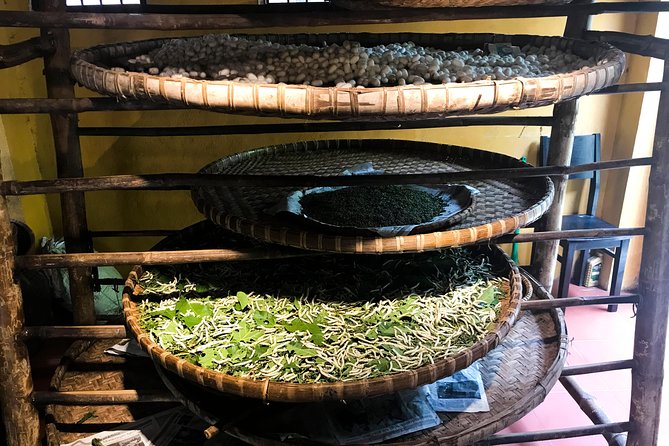
After the initial garden time, you shift into a traditional house in Quang Nam. This is where the tour adds meaning. You’ll hear stories about the art of sericulture—how people learned to raise silkworms, how the process evolved, and why silk became such a valued fabric tradition.
This part helps you connect two things:
1) what you’re seeing (worms, cocoons, looms), and
2) why it matters culturally (including the textile traditions connected to the region and Champa craft influences).
This is also the point where a good guide changes everything. Guests highlight guides like Thu and Lyn for friendly, patient explanations. If you get someone like that, you’ll get answers without feeling rushed or talked over.
Silkworm breeding houses: cocoons up close (and hands-on feeding)
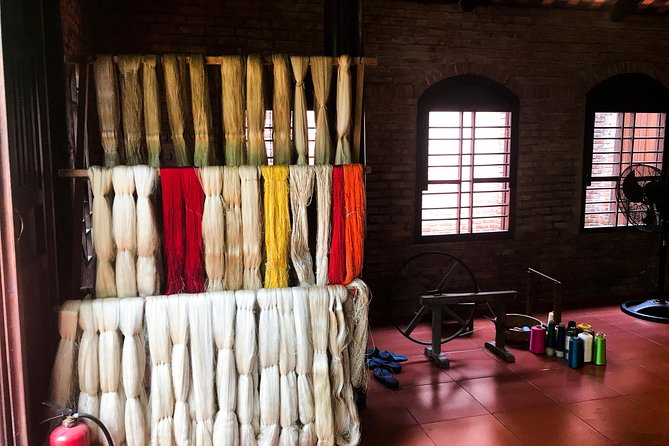
Now you reach the heart of the learning. You’ll explore mulberry gardens and silkworm-breeding houses, where you can see cocoons up close. The process is fascinating because it’s not abstract—you’re literally dealing with the life cycle that produces the fiber.
One of the most praised moments is the hands-on feeding experience. You may be able to feed the silkworms using leaves collected from the garden. That’s a big part of why this tour gets such high scores: it turns silk production from an observation into participation.
Why this step is worth your time
Feeding the silkworms forces you to understand the logic of silk production:
- The worms only thrive with the right food
- The timing matters
- The cocoon stage is the turning point
And yes, it’s slightly surreal the first time you look closely at the work. But it also makes the later weaving step feel real instead of magical.
Champa textiles and the weaving house: from fiber to cloth
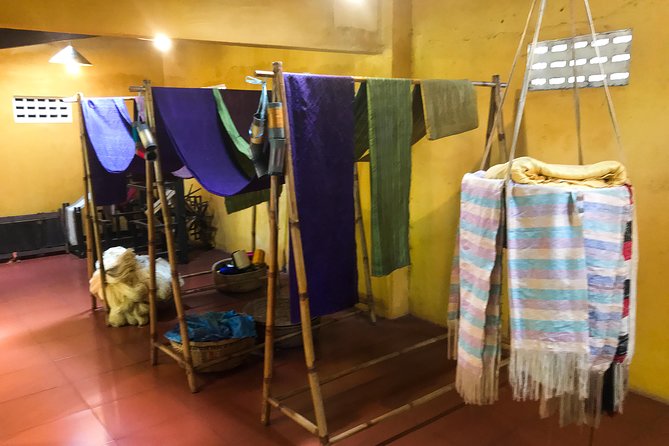
Once you’ve seen the biology side, the tour shifts toward craft. You’ll learn about Champa handicrafts and traditional textile-making techniques. This is where the tour stops being only about “how silk is made” and starts talking about “how people use silk.”
Then you move into the Vietnamese weaving house area. In most visits, you’ll watch the weaving process and/or see skilled tailors working. Some guests also report hands-on weaving time—trying looms and basic techniques—so the experience can feel active rather than purely observational.
Two looms and the meaning of hands-on time
One review highlights that people were able to run two different looms. When a tour gives you a chance to try, it helps you understand why weaving takes skill: the mechanics require patience, coordination, and steady motion.
Even if you only get a short chance, you’ll probably walk out thinking about fabric differently. It stops being “a shirt” and becomes “a set of technical decisions made thread by thread.”
Showroom time: seeing the finished product without losing the plot
There’s a showroom stop where you can admire silk products and watch tailors at work. This is a normal feature of silk tours. But what matters is how much context you get first.
Because you’ve just seen the whole process, the showroom usually feels less like sales pressure and more like the payoff. You can look at finished textiles and recognize the steps that lead there—mulberry leaves, worm care, cocoon processing, then weaving into fabric.
Keep your expectations realistic
This is still a place where products are sold. If you’re only in town for the visuals, you can treat it like inspiration. If you’re shopping, you’ll be better prepared to ask informed questions about what you’re looking at—because you’ll know what stage you’re seeing in your mind.
Snack in the mulberry garden: the small pause that helps
The tour includes a snack, typically enjoyed in the tranquil mulberry garden. It’s a small but smart inclusion. After a few hours of looking at detailed steps, a quick bite helps you reset without cutting the tour short.
You’ll also have bottled drinking water included. That sounds basic, but for outdoor garden time, it’s actually valuable.
Some guests mention an additional meal element during the overall visit, so you may find the schedule includes more food time than just a tiny snack. The reliable part, though, is that you’ll get a snack as part of the experience.
Price and value: is $55 a fair deal for 4 hours?
At $55 per person, this tour sits in the “worth it if you want real craft learning” category. Here’s the value logic, based on what’s included:
- Hotel pickup and drop-off (instead of you arranging transport)
- English-speaking guide (other languages available with surcharge)
- Entrance fees
- Bottled water
- Snack
- Travel insurance
Then there’s the experience value, which is harder to price but easy to feel: hands-on silkworm work, a tour of mulberry trees and breeding areas, and weaving demonstrations (including the possibility of trying looms).
Who gets the best value
You’ll likely feel the price is fair if you want:
- a deeper look at how silk becomes fabric
- interactive steps, not just photos
- a short tour that still feels meaningful
If you prefer shopping-heavy experiences only, you might feel like the $55 is paying for work you didn’t come for. Still, even in that case, the silkworm and weaving elements are usually what people remember.
Timing and group size: why 15 people matters
The tour runs about 4 hours. That length is ideal in Hoi An if you want education without losing your evening plans.
And the group limit of 15 travelers is more important than it sounds. Smaller groups usually mean:
- more space to see what’s happening
- more time to ask questions
- less waiting around between stops
You can also run into very small groups depending on the day. Some past visits were described as only a couple of people, which naturally reduces the feeling of being rushed.
Best for: who will enjoy this tour most
This tour is a strong fit if you:
- like hands-on learning
- enjoy craft process more than showroom browsing
- want a break from crowded walking routes in the Old Town
- care about textiles connected to the ao dai look and local fabric traditions
It’s also a good option for couples and solo travelers who want something structured, with pickup included. Families can participate too, with the tour offering age-based pricing and a limit on the number of children per adult.
Should you book this silk weaving discovery tour?
I think it’s a smart booking if you’re the type of traveler who likes learning how things work. The combination of mulberry trees, silkworm feeding, cocoon viewing, and weaving practice makes this more memorable than a typical “see and move on” craft stop.
If you’re on a strict timetable, the half-day length is a win. And if you’re worried it’s only a shopping trip, the format gives you the context first, so you can make better decisions later in the showroom.
Book it if you want a calm, craft-focused morning. Skip it if your main goal is shopping and you’d rather spend that time elsewhere in Hoi An.
FAQ
How long is the Silk Weaving Discovery tour in Hoi An?
It runs for about 4 hours (approximately).
What does the tour cost?
The price is $55.00 per person.
Is hotel pickup and drop-off included?
Yes. Hotel pickup and drop-off are included for hotels in Hoi An City Center.
What will I see during the tour?
You’ll visit a mulberry garden, a silkworm-breeding house area, and a silk-weaving studio, and you’ll also visit a showroom to see finished silk products.
Is there any hands-on activity?
The experience is hands-on in parts. You may have a chance to feed silkworms, and some activities may include trying weaving-related steps.
Is the guide in English?
Yes. The tour includes an English-speaking guide. Other languages are available upon request with a surcharge.
What’s included in the price?
Included items are bottled drinking water, English-speaking guides (other languages available with surcharge), entrance fees, travel insurance, snack, and hotel pickup/drop-off in Hoi An City Center.
What isn’t included?
Personal expenses like shopping and extra beverages are not included, and tips or gratuities are not included.
What about children and child pricing?
Children 0–5 years old are free. Children 6–10 years old are 50% off. The tour also notes a limit of 1 child accompanied by 1 adult, and the 2nd child pays the adult price.
Can I cancel for a refund?
Yes. Free cancellation is available if you cancel up to 24 hours in advance of the experience start time for a full refund. Canceling less than 24 hours before start time is not refundable.