REVIEW · HANOI
3-Night Sapa Trek and Homestay with Round Trip Transfer from Hanoi
Book on Viator →Operated by Crossing Vietnam Tour · Bookable on Viator
One night on a train sets the tone. I love the overnight train ride and the Zay homestay experience, because it turns Sapa from a day-trip into a real journey; the one drawback is the trekking can be tough on wet, uneven paths.
You’re going to see the Muong Hoa valley up close, walking through terraced rice country and village trails with an experienced guide. The schedule is designed, but travel days can still feel a bit “in motion,” so you’ll get the most out of it if you stay flexible.
In This Review
- Key Points at a Glance
- Why This Sapa Trek Starts With an Overnight Train Ride
- Day 1: Hanoi Pickup, Night Train to Lao Cai, and the First Big Change of Pace
- Day 2 Morning Hike Toward Giang Ta Chai and the Muong Hoa Valley
- Ethnic Villages, Handicraft Skills, and Learning More Than Just Names
- Ta Van Homestay With the Zay Hill Tribe: Where the Trip Becomes Personal
- Trekking Time, Trail Conditions, and Fitness Reality Check
- Price and Inclusions: Does $218 Per Person Feel Fair?
- Who This Sapa Trek and Homestay Suits Best
- Should You Book This 3-Night Sapa Trek and Homestay?
- FAQ
- FAQ
- What is included in the price?
- Are round-trip train tickets from Hanoi included?
- Where do I meet the tour in Hanoi?
- What train cabin do you use on the overnight ride?
- Are meals included during the trek?
- Do you stay in a homestay, and where?
- How difficult is the trekking?
- What happens if weather is bad or I need to cancel?
Key Points at a Glance
- Overnight train, round-trip from Hanoi saves you a full day of transport
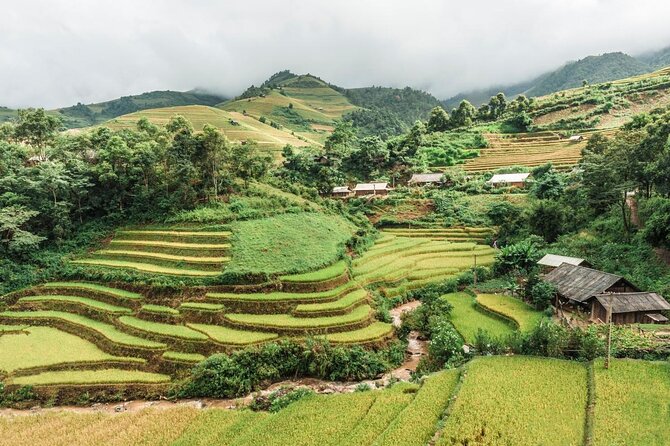
- Muong Hoa valley trekking through villages of H’mong, Zay, and Red Zao people
- Women’s handicraft stop where skills are shared and exchanged
- One night homestay in Ta Van with the Zay hill tribe for real local life
- Meals included (breakfast, lunch, dinner) mean fewer planning headaches
- Group size capped at 40 keeps the experience from feeling chaotic
Why This Sapa Trek Starts With an Overnight Train Ride

Sapa has a way of eating up your time—unless you get smart about transport. This tour uses a round-trip overnight train from Hanoi to Laocai (and back), which is a big value for your energy and your schedule. You sleep on the move, then start trekking in the morning with the region already within reach.
I also like how the train plan makes the trip feel structured without feeling like a factory line. You’re not spending your first day stuck on a bus, staring at scenery you can’t really enjoy. Instead, you arrive in the Sapa area ready to move.
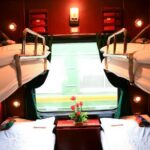
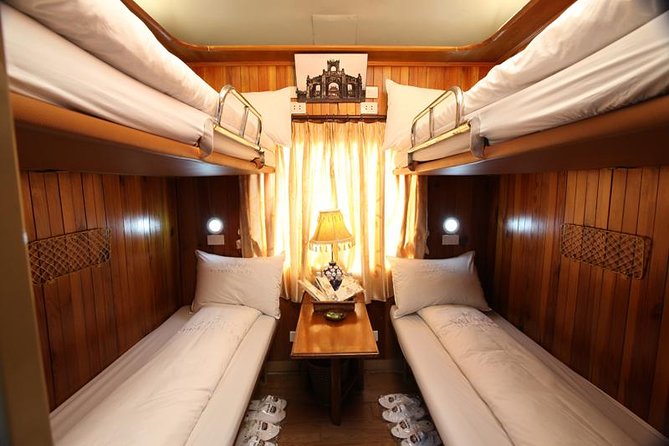
One more practical upside: your package is set up for you. You get train tickets in a shared 4-soft-sleeper cabin with air-conditioning, plus meals on the trek days—so you can travel light and stop worrying about logistics every hour.
You can also read our reviews of more evening experiences in Hanoi


Day 1: Hanoi Pickup, Night Train to Lao Cai, and the First Big Change of Pace

Your tour day starts at 8:00 pm, with pickup from the hotel lobby in Hanoi. You’ll be driven for a short transfer to Hanoi Station, then board the overnight train to Laocai (the rail leg is roughly listed as 10 hours).
This is the part of the trip where you should set expectations. The ride isn’t just transport—it’s part of the experience rhythm. If you’re the kind of traveler who likes seeing your “day” happen on a schedule, you might find night travel shifts your sense of timing. If you’re okay with that, it’s a smooth way to gain time for the mountains.
When the trip ends, you’re dropped at Hanoi Railway Station and you head back to your hotel on your own. That means you’ll want a realistic plan for your final evening in Hanoi.
Day 2 Morning Hike Toward Giang Ta Chai and the Muong Hoa Valley

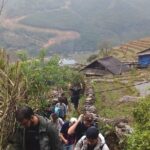
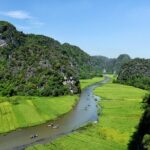
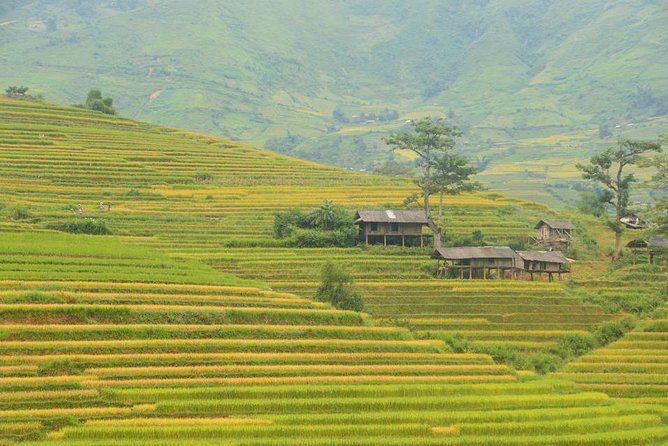
Day 2 starts with breakfast at the homestay, and then you begin trekking in the late morning (the plan lists 7:00 am breakfast and 9:00 am start). You’ll hike uphill, passing terraced rice fields, small hamlets of the H’mong, and stretches through a bamboo forest.
This day matters because it’s where Sapa becomes physical. Terraces look good in photos, but on foot you also feel the relationship between slope, water, and farming. The villages you pass aren’t staged stops; you’re moving through real paths used by people who live there.
A quick but important note: the hiking on this route can be described as more challenging than “moderate” on paper. One review specifically flags narrow, slippery, uneven, rocky, muddy sections and stream crossings that may require careful stepping. So if you’re even slightly unsure, I’d treat this as a “plan for grit” trek, not a casual stroll.
Ethnic Villages, Handicraft Skills, and Learning More Than Just Names
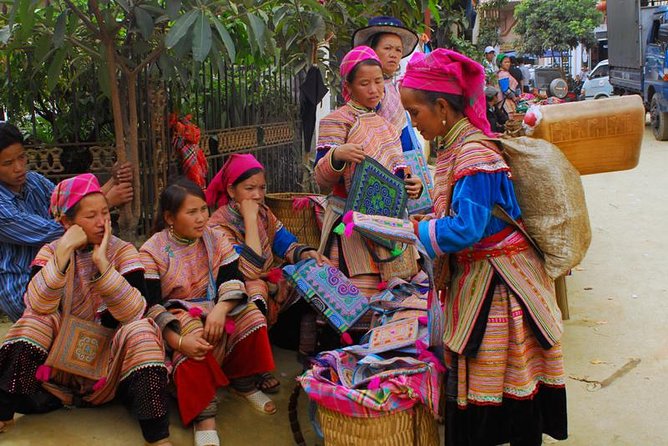
This itinerary focuses on Vietnam’s ethnic minority communities, including villages tied to H’mong, Zay, and Red Zao people. The value here isn’t just seeing a village from a viewpoint—it’s getting context through your guide as you move between places and spend time observing daily life.
A highlight is the visit to a local handicraft center where women gather to exchange skills. That detail is more meaningful than it sounds. In many tourist areas, craft demos become performative. Here, the point is the exchange of techniques—so you’re seeing how skills travel through community, not just watching someone repeat a single routine for visitors.
If you want a practical souvenir strategy, I’d keep it simple: buy only if you genuinely connect with the items, and ask what they’re used for or how they’re made. That’s the best way to turn a craft visit into support for the makers, not just another receipt.
Ta Van Homestay With the Zay Hill Tribe: Where the Trip Becomes Personal
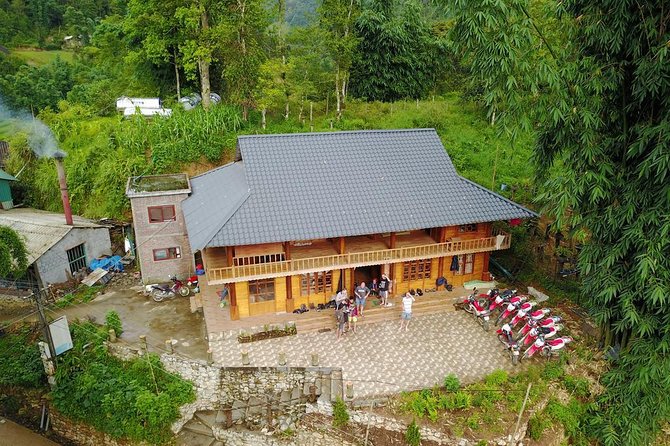
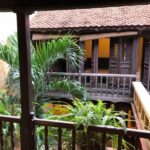
You’ll spend one night at a homestay in Ta Van village, with the Zay hill tribe. This is the part of the trip that tends to stay with people, because it turns the trek from sightseeing into relationships—sharing a meal, following household rhythm, and learning how locals live when the tourists are gone.
Homestays also change the way you handle the day. After trekking hours, you’ll likely feel more tired than you expected, and the homestay night is where you “pay back” that effort with quiet downtime. The best approach is to bring a flexible attitude: help when you’re asked, keep your voice calm inside, and expect fewer amenities than a hotel.
Even positive experiences can come with a reminder: the homestay itself may be delightful, while the trek leading to it may still be physically demanding. So if you’re reading this as a “comfort-first” option, adjust your mindset. The comfort is cultural and human, not luxury.
You can also read our reviews of more hiking tours in Hanoi


Trekking Time, Trail Conditions, and Fitness Reality Check
This is the section where I want you to be honest with yourself, because Sapa trails don’t care about your travel spreadsheet. The route includes steep sections, rocky and muddy footing, and narrow trail stretches—plus water crossings that can be slippery.
So what should you do with that information?
- Wear sturdy shoes with real grip (not just decent sneakers).
- Assume wet ground is a possibility even when the day looks fine.
- Bring a trekking mentality: slow pace beats bravery, especially on uneven steps.
One review was very direct: don’t book unless you’re in very good physical condition. Another review praised the trekking experience itself, including the dedication of local guides who keep moving no matter what. That contrast tells you the same truth: this trek can be excellent, but it’s not always easy.
There’s also a cultural angle to keep in mind. On the trail, you may see guides working while caring for family, and one review described a guide walking with a baby strapped to her back the whole time. It’s a reminder that this isn’t staged trekking—these are local routines.
Price and Inclusions: Does $218 Per Person Feel Fair?
At $218 per person, you’re not just paying for “Sapa.” You’re paying for time saved and costs bundled together—especially the train portion.
Here’s what’s explicitly included:
- All fees and taxes
- 02 round-trip high-quality train tickets in a shared 4-soft-sleepers cabin with air-conditioning
- Meals included: 2 breakfasts, 2 lunches, 2 dinners
- Pickup offered
- Mobile ticket
- Admission tickets are included per the itinerary format
What’s not included:
- Drinks and personal expenses
- Any meals not indicated on the itinerary
So the value question is simple: would you otherwise pay for an overnight train cabin plus guided trekking plus most meals? If you’re already planning to do Sapa by train and hire a guide anyway, the price starts looking reasonable.
My only pricing caution is timing. This tour is often booked about 11 days in advance on average, which can mean spots move. If you’re deciding last-minute, you may pay more for similar arrangements—or end up with a less coherent plan.
Also, train operations can sometimes change. One review noted that trains weren’t running at the time, yet the tours continued. Translation: you should be ready for the operator to adapt transport if needed.
Who This Sapa Trek and Homestay Suits Best
This tour fits best if you want:
- A hands-on trek into the Muong Hoa valley
- Real interaction with ethnic minority life through village walking and a homestay
- A guided experience that takes care of your biggest logistical chunks (train tickets, most meals, transfers)
It’s also a good fit if you’re comfortable walking on uneven trails and you don’t mind that weather can affect routes. The experience requires good weather; if conditions are poor, the tour may be rescheduled or refunded.
Who should think twice? If you’re someone who struggles with steep, slippery trails, or you want a mostly flat itinerary, this probably won’t feel “moderate” in the real world. Based on the terrain description, you’ll be much happier if you can handle climbing and careful footwork.
Should You Book This 3-Night Sapa Trek and Homestay?
I’d book this if you’re aiming for a true Sapa experience, not just a quick photo stop. The overnight train plus guided trekking plus a Zay homestay in Ta Van is a strong combo, and the included meals remove a lot of daily decision fatigue.
But I wouldn’t book it on autopilot. Treat the trek as physically serious, especially if you’re traveling in wet season conditions or you know you tire easily. If you’re prepared with the right shoes and a slower pace, the cultural parts—the craft center and the homestay—will land harder and feel more real.
If your travel style is flexible, you’ll do well here. If you need a perfectly static plan with zero surprises, you might feel restless when timing shifts on the road.
FAQ
FAQ
What is included in the price?
The package includes all fees and taxes, 2 round-trip high-quality train tickets (in a shared 4-soft-sleepers shared cabin with air-conditioning), meals listed as 2 breakfasts, 2 lunches, and 2 dinners, and pickup is offered. You also receive a mobile ticket.
Are round-trip train tickets from Hanoi included?
Yes. The tour includes round-trip rail transport between Hanoi and Laocai on an overnight train.
Where do I meet the tour in Hanoi?
You start at 47 P. Hàng Bông, Hàng Trống, Hoàn Kiếm, Hà Nội, Vietnam at 8:00 pm.
What train cabin do you use on the overnight ride?
The tour includes train tickets in a 4 soft-sleepers shared-cabin with air-conditioning.
Are meals included during the trek?
Yes. The tour lists meals included as 2 breakfasts, 2 lunches, and 2 dinners. Drinks and personal expenses are not included.
Do you stay in a homestay, and where?
Yes. You spend one night in a homestay in Ta Van village with the Zay hill tribe.
How difficult is the trekking?
The route involves trekking in mountainous terrain with uphill sections and trails that can be narrow and slippery. One review specifically advises not booking unless you are in very good physical condition due to rocky, muddy, uneven paths and stream crossings.
What happens if weather is bad or I need to cancel?
The experience requires good weather. If it is canceled due to poor weather, you’ll be offered a different date or a full refund. For cancellations, you can cancel up to 3 days in advance of the experience for a full refund; within 3 days, the amount is not refunded.