REVIEW · HANOI
From Hanoi: 3-Day Sapa Trekking with Limousine Transfer
Book on GetYourGuide →Operated by DragonflyCruise.com · Bookable on GetYourGuide
Sapa is a workout with payoff. This 3-day trip from Hanoi moves at a steady pace using a luxury limousine, gets you into the villages fast, and then sends you walking through Sapa’s terraced scenery. The catch: the trek can feel challenging, especially if the weather turns rainy or cold.
I also love how the trip balances culture with actual walking time. You’ll meet local minority groups in traditional dress, eat planned meals, and get explanations from an English-speaking guide—guides like Trang have been praised for humour and clear local stories, while Me has been highlighted for strong English and practical area knowledge.
In This Review
- Key points before you go
- From Hanoi to Sapa: how the limousine transfer changes everything
- Day 1 in Sapa: Cat Cat village and your first taste of minority life
- Day 2 is the main trek: rice terraces, Lao Chai, Ta Van, and remote villages
- Day 3: a flexible morning, Sapa town time, and the return to Hanoi
- How hard is it, really? Weather, footwear, and the cold months
- Cultural stops that feel human, not scripted
- Food and comfort: included meals, homestay basics, and town time
- Price check: does $199 match the value?
- Who should book (and who should skip)
- Should you book this Sapa trekking tour from Hanoi?
- FAQ
- Where are the pickup and drop-off points in Hanoi?
- How long is the trip and how many nights do I stay in Sapa?
- What are the trek distances for the two trekking days?
- Are meals included?
- Does the price include Fansipan tickets?
- What kind of guide do I get?
- What should I bring for Sapa’s weather and hiking?
- Is the tour okay for children or people with mobility issues?
Key points before you go
- Luxury limousine transfer reduces stress on the Hanoi-to-Sapa route, with a comfortable, air-conditioned ride and scheduled breaks
- Cat Cat first day gives you a gentler start: about 4 km over roughly 2 hours down toward the valley
- Day 2 is the big one at 12–15 km, linking rice terraces, Lao Chai, Ta Van, and farther-out villages
- Ethnic village visits focus on H’Mong, Dzao/Red Dzao, and Tay communities, with daily-life context from your guide
- Small group plus time to explore Sapa town on your own means you’re not stuck every minute with the crowd
From Hanoi to Sapa: how the limousine transfer changes everything
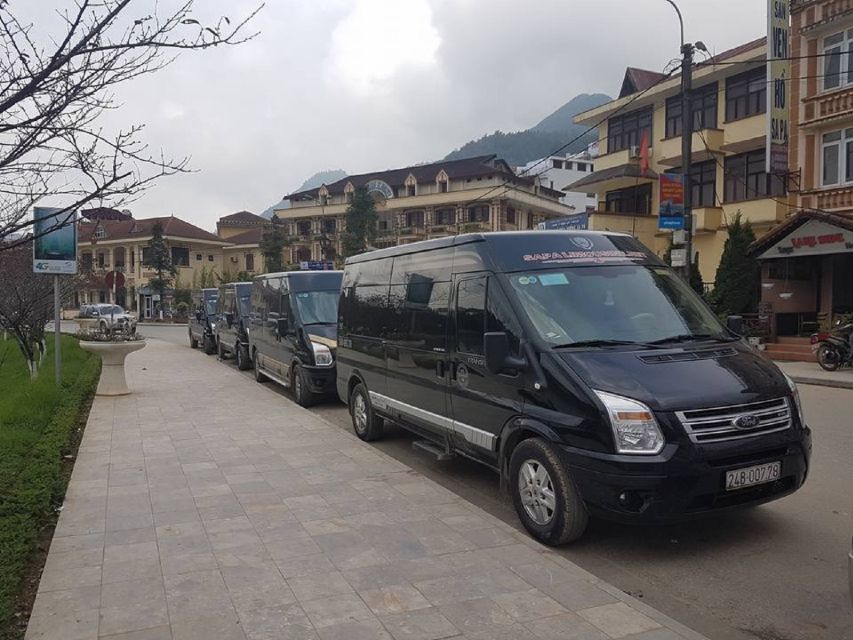
This tour’s biggest “quality of life” perk is the modern air-conditioned limousine ride. Sapa can be a long day of travel from Hanoi, so shaving off fatigue matters. You’re picked up from the meeting point in Hanoi’s Old Quarter between about 6:45 and 7:00, then the van makes a couple of stops on the way. You roll into Sapa around 12:30, which is a real win because it gives you time for a proper lunch and check-in instead of arriving too late to enjoy anything.
Another smart detail: the schedule is built to make the town feel like part of the trip, not just a transit stop. After your first hike and dinner-time flexibility, you get an overnight in Sapa for two nights total. That means you can wake up already in the mountains instead of losing another whole morning to travel.
One practical note: the ride is comfortable, but it doesn’t remove the reality that Sapa weather can shift fast. Packing for cold fog or mist is still on you, even if the car part is easy.
You can also read our reviews of more hiking tours in Hanoi

Day 1 in Sapa: Cat Cat village and your first taste of minority life
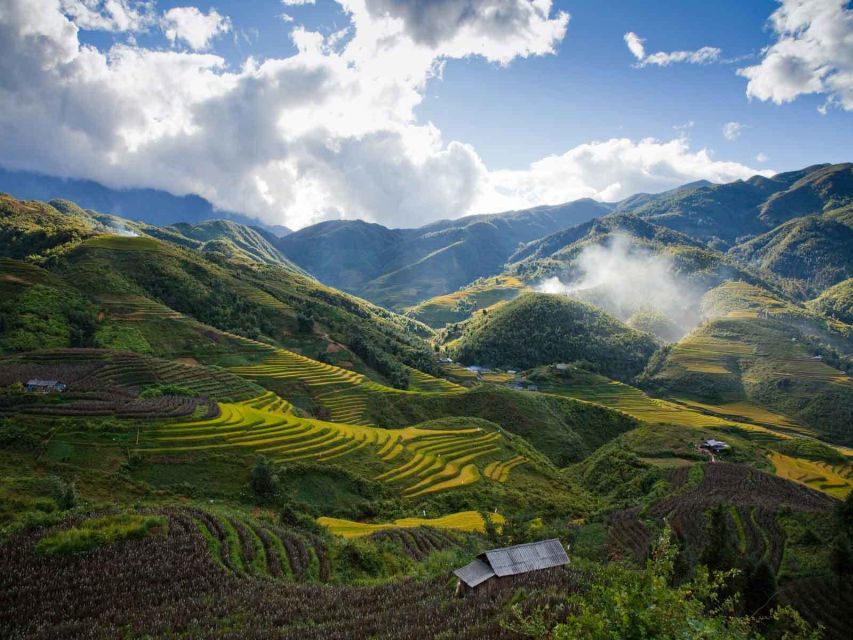
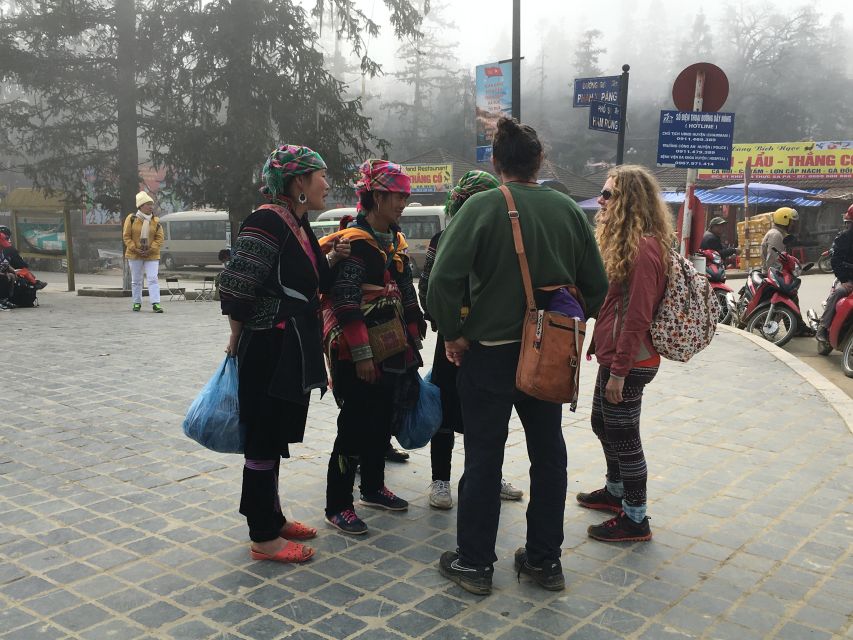
On day 1, you step into Sapa with a guided intro to what life looks like for several local groups. After you meet some community members from the H’Mong, Dzao, and Tay groups—often in colourful traditional clothing—you’ll have a Vietnamese lunch and then check into your hotel.
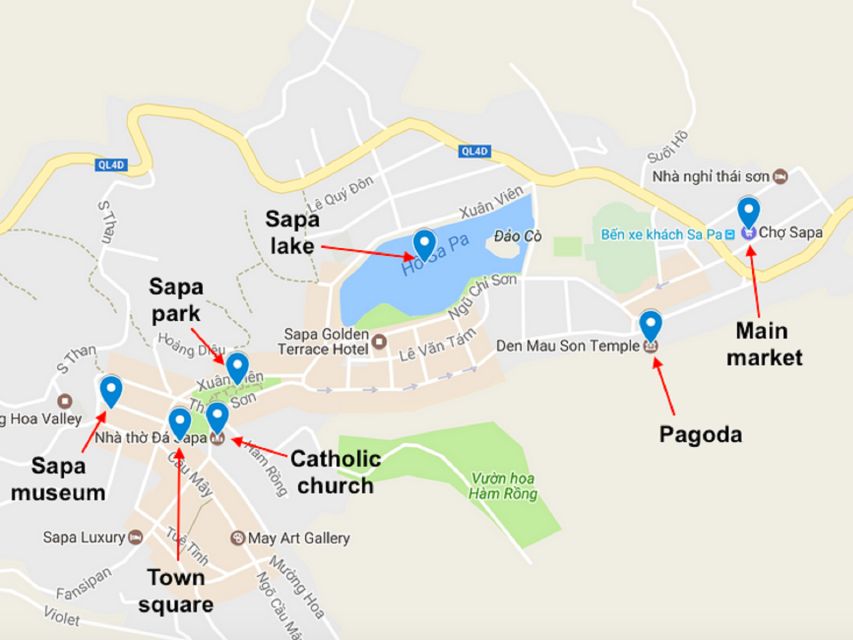
Then you get your first walking segment: the easy trek to Cat Cat village. This is at the foot of Mount Fansipan, the highest mountain in Vietnam. The walk is about 2 hours and covers roughly 4 km (2.3 miles). It’s “easy” compared with the later day, but it still counts as a real hike. You’ll trek down toward the valley while your local guide explains day-to-day routines and what you’re seeing.
Why this is a good first day: Cat Cat sets the tone without battering your legs. It also gives you context for what people are doing on the hillsides—farming, pathways, community life—so your later treks make more sense. If you jump straight into the longer 12–15 km day without a warm-up, you’ll feel it.
After that, you transfer back to Sapa for dinner on your own. That unplanned time is useful. You can keep it simple, or you can browse without feeling like you must follow a tour schedule every minute.
Day 2 is the main trek: rice terraces, Lao Chai, Ta Van, and remote villages
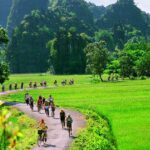
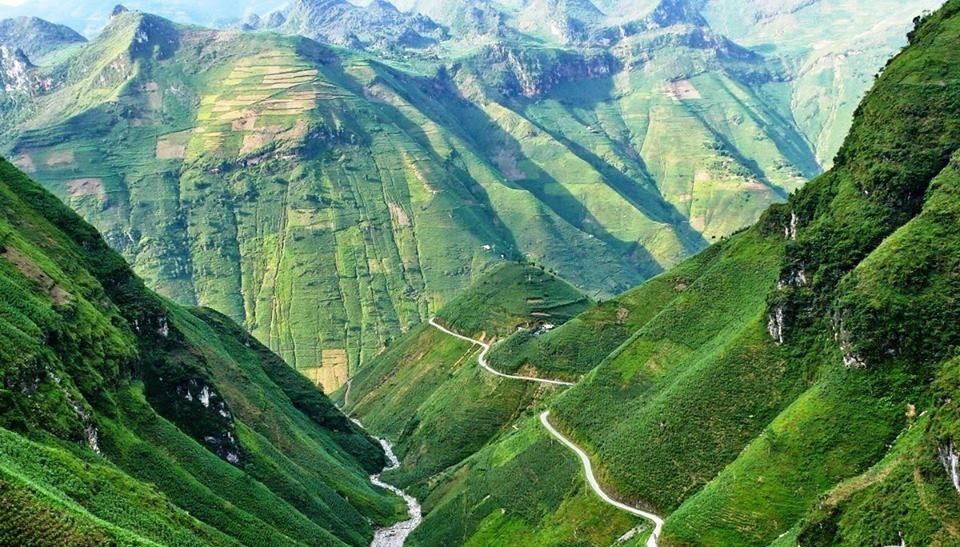
Day 2 is where the trip earns its reputation as a hard trek. After breakfast, you’re set up for a route that totals around 12–15 km. The structure is nicely planned: you start with rice terraces, then you connect villages step by step, and you finish with farther-out stops that feel like real hill-tribe life rather than the most crowded photo stops.
Here’s how the walking is paced:
- A first segment of about 5 km along rice terraces to Lao Chai, a Black H’Mong village
- Then trekking on to Ta Van village, home to the Dzao ethnic minority
- A next stretch toward Y Linh Ho and Ban Ho Village, a quieter area where you get more of that everyday rhythm
Each transfer and walk segment is paired with guide time—photo stops, guided visiting, sightseeing, and walking on the way. You’ll also have lunch included during the day.
What I like about this layout is that it avoids the all-day “one long slog with no stops” problem. You’re constantly breaking things up: terraces, village scenes, short pauses for photos, and guided commentary. It’s still work, though. The distance is no joke.
A small warning, based on the tour’s own guidance: rainy weather can make trekking feel tougher than you expect. If the ground is slippery, your pace will drop, and your legs will feel it more. This is also one reason the tour isn’t suitable for people with mobility difficulties or children under 6.
When you wrap up, you return to your hotel and get another overnight. That means you’re not immediately driving back to Hanoi after the hardest day—your body gets a chance to recover.
Day 3: a flexible morning, Sapa town time, and the return to Hanoi
Day 3 keeps things lighter. After breakfast, you get a free and easy morning to discover Sapa town on your own. This is a good moment to do simple things you might not bother doing otherwise: people-watch, grab snacks, or shop for practical warm layers if the mountain weather caught you off guard.
You also have the option to visit Fansipan Peak yourself. If you want to do that, you’d purchase tickets and sort out timing with the hotel receptionist support. (Fansipan tickets and any Fansipan tour are not included in the main package.)
Then, at 11:30, you check out and have lunch. By about 14:30 you head back toward Hanoi, arriving around 21:00 at your starting meeting point area.
This day is valuable because it keeps you from ending with another forced trek. It also gives you a better chance to enjoy Sapa town without rushing.
How hard is it, really? Weather, footwear, and the cold months
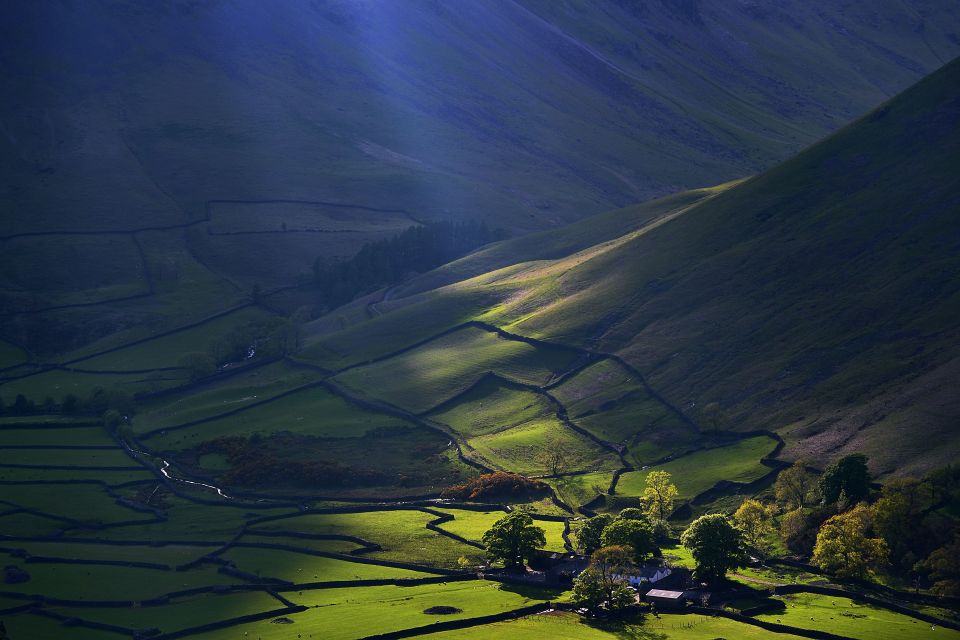
The trip is described as a hard trek, and you should treat it that way. Day 1 is manageable (about 4 km, roughly 2 hours), but day 2 is the heavy workload. You should plan for uneven ground, steps, and changing trail conditions.
Also plan for Sapa weather that plays games. The tour notes it’s normally cold during September through March, with fog sometimes common in December through February and March. That doesn’t just make you uncomfortable; it can affect visibility and ground conditions too.
Pack smart with what the tour explicitly suggests:
- Trekking shoes you can trust on uneven surfaces
- Sunglasses and sunscreen
- Sun hat
- Insect repellent
- Warm clothes, including a scarf, hat, and cap
- Any special medication you need
And bring Vietnamese Dong. The banking system in Sapa can be unpredictable, and cash is easier. US dollars and euros are accepted too, but don’t rely on card-only options.
If you’re a confident hiker and you show up with proper footwear, you’ll likely enjoy the challenge. If you’re not, this is still doable, but you should go in expecting a day where pace slows and breaks matter.
A few more Hanoi tours and experiences worth a look



Cultural stops that feel human, not scripted
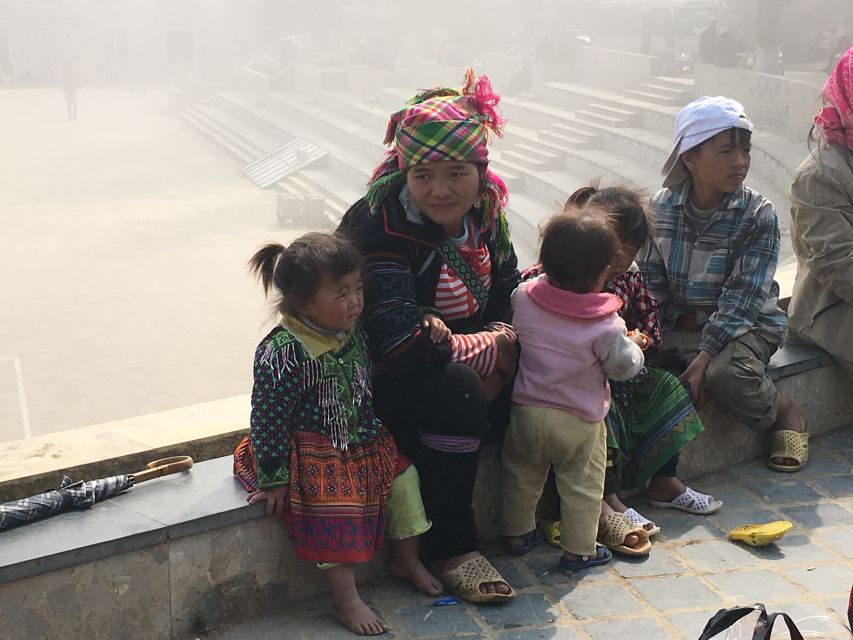
The culture side isn’t tacked on at the last second. You meet minority community members in traditional dress early in day 1, and your guide keeps the focus on everyday life and what you’re seeing. The tour mentions H’Mong, Red Dzao (Dzao), and Tay groups, and the trekking route matches those communities across different villages.
Why this matters: when the cultural visits connect with the walking route, you stop treating villages as scenery and start understanding them as places with routines—paths, farming, clothing tied to identity, and social life.
One more detail I appreciate: the tour keeps you moving but not rushing you through every moment. You’ll have time for a self-guided tour element in Cat Cat, plus guided visiting and sightseeing moments later. That gives you room to ask questions, take photos, and just watch how people interact with the terrain.
Dinner is not included, which is practical. It also gives you the freedom to eat what’s comfortable after a trekking day instead of being “locked” into a set menu.
Food and comfort: included meals, homestay basics, and town time
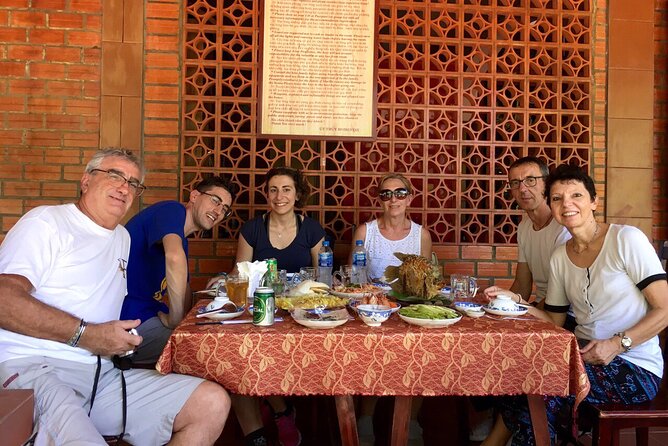
Food is handled in a straightforward way: 3 lunches and 2 breakfasts are included. That’s useful because it reduces uncertainty during a demanding walking schedule. You’re not trying to hunt for a place to eat while you’re tired and trying to find energy for the next hike.
Dinner isn’t included, and on day 1 you eat dinner by yourself in Sapa. On day 2 you return to the hotel after trekking, with your dinner again not stated as included. This is the kind of setup that works well if you like choosing your own meal based on energy and hunger level.
Where comfort gets real: your stay is either a hotel or a homestay depending on the option you choose. The tour notes homestays offer only basic amenities. That doesn’t automatically mean it’s bad—some people prefer the simplicity—but you should adjust your expectations. If you want more predictable comfort, a hotel option will likely feel easier after long trekking days.
Also, there’s a small-group format available, and a live English-speaking guide. That combination usually means you can ask more questions without feeling lost in a large bus crowd.
Price check: does $199 match the value?

At $199 per person for 3 days and 2 nights, this can be good value if you factor in what you’re getting: pickup and drop-off, a limousine transfer, a local guide, entry tickets to indicated sites, plus 3 lunches and 2 breakfasts. You’re also getting day 2’s longer trekking route, which is where many cheaper trips cut corners.
But here’s the fairness check: Fansipan tickets and any Fansipan tour are not included, and dinner plus drinks are also not included. If you plan to do Fansipan, your total budget will rise. On the other hand, the tour’s schedule gives you time to decide without forcing you to commit early.
Another value angle is the pacing: you arrive around noon, you sleep two nights in Sapa, and you drive back after a full day experience. If you try to DIY this without local guiding, you’d spend time on planning and likely still need a guide for villages and logistics.
So I’d call it reasonable for travellers who want structured support and meals, but still want some town freedom.
Who should book (and who should skip)

This tour fits best if you:
- Want a guided trek with village context rather than just a viewpoint hunt
- Are comfortable with a longer 12–15 km day and uneven trails
- Enjoy meeting local communities and listening to explanations in English
- Prefer the convenience of a limousine transfer from Hanoi instead of handling transport alone
You should think twice if you:
- Have mobility challenges or need accessibility support
- Travel with children under 6 (not suitable)
- Don’t like cold, fog, and slippery conditions in mountain weather
- Are counting on Fansipan to be included in the base price (tickets are extra)
Also follow the rules: no smoking and no pets.
Should you book this Sapa trekking tour from Hanoi?
Book it if you want Sapa in a way that feels practical: comfortable transport, two serious trekking days (with day 1 as a warm-up), guided village visits, and meals planned so you can focus on the walking.
Skip it or look for an easier alternative if your trekking tolerance is low, you hate cold fog weather, or you need a fully flexible schedule with no structured hikes. The trek component is the core of the experience, and it won’t politely soften just because you have a long trip behind you.
If you’re the type who’s happiest when you’re moving through real places—rice terraces, village paths, and community life—this is a strong match.
FAQ
Where are the pickup and drop-off points in Hanoi?
The tour offers hotel pickup in Hanoi’s Old Quarter at the meeting point at 31 P. Lò Sũ, and the experience ends back at the same meeting point.
How long is the trip and how many nights do I stay in Sapa?
It’s a 3-day trip with 2-night stay in Sapa (either a hotel or a homestay depending on the option selected).
What are the trek distances for the two trekking days?
Day 1 includes about a 4 km trek (roughly 2 hours) to Cat Cat village. Day 2 includes a challenging 12–15 km trek through multiple villages, including a 5 km section to Lao Chai.
Are meals included?
Yes. The tour includes 2 breakfasts and 3 lunches. Dinner and drinks are not included.
Does the price include Fansipan tickets?
No. Fansipan tickets and any Fansipan tour are not included, but you can purchase tickets on your free time and ask for help from the hotel receptionist.
What kind of guide do I get?
You’ll have a live tour guide in English. Small group options are available.
What should I bring for Sapa’s weather and hiking?
Bring passport or ID card, comfortable shoes, sunglasses, a sun hat, sunscreen, insect repellent, and warm clothes (including a scarf, hat, and cap). The tour also recommends sunscreen and trekking shoes.
Is the tour okay for children or people with mobility issues?
No. The tour is not suitable for individuals with mobility difficulties and children under 6.