REVIEW · HANOI
From Hanoi: 2 Days Sapa Trek & Fansipan Adventure with Dcar
Book on Viator →Operated by SST TRAVEL · Bookable on Viator
This trip is a practical way to experience Sapa’s ethnic culture and the big views toward Fansipan without getting lost in logistics. I especially like the mix of hiking plus village time, from H’mong stilt houses in Cat Cat to the walk through the Muong Hoa Valley toward Lao Chai and Ta Van. One drawback to plan around: the schedule includes long transfers, and one past traveler flagged that pickup can sometimes be messy before things settle down.
For most people, the value is strong because you’re not just paying for a guide—you also get a round-trip Hanoi–Sapa limousine (Dcar 9s), a 3-star hotel for one night, and meals (breakfast plus two lunches). The group size is capped at 10 travelers, which usually makes the trek feel manageable rather than crowded.
Before you go, note that Fansipan is optional on day two, and the Fansipan cable car is not included. You’ll choose either an easier sightseeing trek up Ham Rong (Dragon’s Jaw) or go for Fansipan using train/cable car on your own budget.
In This Review
- Key highlights to focus on
- Entering Sapa: costumes, valley views, and why this trek works
- Hanoi to Sapa on Dcar 9s: long, but not miserable
- Day 1 to Cat Cat Village: downhill walking and traditional stilt houses
- Day 2 morning choices: Ham Rong (Dragon’s Jaw) vs Fansipan (and cost reality)
- Lao Chai and Ta Van villages: daily life, not just viewpoints
- Price and logistics: what you pay for, and when it’s a win
- What’s included (and what you’ll need to cover yourself)
- Trekking comfort tips: shoes, layers, and pacing your energy
- Who this tour suits best (and who might want a different style)
- Should you book this 2 Days Sapa Trek & Fansipan Adventure with Dcar?
- FAQ
- Where does the tour start in Hanoi?
- How long is the trip?
- What time do we arrive in Sapa on day one?
- Is hotel accommodation included?
- Do I need to bring money for Fansipan?
- What trekking level is required?
- What meals are included?
- How big is the group?
- Is cancellation free?
Key highlights to focus on
- Hanoi Opera House pickup at 6:30am: early start that lines up well with reaching Sapa in the afternoon.
- Downhill Day 1 to Cat Cat Village: less punishing hiking paired with village culture.
- Muong Hoa Valley viewpoint energy: you get perspective on Fansipan even when you don’t go all the way up.
- Village walks beyond the postcard stops: Lao Chai and Ta Van add daily-life context.
- Dcar 9s comfort: a long day of travel that many people feel less painful than expected.
- Small group max 10: easier pacing and more personal help from an English-speaking guide.
Entering Sapa: costumes, valley views, and why this trek works
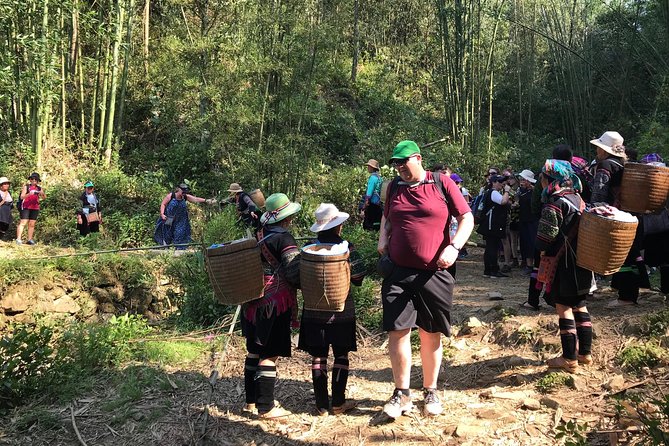
Sapa has a reputation for scenery, but what you’ll notice first is the people. One reason this style of tour feels good is that it puts you face-to-face with traditional clothing and daily work in village areas, not just at the viewpoint and back to town.
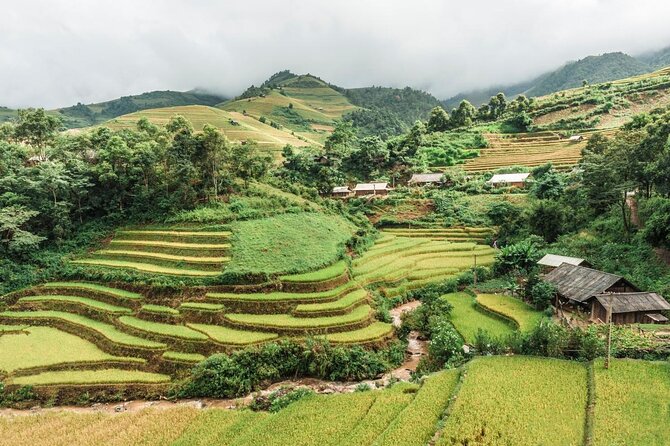
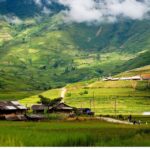
The route is built around the idea of moving through the Muong Hoa Valley. That matters because the views toward Fansipan start making sense as you go—downhill, then back toward other villages where you can see how the terrain shapes life.
And you’re not stuck in one mode. Day one leans more cultural plus easy-to-moderate downhill hiking. Day two gives you a choice: Ham Rong (Dragon’s Jaw) for a mountain viewpoint style outing, or a Fansipan push if you’re ready to add extra cost and effort.
You can also read our reviews of more hiking tours in Hanoi


Hanoi to Sapa on Dcar 9s: long, but not miserable
The tour includes round-trip limousine transport with Dcar 9s between Hanoi and Sapa. The departure is scheduled early from the Hanoi Opera House area (Tràng Tiền, Hoàn Kiếm). That’s a huge plus because you don’t waste a morning hunting for a bus station.
The best practical takeaway here is comfort and timing. One traveler noted the ride didn’t feel like a painful 6-hour trip, and that tracks with what a well-run car service should feel like when you’re not doing transfers mid-journey. You also get AC, which is not a luxury you want to negotiate in northern Vietnam.
Still, be real with yourself: any two-day trek tour that starts with long road time will feel like “travel days” as much as “hike days.” If you’re sensitive to motion or fatigue, it helps to hydrate early and keep your first-day hiking light in mindset.
Day 1 to Cat Cat Village: downhill walking and traditional stilt houses
Day one starts with a pickup window between 6:30am and 7:00am, then you head to Sapa. You arrive around 1:00pm, and the plan includes lunch and check-in at a 3-star hotel afterward, so you’re not hiking straight off the bus.
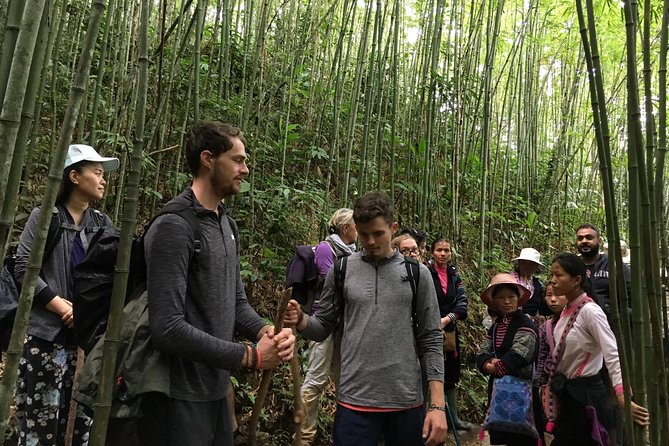
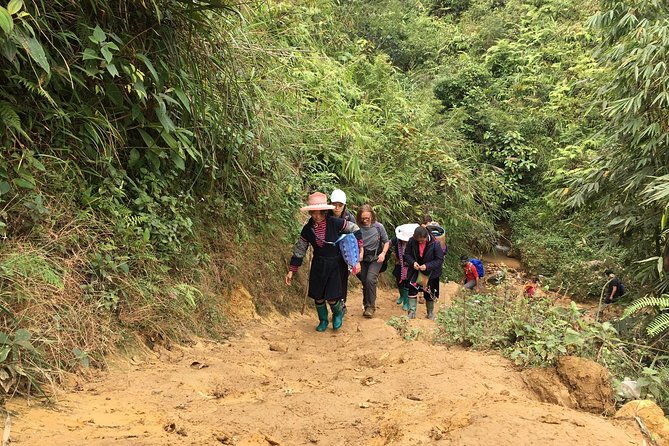
In the late afternoon, you trek downhill to Cat Cat Village. This is a clever choice because you’re using the valley’s slope to do the work with less strain. As you walk, you get those classic Muong Hoa Valley views—where Fansipan becomes a landmark in the distance rather than just a name.
Once you reach Cat Cat, the focus shifts from “walking” to “watching.” You’ll have time to see Black H’mong traditional stilt houses and observe daily craft work like weaving and embroidery, plus how people manage and dry clothing. This isn’t framed as a performance; it’s more about spending time where the skills actually happen.
The day ends with a visit to Cat Cat Waterfall. The waterfall stop gives you a natural place to slow down, take photos, and reset before dinner and an overnight at the hotel.
What to watch: because day one is built around afternoon trekking after lunch and check-in, you should treat the timing as flexible. If you’re prone to getting hungry or cold, bring a small snack and a light layer just in case.
Day 2 morning choices: Ham Rong (Dragon’s Jaw) vs Fansipan (and cost reality)
After breakfast (scheduled roughly 7:00am to 8:30am), you check out around 9:00am. Then you choose your day-two style.
Option A: trek up Ham Rong (Dragon’s Jaw) mountain. This is a solid way to get that “mountain viewpoint” experience without stacking extra transport tickets on top. It’s also a good fit if you want your day to feel like part trek, part sightseeing.
Option B: go to Fansipan using train and/or cable car. Here’s the key point: Fansipan cable car is not included, so you’ll need to budget that cost separately. Fansipan itself is optional, but the equipment access isn’t free, and that can change the overall value depending on how strongly you want to reach the summit area.
Either way, the day is paced to still include village walks later. So don’t think of day two as only “one big thing.” It’s more like a stack: mountain choice first, then village life.
My advice for choosing: if you’re not chasing the top specifically, Ham Rong can be the smarter play. It keeps the trip focused, and you still get the high-mountain feeling. If Fansipan is your priority, plan for added expense and a heavier day that starts early.
Lao Chai and Ta Van villages: daily life, not just viewpoints

After the mountain segment, the itinerary keeps moving through the valley with visits to Lao Chai and Ta Van.
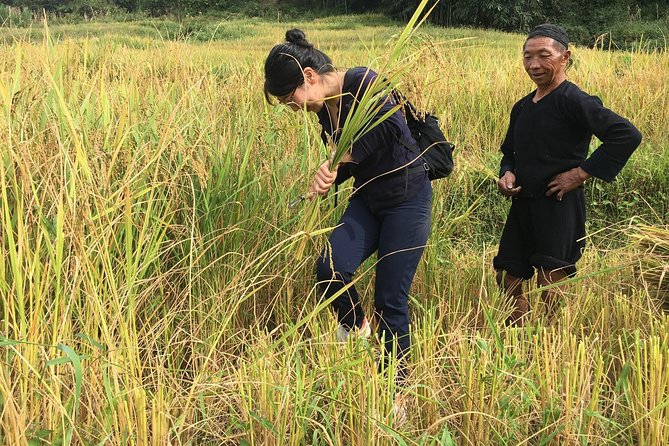
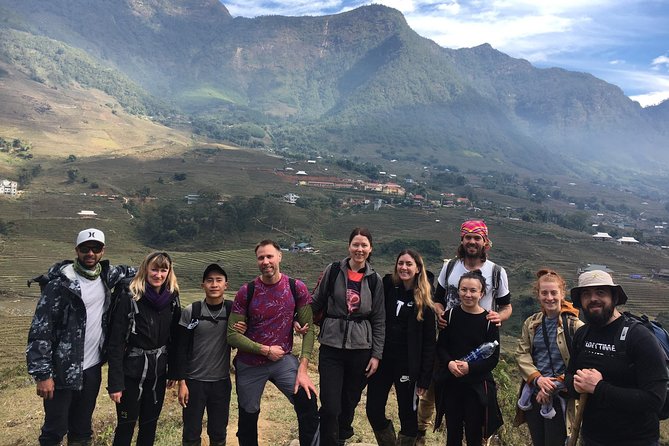
Lao Chai is where the tour emphasizes walking through rice terraces and experiencing Black H’mong daily life. That means you’re not just looking at fields from above—you’re moving through the working side of the area and seeing how daily routines fit the terrain.
Then you’ll reach Ta Van village, home to the Tay minority. The tour description notes strong Chinese cultural influence there, which is one reason this stop adds variety. It’s a reminder that Sapa isn’t one single culture in one single script. You’ll likely notice different styles and daily patterns as you go.
This portion is valuable because it gives context. Fansipan is the headline, but the valley is the setting. These villages explain why the valley matters and how communities have shaped life around the mountains.
Potential drawback: village walking can feel weather-dependent. If conditions are misty, rain-heavy, or slippery, your pace may slow. It’s smart to wear shoes that grip well and be ready for a little uneven ground.
A few more Hanoi tours and experiences worth a look
- Doris Cruise 5 star cruise 2 days visiting Halong Bay Lan Ha Bay private balcony
★ 5.0 · 2,338 reviews





Price and logistics: what you pay for, and when it’s a win
The price listed is $95 per person for two days, with an average booking window of about 23 days in advance. That matters because tours like this often sell out when the weather is good and hotels fill up.
For this cost, you get a lot included:
- Breakfast
- English-speaking guide
- Air-conditioned vehicle
- Dcar 9s Hanoi–Sapa–Hanoi
- Entrance fee
- One night in a 3-star hotel
- Lunch (2)
If you’re comparing to the “pay everything separately” approach—private transport, guide, and hotel—this package often looks like better value. You’re basically buying a clean system: transport locked in, hotel sorted, meals built in, and someone to guide the walking route.
Where the value can shift is optional cost. Fansipan cable car is not included. Also, drinks in meals and tips/taxes are not included. If you plan to do cable car, your true trip cost becomes higher than $95, so the question becomes: is summit-level access your top priority?
Also keep in mind that you’re using road transport for two days. That’s part of the deal. If you want to minimize transfer time above all else, you might look for other formats—but for many people, the included limousine service is exactly what makes this workable.
What’s included (and what you’ll need to cover yourself)
Here’s the practical checklist based on what’s listed.
Included:
- Breakfast
- English-speaking guide
- Air-conditioned vehicle and limousine Dcar 9s
- Entrance fee
- 1 night in a 3-star hotel
- Lunch twice
Not included:
- Drinks during meals and anything not stated
- Tax and tips
- Single room surcharge (if you book solo and need your own room)
- Fansipan cable car
- Holiday surcharge
Practical tip: if you’re the kind of traveler who likes cold drinks during meals, budget a little extra for that. Also pack small cash or a card for optional mountain costs, so you aren’t stuck deciding on the spot.
Trekking comfort tips: shoes, layers, and pacing your energy
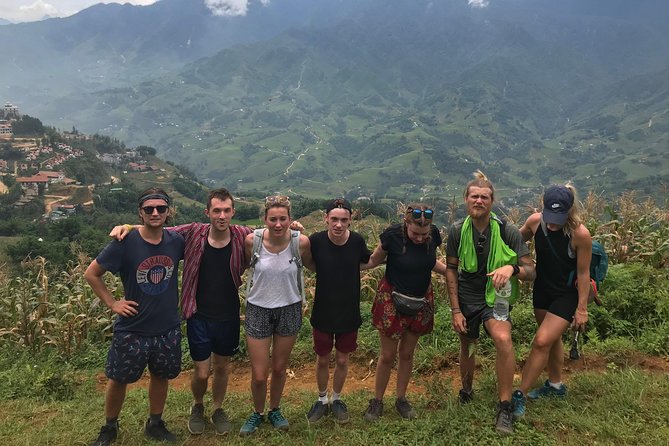
This is listed for travelers with moderate physical fitness. That’s a good signal: you don’t need to be an athlete, but you also can’t treat it like a leisurely stroll.
Do this before you go:
- Wear shoes with traction. Cat Cat and terrace areas can be uneven.
- Bring a light rain layer and a warm one. Northern Vietnam weather can shift fast.
- Pack a small snack and water. Even with meals included, you’ll appreciate a quick energy boost during walking time.
Pacing matters most on day two. If you choose Fansipan, you’ll likely feel more “on” physically and mentally. If you choose Ham Rong, the vibe stays more balanced and may feel more like a sightseeing trek.
And one more thing: start early, but don’t start frantic. The pickup is scheduled, and one traveler previously described pickup as the worst they’d ever seen before things recovered. That’s not the same as “everything will go wrong,” but it’s a reminder to arrive a little ahead of the pickup window and keep your confirmation info handy.
Who this tour suits best (and who might want a different style)
This tour fits best if you want:
- Guided culture time in Sapa’s village areas
- Scenic valley walking without planning every detail
- A comfortable, structured two-day format with hotel and meals included
- The option to go harder with Fansipan if you choose
It may not be ideal if you:
- Want zero early mornings or minimal transfer time
- Have limited tolerance for long van rides
- Are sensitive to schedule changes caused by weather or pickup confusion
If you love mixing viewpoints with real village stops, this is a strong match. If your goal is only one summit day, you might consider a different trip format that centers entirely on Fansipan.
Should you book this 2 Days Sapa Trek & Fansipan Adventure with Dcar?
I’d book it if you like a balanced plan: culture, valley walking, and mountain views, all handled for you with a small group and a comfortable Hanoi–Sapa ride. At $95 with a 3-star hotel and multiple meals included, it offers real convenience value—especially if you don’t want to coordinate transport and village logistics on your own.
I’d hesitate only if Fansipan summit access is your single non-negotiable goal. Since cable car costs extra, your total spending rises quickly, and you may want a trip that makes that choice feel simpler from the start.
If you’re flexible, comfortable with moderate trekking, and want Sapa to feel like more than one viewpoint, this is an easy yes.
FAQ
Where does the tour start in Hanoi?
It starts at the Hanoi Opera House area, located at 1 Tràng Tiền, Phan Chu Trinh, Hoàn Kiếm, Hà Nội. Pickup is scheduled around 6:30am.
How long is the trip?
The tour is listed as approximately 2 days.
What time do we arrive in Sapa on day one?
You depart Hanoi in the early morning and arrive in Sapa around 1:00pm.
Is hotel accommodation included?
Yes. The tour includes 1 night in a 3-star hotel.
Do I need to bring money for Fansipan?
Fansipan cable car is not included, so you’ll likely need extra money if you choose the Fansipan option.
What trekking level is required?
The tour is described as suitable for travelers with moderate physical fitness.
What meals are included?
Breakfast is included, and lunches are included twice during the two days.
How big is the group?
The maximum group size is listed as 10 travelers.
Is cancellation free?
Free cancellation is available up to 24 hours in advance for a full refund.

More 2-Day Experiences in Hanoi
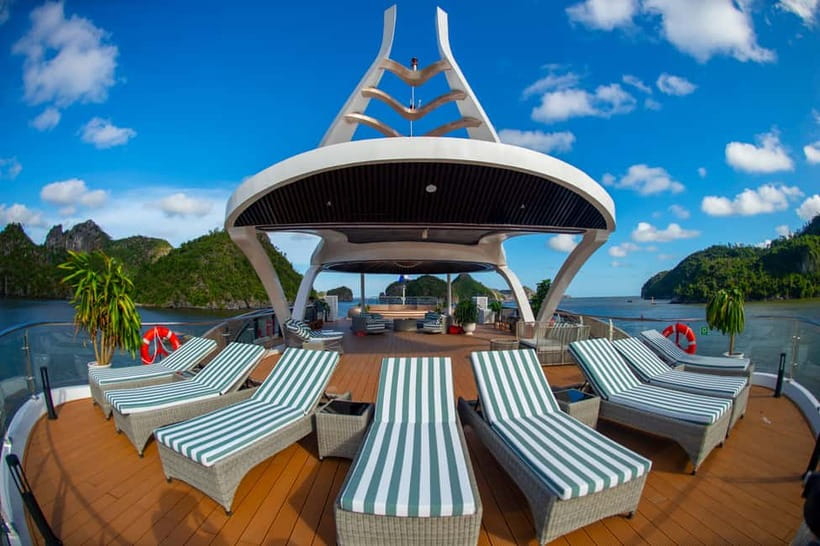
- Doris Cruise 5 star cruise 2 days visiting Halong Bay Lan Ha Bay private balcony
★ 5.0 · 2,338 reviews