REVIEW · HANOI
Traditional Silversmith Workshop in Hanoi
Book on GetYourGuide →Operated by Beyond Backstreet Tours · Bookable on GetYourGuide
Handmade silver in Hanoi feels personal fast. Dinh Cong village has long-running silversmithing going back over 1000 years, and the local specialty, thin silver, is made entirely by hand. I also like the small group setup, which keeps things practical and lets you finish one real piece.
One thing to consider is the distance from Old Quarter: the workshop meets in Hoang Mai, about 10km from Hoan Kiem Lake.
In This Review
- Key things to know
- Dinh Cong Village: Why Thin Silver Is Different
- What You’ll Make: Ring, Pendant, Earrings, or Bracelet Options
- The 3-Hour Flow: From Village Context to Your Finished Piece
- Learning the Craft Feel: Patience, Control, and Tiny-Thread Skills
- English Guidance and a Small Group: Better Help Than You Think
- Price and Value: What $54 Actually Buys
- Where You Meet and How Far It Is From Hoan Kiem
- The Craft Gear: What’s Included (and What You Might Want to Ask)
- Who This Hanoi Silversmith Workshop Suits Best
- Should You Book This Hanoi Silversmith Workshop?
- FAQ
- Where does the traditional silversmith workshop take place?
- How much does the workshop cost?
- How long is the workshop?
- What can I make during the session?
- Does the price include the silver materials?
- Is there an English-speaking guide?
- Are food and drink included?
- What is the meeting point?
- Is the group size limited?
Key things to know
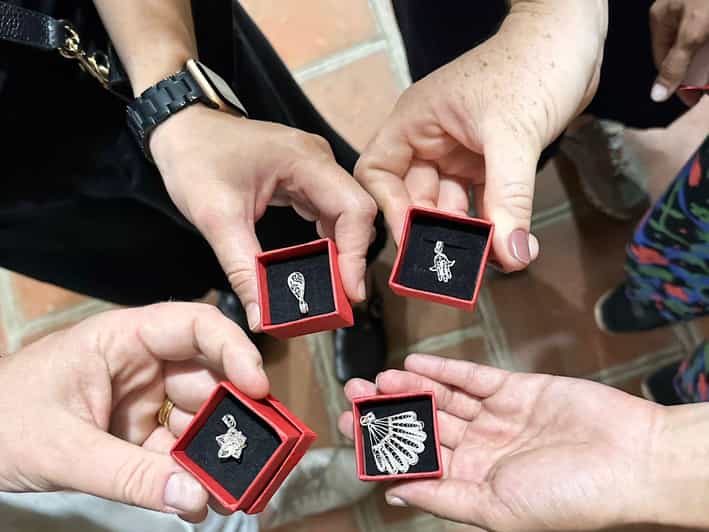
- Thin silver is a real village specialty, pulled by hand into tiny threads rather than made like typical jewelry.
- You make one finished item (often a ring or pendant, and also options like earrings or bracelet depending on the samples).
- English guidance in a max-6 group means you can get help without feeling lost.
- 3 hours goes fast because the craft work itself takes time and precision.
- The workshop focuses on making, not on turning you into a full-time designer by the end.
Dinh Cong Village: Why Thin Silver Is Different
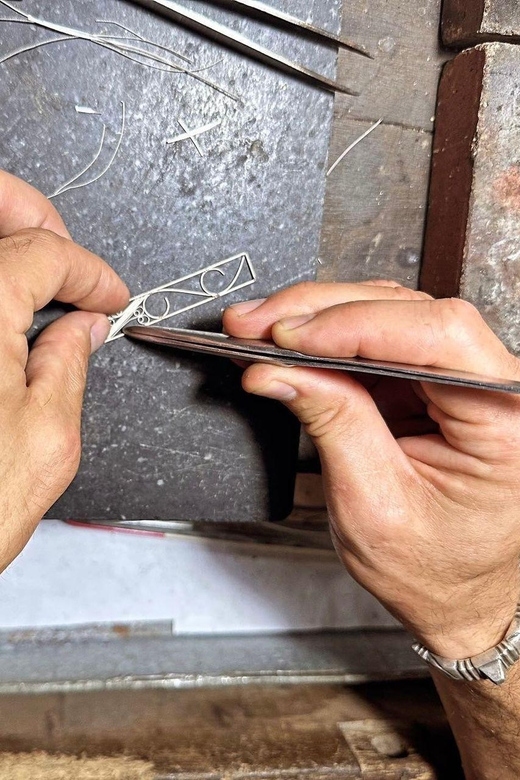
This workshop takes you to Dinh Cong village, in Hanoi’s Hoang Mai district, right by the To Lich River. It’s roughly 10km from Hoan Kiem Lake, so think of this as a neighborhood craft stop, not a quick photo-and-go moment.
What makes this experience different is the village’s thin silver technique. In many places across Vietnam you can find engraving, but thin silver is specifically associated with Dinh Cong. The process starts with silver ingots, then craftsmen pull them together into tiny threads by hand. After that comes careful bending into shape, and only then do they add details onto a frame so it becomes a finished piece.
The big idea for you: you’re not just copying a finished design. You’re learning how a craft community turns metal into delicate work using patience and control. Hanoi is full of crafts, but this one is unusually hands-on because the silver is literally thread-thin.
A few more Hanoi tours and experiences worth a look



What You’ll Make: Ring, Pendant, Earrings, or Bracelet Options
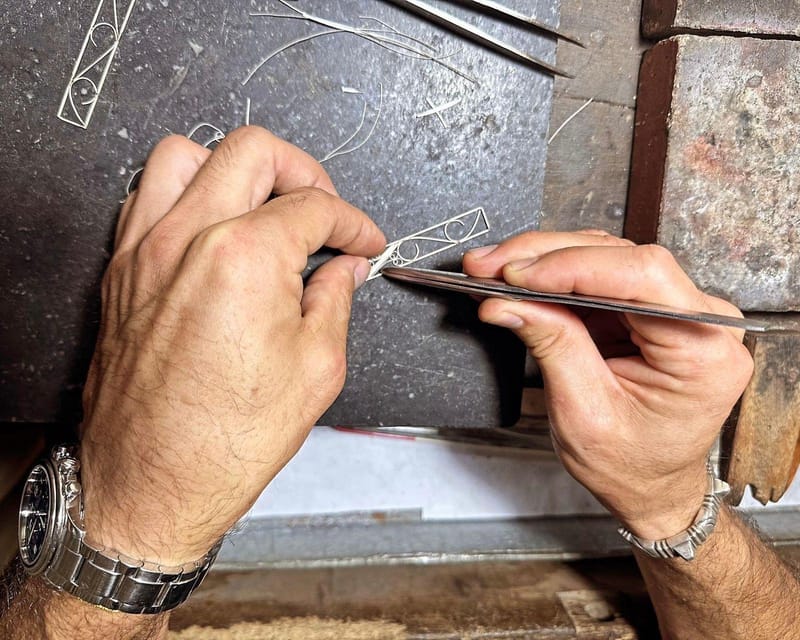
You’ll choose from sample designs before you start. The experience is built around making a single finished item, so you’re not expected to do a whole jewelry set in one sitting.
Depending on what’s available that day, you can pick things like:
- a ring (the most straightforward option)
- a pendant or earrings
- sometimes a bracelet, based on the sample collection
Here’s the practical catch: the price includes enough silver for a simple piece. If you want something bigger or more complex, there’s an extra fee you’ll discuss at the workshop. For complicated customized designs, the extra cost is listed as $5–$10. That’s not unusual for craft workshops, but it’s worth thinking about early so your final piece matches what you want to spend.
If you’re trying to decide what to make, go with something whose shape you can picture yourself wearing every day. This workshop is about technique, but the easiest way to leave happy is to pick a style that fits your taste and time.
The 3-Hour Flow: From Village Context to Your Finished Piece
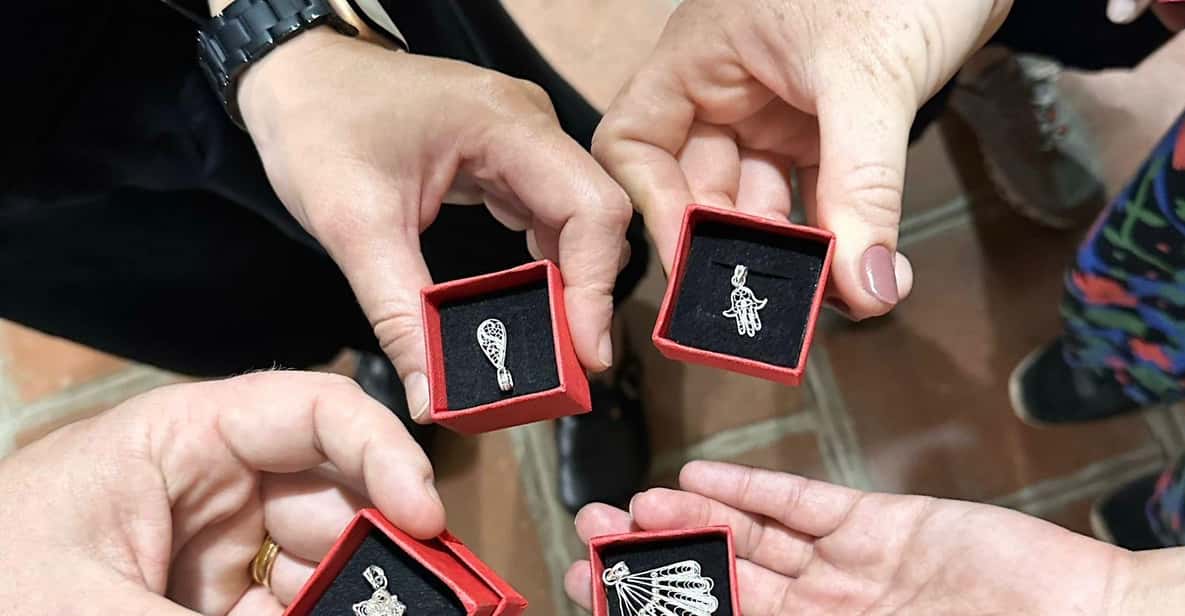
The workshop runs for about 3 hours, with starting times based on availability. You meet your English-speaking guide at the entrance of an alley next to a temple, and the session ends back at that same meeting point.
A typical flow looks like this:
1) Village history and host introduction. You’ll learn how Dinh Cong became known for silver handcrafts and why the thin-silver method matters. You also meet the local host who teaches the class.
2) How thin silver is made. You’ll get an explanation of the process, including the idea of pulling silver into tiny threads and forming the shapes by hand.
3) Making your piece under guidance. You’ll work with the guide’s help to arrange thin silver threads into your selected design.
4) Finishing and leaving with one completed item. The guidance is aimed at getting you to a finished product within the time.
One thing I like about the way this is described is that it includes not just the hand work but also a small tour or walkthrough of how the silver is processed. That context helps you understand why the craft looks the way it does once you see the time and precision behind it.
Now, the reality check. One part of metal craft is slow by nature, and small timing issues can change how the last minutes feel. There’s at least one cautionary note in the experience’s overall feedback that the session can feel rushed if timing gets confused. Your best move is simple: arrive on time, pay attention early, and don’t be shy about asking questions while you’re working.
Learning the Craft Feel: Patience, Control, and Tiny-Thread Skills
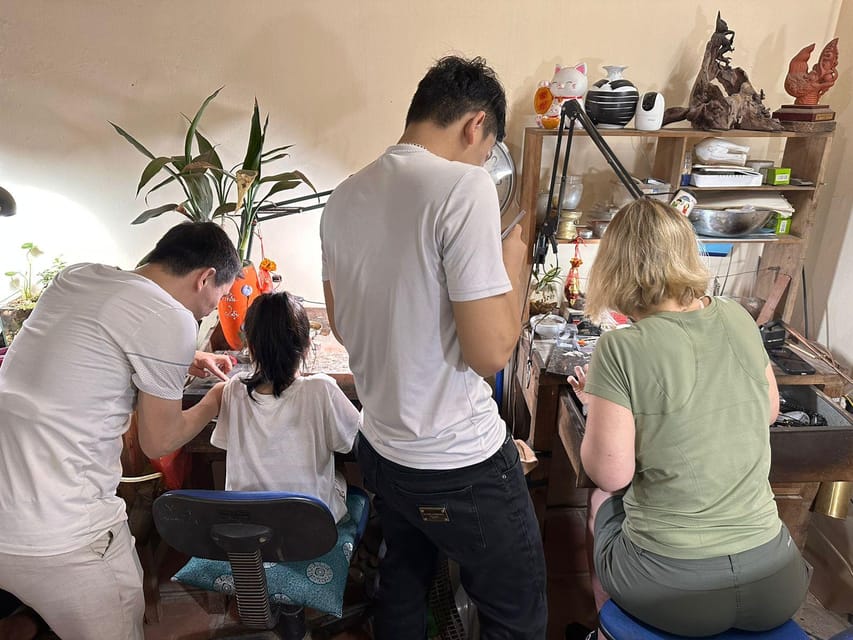
Even if you’ve never made jewelry before, thin-silver work is the kind of craft that teaches through doing. The key steps are physical and precise: you pull and handle delicate silver threads, bend them into shape, and place details onto the frame so everything lines up.
This matters because the skill isn’t just artistic. It’s also about control. With thread-thin silver, small mistakes add up fast. Your fingers will do the work, but your focus needs to stay steady. That’s why a workshop like this is satisfying even when it’s only one piece. You’re learning the craft’s logic.
Also, you’ll likely leave with more than a souvenir. You’ll understand why this village can keep making thin silver even though engraving is easier to find elsewhere. It’s hard work, and that difficulty is exactly what makes the method feel special when you see the final look.
If you’re the kind of person who wants the full design process from scratch—like figuring out drawing, layout, and measurements yourself—know that the class is designed to get you to a finished product. You may find that some parts of measuring and layout are handled for you, with your role focused on arranging and forming the thin silver for your selected design.
English Guidance and a Small Group: Better Help Than You Think
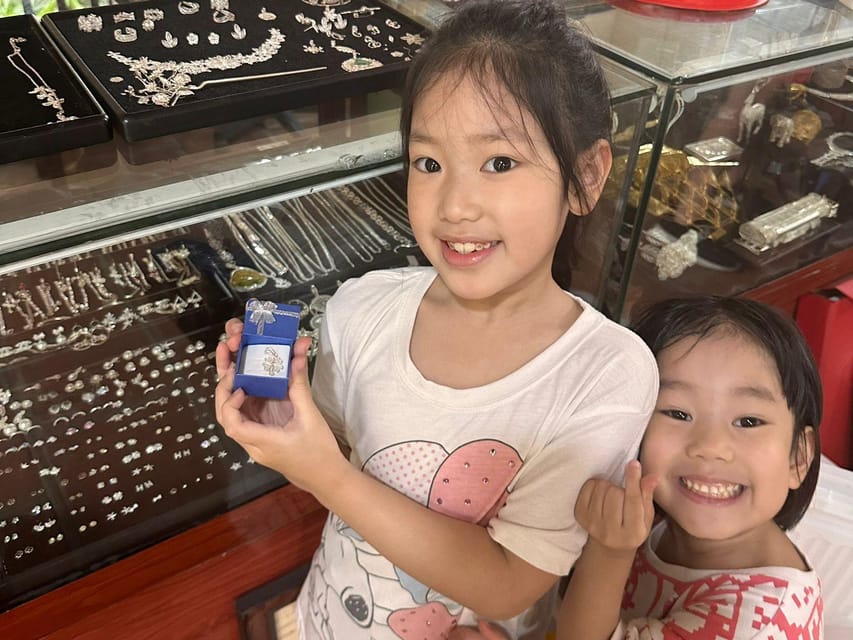
The workshop is run by Beyond Backstreet Tours, and it includes an English-speaking guide. Group size is limited to 6 participants, which keeps things from turning into a factory line. In a workshop like this, a smaller group matters because you need help at the exact moment you’re stuck, not after the session moves on.
In practical terms, this ratio helps in two ways:
- you can ask what a step is for while you’re still doing it
- you’re more likely to get hands-on correction if your thread placement needs adjusting
The best fit here is someone who enjoys learning by watching, then trying. If you’re expecting a lecture-heavy class where you leave with a deep design toolkit, you might feel under-satisfied. The workshop is aimed at creating your piece, and that’s a different teaching style than a full jewelry course.
One more note: since you meet in an alley near a temple, you’ll want to be ready to ask where to line up and how to start. Once you’re in motion, the guide’s job is to get you producing, not to slow everything down for questions that come late.






Price and Value: What $54 Actually Buys
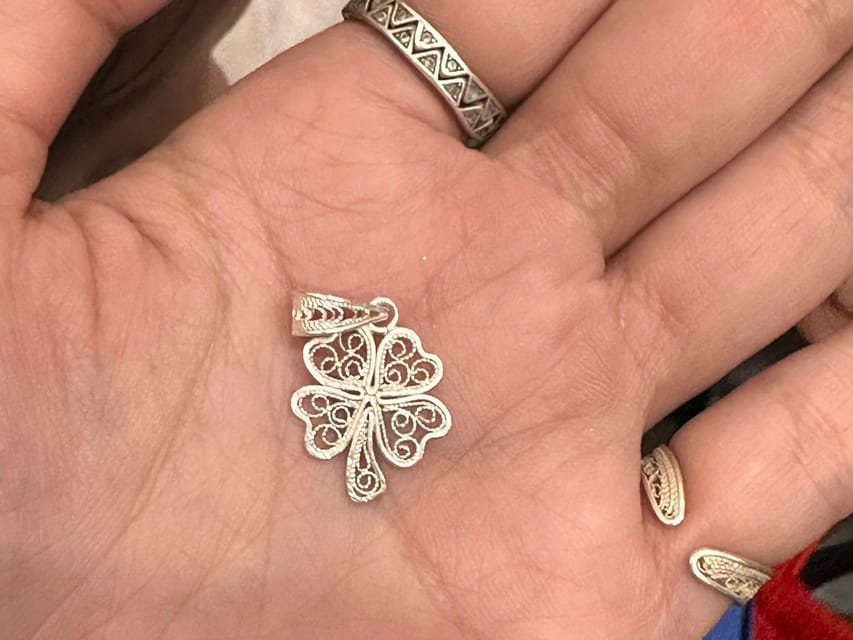
The price is $54 per person for a 3-hour workshop session. That includes:
- materials for one silver ring/pendant/earrings
- an English-speaking guide
- guidance to one finished product
That last part is the real value. Jewelry making isn’t just about materials; it’s about someone keeping you on track so you end with a wearable item. For many people, that’s the difference between a fun craft memory and a drawer full of unfinished work.
The silver is included only up to what’s enough for a simple piece. If you want to scale up or add heavier details, there’s extra cost discussed on-site. Complicated custom designs are listed as $5–$10. On top of that, food and drink aren’t included, so factor in a snack and water if you’re coming from sightseeing.
So is it worth it? If you care about authentic craft process and you want to leave with something real you made, yes. If you only want a brief demo or you’re hoping for a fully custom design where you control every step, you might end up paying more than you planned. The workshop is best when you choose a sample design and focus on making it well.
Where You Meet and How Far It Is From Hoan Kiem
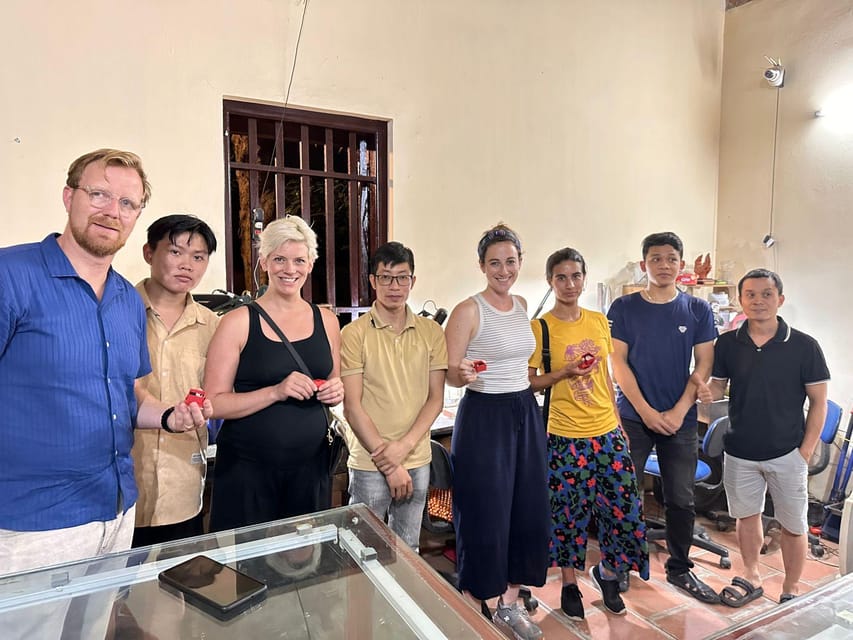
The meeting point is specific: the entrance of an alley next to a temple. Your instructor/guide meets you there, and you return there at the end of the session.
The workshop location is in Hoang Mai district by the To Lich River, about 10km from Hoan Kiem Lake. That distance makes it a perfect example of why timing matters in Hanoi. You’ll likely want a taxi or rideshare, especially if you’re starting from the Old Quarter and you don’t want to waste your workshop time on traffic stress.
Plan on a little buffer. Craft workshops run on careful work, not just on the clock. Even a short delay can leave you feeling like the last steps are a rush.
And bring practical extras. Wear something comfortable for sitting and careful hand work. Keep your phone handy for a couple of photos, but remember your hands will do the main job.
The Craft Gear: What’s Included (and What You Might Want to Ask)
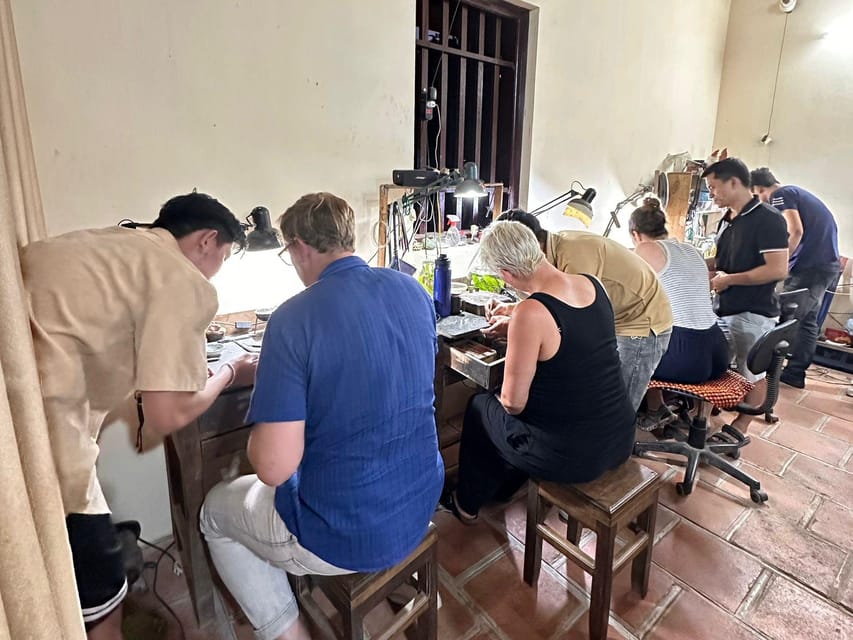
From the information provided, you’re covered for materials and guidance to one finished piece. But a few things aren’t clearly guaranteed in the data you have, like presentation packaging.
There’s also a hint of inconsistency in how much deeper design instruction you get in some sessions. In one account of the experience, the person felt like key parts such as drawing and measurements were handled for them, with less explanation behind the steps. Another account described clear instructions and patient teaching, especially helpful for first-timers.
So here’s your best approach: treat this as a craft-making session with guidance, not a full design workshop. If you care about understanding the process behind measurements and layout, ask early. A simple question like what you should think about when shaping your piece can change your whole experience.
Also, if having a ready-to-gift box matters to you, ask whether one will be provided before you start. That kind of detail can make a difference for souvenirs.
Who This Hanoi Silversmith Workshop Suits Best
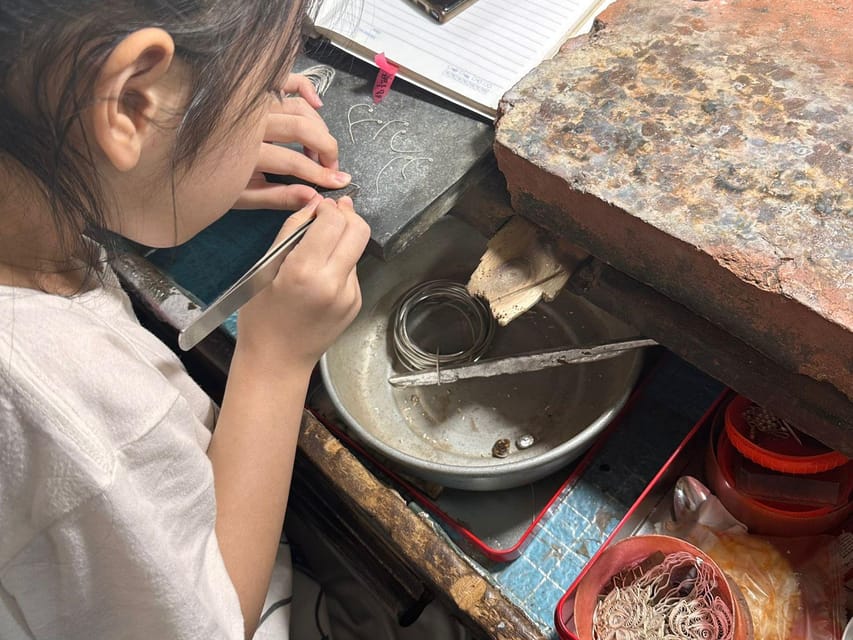
This is a great match if you want:
- a hands-on Hanoi craft experience, not just watching
- to make one meaningful piece (ring, pendant, earrings, and sometimes bracelet options)
- an English-speaking guide and a small group setting
- a window into why Dinh Cong’s thin silver technique is unique
It’s also ideal for a first-timer who likes clear, patient coaching. There’s at least one account describing teachers as kind and patient, with instructions that were clear and support when needed. If that sounds like you, you’ll likely do well.
Who might not love it? If you’re here mainly for Old Quarter strolling and you don’t want to travel to Hoang Mai, plan the day carefully. If you want a slow, deep, design-heavy class where you build everything from scratch, you may find the workshop focuses more on completing your chosen piece within 3 hours than on teaching the full design workflow.
Should You Book This Hanoi Silversmith Workshop?
I’d book it if you’re excited by the idea of thin silver made by hand and you want to take home something you helped create. The value is in the materials included, the English guidance, and the fact that you’re guided to a finished item in one session.
Skip it or choose another style of experience if you’re only looking for a quick demo, or if you want a fully custom design with deeper instruction on drawing and measurement from scratch. This workshop is built for making, not for turning you into a designer.
If you do book, show up ready to work. Pick a sample design you genuinely like, ask questions early while you’re still forming the piece, and don’t let travel delays steal your patience. When you go in with that mindset, this is exactly the kind of Hanoi craft session that feels like more than a purchase.
FAQ
Where does the traditional silversmith workshop take place?
It takes place in Dinh Cong village in Hanoi’s Hoang Mai district, on the To Lich river bank.
How much does the workshop cost?
The price is $54 per person.
How long is the workshop?
It lasts about 3 hours, with starting times depending on availability.
What can I make during the session?
You choose from sample designs and may be able to make a silver ring or pendant, and also options like earrings or a bracelet depending on what’s offered that day.
Does the price include the silver materials?
Yes. The price includes materials for one ring/pendant/earrings, enough for a simple ring. Extra silver for bigger or more complex pieces may cost extra.
Is there an English-speaking guide?
Yes, the workshop includes an English-speaking guide.
Are food and drink included?
No. Food and drink are not included.
What is the meeting point?
You meet at the entrance of an alley next to a temple, and you return there to end the activity.
Is the group size limited?
Yes. It’s a small group limited to 6 participants.