REVIEW · HANOI
From Hanoi: 1-day Sapa Trekking Tour With Overnight Bus
Book on GetYourGuide →Operated by MOC MIEN RESORT SERVICES COMPANY LIMITED · Bookable on GetYourGuide
Sapa hits fast, even if you sleep on wheels. This one-day trek from Hanoi pairs a sleeper bus ride with a guided walk through rice terraces and villages like Lao Chai and Ta Van. I especially like the English-speaking guide and included meals that keep the day from turning into a guessing game. The main drawback is the long travel stretch, so you’re trading comfort time for packed hiking hours.
You leave Hanoi at 9:30 PM, reach Sapa around 4:00 AM, hike roughly 6.5 miles (11 km), then head back to Hanoi with a 9:30 PM arrival. It’s a moderate-high fitness route, so good shoes and a steady pace matter more than sightseeing photos.
In This Review
- Key Things You’ll Notice on This Sapa Trek Tour
- Overnight Sleeper Bus From Hanoi: The Trade for One Day in Sapa
- The Morning Kickoff in Sapa: Freshen Up, Breakfast, Then Start Walking
- Y Linh Ho to Lao Chai via Muong Hoa Valley: Rice Terraces and Real Village Walking
- Lao Chai Stop: Why This Village Leg Is More Than a Photo Break
- Ta Van Village Lunch at a Homestay: Where the Trek Feels Like a Visit
- The Return Trip: Sleeper Bus Back to Hanoi by 9:30 PM
- Who This Tour Fits Best (and Who Should Skip It)
- What to Pack for a Muong Hoa Valley Day (So You Don’t Suffer Quietly)
- Value Check: Is $52 Good for This One-Day Sapa Plan?
- Should You Book This Sapa Trek With Overnight Bus?
- FAQ
- What time does the tour leave Hanoi?
- Where do you get picked up in Hanoi?
- When do you arrive in Sapa?
- How long is the hike and how hard is it?
- Which villages do you visit during the trek?
- Are meals included?
- Is there an English-speaking guide?
- Are coffee and soft drinks included?
- What is the cancellation policy?
Key Things You’ll Notice on This Sapa Trek Tour

- Overnight sleeper bus timing: you compress Sapa into one calendar day.
- Rice terrace walk from Y Linh Ho toward Lao Chai: the views are the point, and they start early.
- Multiple ethnic villages on one route: Lao Chai and Ta Van are the big stops, with other tribal hamlets along the way.
- Homestay lunch in Ta Van: a real break where the day feels less like transport.
- Guides help on slippery descents: one guide name that shows up in feedback is Sue, known for keeping groups together.
- Fog and mud are possible: especially in months where Sapa is known for misty conditions, so rain gear helps.
Overnight Sleeper Bus From Hanoi: The Trade for One Day in Sapa
This tour is built for one simple reality: if you only have a short window in Northern Vietnam, you still want Sapa. The way it makes that happen is by putting the biggest time cost up front—leaving Hanoi at 9:30 PM on a sleeper bus.
You’ll get picked up in the Hanoi Old Quarter area, either from Hanoi Capsule Station or your hotel (the meeting spot is the Hanoi Capsule Station lobby; arrive about 15 minutes early). Then the bus ride runs until around 4:00 AM in Sapa. You’re not “touring” during that time, so you’re effectively sleeping on the clock.
What I like about this setup is that it keeps the itinerary honest. By the time most people are still eating breakfast back in Hanoi, you’re already in Sapa and ready to walk. Also, the tour includes a guide and meals, so the early morning doesn’t become a scramble to find coffee, breakfast, and a route plan.
The drawback is obvious the moment you look at the schedule: your total trip time is long. Even with the sleeper bus, you may feel like you spent a lot of the day traveling and waiting. If you’re the type who hates sitting around in transit, this is the part to accept before you book.
You can also read our reviews of more hiking tours in Hanoi



The Morning Kickoff in Sapa: Freshen Up, Breakfast, Then Start Walking

Once you arrive in Sapa around 4:00 AM, you’ll have a chance to rest until about 6:00 AM. Then the tour guide meets you to pick you up from your hotel area so you can freshen up and eat.
Breakfast is part of the included package, and feedback highlights that the meal can be nicely set up, with plenty of vegetarian options. That matters more than it sounds. When you’re hiking later, a real breakfast helps you avoid the classic mistake of saving calories for later and then paying for it on steep, uneven paths.
Around 8:00 to 8:30 AM, you start the trek at Y Linh Ho. This is one of those details that changes how the day feels. Starting in the morning keeps the air cooler and makes it more likely you’ll see the valley in full light, even when Sapa’s famous fog tries to steal the view.
A quick practical note: keep your start tight. If you’re wearing sandals or shoes you only use for city walking, this is where you regret it. Comfortable hiking shoes and a hat are not optional vibes here; they’re the difference between confident steps and cautious shuffle steps.
Y Linh Ho to Lao Chai via Muong Hoa Valley: Rice Terraces and Real Village Walking

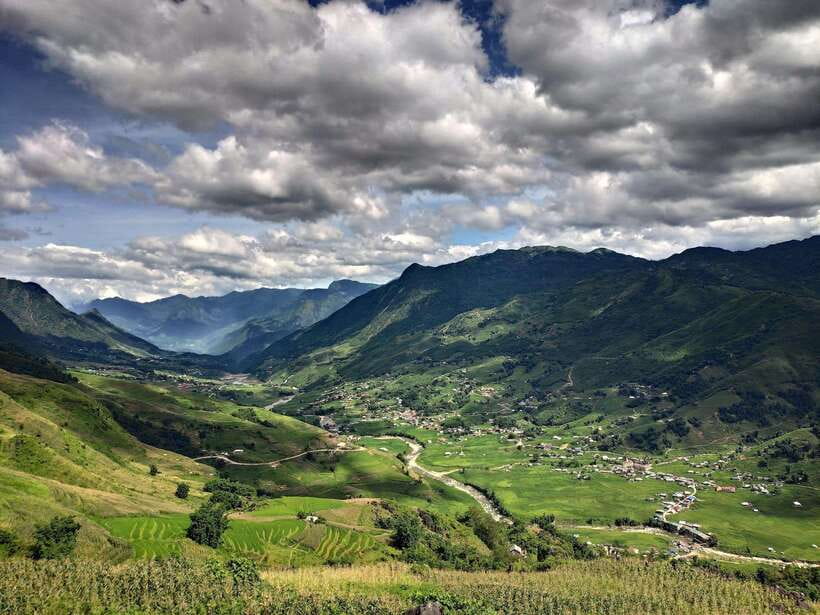
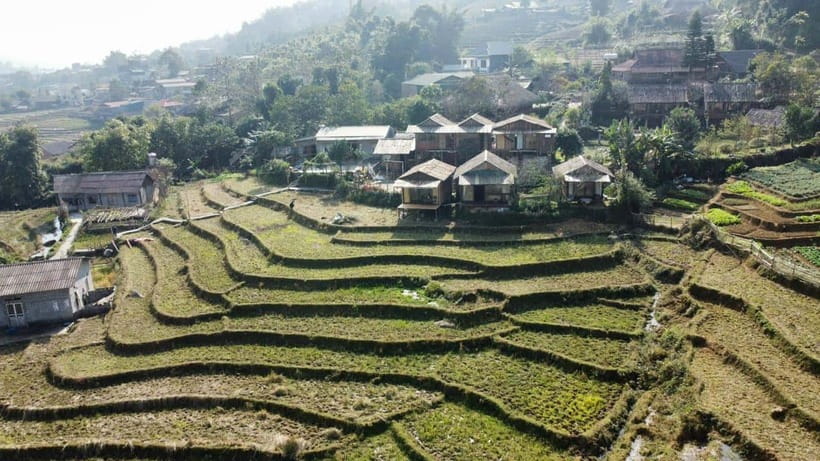
This is the core hiking section: about 6:00 hours total of walking time in the broader day, with the trek portion taking a good chunk of the day’s energy. After you begin at Y Linh Ho, you hike through the Muong Hoa Valley’s rice terraces toward Lao Chai, which is home to the Black H’mong.
This part earns its reputation. You’re walking through working countryside, and it feels different from a viewpoint-only stop. The terrain isn’t just for Instagram. You’ll step over paths shaped by daily village routines, and the terraces give you that sweeping sense of scale even on foggy days.
Along the route, you pass several tribal villages, including Lao Chai and later Ta Van. The ethnic groups mentioned on this route include Black H’mong, Dzao, and Dzay. You’ll be moving between places where people actually live, farm, and maintain homes, not just selling souvenirs to passing buses.
One reason guides matter here: the trail can get slippery. Feedback notes guides actively help keep the group together during wetter stretches, especially on downhill sections. If you go in with a calm pace and pay attention to footing, the route becomes enjoyable instead of stressful.
If you’re sensitive to weather, know this: one set of feedback mentions March conditions being foggy but totally normal, with amazing views once you reach the valley. Another mentions December being foggy and muddy. Translation: bring rain gear and expect that the ground can be slick. Your confidence on wet steps is the difference between enjoying the journey and rushing through it.
Lao Chai Stop: Why This Village Leg Is More Than a Photo Break

Lao Chai is both a village stop and part of the hiking rhythm. You get time with the guide while moving through the area and then continue on toward Ta Van. Since the itinerary lists Lao Chai and Ta Van as highlighted points, you can expect the day to slow down slightly at least twice—once around the Lao Chai stage and then again when you reach Ta Van for lunch.
The value here is cultural context. You’re not just looking at a village from the side of the road. You’re walking through it as the day’s schedule unfolds, so it feels like you’re part of the trail experience, not passing through a roadside attraction.
A small but real consideration: this is still a hike. Even with “village stop” energy, you won’t be treating this like a long sightseeing afternoon. If you want to linger in one place for hours, this itinerary is designed to keep momentum.
Ta Van Village Lunch at a Homestay: Where the Trek Feels Like a Visit

By 12:30 PM, you arrive in Ta Van Village. This is when the itinerary gives you a proper reset: lunch at a local homestay and time to slow down before heading back.
The homestay lunch break is one of the most satisfying parts of the schedule because it’s not just food. It’s the first moment where you’re fully stationary for a while, letting the day catch up to you. And based on feedback, the meal is part of why people feel the tour is well organized.
You’ll then return to Sapa Town around 2:00 to 2:30 PM. That timing matters. It gives you just enough buffer to regroup, use facilities, and prepare for the ride back without feeling completely rushed.
If you’re wondering what makes Ta Van special in the context of this tour, it’s the way the route ends there. Lao Chai is a village and a terrain marker. Ta Van becomes the lunch anchor—the place where your hike turns into a fuller human experience.
A few more Hanoi tours and experiences worth a look






The Return Trip: Sleeper Bus Back to Hanoi by 9:30 PM

After lunch and a short return walk to town, the schedule moves to 3:00 to 3:30 PM where you board the sleeper bus back to Hanoi. The ride segment is listed as another 6 hours, and you’re scheduled to arrive in Hanoi around 9:30 PM.
Disembark location is Đường Trần Quang Khải, so you’ll be dropped back near the Hanoi core streets, not stuck far out on the outskirts.
Here’s the honest vibe: this return part can feel long because you’ve already spent a day moving and your body wants rest. But you also don’t lose the whole night. You’re still sleeping on transit, so the tour’s structure is designed to help you keep your energy for next-day plans back in Hanoi.
If you have a late-night commitment in Hanoi, give yourself some cushion. Arrival happens around 9:30 PM, and real-world traffic can make timing a little fluid.
Who This Tour Fits Best (and Who Should Skip It)
This is a great fit if you want a focused Sapa experience without spending extra days arranging transport, hiring private guides, and building a route.
You’ll likely enjoy it most if:
- you like guided days with clear timing
- you’re comfortable with a moderate-high fitness hike
- you want to see multiple villages—not just one viewpoint
It may not be the best fit if:
- you hate long transit days (this tour compresses Sapa by using overnight travel)
- you’re not comfortable on uneven, possibly muddy trails
It’s also not suitable for children under 10, pregnant women, wheelchair users, and people over 95. Also, the tour asks you not to bring large luggage, which is a practical hint that space on the bus and in transit matters.
What to Pack for a Muong Hoa Valley Day (So You Don’t Suffer Quietly)

The tour recommends you bring:
- passport or ID card
- comfortable shoes and/or hiking shoes
- hat
- sunscreen
- water
- rain gear
- biodegradable insect repellent
I’d treat those as essentials, especially rain gear and insect repellent. Even in foggy months, the day can be damp, and insects can still be a factor around village and terrace areas.
Also: keep luggage small. If you’ve packed like you’re moving cities, you’ll regret it. The day is structured around walking and bus transfers, so lightweight and easy to carry wins.
Value Check: Is $52 Good for This One-Day Sapa Plan?

At $52 per person, the value comes from what’s included, not just the headline price. You’re getting:
- round-trip sleeper bus
- pickup in Hanoi Old Quarter
- an English-speaking guide
- meals
- scheduled sightseeing tickets
That mix matters because the sleeper bus alone is a major cost saver versus taking day buses. The guide is also a big deal on a hike like this—someone keeps the group moving, helps with timing, and supports the tricky stretches.
One trade-off is that you’re not getting a slow, relaxed day in Sapa. This is an efficient plan. If you want to soak in Sapa at your own pace, you’d probably prefer longer or more flexible tours. But for a one-day window, the structure is pretty good.
The best “value” signal is how the day is paced: morning breakfast, guided village walking, a homestay lunch, then a scheduled return bus. It removes the stress of figuring out the route.
Should You Book This Sapa Trek With Overnight Bus?
Book it if you:
- have limited time in Northern Vietnam
- want guided village trekking with included meals
- are okay with a long day dominated by bus time plus a focused hike
Hold off if you:
- want lots of downtime in Sapa itself
- struggle with moderate-high hiking effort
- strongly dislike slippery trails and bad-weather hiking days (even with rain gear)
If you do book it, plan like a hiker for the hiking portion and like a sleeper for the bus portion. Bring the right shoes, expect fog/mud at times, and don’t treat the day like a casual stroll. You’ll get a satisfying slice of Sapa: rice terraces, Lao Chai and Ta Van, and a homestay lunch that breaks up the schedule in a very human way.
FAQ
What time does the tour leave Hanoi?
The sleeper bus begins pickup and departure at 9:30 PM from Hanoi.
Where do you get picked up in Hanoi?
Pickup is available from the Hanoi Old Quarter, including options like Hanoi Capsule Station (meeting in the lobby). You should plan to arrive about 15 minutes before your scheduled pickup time.
When do you arrive in Sapa?
You’re scheduled to arrive in Sapa around 4:00 AM, with time to rest until about 6:00 AM.
How long is the hike and how hard is it?
The hike is about 6.5 miles (around 11 km) and it’s rated as requiring a moderate-high level of fitness.
Which villages do you visit during the trek?
You’ll trek through areas including Y Linh Ho, Lao Chai (Black H’mong village), and Ta Van, with other tribal villages along the way.
Are meals included?
Yes. The tour includes breakfast and lunch (with lunch served at a local homestay).
Is there an English-speaking guide?
Yes, the tour includes a professional English-speaking guide.
Are coffee and soft drinks included?
No. Coffee and soft drinks are not included.
What is the cancellation policy?
You can cancel up to 24 hours in advance for a full refund.