REVIEW · HANOI
DIY: Vietnamese Cooking Class
Book on Viator →Operated by Ha Food Tours · Bookable on Viator
Market first, then the stove skills you can keep. I love the local market tour and the fully hands-on cooking part, because you learn the why before you start chopping. You’ll shop for ingredients you actually see in daily Vietnamese cooking, then cook classics like pho, bun cha, and nem with a real instruction flow. One thing to consider: market time means strong sights and smells, so if you’re sensitive, you’ll want to pace yourself.
The payoff is big for a day that lasts about 5 hours, with door-to-door pickup from your hotel (as long as it’s in the central area) and a small group capped at 8 travelers. You also get real structure: morning or afternoon class, a welcome drink, cold towel, snacks, tea or coffee, plus local wines with your meal. If you’re expecting a quick demo, this isn’t it; you’ll be cooking.
You’ll choose from set menus that cover meat, seafood, and vegetarian options, so you can match it to your taste and comfort level. The menus are built around Vietnamese flavor logic, not random “try everything” plates, which makes it easier to recreate at home later.
In This Review
- Key highlights to know before you go
- What the 5-hour Hanoi cooking class includes (and why it matters)
- Getting from your hotel to the market without wasting your morning
- The market walk: what to watch for when you shop Vietnamese ingredients
- Cooking pho, bun cha, and nem: how the lesson feels in real life
- Two time slots: morning 9:00 to 13:30, or afternoon 15:30 to 20:00
- Menu options that actually help you plan: meat, seafood, and vegetarian
- Option 1: bun cha focus
- Option 2: pho and grilled fish focus
- Vegetarian option
- Lunch or dinner plus local wines: eating what you cooked
- Price and value: is $50 fair for a hands-on Hanoi meal class?
- Who this class suits best (and who should think twice)
- Should you book DIY Vietnamese Cooking Class in Hanoi?
- FAQ
- What dishes can I learn in this Vietnamese cooking class?
- How long is the class in Hanoi?
- Are there morning and afternoon classes?
- Is hotel pickup included?
- What meals and drinks are included?
- Does the class offer vegetarian options?
- How big is the group?
Key highlights to know before you go
- Market shopping that teaches flavor basics before you touch the stove
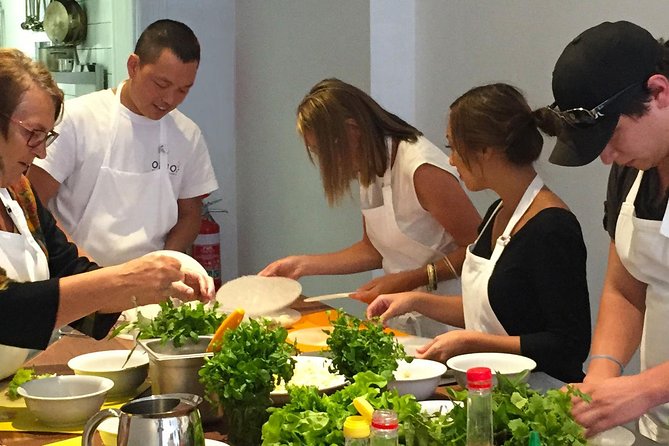
- Hands-on prep and cooking for multiple dishes, not just watching
- Small group size (max 8) that keeps the class interactive
- Clear menu options including vegetarian choices and classic Vietnamese dishes
- Food + local wine with lunch/dinner so you eat what you make
- Instructor support with English guidance, including time to ask questions
What the 5-hour Hanoi cooking class includes (and why it matters)
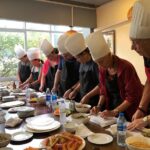
This is a structured DIY-style class, built around the idea that Vietnamese food starts at the market. You’re not just learning recipes. You’re learning how ingredients show up in real life, what to look for, and how they work together once you start cooking.
You’ll get door-to-door round-trip transport from your hotel, a local market tour, and a hands-on cooking session led by an experienced chef and an English-speaking guide. You also get a welcome drink, water, tea or coffee, snacks, cold towel, and local wines with your meal. The class ends with a full meal built from what you and the group prepared, plus additional dishes from the instructor.
Two key things for your time and comfort: it’s about 5 hours, and the group stays small. That combination makes it easier to follow steps without feeling rushed, and it gives you enough time to get your questions answered.
You can also read our reviews of more cooking classes in Hanoi

Getting from your hotel to the market without wasting your morning
Pickup is part of the deal, and your hotel is the meeting point. The provider notes that pickup works best when your hotel is in the city central area; if you’re farther out, you’ll want to tell them ahead of time so they can confirm.
This matters because Hanoi traffic can turn a “short activity” into a long one. With transport arranged for you, you spend your energy on the market and the cooking, not on figuring out buses or rides between stops.
Also, you’ll get a mobile ticket, which is handy if you’re juggling plans or moving between neighborhoods. The tour also runs from near public transportation, so you have a backup if your pickup plan needs a minor adjustment.
The market walk: what to watch for when you shop Vietnamese ingredients
The market portion is more than a photo stop. It’s where you learn the “building blocks” of Vietnamese flavor, and where most people pick up the habits they’ll use at home later.
You’ll walk with your guide and instructor as you select herbs, vegetables, noodles, and proteins tied to the dishes on the menu. Expect a busy sensory mix: vendors calling out, lots of activity, and a strong presence of fresh herbs and aromatics. If you take it slow and pay attention, the noise and bustle becomes part of the lesson instead of a distraction.
This is also where the class gets practical. You’ll see the ingredients that make pho taste like pho, or how the sauce approach in bun cha changes the whole plate. Even if you’ve cooked before, market knowledge improves your results because Vietnamese dishes rely heavily on freshness and balance.
One of the best moments from past participants is how the market walk stays informative and not just sightseeing. You’re going to feel like you know what you’re buying by the time you reach the cooking space.
Cooking pho, bun cha, and nem: how the lesson feels in real life
The menu is built around classic Vietnamese favorites, and the class is designed to be fully participatory. That means you’re not just doing a single garnish and then waiting for someone else to cook the hard parts.
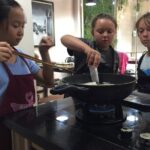
You’ll typically cook multiple items from the menu set. The class flow emphasizes prep work first, then cooking in steps you can repeat. Past participants highlight how fun it is to choose herbs and vegetables during preparation, and how the instructor keeps the process clear enough that you don’t feel lost.
Here’s what you can expect from the core dishes listed for the program:
- Pho (noodle soup): This is about building depth and balance. You’ll work with components tied to the version you choose, such as chicken soup or beef/chicken style pho depending on the menu option.
- Bun cha (barbeque pork): You’ll learn the direction of flavors that come from grilled pork paired with noodles and fish sauce. The sauce and assembly are often where people get the biggest home-cooking lessons.
- Nem (spring rolls, fried): Nem is all about technique and timing. You’re learning how to prepare and fry so you get the texture right, not just the ingredients.
If you’re serious about home cooking, this kind of structured, hands-on format is a big deal. A cookbook can tell you what to do. This kind of class shows you what to look for when you’re doing it.
Two time slots: morning 9:00 to 13:30, or afternoon 15:30 to 20:00
You can pick the timing that best fits your Hanoi rhythm.
- Morning class runs from 9:00 to 13:30
- Afternoon class runs from 15:30 to 20:00
Either schedule keeps the experience around that 5-hour window. Your choice can be practical rather than just convenient. If you like mornings with energy, go for the earlier slot and treat the rest of the day as free time after lunch. If you’d rather avoid early-market crowds and do a later start, the afternoon option gives you a calmer arc into dinner.
A few more Hanoi tours and experiences worth a look
Menu options that actually help you plan: meat, seafood, and vegetarian
One reason I think this class works for different tastes is that your dishes are grouped into set options rather than random swapping. That makes it easier to decide what you want, and it keeps the flow smooth for the group.
Option 1: bun cha focus
You’ll cook:
- BQ pork with noodles and fish sauce (bun cha)
- Fried spring roll (nem)
- A salad like bana flowers salad with chicken or green papaya salad with dried beef
Option 2: pho and grilled fish focus
You’ll cook:
- Chicken soup (pho)
- Green mango salad with seafood
- Grilled fish
Vegetarian option
You’ll get:
- Spring roll (fresh or fried)
- Tofu with tomato sauce
- Eggplant with ginger sauce
- Che (Vietnamese traditional dessert) or egg coffee
There’s also a helpful note: special food requests are available if you have allergies or food preferences, as long as you inform them in advance so they can confirm substitutions.
This matters because Vietnamese cooking can involve fish sauce or specific ingredients. The ability to plan around your needs makes the class feel more comfortable and less risky.
Lunch or dinner plus local wines: eating what you cooked
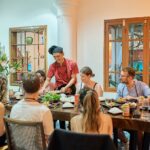
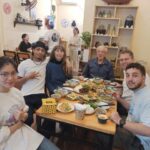
Your meal is part of the learning. You cook, then you sit down to eat your creations alongside other dishes prepared by the instructor. That extra food helps you compare flavors and textures beyond just your own plates.
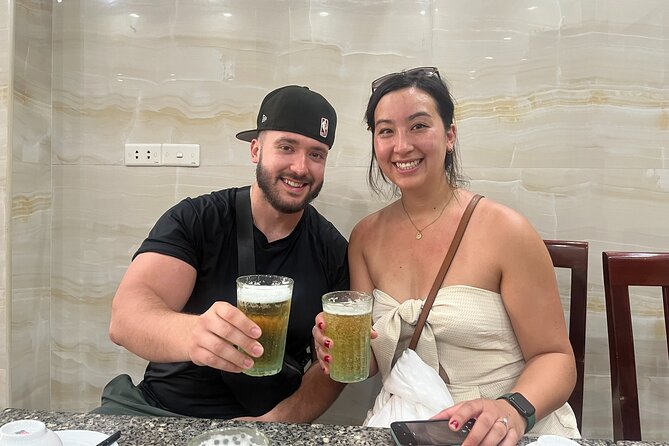
You’ll also enjoy local wines with your lunch or dinner. If you drink wine, it’s a nice way to stretch the experience past the stove. If you don’t, the class still provides tea and coffee and other snacks, so you’re not locked into alcohol to get a satisfying meal.
Past participants also point out that the meal and wine component feels like value for the price, especially for what you get during the class itself.
Price and value: is $50 fair for a hands-on Hanoi meal class?
At $50 per person for about 5 hours, the value comes from the combination, not from any single part.
You’re paying for:
- Market shopping with an English-speaking guide and instructor
- Round-trip hotel pickup in central Hanoi
- A class where you actively cook
- A full meal tied to your cooking, plus additional dishes from the instructor
- Drinks including local wines, plus tea/coffee/snacks and water
For many visitors, the market stop alone would be worth something. Then you add hands-on technique, ingredient selection, and a meal that actually rewards your work. In other words, you’re not just paying to be fed. You’re paying to learn a practical skill you can use after you go home.
The small group size (max 8) also supports the value. It’s easier for the instructor to correct mistakes and answer questions when the class isn’t huge.
Who this class suits best (and who should think twice)
This fits well if you want more than a sightseeing day and you like learning by doing. It’s also a strong pick for anyone who wants a reliable “starter set” of Vietnamese dishes to cook at home: pho, bun cha, and nem are famous for a reason, and learning them with guidance helps you avoid the most common beginner mistakes.
It may be less ideal if you dislike hands-on cooking or if you don’t like markets. The experience is built around market shopping and cooking prep, so you’ll feel every minute of it.
Should you book DIY Vietnamese Cooking Class in Hanoi?
I’d book it if you want a practical, food-centered Hanoi activity that takes you beyond restaurant meals. The market tour, the hands-on cooking, the small group size, and the fact that you eat what you make all line up nicely.
I’d think twice only if you’re uncomfortable with strong market smells or you want a low-effort, mostly observational experience. This one is interactive by design.
If you’re aiming for a memorable Vietnamese food day that teaches real technique, this class is a smart way to spend your time in Hanoi.
FAQ
What dishes can I learn in this Vietnamese cooking class?
The program focuses on Vietnamese classics such as pho, bun cha, and nem. The exact dishes depend on the option you choose, including bun cha with salads and fried spring rolls, or pho with mango salad and grilled fish, plus a vegetarian option.
How long is the class in Hanoi?
The class is about 5 hours.
Are there morning and afternoon classes?
Yes. The morning class runs from 9:00 to 13:30, and the afternoon class runs from 15:30 to 20:00.
Is hotel pickup included?
Round-trip transfer from your city accommodation is included, and your hotel is the meeting point. Pickup must be from a hotel in the city central area.
What meals and drinks are included?
You’ll have lunch or dinner, plus snack, tea, coffee, local wines, welcome drink, bottled water, and a cold towel.
Does the class offer vegetarian options?
Yes. There is a vegetarian menu that includes spring rolls, tofu with tomato sauce, eggplant with ginger sauce, and Che or egg coffee.
How big is the group?
The tour/activity has a maximum of 8 travelers.