REVIEW · HO CHI MINH CITY
Cooking Class: 3 Course Traditional Meal by local Chef HCM
Book on Viator →Operated by The Provincial Table Cooking Class · Bookable on Viator
Cooking is a shortcut to understanding a place. In Ho Chi Minh City, this chef-led class turns you into the cook, not the spectator, with a hands-on 3-course meal and a private station for each person. I like that you learn classic techniques and flavor logic, not just a list of steps, and I also like how the experience feels social and fun when the chef is clearly in on the joke. The only real catch is that the kitchen space can feel tight in a small class setting, so if you hate close quarters, plan for that.
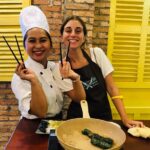
You’ll start at 131/3 Nguyễn Thị Minh Khai in District 1 and return there when you’re done, with the whole session running about 3 hours 30 minutes. Instructors are local, and one name that shows up again and again in the feedback is Alice, described as warm, skilled, and great at keeping the class moving without making it feel rushed. If you’re a true beginner, that’s actually a plus here: the flow is built to fit everything into one afternoon.
In This Review
- Key Highlights You Should Know Before You Go
- Why This HCMC 3-Course Cooking Class Feels Worth Your Time
- Getting There at 131/3 Nguyễn Thị Minh Khai (and What “Mobile Ticket” Means)
- How the Class Runs: Private Stations, Small Groups, and a Chef at the Center
- The 3 Traditional Courses: What You’ll Likely Cook and How to Think About Each Dish
- Course 1: Spring Rolls and the Art of Texture
- Course 2: Vietnamese Pancakes and Timing That Matters
- Course 3: Phở and Learning Flavor Logic
- What You Learn Beyond the Recipe: Spices, Technique, and Chef Talk That Actually Helps
- Timing and Kitchen Comfort: What 3 Hours 30 Minutes Feels Like
- The Recipe Book Factor: Turning This Meal into Skills You Can Repeat
- Price and Value in Ho Chi Minh City: Why $30 Makes Sense Here
- Who This Cooking Class Is Best For (and Who Might Want a Different Plan)
- Should You Book This 3-Course Cooking Class in HCMC?
- FAQ
- How long is the cooking class?
- What is included in the class?
- Where does the class start?
- What does the price include?
- Are there group-size limits?
- Do I need to bring a paper ticket?
- Will I get a recipe book or guide?
- What are the cancellation terms?
Key Highlights You Should Know Before You Go
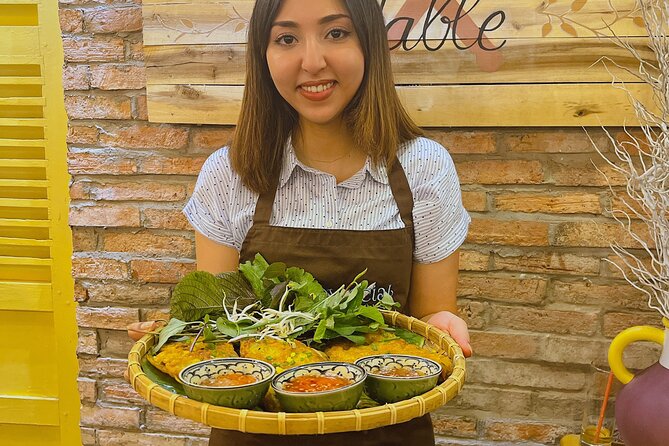
- Private cook station for each guest, so you’re not waiting around for ingredients or counter space
- Chef-led 3-course menu, focused on classic Vietnamese dishes and real technique
- Ingredients and prep support, which helps beginners keep up during a 3.5-hour class
- Small group size (max 20), which keeps it interactive rather than assembly-line
- Recipe book at the end, so you can recreate at least part of what you made at home
Why This HCMC 3-Course Cooking Class Feels Worth Your Time
This is the kind of activity that makes Vietnam make sense in your mouth. Instead of just tasting Vietnamese food, you learn how the flavors are built: how aromatics and spices work together, how textures change as you cook, and why certain dishes are designed for sharing. A 3-course meal also means you’re not stuck cooking one thing for the whole time.
The value is also practical. At $30 per person, you’re paying for (1) a chef to guide you, (2) ingredients and tools to actually cook, and (3) the chance to eat what you make while everything is still fresh. If you’ve ever done a tour where you mostly watch, this class is the opposite. You’ll get your hands into the process early.
You can also read our reviews of more cooking classes in Ho Chi Minh City
Getting There at 131/3 Nguyễn Thị Minh Khai (and What “Mobile Ticket” Means)
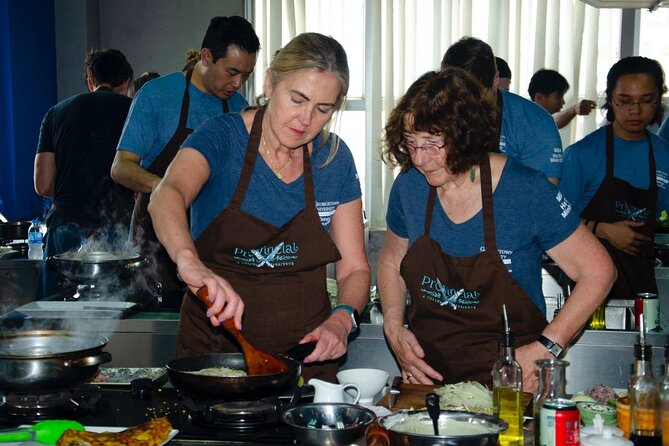
Your start point is 131/3 Nguyễn Thị Minh Khai, Phường Phạm Ngũ Lão, Quận 1, Hồ Chí Minh 711106, Vietnam. It’s in District 1, which is helpful because you’re already near a lot of the city’s energy.
Two small things make a difference on arrival:
- You use a mobile ticket, so you’re not hunting for paper confirmations.
- The meeting area is near public transportation, which matters in Ho Chi Minh City where ride timing can be unpredictable.
If you’re the kind of person who likes to arrive calmly, show up a little early. You’ll need a minute to settle your station and get oriented before the cooking kicks off.
How the Class Runs: Private Stations, Small Groups, and a Chef at the Center
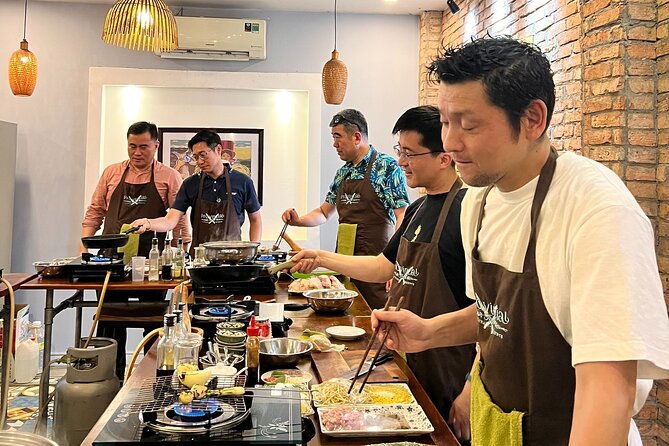
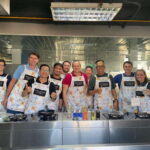
You’ll cook with a local head chef and a small group size capped at 20 people. That cap is not just trivia. It’s what keeps the class interactive, with time for questions and for someone to notice when you’re doing something that won’t work.
A big practical plus is the private cook station for each guest. In other cooking classes, you can end up sharing space with strangers or waiting for the next ingredient. Here, you get your own setup, so you can actually complete each step.
Also, the experience is designed to fit beginners. One of the most helpful pieces of feedback is that ingredients are partly prepared already, and the in-class tasks are kept to basics you can manage quickly—things like handling simple cooking steps without requiring advanced knife work or complicated technique.
The 3 Traditional Courses: What You’ll Likely Cook and How to Think About Each Dish
The menu rotates, but the dishes that show up again and again are classic Vietnamese favorites. You should expect a mix that includes things like spring rolls, Vietnamese pancakes, and phở (pho). Even when the exact order changes, the structure stays similar: one dish that builds technique, one that teaches texture and timing, and one comforting classic that anchors the meal.
Here’s how to approach the three-course flow so you get more from it.
Course 1: Spring Rolls and the Art of Texture
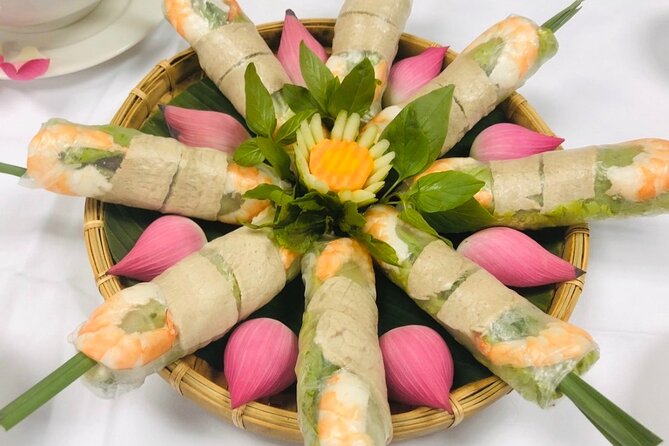
Spring rolls are a great first course because they teach you the rhythm of wrapping and the importance of not overfilling. You’ll focus on how fillings behave—how they season, how moisture affects the wrap, and what happens when you cook them with the right heat.
What to watch for while you cook:
- Keep an eye on how your filling is balanced. Too wet can make wraps harder to handle.
- Don’t rush the cooking stage. Even small timing differences can change crunch level.
This is also where you learn that Vietnamese flavor isn’t only about heat. It’s about harmony.
A few more Ho Chi Minh City tours and experiences worth a look

Course 2: Vietnamese Pancakes and Timing That Matters
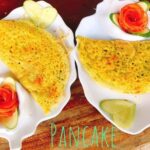
Vietnamese pancakes often surprise people because they’re more than just batter. The goal is crisp edges with a tender center, and that requires attention to heat and doneness.
This course is where you’ll likely practice basic but real control:
- Watch how the batter reacts as it hits the pan.
- Learn when to flip or adjust so you don’t end up with uneven texture.
If you’re brand-new, this is the dish you’ll feel yourself improving quickly. Small adjustments can show instant results.
Course 3: Phở and Learning Flavor Logic
Phở is comfort food with a blueprint. Even if you’re not doing every complex step from scratch, you’ll learn how Vietnamese chefs think about flavor: the layering of aromas, how seasoning develops, and how the dish becomes cohesive as it simmers.
For your own takeaway, focus less on memorizing every ingredient and more on understanding why the flavors work together. That’s the difference between making pho once and being able to adapt it later.
What You Learn Beyond the Recipe: Spices, Technique, and Chef Talk That Actually Helps
The headline is a 3-course class, but the real win is what you learn between the steps. A chef-led class is valuable when the guidance tells you what to do next and why it matters.
From the class style described, you can expect:
- Flavor and spice context: why certain spices are used, and how they shape aroma and taste
- Technique explanations that stay practical, not theoretical
- A friendly instructor vibe that keeps energy up and makes you willing to ask questions
One standout detail from feedback is how instructors like Alice are described as warm and fun. That matters more than you’d think. When you feel comfortable asking, you correct mistakes in real time instead of guessing at home later.
Another practical detail: because ingredients may be partly prepared, you’re not stuck doing busywork. You get time for the skills that transfer—how to control heat, adjust seasoning, and assemble components properly.
Timing and Kitchen Comfort: What 3 Hours 30 Minutes Feels Like
The class runs about 3 hours 30 minutes, which is long enough to cook three courses but short enough that you should stay sharp.
Here’s how to plan your mindset:
- First part: you’ll likely get instructions, prep basics, and start cooking.
- Middle: you move through the dishes with an emphasis on timing and technique.
- Final part: you finish the menu, taste, and (often) get something to take home.
Now the honest consideration: some feedback hints that the space can be very small. That doesn’t mean it’s unsafe or unpleasant—it just means you should expect close working conditions at your station. If you’re sensitive to crowding, you’ll want to arrive early and keep your movements efficient.
The Recipe Book Factor: Turning This Meal into Skills You Can Repeat
A nice perk is that you may receive a recipe book / little recipe guide at the end. That’s not just a souvenir. It helps you recreate the dishes while the memory is still fresh.
For most people, the skill you gain is not perfect replication. It’s confidence. You’ll know what “correct” looks like—texture, color, doneness—and you’ll understand which steps matter most.
If you’ve ever tried to cook Vietnamese food later and ended up stuck, this is how you avoid that. You leave with more than just taste memories.
Price and Value in Ho Chi Minh City: Why $30 Makes Sense Here
At $30 per person, you’re paying for a full interactive cooking experience. That price often sounds reasonable on paper, but the value comes from what’s included:
- A chef-led guided session
- Ingredients provided to cook the menu
- A private station so you can actually participate
- A 3-course meal outcome, not just “some bites”
- The chance of a recipe book to help you take skills home
Is it a bargain? If you compare it to eating similar dishes across multiple meals, you’re not paying for “food only.” You’re paying for time with instruction and hands-on learning. In a city where you can easily spend money on meals, this stands out because it teaches you how to make those meals too.
Also, the demand signal is strong, with plenty of bookings happening recently. That usually means you should plan ahead so your schedule lines up with available slots.
Who This Cooking Class Is Best For (and Who Might Want a Different Plan)
This class is a great match if you:
- Want a hands-on Vietnam experience (not just a food tour)
- Are a beginner who wants clear steps and a supportive pace
- Enjoy learning from a real local chef with an upbeat teaching style
- Like structured activities that end with a meal you made
It’s also a good fit for couples and small groups because the class stays compact and interactive. If you’re traveling solo, you’ll still get a private station and plenty of chances to talk with the chef.
The main mismatch is space comfort. If you know you get stressed in tight quarters, you’ll want to mentally prepare for close working conditions.
Should You Book This 3-Course Cooking Class in HCMC?
Book it if you want a practical, memorable Vietnam experience that turns into real cooking confidence. You’re getting three classic dishes, a private station setup, chef guidance, and a likely recipe book to take home. The small group size helps keep the class personal, and the beginner-friendly pace means you don’t have to worry about being “not good enough” in the kitchen.
Skip or reconsider only if you strongly dislike compact spaces or if you’re looking for an activity that’s mostly about sightseeing. This is a food-first, hands-on class. When you lean into that, it’s a very satisfying use of an afternoon in Ho Chi Minh City.
FAQ
How long is the cooking class?
The experience lasts about 3 hours 30 minutes.
What is included in the class?
You’ll participate in a chef-led, interactive cooking class that covers a 3-course traditional Vietnamese meal, with ingredients provided and a private cook station for each guest.
Where does the class start?
The start location is 131/3 Nguyễn Thị Minh Khai, Phường Phạm Ngũ Lão, Quận 1, Hồ Chí Minh 711106, Vietnam. The activity ends back at the meeting point.
What does the price include?
The listed price is $30.00 per person and the experience includes the cooking class and the course meal you make.
Are there group-size limits?
Yes. The class has a maximum of 20 travelers.
Do I need to bring a paper ticket?
No. You’ll have a mobile ticket.
Will I get a recipe book or guide?
Based on the provided feedback, participants receive a small recipe book or cookbook at the end.
What are the cancellation terms?
Free cancellation is available up to 24 hours in advance for a full refund.