REVIEW · HANOI
2-Days Sapa Trekking and Overnight in Tavan Village
Book on Viator →Operated by Best Vietnam Tours · Bookable on Viator
Morning in the mountains beats the usual Hanoi grind. This 2-day Sapa trek is built around a real hill-tribe overnight in the Ta Van area, plus long walks through rice terraces and stream valleys that most people only see from tour buses. I like that it includes the practical stuff—English-speaking guide, A/C transport, lodging, and entrance fees—so you can focus on the trail and the views.
I also like how the day is paced for you to actually meet places, not just pass them. You start with Y Linh Ho and head toward Lao Chai, then shift to Ta Van late afternoon for homestay time with the family, followed by a second day that adds a cooking class and a smaller trek through bamboo and toward Giang Ta Chai.
One thing to consider: timing can be cold and uncomfortable if your departure ends up being a late/night bus. Even with the tour’s intended early-morning start, you should confirm the actual pickup time and whether you’ll arrive in Sapa before daylight.
In This Review
- Key Things You’ll Notice
- Why This Sapa 2-Day Trek Centers On Village Life (Not Just Points On a Map)
- Hanoi Pickup to Sapa Town: How the Bus Ride Can Make or Break Your Comfort
- Day 1: Y Linh Ho, Rice Terraces, and the Walk Toward Lao Chai and Ta Van
- Ta Van Morning: Cooking Class in a Hill-Tribe Home Setting
- Day 2 Trek: Bamboo Forest, Giang Ta Chai, and the Red Dzao Village View
- Head Back to Hanoi: The Return Timing You Should Plan Around
- Lodging and Meals: What’s Included and Why It Matters for Value
- Pace, Fitness, and What to Pack for the Trail
- Group Size, Support, and the Best Way to Use This Tour
- Should You Book This Sapa Trek to Ta Van Village?
- FAQ
- What is the duration of the tour?
- Where does the tour start in Hanoi?
- How much does this tour cost?
- What kind of transportation is included?
- Is an English-speaking guide included?
- What’s included in the meals?
- Where do you sleep during the overnight?
- How long are the treks each day?
- Is there Wi-Fi during the trip?
- What if I cancel?
Key Things You’ll Notice
- Homestay or bungalow options in Ta Van, so you’re sleeping near village life instead of only in town
- Two full days of walking: about 9 km (Day 1) plus about 4 km (Day 2), with real trail time
- Photo-ready ethnic village routes including Lao Chai, Ta Van, and Giang Ta Chai
- A hands-on cooking class in Ta Van with dishes like Pho and Nem Cuốn
- Wi-Fi on bus and at the home stay, plus water bottles included on the ride
Why This Sapa 2-Day Trek Centers On Village Life (Not Just Points On a Map)
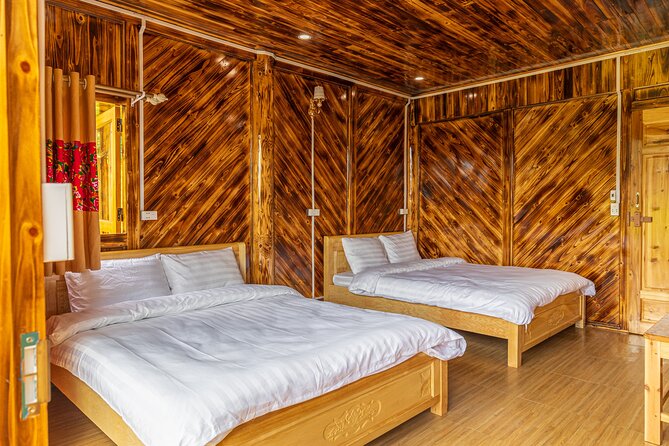
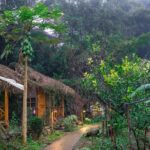
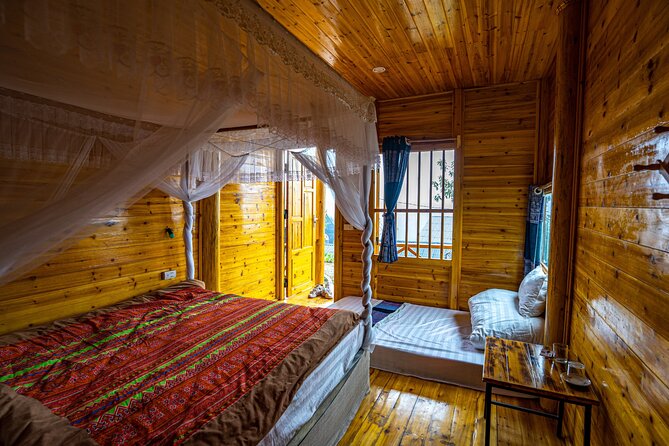
Sapa can feel touristy fast. What makes this trip different is the overnight in Ta Van, where you’re sleeping in a bungalow or wooden stilt house tied to a host family. That changes the whole tone of the trip. Instead of racing from one stop to another, you get a late-afternoon arrival and real time in the family setting.
You also get the ethnic diversity Sapa is known for, but in a way you can see with your own eyes as you walk. Day 1 passes through areas associated with Black Hmong in Lao Chai and Giay People as you approach Ta Van. Day 2 includes Giang Ta Chai village, home of red Dzao People. Even without “lecture-style” explanations, you’ll notice how the paths, fields, and daily routines connect to each community.
And because dinner and breakfast are included, you’re not scrambling to find food after a long day of trekking. It’s one of those small things that makes a budget tour feel more like a planned experience.
You can also read our reviews of more hiking tours in Hanoi


Hanoi Pickup to Sapa Town: How the Bus Ride Can Make or Break Your Comfort
The plan starts with pickup from the Hanoi Old Quarter area around 6:00–6:30am, then an A/C bus ride to Sapa Town with rest stops along the way (including stops around Lao Cai). The tour also includes 2 bottles of water per person on the Hanoi–Sapa–Hanoi ride, and Wi-Fi is available on the bus.
That’s the good news: you have air-conditioning, comfort seats, and enough structure that you’re not stuck figuring out connections at 5:00am. Still, here’s the practical advice: ask what departure timing you actually have on your date. There’s at least one “poor planning” scenario on record where a group ended up on a general sleeper bus departing late (around 9:30pm) and arriving before the sun (around 4:15am), with no real warmth or support right away.
If you get an early arrival, pack for cold. Sapa nights and early mornings can bite, and being outside in the dark isn’t fun. Even if your trip follows the early schedule, bring a warm layer, a hat, and shoes with good grip. You’ll thank yourself before you ever reach the trail.
Day 1: Y Linh Ho, Rice Terraces, and the Walk Toward Lao Chai and Ta Van
Day 1 starts once you reach Sapa Town and meet the guide and driver. You get a welcome drink and itinerary overview, then lunch with local Vietnamese dishes. That meal matters because the trek comes right after.
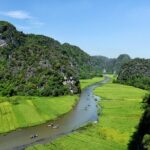
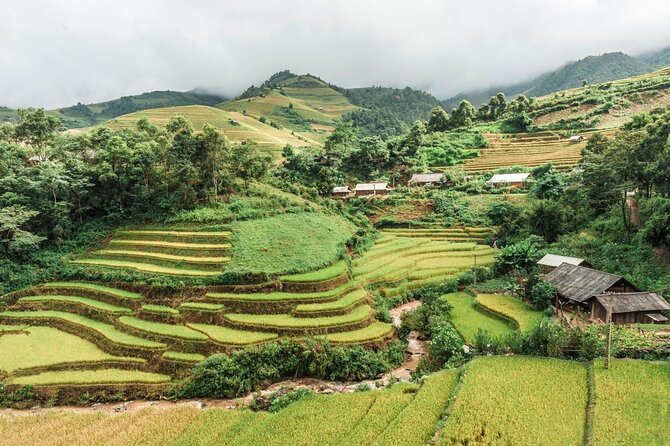
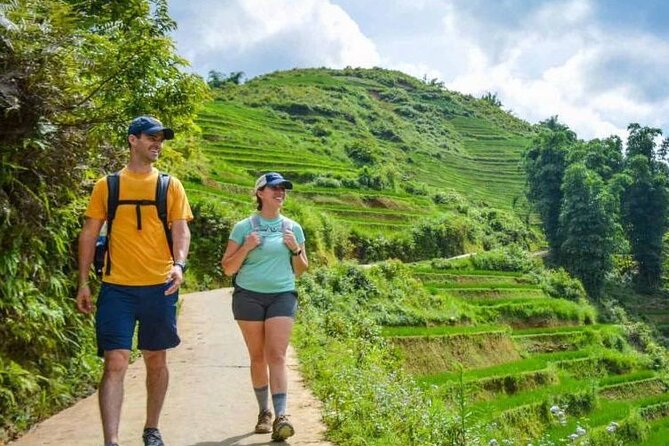
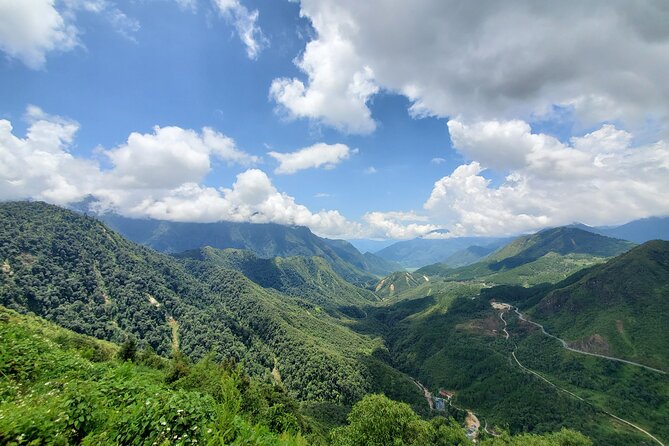
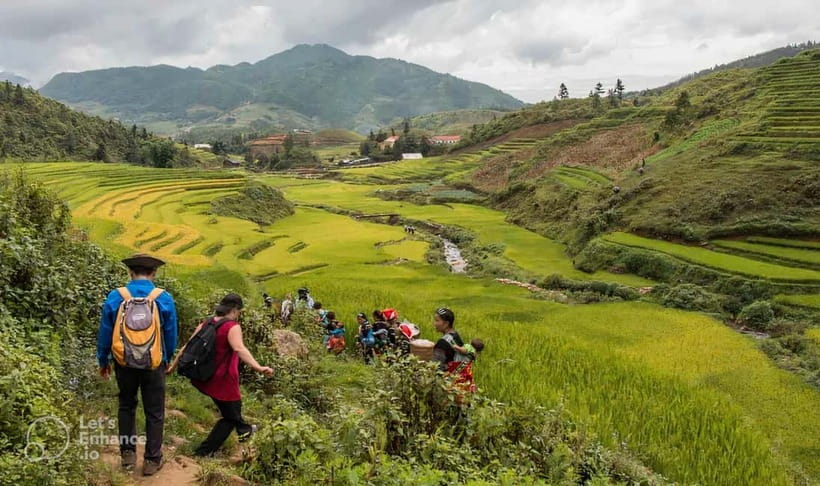
Then you head into the trail through Y Linh Ho, moving across rice terraces and following the Muong Hoa Stream route. This is the part people remember, because you’re walking through the very geography Sapa is famous for. Rice terraces aren’t just a postcard view here; they shape the path, the footwork, and the rhythm of your day.
The trek itself is about 9 km and lasts around 3.5 hours. The route takes you toward the Black Hmong village of Lao Chai, then onward as you approach Ta Van, where Giay People live.
By late afternoon, you check in to your homestay. This is where the trip becomes more than scenery. You get to meet the family and spend time during sunset. It’s a good moment for slower walking photos, plus a real chance to ask simple questions and learn how daily life works in a hillside village.
One small drawback: your late afternoon arrival means you may feel the day more than you expect if you’re not used to hiking. The views are great, but the tradeoff is fatigue. Plan to keep your pace steady and save energy for the homestay evening.
Ta Van Morning: Cooking Class in a Hill-Tribe Home Setting
The second day begins with a very “worth it” included activity: a cooking class in Ta Van around 7:00am. You learn to make Vietnamese dishes such as Pho and Nem Cuốn (fresh spring rolls). Even if you’re not a confident cook, it’s interactive, and you get to see how ingredients are used in daily home cooking rather than restaurant routine.
Then at 8:00am, breakfast is prepared by the family. This is one of those included details that changes how you experience the overnight. You’re not just eating because you have to; you’re eating in the rhythm of the household.
After breakfast, you’re ready for the second trek. Expect a transition from kitchen time back to trail time—so keep water handy and don’t wear anything too heavy or restrictive.
Day 2 Trek: Bamboo Forest, Giang Ta Chai, and the Red Dzao Village View
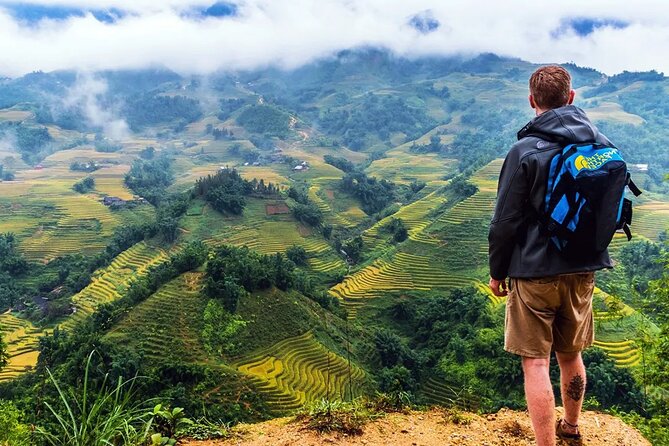
The next trek is shorter on paper but still satisfying: about 4 km, lasting around 2 hours. You start by walking to the rice paddies and then take time for a photo session with surrounding scenery.
Next comes a trek through a bamboo forest, which gives your walk a change of texture and shade. It also makes the trail feel less repetitive after Day 1.
At Giang Ta Chai village, you get a panorama view. Giang Ta Chai is associated with red Dzao People, and the stop gives you a chance to see how the village sits in relation to the fields and valley paths.
After that, you trek through the Giang Ta Chai Bridge back toward the main road. Then it’s back to the bungalow for a shower and lunch (12:30–13:30). Finally, you head back to Sapa Town with the bus pickup at 13:30.
In Sapa Town, you have free time from 14:00 to 15:00 to walk around or shop. That’s enough time to grab a snack, browse market-style stalls, and reset before the long return to Hanoi.
A few more Hanoi tours and experiences worth a look
- Doris Cruise 5 star cruise 2 days visiting Halong Bay Lan Ha Bay private balcony
★ 5.0 · 2,338 reviews





Head Back to Hanoi: The Return Timing You Should Plan Around
At 15:00–15:30, you meet the group at the bus station. Then you ride back to Hanoi with two rest stops and arrive around 21:30.
That end-of-day timing is important. You’ll likely be hungry and tired, so don’t plan a demanding evening in Hanoi immediately after arrival. If you’re taking a taxi or using ride-hailing, keep extra time for nighttime traffic.
The upside: because the tour includes the return ride in an A/C bus and includes water, you’re not scrambling for transport after a full two days.
Lodging and Meals: What’s Included and Why It Matters for Value
For this price point, the big value isn’t just “cheap.” It’s what you get without extra charging at every step.
Included:
- Breakfast and dinner, plus lunch twice (Day 1 and Day 2)
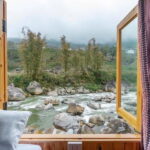
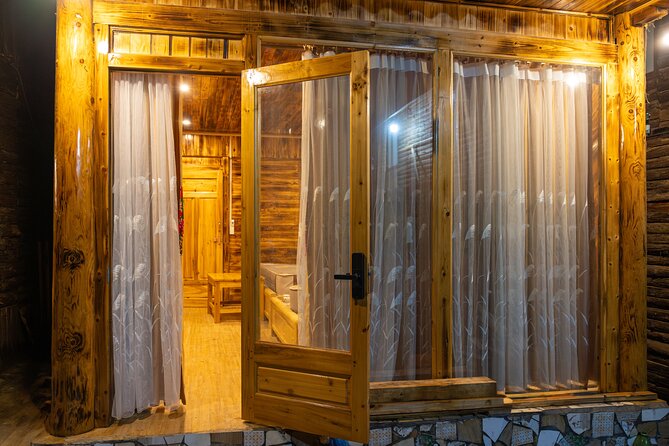
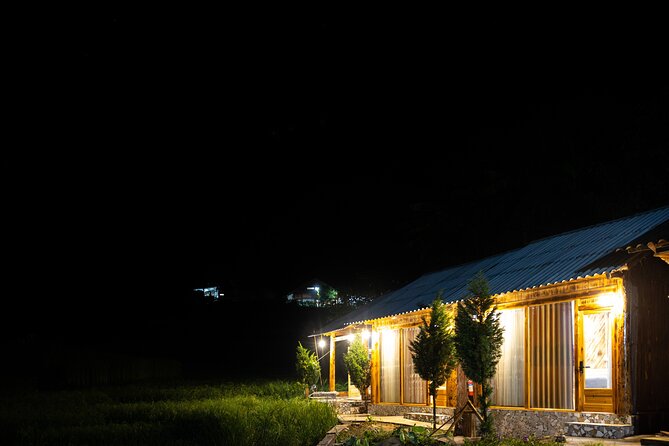
- Bungalow or wooden stilt house in the village area
- English-speaking guide
- Entrance tickets in the tour
- Wi-Fi on the bus and at the homestay
- 2 bottles of water per person on the bus (both directions)
Not included:
- Beverages (you’ll buy these)
- Travel insurance and personal expenses
- VAT
- A $30 surcharge if your travel date falls on a public holiday (paid onsite)
Is $52 good value? For Sapa treks, it can be. This cost stacks up because the tour covers transport from Hanoi, lodging, guiding, and meals. Night trains to Sapa (or Sa Pa) often cost more and add complexity. Here, you get a structured schedule and a village overnight without the higher friction of sleeping on a train.
Still, remember what you’re paying for: it’s a group trek with shared logistics. If you want private guides, guaranteed quiet rooms, or a fully flexible plan, this is probably not that style.
Pace, Fitness, and What to Pack for the Trail
This tour is aimed at people with moderate physical fitness. That’s the right category: not a hardcore expedition, but also not a stroll.
Key trekking effort:
- Day 1: about 9 km / around 3.5 hours
- Day 2: about 4 km / around 2 hours
What you should pack:
- Footwear with grip for uneven paths and possibly muddy sections
- Layers: Sapa conditions can swing, and you’ll start early and walk through the day
- A small daypack for water and a light rain layer
- A warm layer for mornings and homestay evenings
Also, keep your expectations realistic about comfort. A stilt house homestay isn’t a city hotel. It’s simpler, and that’s part of the appeal.
Group Size, Support, and the Best Way to Use This Tour
The group size caps at 20 travelers, which is a nice middle ground. You get the energy of a group tour but not the chaos of huge crowds. With an English-speaking guide and pickup/drop-off structure, you won’t be left alone to figure out routes.
Two small tips to make this smoother:
- Be ready to move quickly when transfers happen. You’ll have set times for meeting the group at bus stations.
- Use the included homestay and cooking class time. Those are the “real Sapa” moments this tour earns you, not just the walking.
If you care about genuine interaction, bring a curious attitude. Simple questions—about daily routines, crops, or household life—tend to land well in homestay settings.
Should You Book This Sapa Trek to Ta Van Village?
I’d book this if you want a budget-friendly way to do a true Sapa overnight in Ta Van, walk through rice terraces and streams, and spend your second morning cooking with the people hosting you. The combination of meals, guide, lodging type, and entrance tickets is what makes the price feel fair.
I’d think twice if you dislike early starts or you’re worried about cold morning waits. The tour’s plan is early-day travel, but confirm the actual departure time for your date. If there’s a late or sleeper-bus scenario, plan warm layers and understand that arrival can happen before full morning comfort.
If you’re flexible, moderately fit, and excited by hillside village life more than shopping stops, this is a strong match.
FAQ
What is the duration of the tour?
The tour runs for about 2 days.
Where does the tour start in Hanoi?
Pickup is offered from hotels in Hanoi’s Old Quarter area.
How much does this tour cost?
The listed price is $52.
What kind of transportation is included?
You get round-trip transport by modern air-conditioned bus with comfortable seats between Hanoi and Sapa.
Is an English-speaking guide included?
Yes, an English-speaking tour guide is included.
What’s included in the meals?
Breakfast and dinner are included, and there are also two lunch meals included.
Where do you sleep during the overnight?
You stay in a bungalow or a wooden stilt house in the village area.
How long are the treks each day?
Day 1 is about 9 km and lasts about 3.5 hours. Day 2 is about 4 km and lasts about 2 hours.
Is there Wi-Fi during the trip?
Yes, Wi-Fi is available on the bus and at the home stay.
What if I cancel?
You can cancel for a full refund up to 24 hours in advance of the experience start time.

More 2-Day Experiences in Hanoi
- Doris Cruise 5 star cruise 2 days visiting Halong Bay Lan Ha Bay private balcony
★ 5.0 · 2,338 reviews