REVIEW · PHAN THIET
2 Days Motorbike Tour From Mui Ne To Da Lat Or Vice Versa
Book on Viator →Operated by Easy Rider Mr.Viet · Bookable on Viator
Two days on a motorbike can teach more than a week of selfies. This ride is built around village roads and mountain passes, with an English-speaking driver who explains what you’re seeing in real time. I especially like the way the stops connect to daily life, from sand-dune stories to coffee and pepper farms. I also like that you get a real overnight homestay-style stay, plus chances to try local coffee and food along the route. One thing to consider: you are mostly riding all day, so you’ll want a little patience for bumpy stretches and long hours on the bike.
If you go Mui Ne to Da Lat (or the reverse), you’ll start around 8:30am and finish at your chosen spot in Da Lat on Day 2. The tour is private, and you ride as a passenger while your driver handles traffic. The overall value is strong if you want structure, safety, and authentic stops instead of trying to stitch together bus tickets and taxis on your own.
In This Review
- Key highlights worth planning for
- Why this Mui Ne–Da Lat ride feels more authentic
- The ride rhythm: timing, how full the days feel, and where you’ll land
- Day 1 from Mui Ne to Di Linh: dunes, farms, and minority villages
- Stop set in Mui Ne: white sand dunes and red sand dunes
- Fishing villages: coastline life before the mountains
- Farm country: dragon fruit, rice fields, coffee, pepper, tea
- Gia Bac minority villages: culture you can actually watch
- End of Day 1 in Di Linh: arrive around 5pm
- Day 2 Di Linh to Da Lat: waterfalls, workshops, temple, and coffee time
- Noodle making village: food with a backstory
- PongGour waterfall and Elephant waterfall: nature breaks with viewpoints
- Brick making factory: seeing work-in-progress
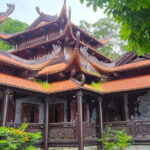
- Linh An Temple: spiritual architecture and local meaning
- Silkworm and handicraft villages: hands-on culture
- Cricket farm and rice wine making village: yes, that’s part of it
- Me Linh coffee village: try the local cup
- Van Thanh flower villages: gentle finish into Da Lat
- Food and the small extras that make the route easier
- Safety, comfort, and the driver you’ll want
- Price and value: what $69 really buys you here
- Who should book this, and who should skip it
- Should you book the Mui Ne to Da Lat two-day motorbike tour?
- FAQ
- How long is the 2-day motorbike tour?
- What time does the tour start?
- Is this a private tour?
- Will I have an English-speaking driver?
- What’s included in the price?
- Where is the overnight stay?
- What should I do if the weather is bad?
Key highlights worth planning for
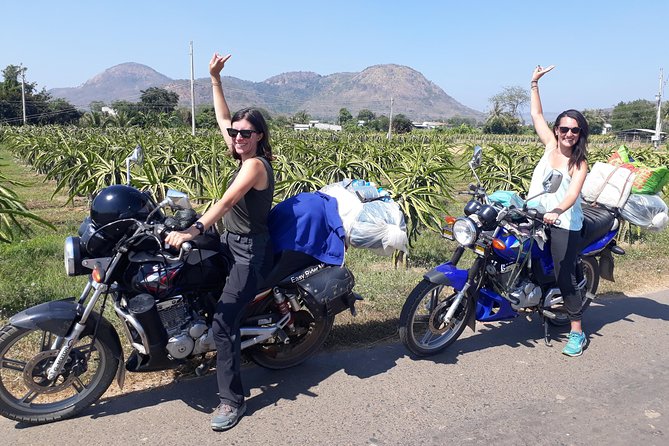
- English-speaking drivers who narrate everything you pass, not just the big sights
- About 90% on village and mountain roads, so the Central Highlands feel close up
- Sand dunes, waterfall stops, and craft villages in one simple 2-day route
- Included helmet, rain gear, and entrance tickets, so you travel lighter
- One overnight stay in a romantic homestay setup, with local food experiences
Why this Mui Ne–Da Lat ride feels more authentic
This tour is basically a guided route through the everyday engine room of Vietnam’s central-south countryside—farming communities, small workshops, and roadside life that you’d miss if you only stuck to big highways.
The best part is the driving style and the explanations. Many drivers on this route (including people named Viet, Qua, Hoa, Vo, Hung, and Tomy) are repeatedly described as safety-first and strong on English. I like that they’re not just pointing at scenery. They explain the history and the practical details behind what you’re seeing—how people earn a living, how villages are laid out, and why certain places exist where they do.
And yes, the road choice matters. The route is heavy on village roads and mountain roads, which means more turns, more variety, and more chances to see real communities—not just pass-by views from a bus window. Your brain gets the rhythm of the region fast.
You can also read our reviews of more tours and experiences in Phan Thiet.



The ride rhythm: timing, how full the days feel, and where you’ll land
You start at 8:30am. Plan for a big Day 1 and a big Day 2. The schedule is built around roughly 9 hours of travel each day, even though you’ll stop for sights and food breaks.
On Day 1, you’ll ride from Mui Ne to Di Linh Town (about 130km) and typically reach Di Linh around 5:00pm. After that, you check in for the night at an included homestay/hotel setup.
On Day 2, you ride from Di Linh to Da Lat (about 140km) and end at a location in Da Lat that you prefer. The tour is designed to be flexible, and in practice that means the driver can adapt to what you care about most—extra time at a village stop versus a quicker photo stop—depending on the day.
Small practical note: you’re not stopping at one destination and resting. You’re moving constantly. If you’re the type who wants long quiet breaks every hour, this might feel fast. If you enjoy being on the go, it’s a great fit.
Day 1 from Mui Ne to Di Linh: dunes, farms, and minority villages
Day 1 starts in Mui Ne with an easy handoff: the driver picks you up from your hotel lobby area at 8:30am and you’re on the road. From there, the route does a smart job of showing the region’s diversity early—coastal sand and fishing life, then farms, then highland communities as you climb inland.
Stop set in Mui Ne: white sand dunes and red sand dunes
First come the white sand dunes and red sand dunes. These are not just photo stops. You’ll get the story behind how the dunes formed and how the landscape ties to local livelihoods and regional geography. If you’re curious about why Vietnam’s coastline looks the way it does, this is a good opening act.
The main consideration here is heat and sun. Even if the tour provides rain coats, you still want to protect against bright daylight.
Fishing villages: coastline life before the mountains
Next, you’ll pass through fishing villages, where daily activity is the point. The guide’s explanations help you connect the dots between the coast and what changes as you head inland.
For me, this is where the tour stops feeling like a list of attractions. You’re learning how places work, and then watching that logic shift over the next day.


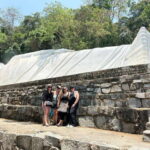



Farm country: dragon fruit, rice fields, coffee, pepper, tea
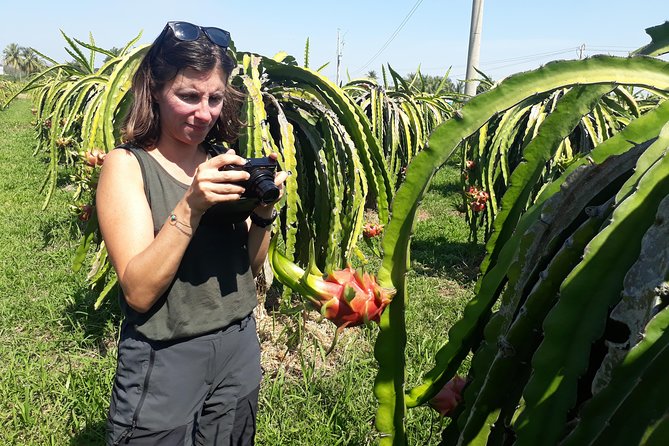
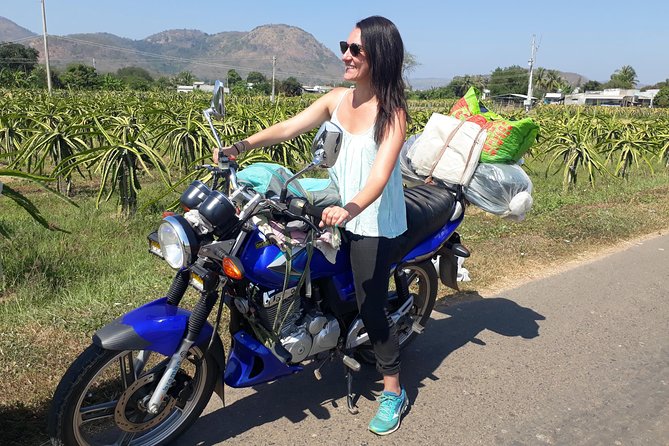
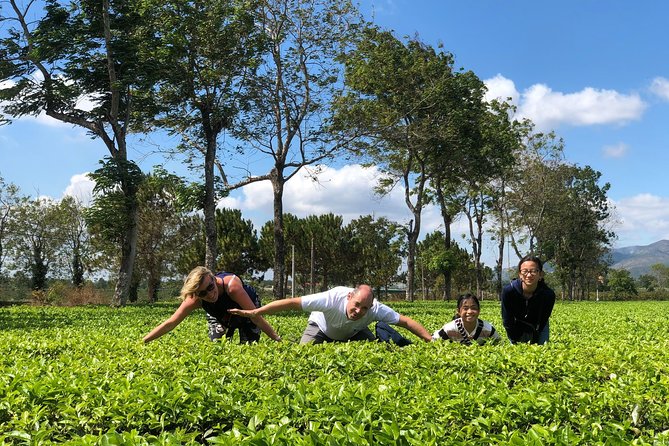
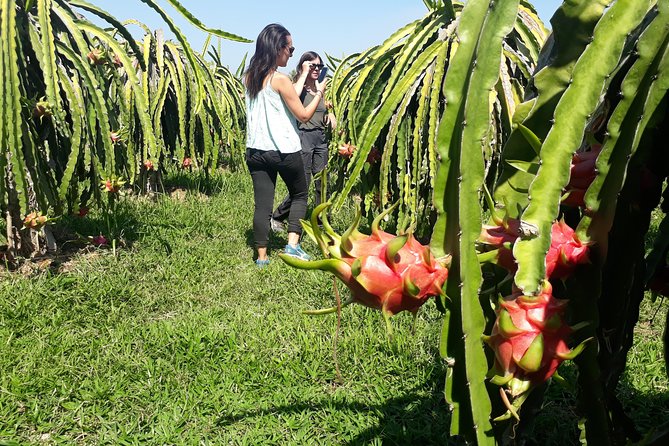
After the dunes and fishing areas, the tour transitions into agriculture—often the fastest way to understand a region. You’ll see dragon fruit farms, rice fields, and coffee plantations, plus pepper fields. There’s also a tea plantation stop.
This is one of the tour’s best values because it’s not just “look at crops.” The guide connects the plants to the local economy and how people live around them. You also get a real sense of the Central Highlands as a working landscape, not just a view.
Quick practical tip: bring something small for sun protection and keep water handy. Water isn’t listed as included, so you’ll want cash or a plan to buy it during breaks.
Gia Bac minority villages: culture you can actually watch
One of the most memorable parts is the stop at Gia Bac minority villages, where you can learn about traditions and daily life. This is the kind of visit that works best when you stay curious and ask respectful questions, since the guide is the one doing the translating and context.
From the ride feedback, this tends to be a standout moment for many people because it feels personal and close up, not staged.
End of Day 1 in Di Linh: arrive around 5pm
You’ll arrive in Di Linh Town around 5:00pm. That evening is when you’ll sleep at the included homestay/hotel setup. This part matters because it breaks up the driving with a cultural night instead of ending the day in a generic transit stop.
Day 2 Di Linh to Da Lat: waterfalls, workshops, temple, and coffee time
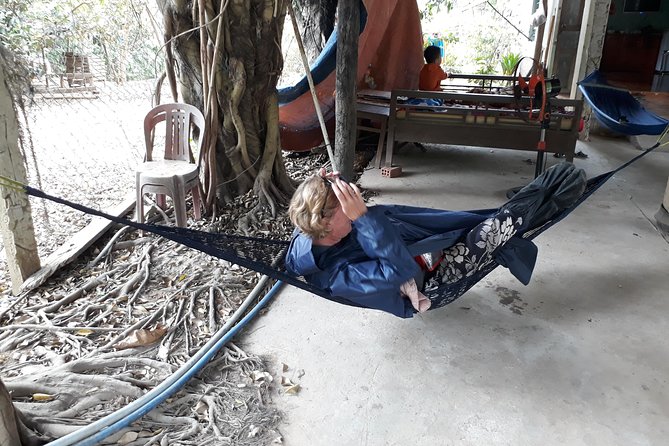
Day 2 is all about variety and texture. You ride through forest roads and coastal roads (depending on the exact route that day), and the stops focus on making, crafting, and small-scale industries—plus a couple of big nature moments.
You’ll start after breakfast, then begin a long run of stops that mixes productivity and scenery.
Noodle making village: food with a backstory
First up is a noodle making village. Even if noodles sound basic, this stop is about how people produce food locally and how small workshops fit into village life. It’s the kind of stop where you can usually take photos without needing to rush.
PongGour waterfall and Elephant waterfall: nature breaks with viewpoints
You’ll also visit PongGour waterfall and later the Elephant waterfall. These are your nature anchors on the second day. Waterfalls also give you a natural reset from traffic and village roads.
Practical note: the tour is weather-dependent, and rain can change conditions around waterfall areas. The good news is the tour includes rain coats, which helps you keep moving.
Brick making factory: seeing work-in-progress
Next is a brick making factory stop. This one’s worth it if you like practical, human-scale industry stories. You’ll get context from the guide, and you’ll likely notice how materials and labor shape the final product.
If you’re sensitive to dust or strong smells, you might want to keep your camera lower and stay aware in workshop areas.
Linh An Temple: spiritual architecture and local meaning
Then comes Linh An Temple. Temples aren’t only for photos here. They’re cultural landmarks you’ll understand better when your guide explains what you’re looking at and how it fits into village life.
The key is to keep your pace. Temple areas can be quiet, and the tour schedule moves on—so don’t get stuck if it starts to feel too crowded for your group.
Silkworm and handicraft villages: hands-on culture
You’ll visit a silkworm factory and then handicraft villages. This is where you see how materials become clothing and everyday items. It’s also a good reminder that the route isn’t only nature. It’s very much about craft and the small processes that sustain communities.
From the ride feedback, people often remember these stops because the guides talk clearly and cover the details.
Cricket farm and rice wine making village: yes, that’s part of it
You’ll also stop at a cricket farm and a rice wine making village. These are not universal interests, and that’s okay. If you like food culture and odd-but-true rural practices, you’ll likely enjoy this section.
If you’d rather skip anything that feels too intense, the driver can often tailor the tour to your interests—just be direct in how you want to spend time.
Me Linh coffee village: try the local cup
Then you reach Me Linh coffee village, where you can try local coffee. Coffee is a big part of Central Highlands identity, and this stop ties the farming stops from Day 1 to a real tasting moment on Day 2.
Van Thanh flower villages: gentle finish into Da Lat
Finally, you end with Van Thanh flower villages, which is a soft landing before Da Lat. The visuals are usually pleasant, and it gives you a calmer ending point for photos before you wrap up in the city.
Food and the small extras that make the route easier
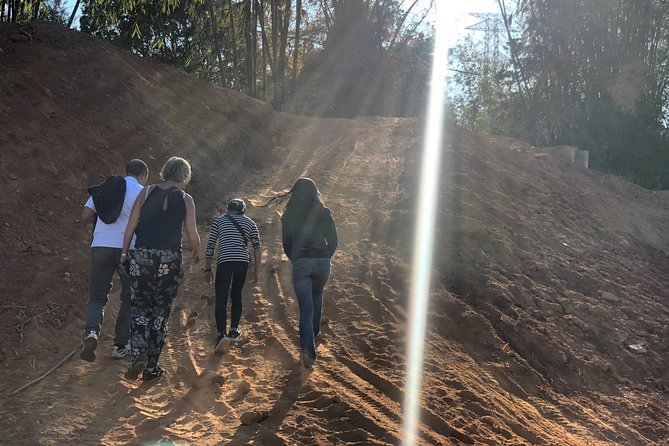
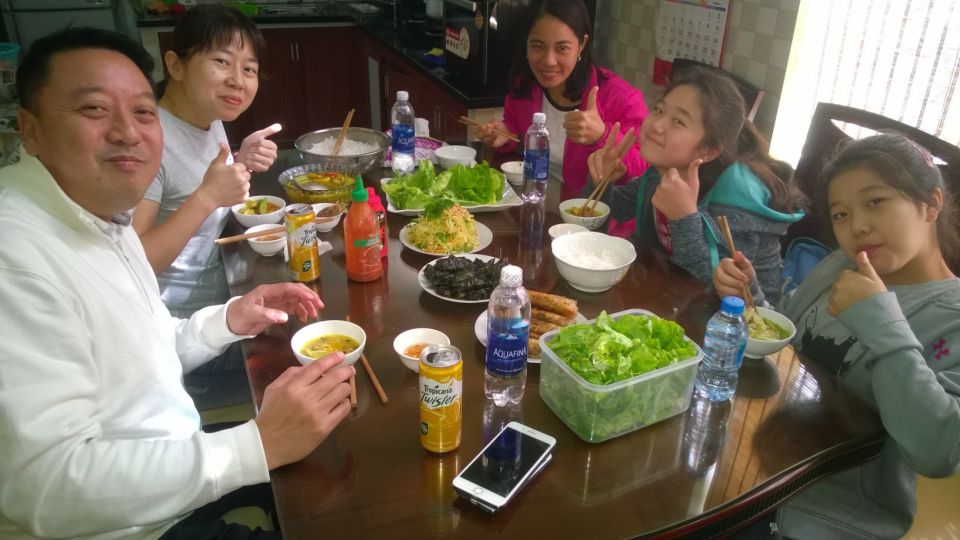
The tour includes food experiences in the sense that you’ll have chances to taste local dishes and coffee along the way, rather than treating meals as an afterthought. The overview also specifically points to local coffee and something called Happy water.
Two practical points for you:
- Lunch is not listed as included, so plan for local meal stops and keep some cash.
- If you have dietary needs, it’s worth telling the operator in advance. One rider mentioned that vegan/vegetarian options worked well on their trip.
Even when the day feels long, these food stops are what keep it from becoming just driving for hours. They give you a reason to pause, regroup, and talk with the guide while the region is fresh in your mind.
Safety, comfort, and the driver you’ll want
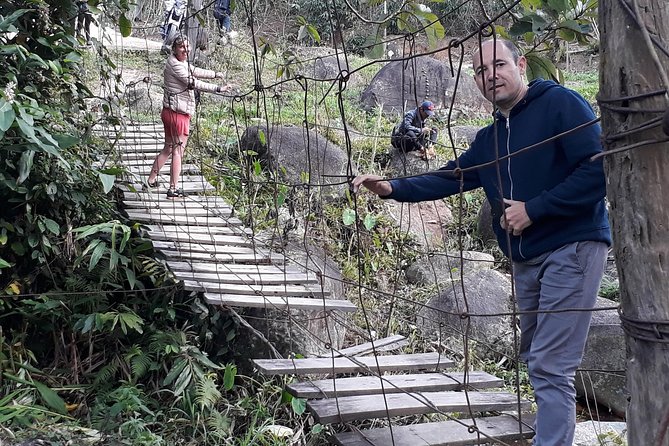
This tour’s biggest selling point is how safe and confident the drivers are described to be. People repeatedly highlight feeling secure on the motorbikes, and that matters because the route is full of winding roads and hills.
There’s also a practical comfort angle. You’ll be wearing the included helmet and you’ll have rain coats available if the weather turns. Still, bring your own common sense: wear layers that can handle cool highland air, and use sunscreen even on cloudy days.
One more thing I like: the driver is also your translator and storyteller. Names that come up often include Viet, Qua, Hoa, Vo, Hung, and Tomy. Many riders describe the explanations as complete and easy to follow, and that the drivers adapt when customers ask for changes.
Your best move: tell the driver early what you care about—waterfalls, crafts, minority culture, coffee—so they can fine-tune the time at stops.
Price and value: what $69 really buys you here
At $69, you’re paying for a package: motorbike transport with an English-speaking guide, an overnight stay, plus entrance tickets and gear like helmets and rain coats. Lunch, water, and personal expenses are not included.
For value, the big win is that you’re getting:
- A local driver who knows the stops and speaks your language
- Structured access to multiple places across two days
- Costs that often add up separately (tickets, transport, coordination)
If you tried to DIY it with grab rides, buses, and private transfers, you’d likely spend more on logistics and still miss the explanations that turn a stop from a photo into understanding.
When might $69 feel like less value? If you already have your own full-day driving plan and you don’t care about the guided context. But if you want an efficient route with narration and cultural stops, it’s good value.
Who should book this, and who should skip it
This works best for you if you want:
- A fast, meaningful way to connect Mui Ne coastal life to Da Lat highland culture
- Real village-road travel instead of only big roads
- A guide-led plan so you’re not guessing where to go and how long things take
It may not be ideal if:
- You hate long riding days or motion
- You prefer fully self-paced travel with minimal stops
- You need a strict schedule with long quiet downtime
If you’re traveling with a group, the private format is a plus. If you’re solo, it’s also a strong way to meet the area through local expertise without dealing with multiple bookings.
Should you book the Mui Ne to Da Lat two-day motorbike tour?
I’d book it if your priority is authentic Central Highlands glimpses with safe, English-speaking driving and a plan that hits sand dunes, farms, village culture, waterfalls, crafts, and coffee in just two days.
I would think twice if you’re prone to getting carsick or you want long, slow sightseeing breaks. This tour moves, and it keeps you on the road for a reason: the route changes constantly.
If you can handle a couple of full days on the bike, this is one of the more efficient ways to travel with context instead of just motion.
FAQ
How long is the 2-day motorbike tour?
It’s a two-day route. Day 1 rides from Mui Ne to Di Linh Town (about 130km) and typically runs around 9 hours. Day 2 rides from Di Linh to Da Lat (about 140km) and also runs around 9 hours.
What time does the tour start?
Pickup is scheduled for 8:30am.
Is this a private tour?
Yes. It’s a private tour, so only your group participates.
Will I have an English-speaking driver?
Yes. The tour includes a motorbike with an English speaking guide/driver.
What’s included in the price?
Included items are the motorbike and English-speaking guide, 1 night accommodation, entrance tickets, rain coats, and a helmet. Local lunch, water, and personal expenses are not included.
Where is the overnight stay?
You’ll stay one night at the included accommodation described as a homestay/hotel setup in the Di Linh area.
What should I do if the weather is bad?
The tour requires good weather. If it’s canceled due to poor weather, you’ll be offered a different date or a full refund.
If you want, tell me your travel month and whether you prefer more nature (waterfalls) or more crafts/food, and I’ll suggest how to time your day around that choice.