REVIEW · HANOI
2-Day Trekking Adventure of Sapa from Hanoi with Night Bus
Book on Viator →Operated by Vietnam Travel Top · Bookable on Viator
Hitting Sapa at dawn beats the usual day-trip hustle. This 2-day trek trades overbuilt town time for village mornings around rice terraces, plus an overnight in a bungalow in Ta Van where the Giay minority is the focus. Two things I really like: the small group size (no more than 10) and the way the schedule funnels you into real local life instead of just passing through.
My one caution: you’re on a long night bus, and the route depends on good weather. If conditions are poor, the tour may shift dates, so it helps to keep your Hanoi plans flexible.
In This Review
- Key points I’d plan around
- From Hanoi by sleeper bus to a 5:30am Sapa arrival
- Day 1 in Sapa: Y Linh Ho, Lao Chai, and Ta Van’s Giay/Dzay welcome
- Y Linh Ho and the rice terraces route to Lao Chai
- Ta Van Village: welcome drink, lunch with a family, then sunset time
- A note on names you may hear
- Day 2: paddies, bamboo, and Giang Ta Chai bridge views
- The afternoon buffer in Sapa Town
- Meals and bungalow life in Ta Van
- Guide quality: how Cat, Vu, and Mû can change the whole walk
- Price and value: how $79 holds up for two days
- How hard is it, and who it suits best
- Weather rules and why they affect your Sapa walk
- Should you book this Sapa trek?
- FAQ
- FAQ
- What time does the tour start in Hanoi?
- How big is the group?
- What trekking distance and duration should I expect?
- What’s the overnight accommodation like in Ta Van?
- Are meals included?
- Is pickup included from Hanoi hotels?
- What does the tour include for transport?
- What if the weather is bad?
- Is there a cancellation window?
Key points I’d plan around
- Max 10 people means less noise on the trail and more time for your guide’s explanations
- Overnight in Ta Van gives you more than a quick village stop, with a bungalow stay and time to meet the family
- Sleeper bus + luggage handling saves both money and energy versus paying for an extra hotel night
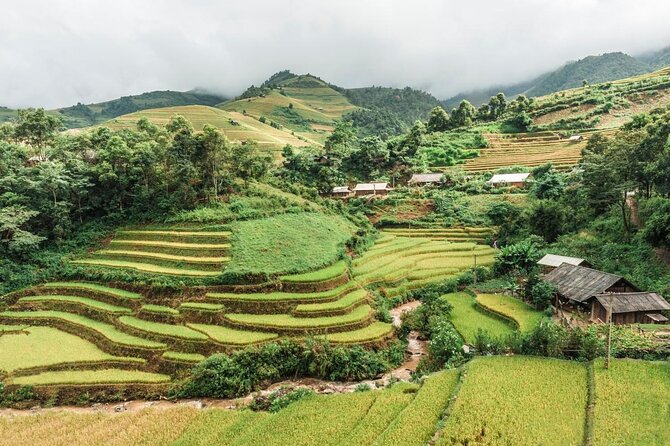
- Two different treks: a longer day-1 walk around terraces and streams, then a shorter but slower day-2 stretch through bamboo and paddies
- Meals are handled with breakfasts, lunches, and dinner included, plus cooking time if you want to join in
From Hanoi by sleeper bus to a 5:30am Sapa arrival
This tour starts in Hanoi’s Old Quarter area (meeting point is on P. Hàng Ngang / Hàng Đào, Hoàn Kiếm). You get picked up at 9:00 pm from the Old Quarter hotels on Monday to Thursday nights, then transfer to a highway sleeper bus toward Lao Cai and Sapa.
The key timing win is the early arrival. The bus lands in Sapa at 5:30 am. From there, you sleep on the bus until about 6:00 am, then you’re picked up for breakfast and to drop off your big luggage at a Sapa hotel. That means you don’t start trekking with a heavy pack bouncing around town.
If you’re the type who hates wasted mornings, this is a good trade: you’re using the bus time to cover the distance so you can spend daylight actually walking.
You can also read our reviews of more evening experiences in Hanoi


Day 1 in Sapa: Y Linh Ho, Lao Chai, and Ta Van’s Giay/Dzay welcome

Day 1 begins with breakfast in Sapa Town, then checkout and trekking. The first real hike is about 12 km and lasts around 4 hours, moving through the Sapa countryside rather than circling the town sights.
Y Linh Ho and the rice terraces route to Lao Chai
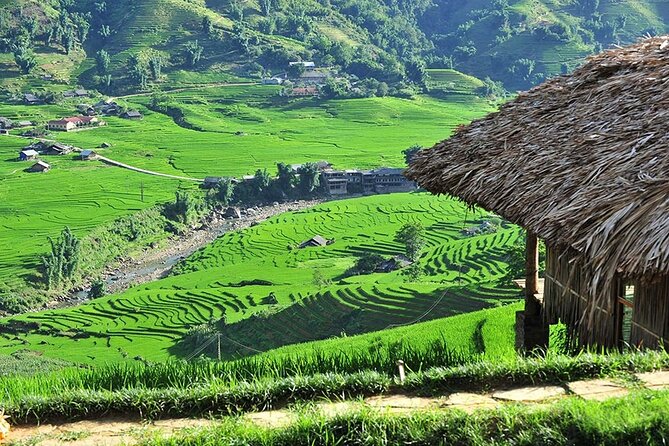
After a short drive, you start around Y Linh Ho and trek along rice terraces and the Muong Hoa Stream. The route leads you to the Black Hmong village of Lao Chai, with big views of Hoàng Liên Son Mountain.
This part matters because it sets the tone: you’re not just looking at terraces from a lookout. You’re walking the same paths that connect villages, and the guide can explain what you’re seeing while the scenery is right there.
Ta Van Village: welcome drink, lunch with a family, then sunset time
Next you head to Ta Van Village. You’ll get a welcome drink at the bungalow, then lunch is served with Vietnamese dishes made by the family. In the late afternoon, you approach the village and see how the community lives in the mountains.
After that, you check in to the bungalow (and yes, it’s described as having modern self-contained toilet facilities). You then get time to learn the family’s routine—there’s a sunset window built in, and you can join in local cooking for dinner if you want. Even if you don’t cook, having a scheduled social block makes it easier to talk with your hosts without feeling rushed.
In the evening, there’s also the option to head to a nearby local bar with music to socialize with the group, then you overnight in Ta Van.
A note on names you may hear
The tour description highlights Giay culture, but your day-1 village encounters also include the Dzay ethnic group living in Ta Van. I like that this tour tries to point you toward the people you’re actually staying with, not just generic descriptions of Sapa.
You can also read our reviews of more hiking tours in Hanoi


Day 2: paddies, bamboo, and Giang Ta Chai bridge views
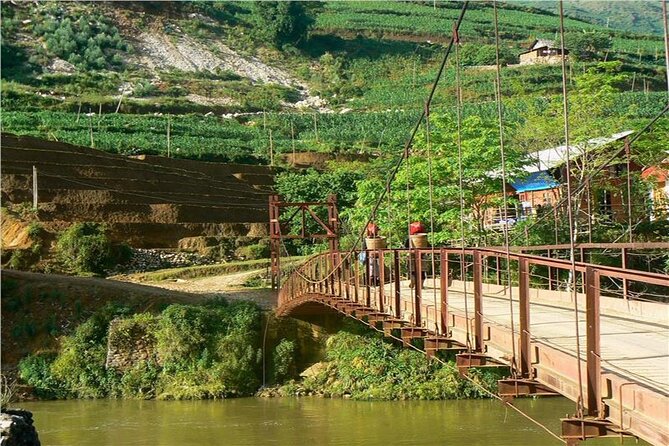
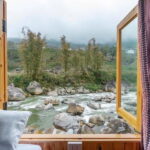
Day 2 starts with breakfast prepared by the family. Then you’re back on the trail at 8:45, walking toward rice paddies and taking a photo session with the surrounding mountain views. Next comes a trek through a bamboo forest and a stop with a panorama view of Giang Ta Chai village, home of the Red Dzao People.
On paper, day 2 looks shorter than day 1—about 3 km and roughly 3.5 hours—but it can feel longer because you’re moving with lots of stops for views. This is the kind of hike where slowing down is part of the point.
After the panorama, you trek through the Giang Ta Chai Bridge and then return to the main road. At that point, the bus picks you up back to Sapa Town.
The afternoon buffer in Sapa Town
Once you’re back in Sapa Town, you get time to relax on your own. There’s mention of shower options in a public bathroom at the hotel if you want one, and you’ll have a lounge window before meeting the full group again.
Then it’s back on the bus to Hanoi with two rest stops. You should plan to arrive in Hanoi around 21:00, then be dropped near the end point (30 P. Lý Thái Tổ) so you can get back to your hotel.
Meals and bungalow life in Ta Van
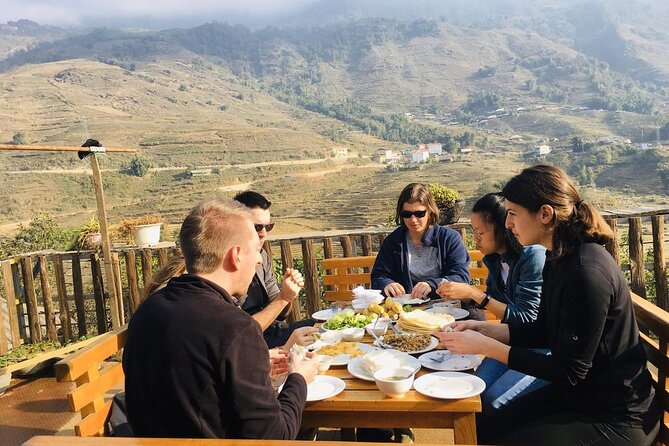
One reason I’d pick this over a basic day hike is how the schedule handles food and downtime. The experience includes dinner, plus two breakfasts and two lunches. That’s real value because in Sapa, meal costs and time can creep up fast when you’re moving around.
In Ta Van, dinner is tied to your stay. You’ll be able to join cooking local dishes with the family if you want, which can turn a standard meal into something more memorable and practical—especially if you ask what ingredients are used and why.
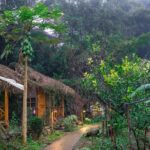
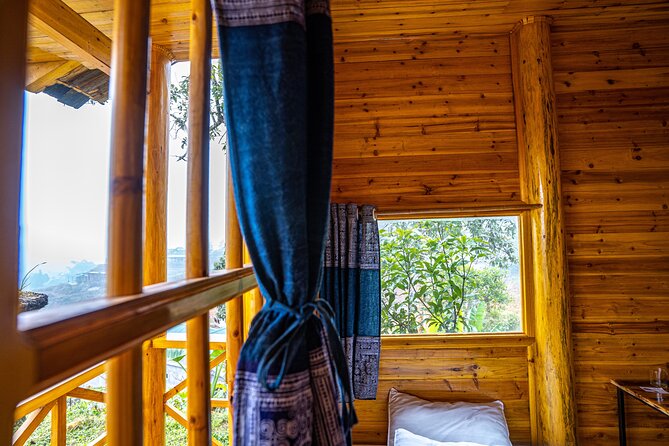
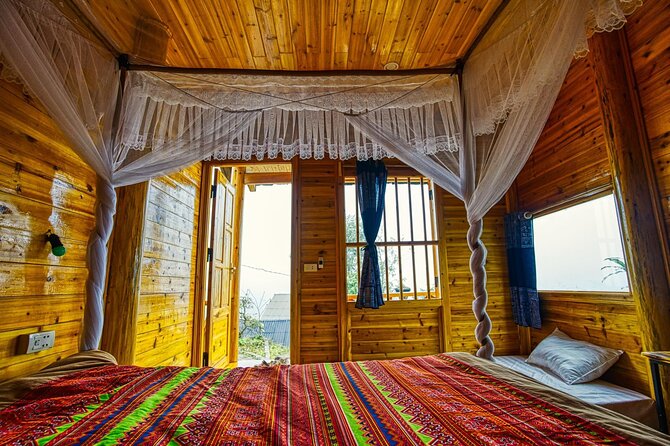
Your bungalow room is described as en-suite, with a modern self-contained toilet. I can’t promise it will feel like a city hotel, but the big point is comfort for a trekking trip: you’re not dealing with basic “surprise” facilities after a long day.
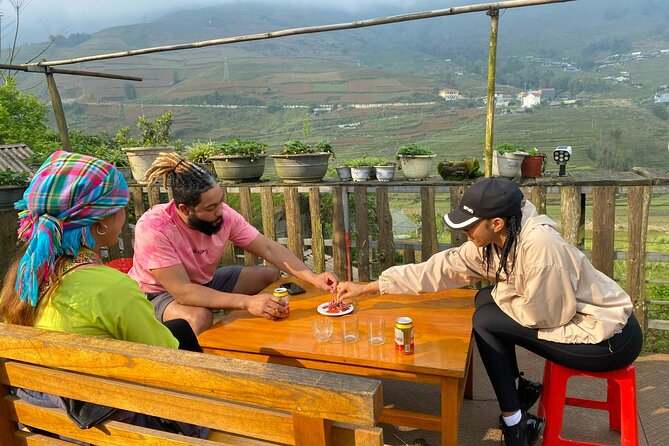
You also get a built-in social moment. Whether you spend it chatting nearby or just watching sunset with the group, it helps you feel like you spent the night in the village, not just checked in somewhere and slept.
Guide quality: how Cat, Vu, and Mû can change the whole walk
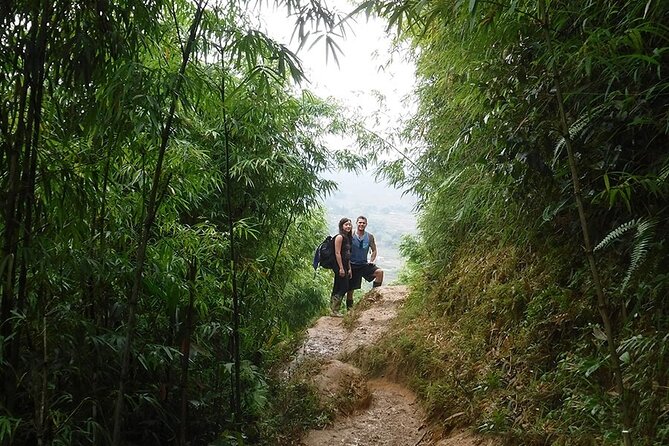
With a tour like this, the guide makes or breaks it. The strongest feedback I’ve seen tied to this trip points to guides who explain ethnic history and daily life in plain language, with good English and real curiosity.
The standout names people mention are Cat, Vu, and Mû. That matters because you’ll be walking for hours—12 km on day 1 and about 3 km on day 2—and it’s great when your guide can connect what you’re seeing to how people actually live around terraces, streams, bamboo forests, and village bridges.
Also, the small group (up to 10) makes it easier to ask questions and keep the pace comfortable. I’d rather have five good stories than ten facts you’ll forget by the end of the day.
Price and value: how $79 holds up for two days
At $79 per person for a 2-day package, this is priced like a budget-friendly experience—but it includes a lot of the cost drivers that often get added on later elsewhere.
You’re getting:
- Round-trip sleeper bus between Hanoi and Sapa (with a sleeper setup on the first night)
- An overnight in Ta Van (bungalow stay with modern self-contained toilet)
- Meals (two breakfasts, two lunches, plus dinner)
- Local transfers for key segments (short drives to trailheads and pickup afterward)
- Space to store a big pack at a Sapa hotel so you can hike without carrying everything
That’s why I see it as good value for people who want the village experience without paying extra for hotels and meals on their own. If you tried to recreate the same two-day structure independently, you’d likely spend more once you add transport, guides, and lodging.
Still, check your own priorities. If you want maximum downtime and zero early starts, the night bus may feel like too much. But if you want to spend daylight trekking and talking with people, this pricing makes sense.
How hard is it, and who it suits best
The hikes are clearly described by distance and time:
- Day 1: about 12 km, about 4 hours
- Day 2: about 3 km, about 3.5 hours
That second day can be trickier than the shorter distance suggests because it includes bamboo forest walking and panorama viewpoints where the group slows down. The good news is the tour notes that most travelers can participate, so it’s not presented as extreme trekking.
I’d still treat it as a real hike. Bring decent footwear and expect uneven ground around terraces. If you’re sensitive to long travel days, plan for tired legs and don’t schedule heavy sightseeing in Hanoi right before departure.
This is also a strong fit for solo travelers or couples who want a guided, social experience but still want a more authentic feel than a crowded town-based itinerary.
Weather rules and why they affect your Sapa walk
This experience requires good weather. If it gets canceled due to poor conditions, you’ll be offered a different date or a full refund.
That’s important because this is a trekking itinerary. Even if the plan stays the same, rain and mist can change visibility and footing. The tour description suggests they do route adjustments, so be ready for the idea that the exact path can vary with conditions.
If you’re coming for photos and views, choose dates when you’re less likely to hit heavy rain. And keep your expectations flexible—good trekking days aren’t only about effort, they’re about the weather working with you.
Should you book this Sapa trek?
I’d book it if you want:
- A small-group trek (up to 10) with actual time in a village
- An overnight in Ta Van, not just a drive-by photo stop
- Meals handled so you can focus on the walk and the people
- The early start advantage of a sleeper bus from Hanoi
I’d hesitate if you dislike night travel or if your schedule is rigid. The itinerary is timed tightly around an early bus arrival and an evening return to Hanoi around 21:00, so it’s best when you’re okay with a full travel day loop.
FAQ
FAQ
What time does the tour start in Hanoi?
Pickup is listed for 9:00 pm, with the start meeting point in Hanoi Old Quarter near P. Hàng Ngang / Hàng Đào (Hoàn Kiếm).
How big is the group?
The tour has a maximum of 10 travelers.
What trekking distance and duration should I expect?
Day 1 is about 12 km and lasts about 4 hours. Day 2 is about 3 km and lasts about 3.5 hours.
What’s the overnight accommodation like in Ta Van?
You stay in a bungalow in Ta Van village with an en-suite room and a modern self-contained toilet.
Are meals included?
Yes. The inclusions list covers two breakfasts, two lunches, and dinner. The tour summary also mentions five delicious meals, so you should expect full meal support across the two days.
Is pickup included from Hanoi hotels?
Pickup is available from Hanoi Old Quarter hotels from Monday to Thursday nights at 21:00. The meeting point is also listed in the Old Quarter.
What does the tour include for transport?
You get air-conditioned vehicle transfers, plus a luxury sleeper bus for the Hanoi–Sapa–Hanoi route. Two bottles of water per person are included for the bus legs.
What if the weather is bad?
The experience requires good weather. If it’s canceled due to poor weather, you’ll be offered a different date or a full refund.
Is there a cancellation window?
Free cancellation is allowed up to 24 hours in advance for a full refund.