REVIEW · HANOI
Ban Gioc Waterfall Cyclop Mountain Fullday By Car
Book on GetYourGuide →Operated by Vietnam Northern Travel · Bookable on GetYourGuide
Early mornings here turn into big wow views. This full-day Ban Gioc and Cao Bang Global Geopark loop by car mixes ethnic villages and crafts with major natural stops, from Ngao Cave to the border-area waterfall. I especially like how the plan keeps moving without feeling frantic, and how a good English-speaking guide like Tu (and other guides such as Tuan, Sen, Nat, Dong, and Anthony in similar departures) explains what you’re seeing in plain, practical terms. One drawback to consider: it’s a long day, and it’s not ideal if you’re sensitive to long car hours or if your health limits you (there are clear age and pregnancy notes).
The payoff is the variety. You get cultural stops (stilt houses, traditional paper/forging craft work), then cool stone shapes in a cave, then sweeping views from Trúc Lâm Zen Monastery, and finally the real reason most people come: Ban Gioc Waterfall, including time for a boat approach when conditions allow. If you’re traveling solo, note that the operator’s rule says a motorbike can be used when there’s only one solo traveler—though a car may still be arranged in some situations, so it’s smart to ask.
In This Review
- Key points worth knowing before you go
- A Route Built for Scenery and Real Places
- Stilt-House Life and the Paper/Forcing Craft Stop
- Ngao Cave (Tiger Cave): Where the Stone Does the Art
- Trúc Lâm Zen Monastery: The Viewpoint That Connects Everything
- Ban Gioc Waterfall: Boat-Time and the Border Feeling
- Angel Mountain at Sunset: The Short Finale With Big Drama
- Guides, Group Size, and Why the Day Feels Easy
- Price and What You’re Actually Buying for $82
- Who Should Book This Ban Gioc Full-Day Loop?
- Should You Book This Tour? My Practical Take
- FAQ
- How long is the full-day Ban Gioc and Cao Bang Geopark car tour?
- What’s included in the $82 per person price?
- Are the boat/raft rides at Ban Gioc included?
- Do I need a passport and cash?
- Is pickup from my hotel included?
- What mandatory fees should I expect?
- If I travel alone, will I ride by car?
- Are there age or health limits?
- What should I know about behavior restrictions?
Key points worth knowing before you go
- A full loop in one day: villages, craft work, cave, monastery viewpoints, Ban Gioc, and Angel Mountain sunset time.
- Car-based comfort over rough logistics: the itinerary is designed for SUVs/MPVs/EVs rather than forcing you onto long rides.
- Ngao Cave stays “pristine-feeling”: natural stone columns and many recognizable stalactite shapes.
- Ban Gioc includes the border-area feeling: you’re near the Vietnam–China divide in the river.
- English-speaking local guides matter here: the experience is paced around explanations and photo help.
- Lunch is local, not a tourist buffet: you’ll eat Cao Bang specialties at Thác Bản Giốc Restaurant.
A Route Built for Scenery and Real Places
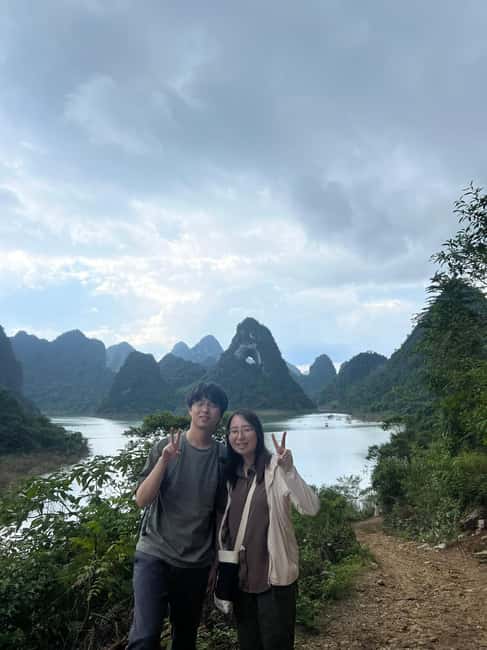
This day trip is structured like a drive-and-stop story. You start in Cao Bằng city around 7:00–7:30am, then head out onto scenic roads through Cao Bằng Global Geopark—past Ma Phục Pass and into ethnic village lanes where you can pause for photos.
This matters because Cao Bằng is spread out. If you try to DIY, you lose time figuring routes, finding entrance points, and lining up transport at the right moments. Here, the schedule stitches it together so you can focus on what you’re actually seeing: stilt houses, everyday village scenes, and big mountain backdrops.
The scenery shift is also part of the fun. In the morning you’ll feel the quieter side of rural life—children’s laughter, birdsong, and fresh air. Later it turns more dramatic: caves, monastery viewpoints, then a waterfall in a wide river valley. It’s the kind of day that feels like several trips combined, without forcing you to “rush only to rush.”
You can also read our reviews of more tours and experiences in Hanoi.

Stilt-House Life and the Paper/Forcing Craft Stop
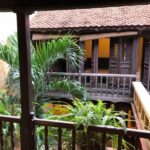
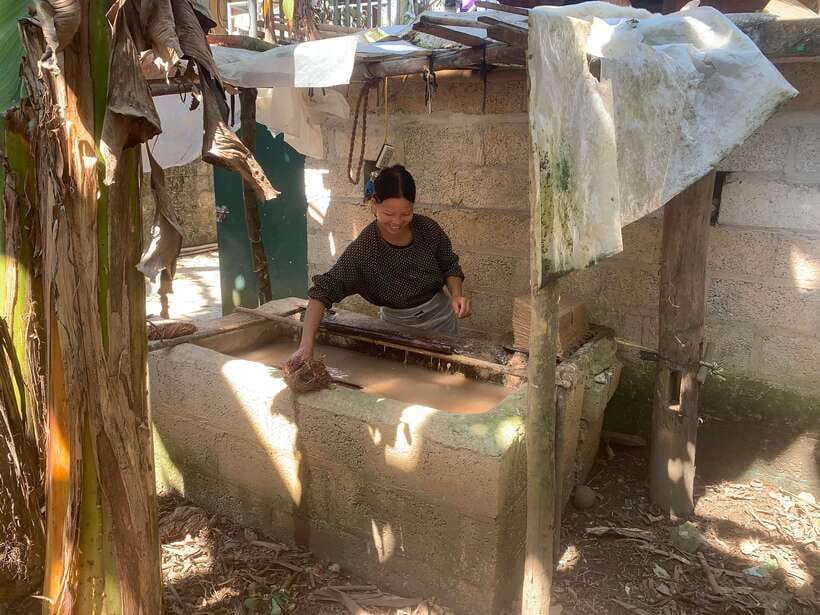
One of my favorite parts of this loop is the cultural stop at an ethnic craft village. The plan includes a visit to a paper craft village or forging village, where you can see how locals live and work, and you get a chance to learn how paper is made or how forging works.
Why this is worth your time: most people come to Cao Bằng for nature. But the “human scale” stops make the geography make sense. When you see stilt-house life and learn what kinds of making and trading happen locally, the region stops feeling like scenery and starts feeling like a place people actually depend on.
What to expect in practice:
- You’ll likely spend about an hour here early in the day.
- You can expect to walk around, ask questions, and see working areas tied to traditional skills.
- If you like photos, this is a good stop to capture something different than mountains and water.
Tip: wear something comfortable you can move in. Even if you’re not doing hands-on making, you’ll be standing, walking, and taking in details.
Ngao Cave (Tiger Cave): Where the Stone Does the Art
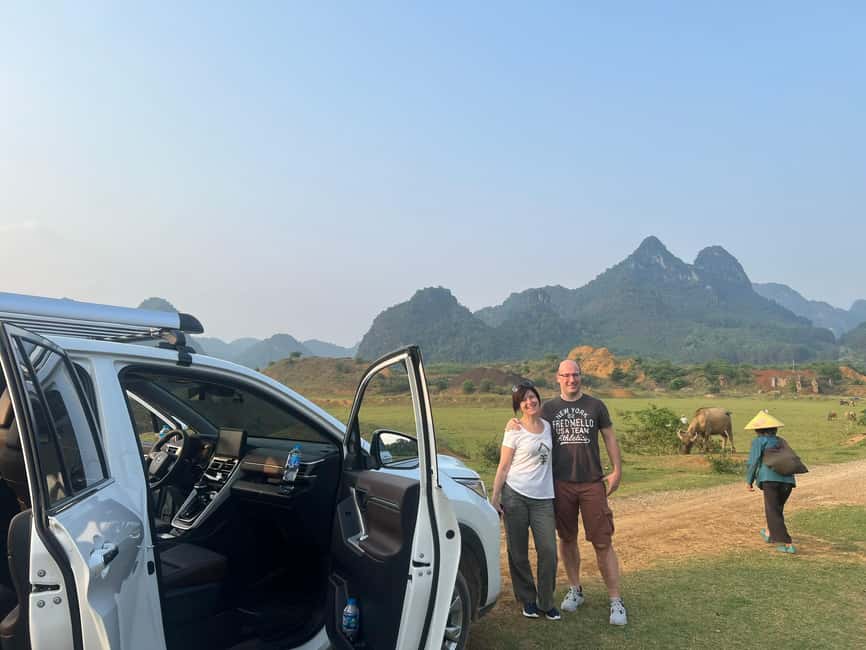
Next up is Ngao Cave, often called Tiger Cave. This is where the day turns from open-air views to cool, sculpted stone.
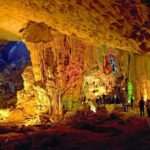
The plan is roughly late morning to early afternoon cave time, and the description of the formations is specific: natural stone columns formed over hundreds of millions of years, plus stalactites that form many shapes you can compare to real objects—think a tiger statue, lotus images, boat shapes, cactus, jellyfish, and even what’s described as a magic-stick look.
Why I think this stop lands so well:
- Caves slow you down. Even with a guide, you naturally move at a calmer pace.
- The formations give you “story prompts” for questions, because you can point and ask what your guide thinks each shape resembles.
- If you’re used to crowded attractions, this cave can feel more straightforward and less performative.
Practical note: it’s still a cave. That means bring layers or something light you can handle if it feels cooler underground. Also, keep an eye on where you place your feet—cave ground can be uneven.
Trúc Lâm Zen Monastery: The Viewpoint That Connects Everything
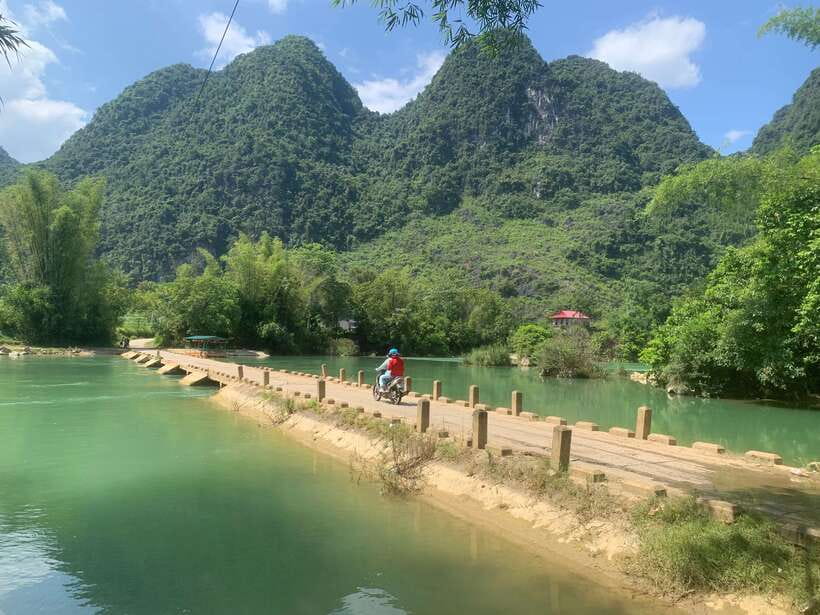
After the cave, you’ll have lunch, then head to Trúc Lâm Zen Monastery. This stop is set up like a transition: food, then a climb, then a big panorama that helps you “read” the whole region.
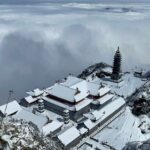
You’ll climb up to the pagoda area for panoramic views over Ban Gioc Waterfall. The description is clear about what you’ll see from the viewpoint: on one side, there’s mention of a Chinese Glass Bridge, and on the other side, you’ll look toward peaceful, poetic Vietnamese rice fields.
This is a smart design choice. From here, the waterfall isn’t just noise and water spray. It’s part of a wider system of hills, farms, and border geography. It’s also a great place to take photos before you get closer to the waterfall itself.
If you don’t like long climbs: the plan doesn’t specify how steep, but it does say you climb up to the pagoda. Take your time, and bring water from what’s included (a bottle is provided).
Ban Gioc Waterfall: Boat-Time and the Border Feeling
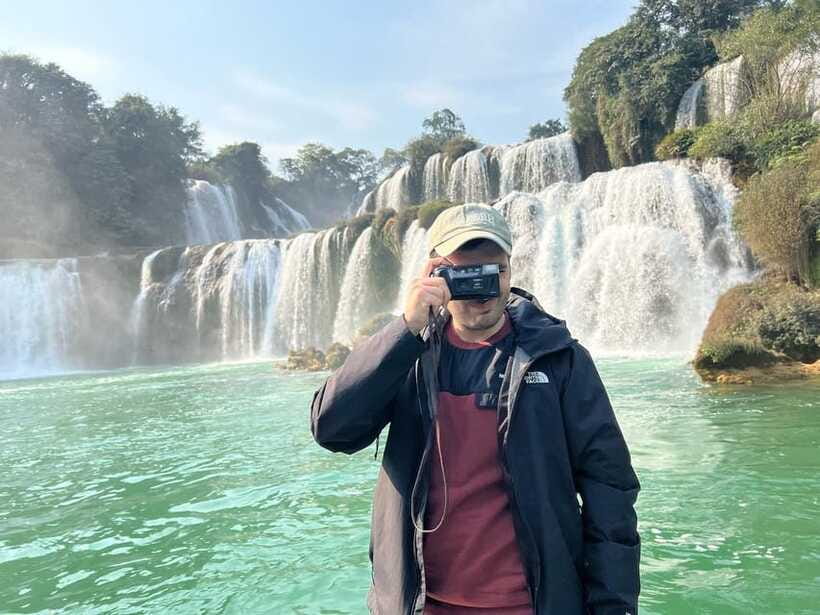
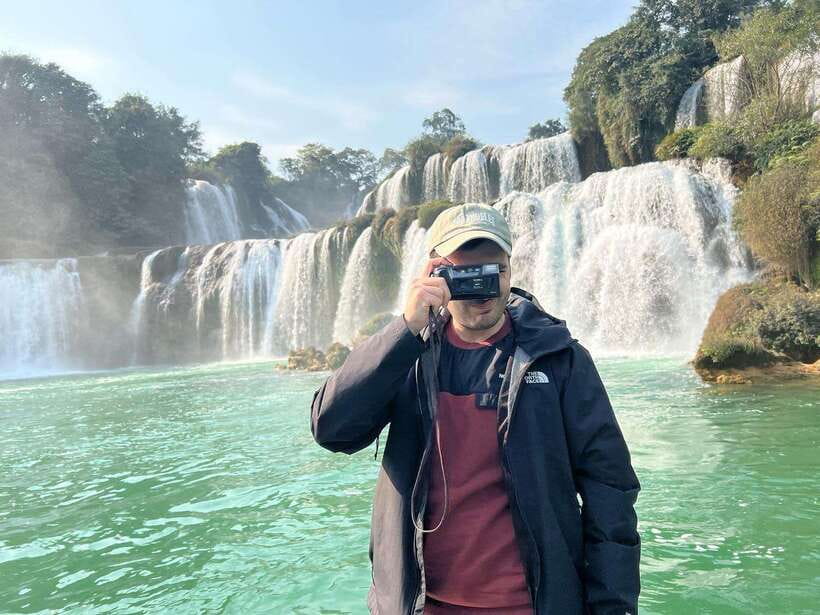
The main event is Ban Gioc Waterfall. You’ll have time to visit the waterfall area, see the water dropping from above into a whitewashing stretch of river, and enjoy the nearby rice-field setting with a cool breeze.
Then there’s the closest-to-the-water moment: the itinerary describes taking a boat closer to the waterfall, where you can get splashed by the spray. It also highlights a detail that makes the experience feel different from a typical waterfall photo spot: the middle of the river is described as the border of Vietnam–China, so you get that distinct “you’re right here at the edge of two countries” sensation.
One important clarity: the list of what’s included does not explicitly say the raft/boat is included. It says the Raft on the river at Waterfall (optional) is not included. So if boat time is a priority, confirm what’s covered in your booking and what costs extra.
If you want the best comfort:
- Plan on getting slightly wet if you choose the boat approach.
- Wear footwear you don’t mind if water splashes up.
- Bring a small towel if you hate that cold, damp feeling afterward.

Angel Mountain at Sunset: The Short Finale With Big Drama
After Ban Gioc, you return by another route so you don’t feel like you’re repeating the same road. You’ll pass more mountain-and-hill scenery, plus green fields where farmers work.
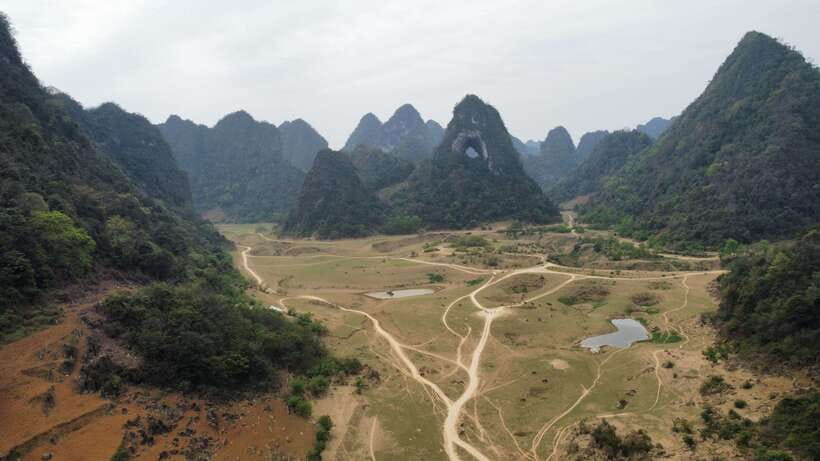
Then the day ends with Angel Mountain time around late afternoon, positioned as a Cyclop or Dragon Mountain view. The description emphasizes sunset views and a “majestic beauty” payoff.
This matters because it gives the tour an emotional ending. Waterfall is loud and immediate. Sunset views are slower. They let you absorb the scale of Cao Bằng again—this time from a high, sky-lit angle rather than through mist and spray.
Practical note: sunset can mean cooler air. If you get chilly easily, pack a light layer even if morning feels warm.
Guides, Group Size, and Why the Day Feels Easy
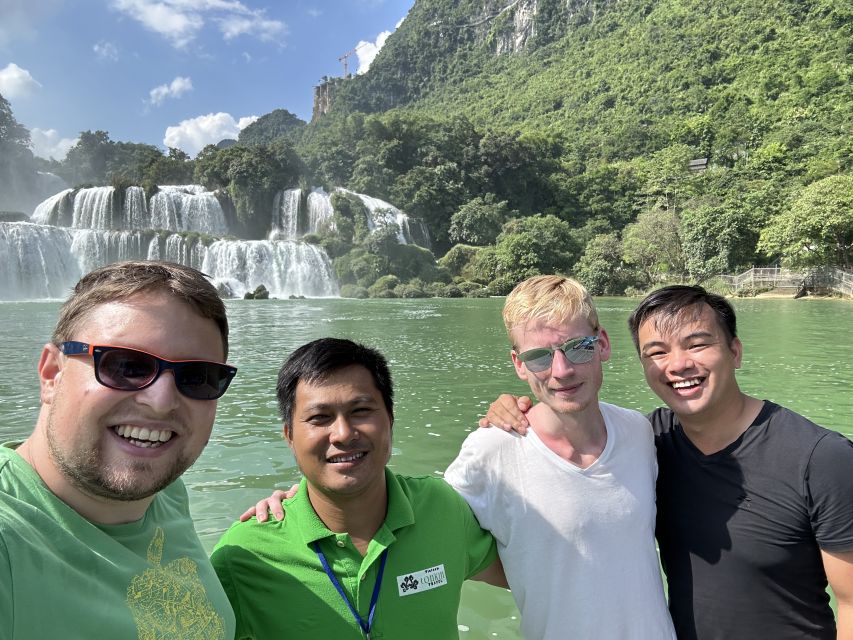
A recurring theme in the best experiences with this program is the guide. In the feedback you’re likely to see (and that matches the way the tour is presented), English skills and careful attention matter. Names that show up include Tu, Tuan, Sen, Nat and Dong, and Anthony.
What makes that more than a nice-to-have:
- When you’re in Ngao Cave and looking at formations that resemble animals and objects, a guide helps you connect shapes to meanings.
- When you’re in ethnic village areas, a good guide helps you ask the right questions without making it feel awkward.
- When you’re at viewpoints and want photos, it’s easier when someone offers to help position you.
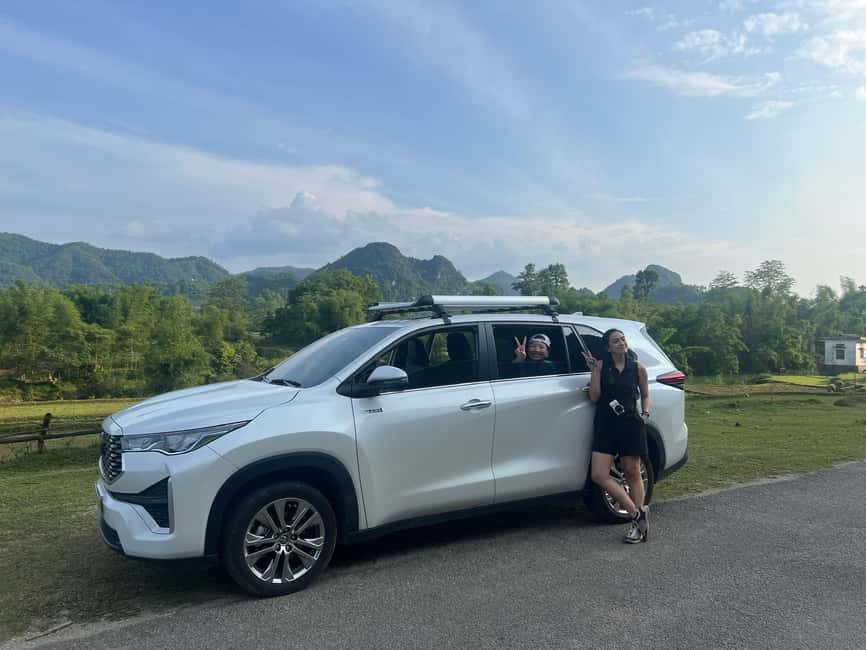
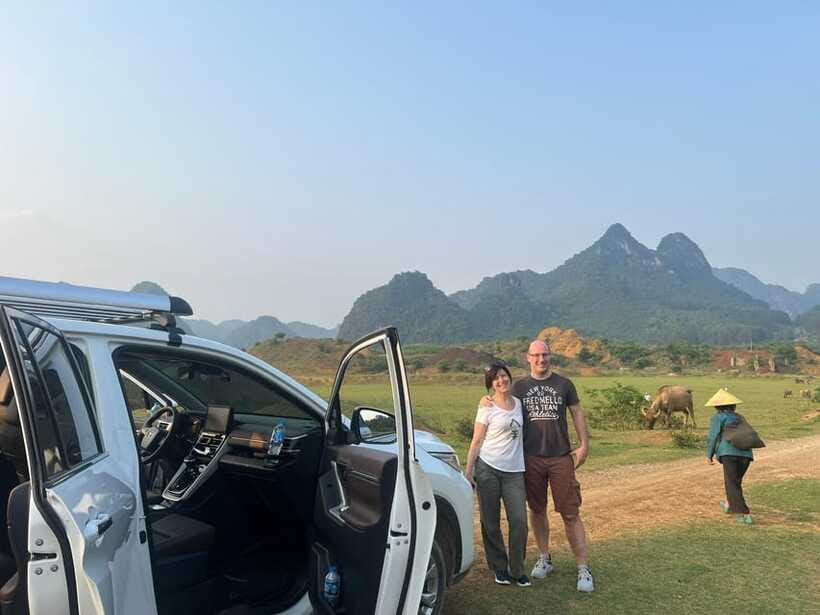
Small group travel is also part of the value. You’re in an SUV/MPV/EV, not on a bus packed with strangers. In at least one solo setup, the operator even managed a car despite the usual solo rule. So if you care about comfort, it’s worth mentioning you’d prefer a car and asking early.
Price and What You’re Actually Buying for $82
The listed price is $82 per person, and it covers key essentials:
- Lunch with local food
- Entrance fees and tickets
- Bottle of water
- Comfortable car
- English-speaking local guide
But there are mandatory add-ons you should factor in. The booking notes specify:
- 10% VAT tax (mandatory)
- $10 per person service charge + insurance (mandatory)
- Solo traveler single booking adds $10 per person (mandatory)
So for most people, the practical idea is: the advertised number is your base, and the total becomes higher once the mandatory charges are added. It can still be a good deal because the day includes multiple paid stops and long-distance transport—things that add up fast if you DIY in Cao Bằng.
Also, check one more thing before you decide: the “included” section says hotel pickup/drop-off is not included, yet the day plan describes pickup around 7:00–7:30am in Cao Bằng city. That’s not something you want to gamble on. Ask your operator to confirm exactly where pickup happens and what area qualifies as included.
Who Should Book This Ban Gioc Full-Day Loop?
This is a strong match if you:
- Want many major sights in one day without planning or transfers chaos
- Like scenic drives and rural village life, not only landmark stops
- Enjoy a guide-led experience in caves and viewpoints
- Want local food as part of the schedule (lunch is built in at Thác Bản Giốc Restaurant)
It’s less ideal if you:
- Don’t handle long car hours well
- Need a very short, low-walking day
- Fall into the limits noted by the operator (not suitable for children under 5, pregnant women, or people over 65)
Should You Book This Tour? My Practical Take
If your priority is Ban Gioc plus the surrounding Cao Bằng Global Geopark highlights, this is one of the easiest ways to do it without turning your day into logistics. I like that it includes craft village context, Ngao Cave formations, Trúc Lâm viewpoint framing, and Angel Mountain sunset—so you don’t just see water, you see the region.
Before you book, do two quick checks:
- Confirm whether pickup/drop-off is truly included for your exact hotel area in Cao Bằng.
- Ask whether the boat/raft at Ban Gioc is included in your specific package or will cost extra.
If you get those answers, you’re set up for a day that feels like real Cao Bằng—mountains, stone, villages, and that border-water moment—compressed into a comfortable car day.
FAQ
How long is the full-day Ban Gioc and Cao Bang Geopark car tour?
The tour runs from about 7:00–7:30am pickup in Cao Bằng city to your return around 5:30–7:00pm.
What’s included in the $82 per person price?
It includes lunch with local cuisine, entrance fees and tickets, a bottle of water, a comfortable car, and an English-speaking local guide.
Are the boat/raft rides at Ban Gioc included?
A raft/boat ride at the waterfall is optional and is listed as not included.
Do I need a passport and cash?
Yes. The tour notes say you should bring your passport and cash.
Is pickup from my hotel included?
The itinerary mentions pickup around Cao Bằng city hotels from 7:00–7:30am, but the information also lists hotel pickup/drop-off as not included. Confirm the exact pickup point with the operator.
What mandatory fees should I expect?
Mandatory extras include 10% VAT tax and a $10 per person service charge + insurance. If you book solo with a single traveler, there’s also a $10 per person solo booking cost.
If I travel alone, will I ride by car?
If there is only one solo traveler, the tour notes say the operator will use a motorbike. If you strongly prefer a car, ask in advance.
Are there age or health limits?
Yes. The tour is not suitable for children under 5, pregnant women, or people over 65.
What should I know about behavior restrictions?
The tour notes say alcohol and drugs are not allowed.
If you want, tell me your travel month and whether you care more about caves, culture stops, or waterfall time. I’ll suggest how to pace yourself on the day and what to prioritize.