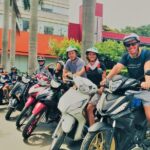
Saigon moves fast, and this tour helps you keep up. I like the private motorbike ride with a skilled English-speaking friend who blends street-level sights with real local life. I also love the mix of famous history and day-to-day shopping, from Notre-Dame Cathedral area to the roosters and birds market and the flower wholesale lanes. One thing to consider: you’ll be on a motorbike for most of the 4 hours, so it’s not the best fit if you’re easily uncomfortable on busy roads or in rain.
You’ll roll through five different districts and get a feel for how Saigon changes block by block, not just from postcard spots. The guides are known for a friendly, easy style and safe driving, including names like Tam and Phat, Bing and Kelvin, and Asa from past groups. The tour also adds small touches like a free amateur photographer and security support, which helps when you’re busy looking around instead of worrying about photos.
If you’re expecting a quiet, museum-style day, this isn’t it. The value comes from motion, street sounds, and short stops where you can actually see what people do.
In This Review
- Key highlights to look for
- Why a 4-hour motorbike loop beats a checklist
- Meeting your guide: safe riding plus real local hospitality
- District 1: French colonial icons and the pulse of Nguyen Hue
- District 3: Thich Quang Duc, oldest buildings, and the Nguyen Thien Thuat apartment area
- District 10: Ho Thi Ki Flower market and how wholesale Saigon works
- District 5 and 6 Chinatown lanes: roosters and birds, fabric, medicine, and motorbike gear
- Cheo leo Coffee: watching a cup get made
- What you really get for $34: value, inclusions, and the private-group advantage
- Practical tips before you ride through 5 districts
- Should you book this motorbike tour?
- FAQ
- How long is the motorbike tour?
- What does the price include for $34 per person?
- Is this tour private?
- Which districts will we visit?
- What are some of the market stops?
- Do we visit religious or historical sites?
- Is coffee included?
- What food is included during the tour?
- What languages are available besides English?
- Do I need to contact the provider before booking?
Key highlights to look for
- Five districts in 4 hours so you see more than one “side” of Saigon
- Local markets including roosters and birds, fabric, Chinese medicine, and a major motorbike accessories market
- Old-and-new contrasts from French colonial landmarks to older apartment and temple areas in District 3
- Ho Thi Ki Flower market in District 10 for a wholesale look at tropical and imported blooms
- Cheo leo Coffee where you can see how a quality cup is made
- Private guide support with helmet, rain poncho, and a bonus photographer
Why a 4-hour motorbike loop beats a checklist
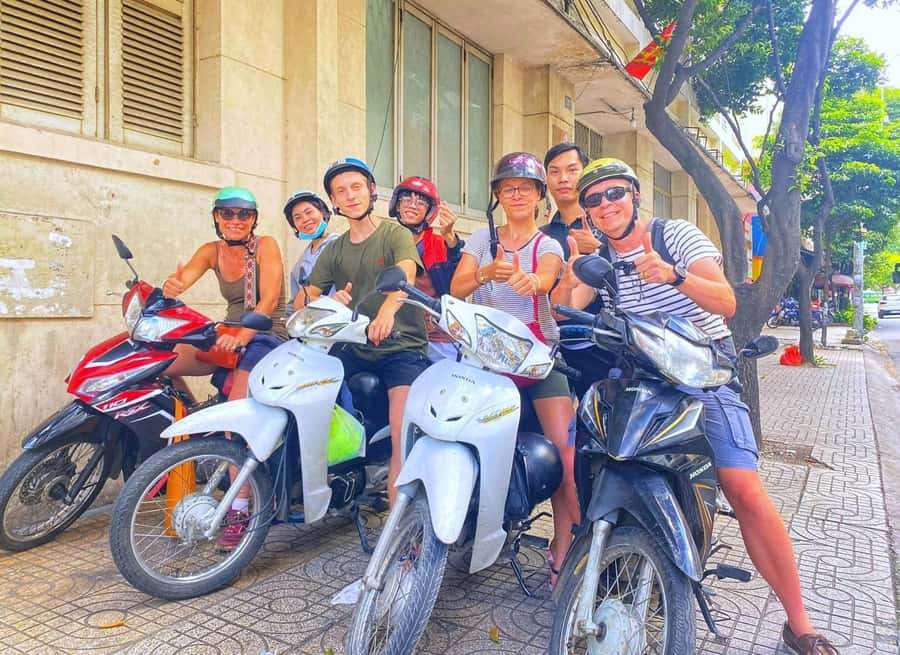
In Saigon, time is the real currency. Walking can do a lot, but it takes forever to cross the city and you end up spending your energy on getting from A to B. This kind of motorbike plan is built for speed with a purpose: you cover major landmarks and everyday neighborhoods in one go, without turning the day into a transport slog.
What I like most is that the ride isn’t only for photos. Each district is chosen to show a different layer of urban life—youth activity and French colonial architecture near the center, older buildings and quieter streets in District 3, flower wholesale trading in District 10, and the Chinese-influenced shopping areas in District 5 and 6. You don’t just “see” Saigon. You get a sense of how it runs.
The other practical win: helmet, rain poncho, and fuel are included. That matters because rain happens fast in Vietnam, and you don’t want your day to collapse over gear.
You can also read our reviews of more tours and experiences in Ho Chi Minh City.

Meeting your guide: safe riding plus real local hospitality

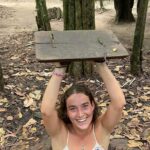
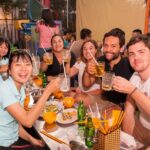
This tour runs with a real local friend who speaks English (and you can also find other language options), plus strong driving skills and a welcoming attitude. That combination is key. On a city like Saigon, good English helps you understand what you’re looking at, while safe driving keeps your brain calm enough to enjoy the views.
You’ll also get pick-up and drop-off from the center of Saigon, which saves time and cuts down on the usual “how do I get there” stress. Past groups highlighted guides like Tam and Phat for their friendly, refreshing approach, and Bing and Kelvin for sharing favorite spots while staying very safe. Asa also got praise for making the experience fun and instructive.
There’s one more small detail that’s actually useful: a free amateur photographer and security service from your private guide. If you want a quick photo set without juggling your phone in traffic, this helps.
District 1: French colonial icons and the pulse of Nguyen Hue
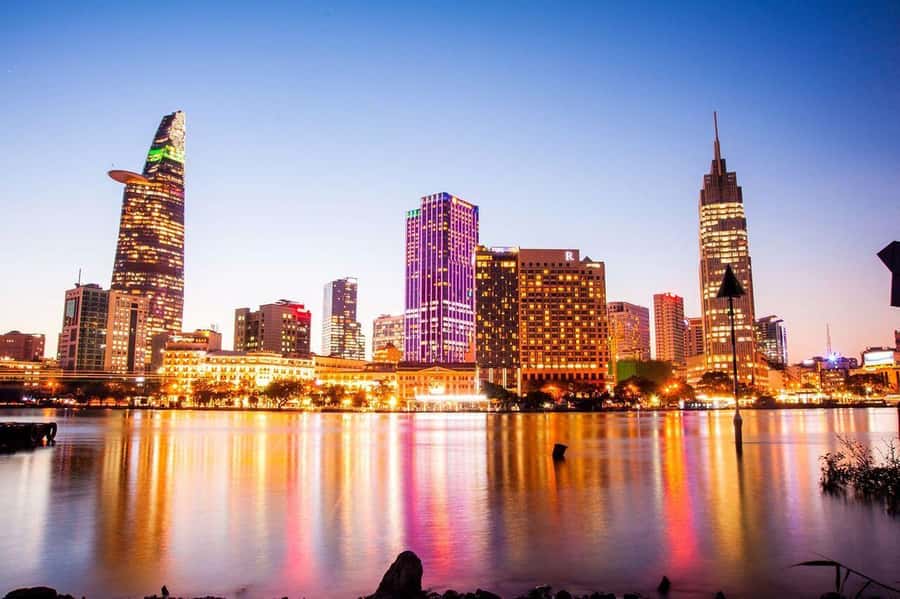
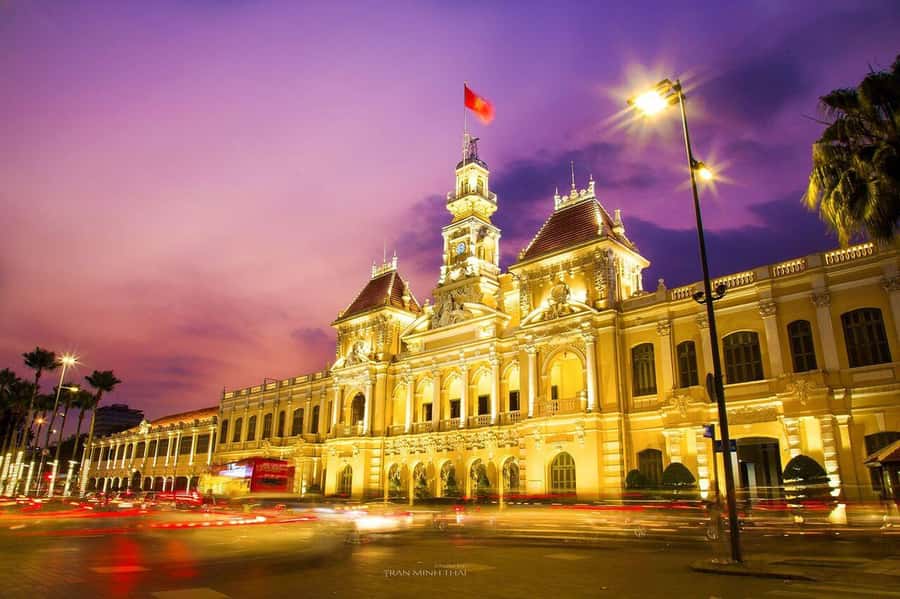
Your route starts in District 1, where Saigon shows off its famous French colonial edges. This area is where you’ll find the Saigon Notre-Dame Cathedral and the Central Post Office, two of the most recognizable older structures in town. Even if you’ve seen photos, it hits different when you’re standing in the street flow around them—because you notice the contrast between those older facades and the modern city life that wraps around them.
You’ll also pass through youth-oriented scenes and central pedestrian energy at Nguyen Hue walking street. The tour includes a stop around a Student Bet coffee-style park, which gives you a quick taste of the younger local hangout style near the center.
What’s valuable here isn’t just the architecture. It’s the context: Saigon is often described as a promised land in Vietnam, and this area is a good place to understand why. You see the colonial-era bones, then you watch what people do today in the same zone—coffee breaks, strolling crowds, and the city’s constant motion.
Possible drawback: District 1 can feel like the “where everyone goes” part of Saigon. You’ll still get value, but if you prefer quiet streets only, you may want to treat this start as a visual warm-up before the more local-feeling zones.
District 3: Thich Quang Duc, oldest buildings, and the Nguyen Thien Thuat apartment area
District 3 is where the tone slows down a notch. Here you visit the Thich Quang Duc Monument, a powerful place tied to the Vietnamese War era. The story shared on the tour centers on Thich Quang Duc, who burned himself to death in June 1963 as a protest against the persecution of Buddhism. It’s a heavy stop, and that’s the point. It helps you understand how history shaped Saigon, not just how it looks.
Along with the monument, you’ll see some of Saigon’s oldest buildings and move through typical shopping streets and small markets. This is also where the tour leans into District 3’s “dreaming area” feel—quiet, tranquil, and home to middle-class locals, including older French architecture villas in the mix.
One of the most interesting practical additions here is the stop at Nguyen Thien Thuat apartment buildings. This is one of those places that’s easy to skip on a standard day—yet it’s exactly where you learn what everyday city living looks like over time. You get an honest look at housing and neighborhood rhythms that don’t feel like a staged attraction.
Tip for your headspace: District 3 includes reflective history and everyday street life in the same day. Take a quiet moment at the monument, then shift gears when you move into the local streets so the contrast lands the right way.
District 10: Ho Thi Ki Flower market and how wholesale Saigon works

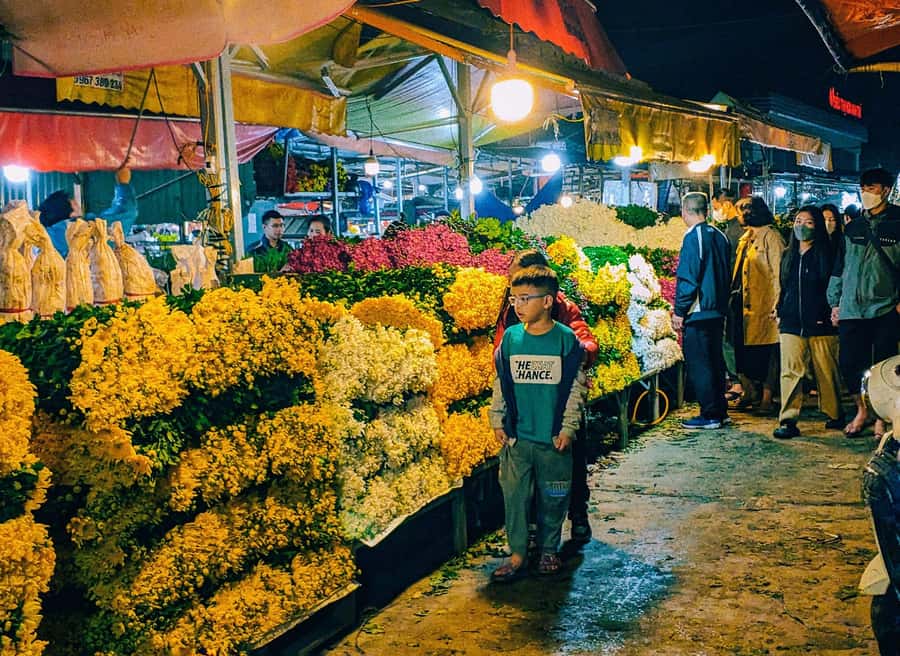
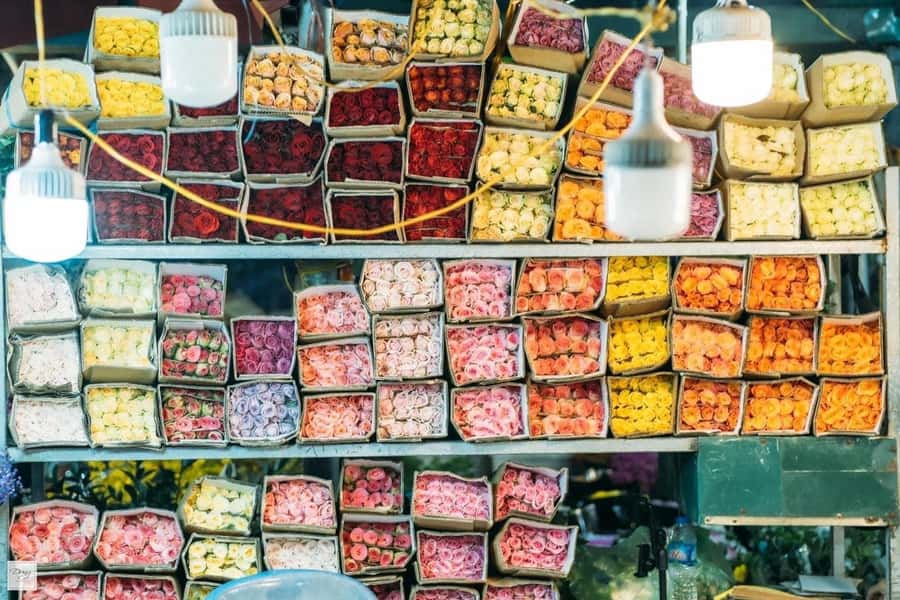
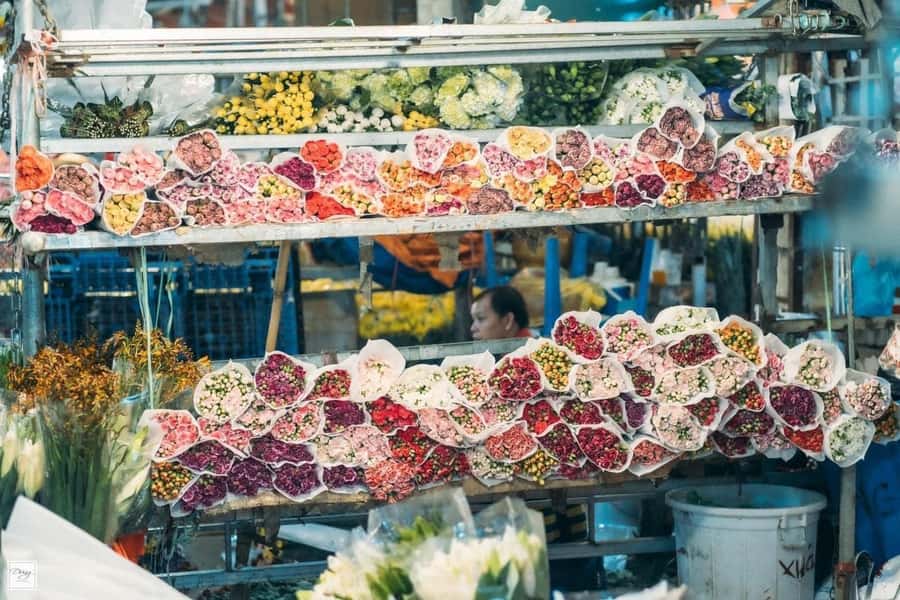
If you like color, District 10 is your win. The highlight is Ho Thi Ki Flower market, described as Saigon’s biggest wholesale flower market and one that stays active as part of the city’s daily supply chain.
The tour encourages you to immerse yourself in the range: you’ll see many kinds of tropical flowers, and even imported varieties. There’s also an emphasis on price being reasonable, which is useful if you’re a flower lover or you just want to understand how wholesale trading shapes what ends up in neighborhood shops.
More than the flowers themselves, this stop shows you a side of Saigon that tourists often miss: the infrastructure of everyday beauty. People buy flowers for homes, events, and altars, and wholesale markets are where the story starts.
One consideration: Ho Thi Ki is a market, so expect strong smells and lots of motion. If you’re sensitive, keep a small pause strategy: look, step back for air, then come in again.





District 5 and 6 Chinatown lanes: roosters and birds, fabric, medicine, and motorbike gear
This is the part of the ride that feels most like living within Saigon, not visiting it. You’ll spend time around the Chinese town and temple areas and walk through active shopping streets tied to local vendors.
Stops include markets for locals such as:
- roosters and birds market
- fabric market
- traditional Chinese medicine market
- and the biggest motorbike accessories market in Saigon
That last one is a great reminder that Saigon runs on practical needs. Motorbike accessories are part of daily transportation culture here, and seeing a concentrated market for it tells you a lot about how the city keeps moving.
You’ll also visit On Lang Pagoda, also known as Quan Am and Hoi Quan On Lang. The tour explains that it was supposedly the largest Chinese community pagoda in Ho Chi Minh City and that today it supports both Vietnamese and Chinese Buddhist communities. That shared religious space is one of those subtle lessons you only learn when you’re there—people trade, worship, shop, and live side by side.
If you’re someone who likes to compare Chinatown patterns across the world, this stop gives you a framework. You’ll notice what feels similar in structure and what feels uniquely Saigon in how people interact and trade.
Food moment in the middle: the tour includes enjoying beef noodles, a daily common breakfast or lunch style in Vietnam. It’s simple, but it’s also a smart reset before the coffee stop.
Cheo leo Coffee: watching a cup get made
After noodles, you head to one of the best coffee spots mentioned: Cheo leo Coffee. The best part isn’t only drinking the result. It’s watching the process of how they make a delicious cup.
Coffee culture in Saigon is a mix of speed, craft, and social rhythm, and a place like this helps you understand that. Even if your coffee order is basic, you’ll come away with more appreciation for what goes into a good cup—especially the steps you usually never notice when you order and leave.
This is also a good timing choice in a motorbike day. You’ve been moving for hours. A short coffee stop gives your legs a break and gives your brain time to absorb what you’ve seen.
What you really get for $34: value, inclusions, and the private-group advantage
At $34 per person for a 4-hour private-group ride, the value comes from what’s bundled. You’re not just paying for transportation. You’re paying for a local English-speaking guide, time, and friction removal.
Here’s what’s included:
- pick-up and drop-off in central Saigon
- English-speaking tour guide (other languages can be arranged for a surcharge)
- 1 main meal plus local snacks, fruits, and drinks
- entrance fees
- good helmet, rain poncho, and fuel
- bonus free amateur photographer and security support
That package matters because it reduces decision fatigue. You don’t have to bargain over small logistics or hunt for food in between district changes. You also don’t have to scramble for gear if the weather turns.
Who this is best for:
- First-timers who want street-level context fast
- People who love markets, food, and neighborhood contrasts
- Travelers who would rather spend money on an organized route than on constant taxis
- Small groups that want a more personal pace rather than being swallowed by a crowd
Who should think twice:
- If you strongly prefer walking-only days
- If you have limited comfort riding in traffic-heavy areas
- If you want long sit-down museum time rather than short, focused stops
Practical tips before you ride through 5 districts
You’ll move through mixed street environments, from central landmarks to wholesale markets and local shopping lanes. To make the day feel smooth, I’d plan for a few basics:
Wear practical clothes and shoes you can walk a bit in. Market zones involve uneven paths and crowded moments, even if you mostly stay on the route.
Bring a small amount of cash if you like to buy flowers or snacks from stalls. The tour includes food, but you might want extra items while you’re there.
Finally, use the guide’s language help. Ask short questions while you’re stopped. That’s where you get the meaning behind the streets, not just the sight.
Should you book this motorbike tour?
I think you should book it if you want Saigon in one organized, street-first day. The best reason is the balance: famous old landmarks like Notre-Dame Cathedral and the Central Post Office, serious history at Thich Quang Duc, and real daily life at markets in multiple districts—plus a coffee stop at Cheo leo Coffee where you can actually see what makes a good cup.
Skip it if you’re not comfortable riding for long stretches or you want a quiet, slow pace. This is a moving day, and it works best when you’re ready for noise, crowds, and quick turns.
FAQ
How long is the motorbike tour?
It lasts about 4 hours.
What does the price include for $34 per person?
The tour includes pick-up and drop-off in central Saigon, an English-speaking tour guide, one main meal, local snacks/fruits/drinks, entrance fees, helmet, rain poncho, fuel, and a bonus amateur photographer plus security service.
Is this tour private?
Yes, it’s a private group.
Which districts will we visit?
You’ll go through at least five districts, including District 1, District 3, District 10, and Districts 5 and 6.
What are some of the market stops?
The tour includes markets for locals such as the roosters and birds market, fabric market, traditional Chinese medicine market, and a motorbike accessories market. It also includes Ho Thi Ki Flower market in District 10.
Do we visit religious or historical sites?
Yes. You’ll visit the Thich Quang Duc Monument and On Lang Pagoda (Quan Am and Hoi Quan On Lang), plus older landmarks like Saigon Notre-Dame Cathedral and the Central Post Office.
Is coffee included?
You’ll have one of the best coffees mentioned, Cheo leo Coffee, and you can see the coffee-making process.
What food is included during the tour?
You’ll enjoy beef noodles plus snacks/fruits and drinks as part of the included meal plan.
What languages are available besides English?
The tour lists English and other available languages: Chinese, Japanese, French, Italian, Spanish, Russian, Korean, and German (with a surcharge for other languages).
Do I need to contact the provider before booking?
The information provided says to text the phone number before booking to check availability: +84914585221.