REVIEW · HO CHI MINH CITY
Vietnam and Thailand Adventure in 16 Days
Book on Viator →Operated by Realistic Asia · Bookable on Viator
A trip that feels like two countries, one smooth story. What I really like about this Vietnam and Thailand Adventure is the pace: you get big-ticket sights (Imperial Hue, Halong Bay, Bangkok’s grand temples) without living in transit nonstop. I also like how it mixes hands-on moments like cycling in Hoi An and small-waterway exploring in the Mekong Delta.
The one drawback to plan for is the flight-heavy routing. You’ll cover a lot of ground between regions, so keep your energy for early starts, and pack smart for multiple hotels and transfers.
In This Review
- Quick Takeaways: What Makes This 16 Days Work
- Entering Vietnam and Thailand: Start in Ho Chi Minh City
- Mekong Delta Days: Cai Be Floating Market and the Tan Phong Island Loop
- Flying to Hue: Imperial Citadel on Cyclo Wheels
- Hai Van Pass to Hoi An: Beach Time and Lantern Old Town
- Hanoi and Halong Bay: An Overnight Cruise With Sunrise, Cave Time, and Kayak Stops
- Chiang Mai Free Days: Markets, Silver Pagoda, and Sticky Waterfalls
- Bangkok Temple Classics in One Packed Day
- Price and Logistics: Where the Value Shows Up
- Should You Book This 16-Day Vietnam and Thailand Adventure?
- FAQ
- FAQ
- What cities does the tour include?
- How long is the tour?
- What’s included in the price for sightseeing and transport?
- Are flights included?
- Where does the tour start and end?
- How many meals are included?
- Is e-visa included?
- Is travel insurance included?
Quick Takeaways: What Makes This 16 Days Work
- Door-to-door private pickup/drop-off keeps the trip from turning into a scavenger hunt at airports.
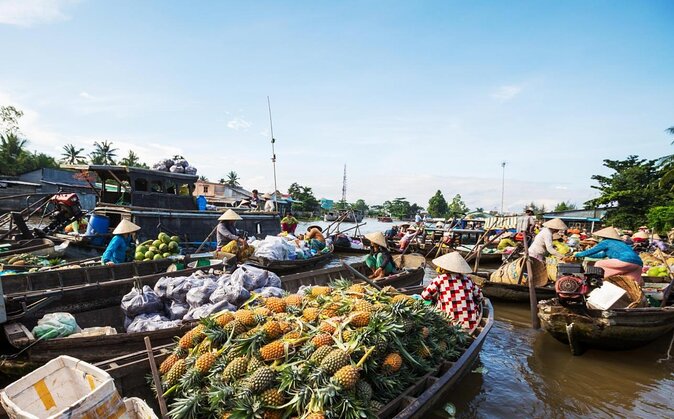
- Mekong Delta by boat plus local workshops gives you more than photos of floating markets.
- Hue by cyclo is a practical, low-fuss way to see the city’s key royal sites.
- Halong Bay overnight cruise includes sunrise-style time on the water and kayaking/swimming options.
- Bangkok’s “temple essentials” in one day covers Wat Traimit, Wat Pho, and the Grand Palace.
- Max 15 travelers is small enough that the logistics usually feel calmer than big-group tours.
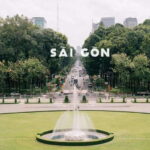
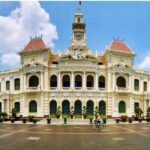
Entering Vietnam and Thailand: Start in Ho Chi Minh City
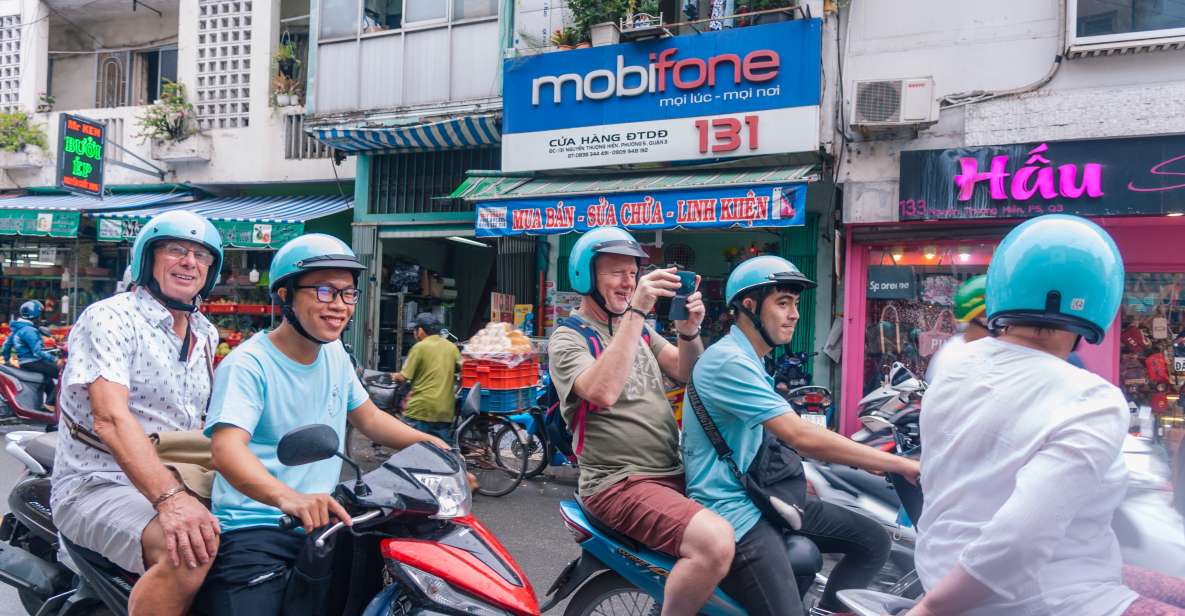
Your trip opens in Ho Chi Minh City, with a private driver meeting you at the airport holding a sign with your name. That detail matters more than it sounds. On arrival days, I like any plan that helps you get to the hotel without stress, especially when jet lag hits.
After check-in, you’re free to explore at your own pace. You’ll probably want to do light wandering—find a local coffee spot, test your walking legs, and get familiar with where you’ll be staying. The tour includes water and tissues on coach, which is a small comfort that helps on longer travel days.
This day also sets the tone: this isn’t a “stand in line, move on” style trip. It’s built so you can absorb the cities in short bursts, then move on.
You can also read our reviews of more tours and experiences in Ho Chi Minh City.



Mekong Delta Days: Cai Be Floating Market and the Tan Phong Island Loop
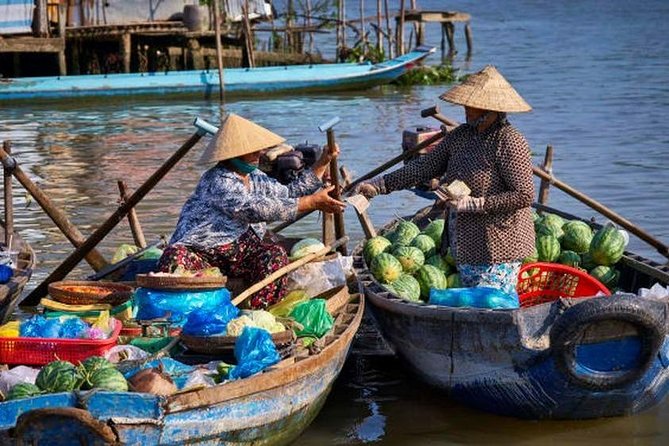
The Mekong Delta part is where this itinerary turns from sightseeing into something more personal. You head out from Ho Chi Minh City around 8 a.m., then arrive in Cai Be and board a boat that travels through the fertile water network shaping the region. This is the kind of environment where you start to understand why daily life here follows the rivers and canals.
At Mekong Lodge, you check into a private bungalow and have lunch by the riverside. I like that the rhythm includes a real decompression block—rest, then activity—so the day doesn’t feel like one long sprint.
The cycling trip to Tan Phong Island is one of the most “you can feel it” experiences in the whole plan. You’ll visit local handicraft workshops and learn how banana leaf hammocks are made, along with items using water coconut leaves and water hyacinth for home decor. Then you’ll move through fruit gardens where you can enjoy freshly picked fruit, plus live Vietnamese folk music.
A small rowing boat through the canals rounds it out. That short, quiet time is often the highlight because it’s slower than the main sights and lets you actually see how waterways connect everything.
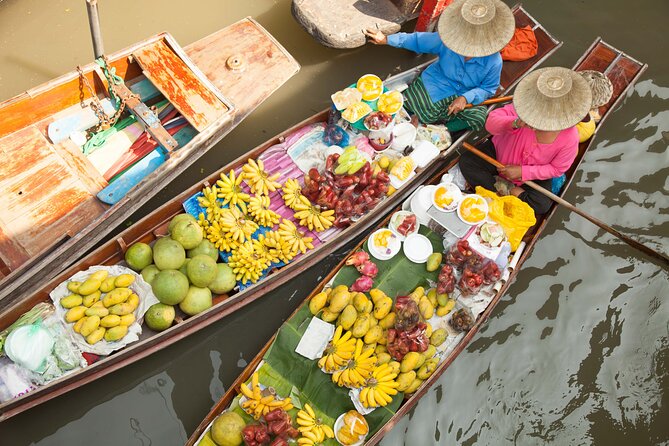
On day 3, you return for a Cai Be floating market boat trip on the Tien River. Expect lots of boats trading fresh produce, plus time on islands visiting more handicraft villages. After that, you drive back to Ho Chi Minh City and sleep there.
What to consider: boat days can be sun-and-sweat heavy. Wear something breathable, bring a hat, and plan to hydrate often.
Flying to Hue: Imperial Citadel on Cyclo Wheels
Hue is where the trip gains a strong sense of time and place. You fly from Ho Chi Minh City to Hue and the rest of the day is flexible, which helps you reset after transit.
The next day’s big win is exploring Hue by cyclo. It’s traditional transport, but what I like is the practicality. You’re not relying on you to figure out routes while carrying luggage and heat. The cyclo takes you around the south side of the Perfume River, then over Truong Tien Bridge so you can cross and see how the city changes.
You also get a focused visit to the Hue Imperial City (the Citadel), including Flag Tower, Nine Holy Cannons, Ngo Mon Gate, Thai Hoa Palace, Nine Dynastic Urns, and the Forbidden Purple City. That list is dense, but the payoff is simple: you’re walking through the spaces that shaped royal power and ceremonial life.
A cyclo ride after the citadel exploration brings you back through the older parts of the city. It’s a nice “settling down” moment after you’ve absorbed major monuments.
Possible drawback: you’ll likely do a fair bit of walking once you’re inside the citadel complex. Comfortable shoes make this feel fun instead of tiring.
Hai Van Pass to Hoi An: Beach Time and Lantern Old Town
From Hue, you transfer by private car to Hoi An, crossing the Hai Van Pass. This road is famous for a reason: mountains and sea views show up quickly, so you get that instant sense of scale you miss when you fly.
In Hoi An, you check in, then have free time to explore around your hotel. Day 7 is a real treat because it’s intentionally unstructured. Renting a bicycle is the easiest way to enjoy Hoi An: pedal toward the riverside or beach, grab something cold at a small cafe, and relax after a swim. The sea is described as warm and calm, which is exactly what you want for a low-effort afternoon.
Hoi An also gives you an option I genuinely love for couples and families: tailor shops that can make clothes, bags, or shoes quickly. If you’re traveling with plans to upgrade a wardrobe, this is the place to do it.
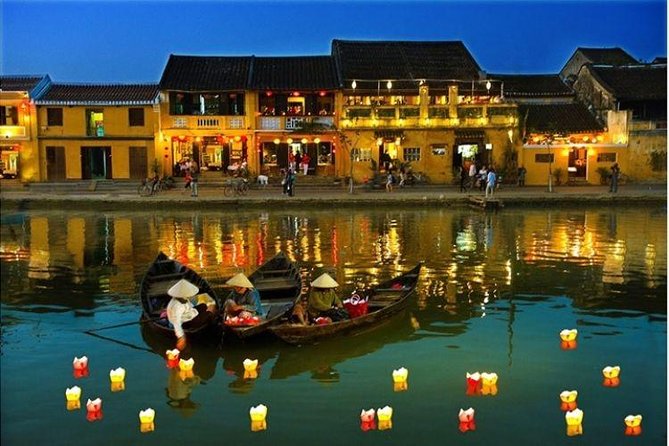
In the evening, you can walk the Old Town area when lanterns come on. Street performances add to the atmosphere, and you don’t need to schedule a ticketed event to enjoy the vibe.
What to watch: cycling in sandals can be tempting, but the roads and curbs may surprise you. If you want comfort, go with closed-toe shoes or breathable sneakers.
Hanoi and Halong Bay: An Overnight Cruise With Sunrise, Cave Time, and Kayak Stops
After Hoi An, you fly to Hanoi. The rest of your time is free, so you can stretch your legs, find local food, and prepare for the next day’s departure toward Halong Bay.
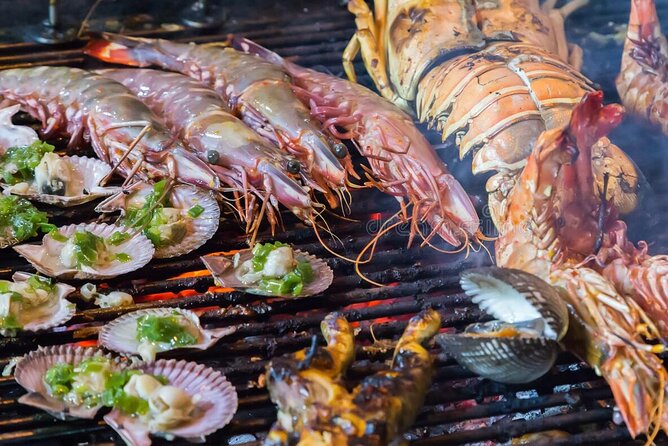
On day 9, you’re picked up by the cruise team and taken by the scenic route across the Red River Delta, with rice paddies stretching out. Once you reach Halong, you board the cruise for limestone karst scenery, plus a seafood lunch. There’s time on the sundeck too, which is important because Halong isn’t only about getting to the next activity. It’s also about watching the shapes of the rocks change as clouds and light shift.
In a “secret place” stop (as described), the cruise pauses for closer exploration. You can kayak or swim to experience the karst grottoes near you. Then you return for early dinner and evening leisure, with optional cruise team activities if you want them.
The next morning, you wake up early for dawn-style views. A Tai Chi class on the sun deck is included, which is a gentle way to start the day on a rocking boat. After breakfast, you visit a limestone cave with stalagmites and stalactites. Then you enjoy brunch while returning toward the harbor.
What to consider: cave visits can be cooler, and it can still be humid outside. Bring a light layer so you don’t regret not having one when you switch environments.


Chiang Mai Free Days: Markets, Silver Pagoda, and Sticky Waterfalls
The trip carries you from Hanoi to Chiang Mai by flight. Once you arrive, you get free time in the evening, which helps you adapt after a couple big movement days in a row.
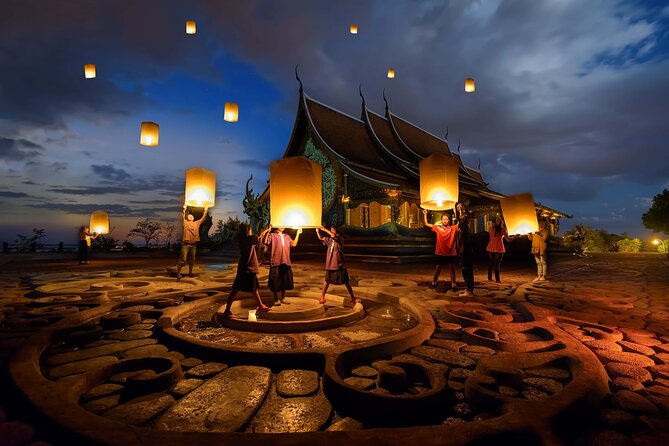
Days 12 and 13 are built around freedom, but with smart suggestions. You can wander markets, check out art galleries near the Ping River, and snack on street food at your own speed. The itinerary also includes a visit to Silver Pagoda (Wat Sri Suphan), known for its intricate silver paneling and described as less crowded than many nearby temple stops.
Then you have outdoor options. One recommendation is to head out to walk along the mountain trains and climb the sticky waterfalls. Another alternative is a spa day or Thai massage—because after days of walking, you’ll probably want a reset.
Day 14 returns you to your Chiang Mai base, keeping flexibility while you prepare for the Bangkok temple day.
What to watch: outdoor days can mean uneven footing. If you plan on sticky waterfalls or mountain train routes, wear shoes that grip.
Bangkok Temple Classics in One Packed Day
Bangkok is approached with focus: start with Wat Traimit in Chinatown to see the famous solid gold Buddha statue. Next comes Wat Pho, including the 45-meter reclining Buddha and the fact that it used to be an original school of traditional Thai massage.
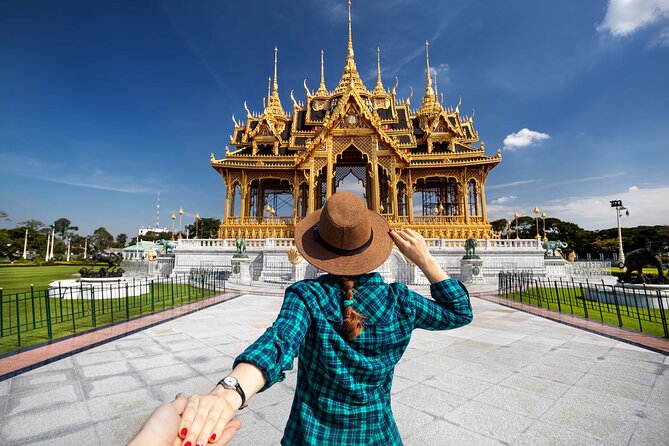
Then you move to the Grand Palace, the top royal monument of Thailand. You’ll see palace halls used for multiple occasions—like the Coronation Hall, Funeral Hall, and Royal Guest House—and you’ll also visit the area linked with the Emerald Buddha, one of the country’s most revered Buddha images.
After this day, you’re transferred back to your hotel, and the rest of your time is free. I like that the schedule gives you a buffer after big-ticket temples, because Bangkok temples are a lot of standing, walking, and sun.
Consideration: plan for heat and dress code realities. You’ll want clothing that covers appropriately so you don’t spend your day adjusting outfits.
Price and Logistics: Where the Value Shows Up
The price is $2,133 per person for about 16 days. At this level, the value is mostly in what you’re not managing yourself.
You’re paying for:
- Flights included between key regions, with 20 kg luggage allowance (Ho Chi Minh City to Hue, Da Nang to Hanoi, Hanoi to Chiang Mai, and Chiang Mai to Bangkok).
- Major sightseeing tickets aligned to the route.
- Door-to-door private transfers by car, plus an air-conditioned bus for Hanoi-Halong Bay (round trip).
- Support elements like a 24/7 hotline and mobile ticket use.
What’s not covered (so you don’t get surprised): travel insurance is not included, e-visa is not included, and there can be gala dinner surcharges on certain peak holiday dates. Personal expenses and tips are also on you.
The big “logistics truth” here: this is a good fit if you want structure. If you love independent planning and you’re comfortable booking flights, tickets, and transfers alone, you might pay less DIY. But if you want your days to run on a clear rhythm—private drivers, tickets handled, and flights stitched together—this package is built for that.
Should You Book This 16-Day Vietnam and Thailand Adventure?
I’d book this if you want a balanced sampler: Mekong waterways with hands-on craft stops, Hue with a cyclo and citadel focus, Hoi An with easy cycling and lantern nights, Halong Bay with an overnight cruise, then Bangkok’s temple icons plus Chiang Mai downtime.
It’s also a smart choice if you’re traveling with someone who likes variety—because the itinerary alternates boat time, city walking, temple days, and free blocks for wandering or optional activities like massage or hikes.
But don’t book it if your ideal trip is slow travel with zero internal flights. The routing is flight-forward, and you’ll be living through multiple city changes. If that sounds fine, great. If you hate airports and hotel check-ins, consider a different style of trip.
FAQ
FAQ
What cities does the tour include?
This trip covers Ho Chi Minh City, Cai Be (Mekong Delta area), Hue, Hoi An, Hanoi, Halong Bay (overnight cruise), Chiang Mai, and Bangkok.
How long is the tour?
It’s listed as 16 days (approx.).
What’s included in the price for sightseeing and transport?
Included items cover sightseeing tickets per the plan, water and tissues on coach, service charges and government tax, a 24/7 hotline, door-to-door pick-up and drop-off by private car, and air-conditioned transport where specified (including Hanoi–Halong Bay).
Are flights included?
Yes. Flights included are Ho Chi Minh City to Hue, Da Nang to Hanoi, Hanoi to Chiang Mai, and Chiang Mai to Bangkok, each with a 20 kg luggage allowance.
Where does the tour start and end?
It starts at Tan Son Nhat International Airport in Ho Chi Minh City and ends at Suvarnabhumi Airport in Bangkok. On the last day, you’ll be transferred to the airport for your flight home.
How many meals are included?
Breakfast is included 15 times, lunch 3 times, and dinner 2 times.
Is e-visa included?
No, e-visa is not included in the tour price.
Is travel insurance included?
No, travel insurance is not covered in the tour price.
If you want, tell me your travel month and whether you prefer more walking or more downtime. I can help you decide if this route fits your style and suggest how to pace the free days.