REVIEW · HO CHI MINH CITY
Small-Group Cu Chi Tunnels Half-Day Tour from Ho Chi Minh City
Book on Viator →Operated by Ginkgo Voyage · Bookable on Viator
Underground Vietnam has a way of sticking with you. This small-group Cu Chi Tunnels trip runs about half a day from Ho Chi Minh City, with a tight group size that makes it easier to ask questions and move at a human pace.
I especially like the hotel pickup and drop-off by air-conditioned minivan, plus having entrance fees and a simple snack already built in. That removes a lot of guesswork when you’re trying to fit history into limited time.
One thing to consider: the tunnel experience involves crawling through narrow, dark passages, so if you’re claustrophobic or have mobility limits, you’ll want to think hard before you choose this.
In This Review
- Key Things You’ll Notice on This Cu Chi Tunnels Tour
- Why Cu Chi Tunnels Still Feel Personal From Ho Chi Minh City
- Pickup Timing and the Morning Rhythm (What the Day Feels Like)
- The Documentary and Layout Orientation: Get Your Bearings Fast
- Forest-Edge Weapons and Survival Gear: Where the Lesson Becomes Real
- Crawling the Cu Chi Tunnels: The Physical Reality of Darkness
- Tapioca and Tea, Then the Trip Back: A Clear Finish
- Price, Inclusions, and What $48 Really Buys You
- Who This Cu Chi Half-Day Tour Is Best For
- Should You Book This Cu Chi Tunnels Half-Day Tour From Ho Chi Minh City?
- FAQ
- How long is the Cu Chi Tunnels half-day tour?
- What time does pickup happen in Ho Chi Minh City?
- How far do you travel from Ho Chi Minh City to Cu Chi?
- How big is the group?
- Is the tour guide English-speaking?
- What’s included in the price?
- Do I need to pay entrance fees separately?
- Is food provided beyond the tapioca and tea?
- Is this tour suitable for most people?
- What’s the cancellation policy?
Key Things You’ll Notice on This Cu Chi Tunnels Tour
- Small-group size (max 10) keeps the day from feeling rushed
- Hotel pickup and drop-off in central Ho Chi Minh City saves time and hassle
- English-speaking guide (including guide names like Typhoon Honey from past tours) helps history click
- Documentary intro gives you a map of the tunnel layout before you go underground
- Tunnel crawl + wartime gear talk (like Hoang Cam smokeless stoves, booby traps, and tanks) makes the story concrete
- Tapioca and tea are included after you crawl, so you don’t leave starving
Why Cu Chi Tunnels Still Feel Personal From Ho Chi Minh City
If you only have a short window in Ho Chi Minh City, the Cu Chi Tunnels tour is one of the fastest ways to understand how the 1960s war changed daily life. This isn’t just a stop with photos. You get a guided story that connects the wider Tet Offensive context to what soldiers had to do underground.
The best part is the structure. You start with a documentary and orientation, then you move into the forest area where the guide explains equipment and tactics. Only after that do you descend and experience the tunnel conditions in a controlled, guided way. It’s a thoughtful rhythm: explain first, then show you what they were up against.
And because it’s limited to a maximum of 10 people, the day has a “small class” feel. You tend to get clearer answers, not just a spoken script passing by your ear.
You can also read our reviews of more city tours in Ho Chi Minh City



Pickup Timing and the Morning Rhythm (What the Day Feels Like)
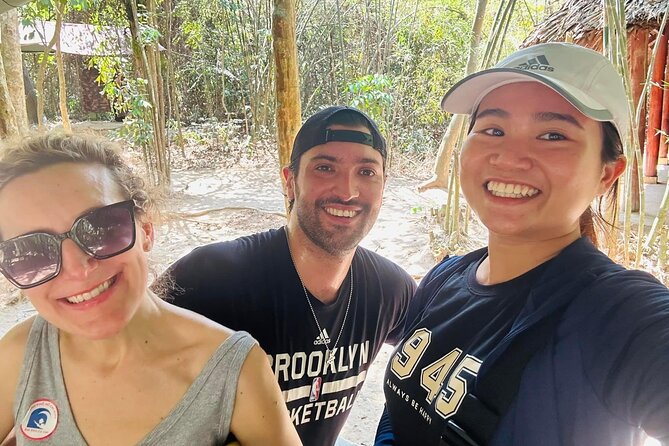
The tour runs about 6 hours total. It starts early, with pickup from your Ho Chi Minh City hotel between 8:00am and 8:30am depending on where you’re staying. You’ll head out toward the Cu Chi district, and the drive is about 90 minutes.
A couple practical notes I’d keep in mind:
- Plan for a morning start. You’ll want breakfast before pickup, because the only included food you’ll get later is tapioca and tea.
- Bring something for comfort during the drive. Even when you’re in an air-conditioned minivan, mornings can be cool, and you’ll be sitting for a while.
Also, you’ll be working with a team: an English-speaking guide plus a driver. Based on past team experiences, drivers have been described as safe and patient with timing and stops. That matters on the way out and the way back, because traffic can turn a “half-day” into a slog if the schedule is tight.
The Documentary and Layout Orientation: Get Your Bearings Fast
Before you go underground, you watch a documentary video and get an overview of the tunnel layout. This part is more than filler. It helps you connect what you’re about to see with how the network functioned—entry points, movement corridors, and how the system supported soldiers hiding and operating for stretches of time.
Then the guide sets up the key idea: the tunnels weren’t a movie set. They were a working environment. At different points, the tour description highlights that parts of the Cu Chi system were used as active underground routes—about 75 miles (121 km)—during the Viet Cong period, including around the 1968 Tet Offensive.
If you tend to get lost when you enter a complex site, this orientation step is a big advantage. You’re not just following your guide through darkness; you’re getting a mental model first.
Forest-Edge Weapons and Survival Gear: Where the Lesson Becomes Real
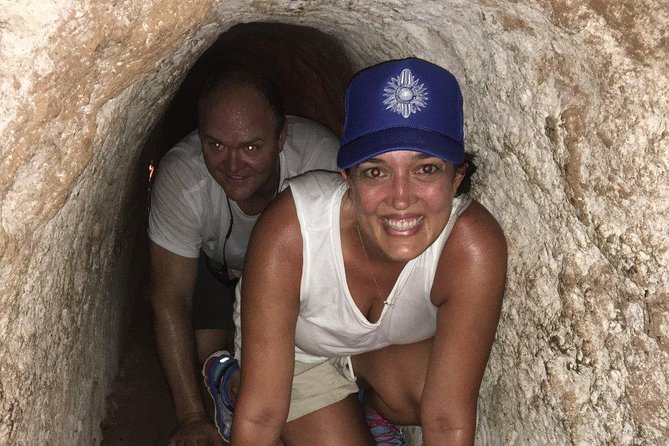
After the documentary, you move into the forest area. Here’s where the tour gets more specific and, frankly, more memorable. Your guide walks you through the kinds of tools and tactics that made tunnel life possible.
This is the moment you’ll hear about:
- Hoang Cam smokeless stoves, designed to reduce smoke signatures
- Booby traps, used to deter or complicate movement by outsiders
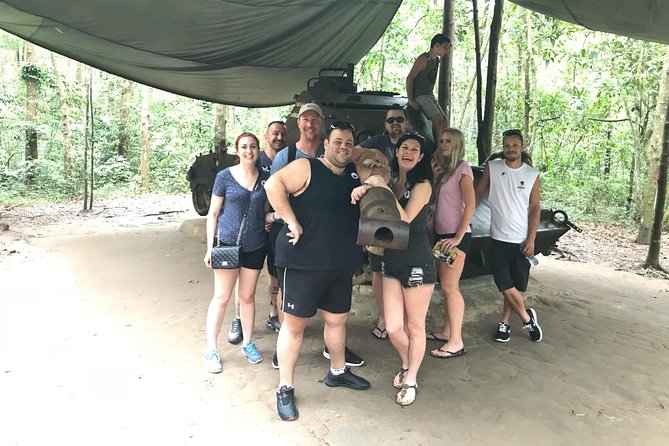
- Tanks and other war material, discussed in the context of how the tunnels were targeted and defended
Even if you’ve read general war history before, these examples are useful because they translate abstract “guerrilla warfare” into daily tradeoffs: how to cook without giving away your position, how to move without exposing yourself, and how to protect spaces where you might spend days.
You’ll also get an overview of the equipment and weapons that shaped the tunnel lifestyle. The goal isn’t graphic shock. It’s understanding survival engineering under pressure.
Crawling the Cu Chi Tunnels: The Physical Reality of Darkness
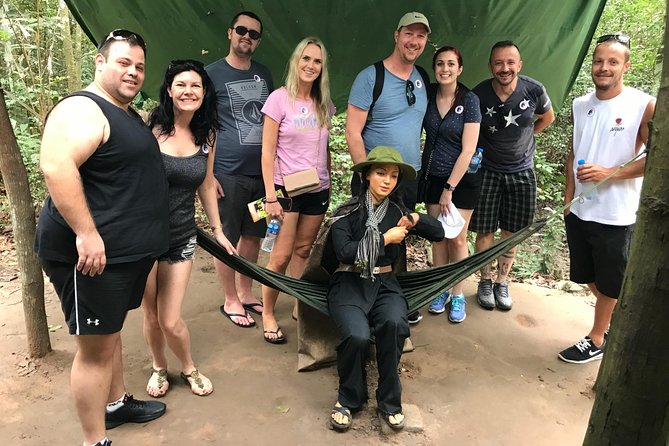
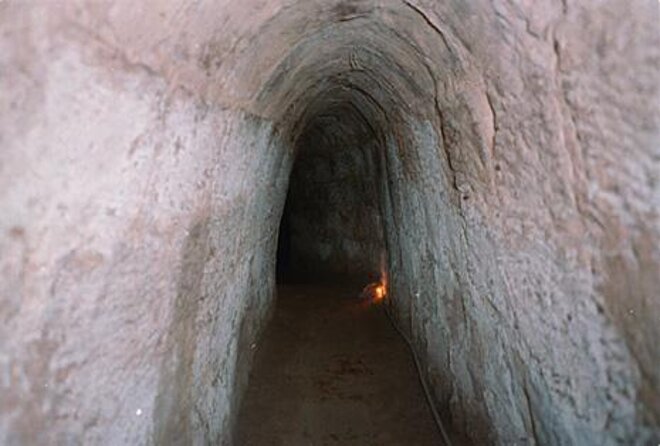
This is the heart of the tour: descending into the tunnels and crawling through narrow passageways where conditions were often dark during much of the war. The tour experience is designed to recreate some of that claustrophobic reality, in a way that’s guided and time-managed.
Here’s what makes it worth doing even for people who aren’t big history nerds:
- You learn faster when your body understands the constraints. Narrow space changes how you think.
- Darkness and tight movement help you appreciate why rules, layout, and discipline mattered underground.
The tour description emphasizes that soldiers sometimes lived there for many days at a time. That’s an important mental shift. You’re not touring a single hideout. You’re stepping into a system built for survival and repeated use.
A quick consideration: you should expect tight passageways and crawling. Bring practical expectations. Wear closed-toe shoes, and choose clothes you don’t mind getting dusty or feeling warm. If you have any concerns about breathing in enclosed spaces, or you need frequent pauses for mobility reasons, this is where you should be honest with yourself.
A few more Ho Chi Minh City tours and experiences worth a look






Tapioca and Tea, Then the Trip Back: A Clear Finish
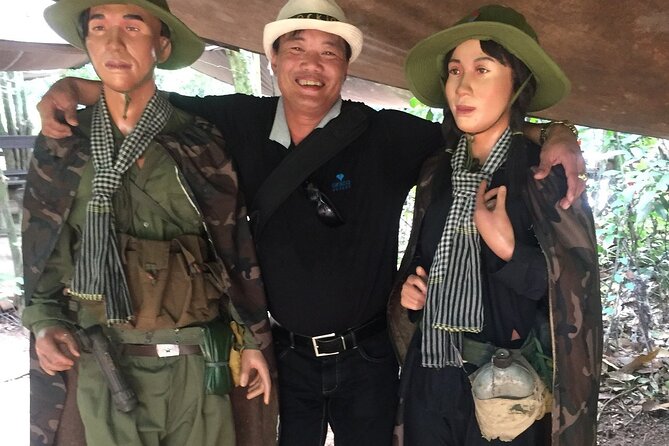
After you come back up from the tunnels, you get a light snack: boiled tapioca and tea, included in the tour. This timing is smart. It gives you a small energy boost right after the physical part of the experience.
Then you head back toward Ho Chi Minh City. With a morning drive out and a return later, the full day holds together like this:
- Orientation and documentary up front
- Equipment and tunnel explanation in the forest
- Tunnel crawl experience
- Snack and tea
- Return drive and hotel drop-off
The tour ends with drop-off at your hotel in Ho Chi Minh City.
Price, Inclusions, and What $48 Really Buys You
At $48, this isn’t just paying for entry. You’re buying the time-saver of round-trip transport, an English-speaking guide, and entrance fees already included. You’re also getting the “post-crawl” snack (boiled tapioca and tea) that keeps the day from ending on an empty stomach.
For value, the biggest win is friction removal:
- Hotel pickup and drop-off means you don’t have to coordinate transport on your own.
- Entrance fees included means no surprise costs at the gate.
- Small group size helps the experience feel personal instead of factory-style.
What’s not included is equally important. Personal expenses aren’t included, and the tour doesn’t list a full meal. If you’re the type who needs more than a light snack after a couple hours of crawling, you may want to plan for dinner once you’re back in the city.
Who This Cu Chi Half-Day Tour Is Best For

This tour makes the most sense if you:
- Have limited time in Ho Chi Minh City but want a meaningful wartime experience
- Like guided context, not just walking around with a map
- Prefer a small group so you can actually hear the guide and ask questions
It also pairs well with family travel, because the tour guide and driver experiences described from past tours highlight patience and kid-friendly explanations. That said, remember the tunnel crawl is physical and narrow, so the best fit depends on the child’s comfort level.
If you’re traveling solo and want a structured half-day with transportation solved, this format is very efficient. If you’re traveling with friends, the small group can still feel lively without losing the guide’s attention.
Should You Book This Cu Chi Tunnels Half-Day Tour From Ho Chi Minh City?
I think this is a strong choice for most first-timers—especially if you want a guided, time-efficient Cu Chi Tunnels visit with pickup included. The combination of documentary orientation, specific talk about survival gear (like Hoang Cam smokeless stoves and the use of traps), and the real physical tunnel experience adds up to more than a sightseeing stop.
Book it if:
- You want history made concrete through a guided tunnel crawl
- You appreciate the convenience of pickup, entrance fees, and a included snack
- You’re comfortable with crawling in confined spaces
Skip or rethink it if:
- You have serious claustrophobia
- Mobility issues would make crawling or tight passageways a major problem
- You want a relaxed, mostly outdoor experience
If your main goal is to see Cu Chi without wasting time figuring out logistics, this is one of the more straightforward ways to do it—and the small group size helps the day feel focused.
FAQ
How long is the Cu Chi Tunnels half-day tour?
It runs for about 6 hours total.
What time does pickup happen in Ho Chi Minh City?
Pickup is offered from your hotel between 8:00am and 8:30am, depending on your location.
How far do you travel from Ho Chi Minh City to Cu Chi?
The drive to the Cu Chi district is about 90 minutes.
How big is the group?
The tour is limited to a maximum of 10 travelers.
Is the tour guide English-speaking?
Yes, the tour includes an English-speaking guide.
What’s included in the price?
Hotel pickup and drop-off, transport by air-conditioned minivan, an English-speaking guide, relevant admission fees, and a light snack of tapioca and tea.
Do I need to pay entrance fees separately?
No. Entrance fees are included in the tour.
Is food provided beyond the tapioca and tea?
Only tapioca and tea are included. Any other food and drinks are not included unless specified.
Is this tour suitable for most people?
The info says most travelers can participate, but the tunnels involve crawling through narrow passages.
What’s the cancellation policy?
You can cancel for a full refund up to 24 hours in advance. If you cancel less than 24 hours before the start time, the amount paid isn’t refunded.